

Velddrif, Western Cape, South Africa – April 13, 2026 – In a significant stride for avian research and conservation in Southern Africa, BirdLife South Africa has launched an ambitious project to track the epic journeys of migratory shorebirds. This pioneering initiative marks the first time sophisticated tracking devices are being deployed on these long-distance travellers within the country, promising to illuminate previously unknown migration routes, critical stopover sites, and the complex ecological connections that link South Africa to distant breeding grounds.
The project is focusing its efforts on vulnerable species such as the Curlew Sandpiper (Calidris ferruginea) and the Grey Plover (Pluvialis squatarola). These species, recognized for their arduous migratory flights, are known to breed in the high Arctic mainland and undertake vast annual migrations. While their general migratory path along the Africa-Eurasian Flyway is understood in broad terms, the intricate details of their movements within and from South Africa have remained largely a mystery. This lack of granular data has been a significant hurdle for effective conservation planning, particularly as both the Curlew Sandpiper and Grey Plover are listed as globally Vulnerable on the IUCN Red List.
Historically, tracking studies of these shorebirds have been concentrated in other parts of the flyway. However, the number of tagged birds reaching South Africa has been limited, leaving a substantial knowledge gap regarding the specific migratory routes, essential refuelling locations, and breeding grounds utilized by populations that overwinter in the country. This new endeavor by BirdLife South Africa represents a landmark moment, as it is the first instance of long-distance Palearctic migratory shorebirds, specifically the Curlew Sandpiper and Grey Plover, being fitted with advanced tracking technology within South African borders.
International Collaboration at its Core
This groundbreaking research is not a solitary endeavor but a testament to robust international scientific collaboration. The project draws on the expertise of a consortium of leading institutions, including the Department of Ornithology at the Max Planck Institute for Biological Intelligence in Germany, Wetlands International based in the Netherlands, the FitzPatrick Institute of African Ornithology at the University of Cape Town, and Conserve Eden in Plettenberg Bay. This multidisciplinary approach ensures a comprehensive understanding of the birds’ movements and the ecological factors influencing them.
The financial backbone of this vital research is provided by significant grants from the Royal Society for the Protection of Birds (RSPB) in the United Kingdom and the Ecological Restoration Fund, also in the UK. These funding bodies have recognized the critical importance of understanding migratory bird populations and their conservation needs across international boundaries.

The current fieldwork in the Western Cape builds upon BirdLife South Africa’s previous conservation work, including earlier monitoring of European Rollers in the Kruger National Park. This prior experience underscores the diverse array of habitats within South Africa that are crucial for migratory birds. Furthermore, the project has benefited from logistical support, including the long-term loan of a 2025 Subaru Forester, generously provided by Subaru Southern Africa, which facilitates access to remote and challenging field sites.
Unlocking the Secrets of Migration: Technology and Methodology
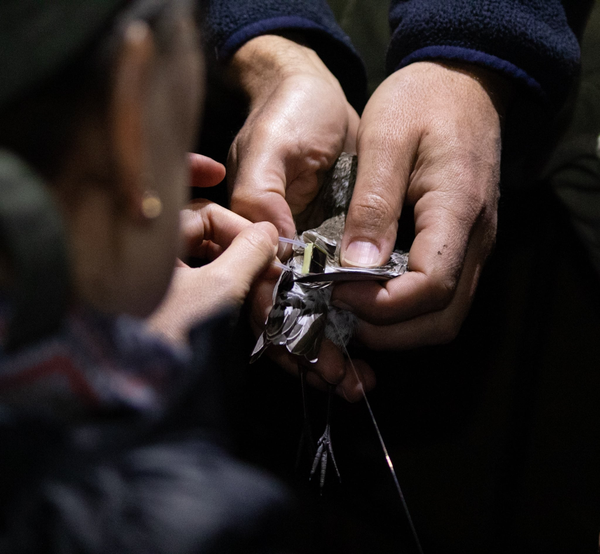
The core of this initiative lies in the deployment of cutting-edge tracking technology. Qualified bird handlers are meticulously fitting small, lightweight satellite tracking devices onto the Curlew Sandpipers and Grey Plovers. These devices are designed to minimize any impact on the birds’ natural behavior and physiology, allowing researchers to gather high-resolution data on their movements in near real-time.
By combining satellite tracking with diligent on-the-ground monitoring at key coastal sites, such as the ecologically vital Berg River estuary in Velddrif, the project aims to generate an unprecedented volume of data. This data will paint a detailed picture of migration routes, pinpoint critical refuelling and resting sites (stopover sites) along the flyway, and reveal previously unrecognized connections between different geographical regions. Such comprehensive insights are indispensable for developing and implementing effective conservation strategies that operate on a flyway-wide scale.
Jessica Wilmot, Flyway & Migrants Project Manager for BirdLife South Africa, emphasized the significance of this project: "BirdLife South Africa has dedicated many years to working along the West Coast, and this project represents a natural evolution of that commitment. It not only demonstrates how landscapes are interconnected within South Africa but also highlights how shorebirds serve as vital links, connecting us to critical wetlands across the entire continent. Following the recent Ramsar Conference of the Parties 15 held in Victoria Falls, this initiative serves as a timely reminder of the profound importance of these wetland ecosystems for global biodiversity."
Early Discoveries and Diverse Strategies
Even in its early stages, the tracking data is yielding fascinating and varied insights into the migratory behavior of these shorebirds. The initial movements of the tagged birds have already revealed a spectrum of strategies. While some individuals have been observed moving eastward, others have commenced a steady northward journey, tracing a path along the western edge of the African continent.
Remarkably, two of the tracked birds have already reached the expansive Sudd wetlands in South Sudan, a crucial stopover point for many migratory species. Another bird is closely following this route, currently located in the eastern Central African Republic. Further afield, two individuals have established temporary residences in Angola, while three others have found refuge in the Makgadigadi Pans, a Key Biodiversity Area in Botswana.

These early observations underscore the inherent diversity within the migratory strategies of these populations. The ability to follow these journeys in near real-time offers an exciting opportunity for both the general public and the conservation community to engage with and learn from these incredible avian travellers. This transparency is expected to foster greater awareness and support for shorebird conservation efforts.
Broader Implications for Conservation and Ecosystem Health
The data generated by this project will have far-reaching implications beyond the immediate understanding of shorebird movements. By identifying and mapping critical habitats and migratory corridors, conservation organizations and governments can prioritize areas for protection and habitat restoration. This is particularly important given the increasing threats faced by migratory birds, including habitat loss and degradation, climate change, and pollution.
The Africa-Eurasian Flyway is one of the most complex and extensive migratory systems in the world, supporting an estimated 50 million migratory birds annually. The health of these birds is intrinsically linked to the health of the ecosystems they rely on, from the Arctic breeding grounds to the African non-breeding grounds and the numerous stopover sites in between. Understanding the challenges faced by species like the Curlew Sandpiper and Grey Plover can serve as an indicator for the broader health of these interconnected ecosystems.
The project’s findings will directly inform international conservation policies and collaborative efforts. By providing concrete data on migratory routes and habitat use, BirdLife South Africa and its partners can advocate for stronger protection measures across national borders. This aligns with global conservation goals, such as those outlined by the Convention on Migratory Species (CMS) and the Ramsar Convention on Wetlands, which emphasize the need for coordinated action to conserve migratory species and their habitats.
The inclusion of the Berg River estuary as a key monitoring site is significant. This estuary is part of the Western Cape’s network of important wetland areas, which provide essential feeding and roosting grounds for large numbers of migratory birds. Protecting and managing these sites effectively is crucial for the survival of species undertaking long-distance migrations.
A Call to Action and Future Prospects
The success of this pioneering research hinges on continued support and engagement. BirdLife South Africa has launched a public appeal, inviting individuals and organizations to contribute to this vital work. Donations will directly fund future tracking efforts, enabling the expansion of the project to include more species and cover a wider geographical area.
"By supporting this initiative, you are investing in the future of these remarkable birds and the health of the ecosystems they depend on," stated a spokesperson for BirdLife South Africa. "The insights we gain will be invaluable for ensuring that these species can continue their incredible journeys for generations to come."
To learn more about the project and contribute to its ongoing success, interested parties are encouraged to visit the dedicated webpage: https://www.birdlife.org.za/shorebirdtracking. This platform will also provide updates on the project’s progress and feature the latest discoveries from the field, offering a unique opportunity for the public to follow the captivating lives of these migratory shorebirds.
The commitment to understanding and protecting migratory birds is not merely an ecological imperative but a reflection of our interconnectedness with the natural world. This groundbreaking initiative by BirdLife South Africa and its international partners is a significant step forward in safeguarding these avian marvels and the vital ecosystems they inhabit. The data that emerges from this project will undoubtedly shape conservation strategies for years to come, solidifying the importance of Southern Africa as a critical component of the global migratory bird network.
