
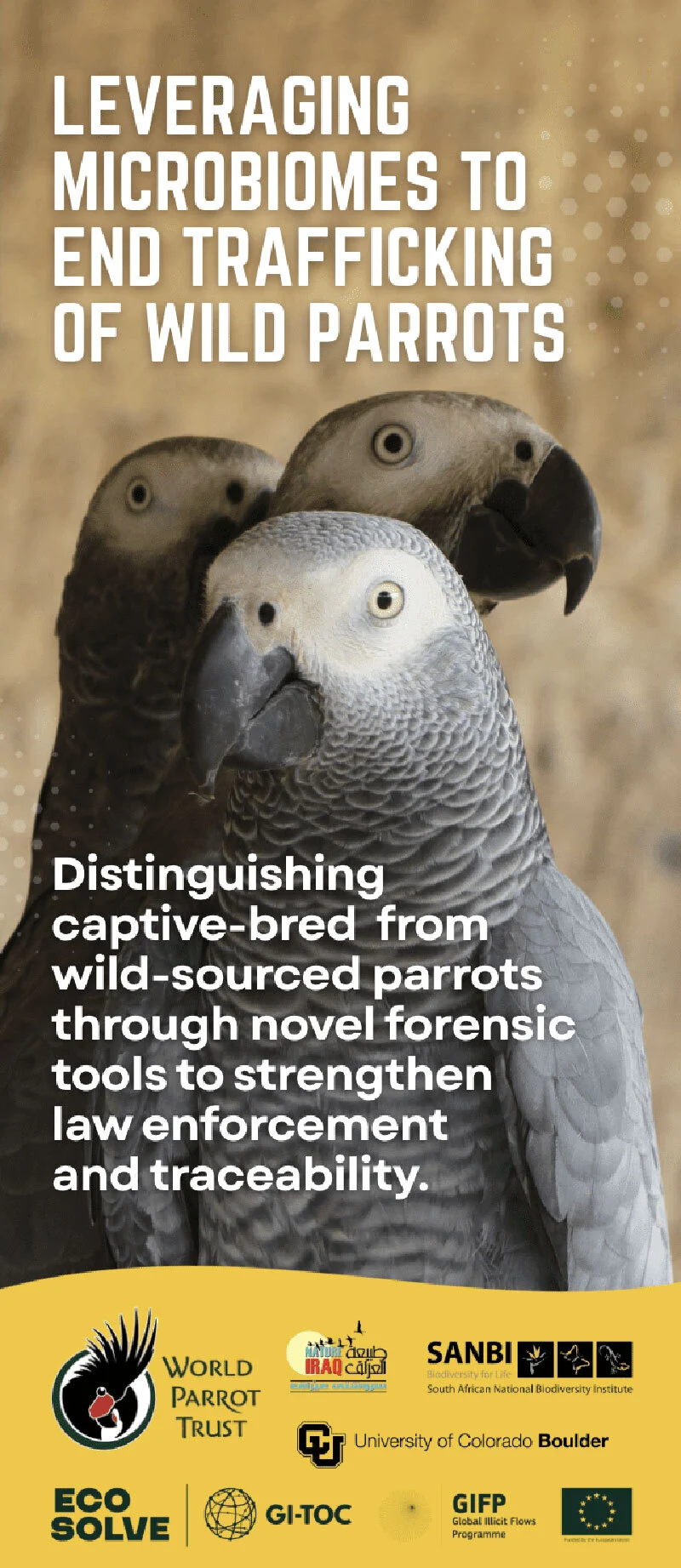
The transformative power of genomics is revolutionizing scientific research and investigative capabilities, offering unprecedented insights into the natural world and providing critical tools to combat illicit activities. Advances in DNA sequencing technology have propelled scientists beyond simply mapping individual genes to charting entire genomes – the comprehensive genetic blueprint of an organism. This leap forward has unlocked the potential for sophisticated new methodologies, enabling the precise identification of species and even individual organisms. Furthermore, the burgeoning field of metagenomics allows for the simultaneous analysis of genetic material from entire communities of organisms, offering a holistic view of complex ecosystems and their inhabitants.
This cutting-edge genomic science is proving to be a pivotal asset in the global effort to protect endangered species, particularly in the relentless battle against the illegal wildlife trade. Forensic scientists are harnessing the power of genomics to develop innovative tools that can definitively distinguish between wild-sourced and captive-bred animals. A prime example of this application lies in the profiling of gut microbiomes. By analyzing the unique microbial communities residing within an animal’s digestive tract, researchers can generate a genetic fingerprint that serves as a reliable indicator of its origin. This capability is paramount in addressing a pervasive issue where unscrupulous wildlife traffickers exploit legal trade channels by misrepresenting wild-caught animals as captive-bred.
The sheer scale of the international parrot trade underscores the urgency and significance of these genomic advancements. Each year, millions of parrots are bred and traded across borders, inadvertently or intentionally creating avenues for wild birds to be laundered into legitimate supply chains. This complex web of legal commerce presents formidable challenges for regulatory bodies tasked with safeguarding vulnerable wild parrot populations from the devastating impact of illegal capture. Metagenomics offers a powerful solution by enabling the meticulous monitoring of these legal supply chains, thereby preventing their exploitation for illicit purposes. Moreover, it equips investigators with robust tools to dismantle sophisticated trafficking networks and bring perpetrators to justice.
A Closer Look at the African Grey Parrot Crisis
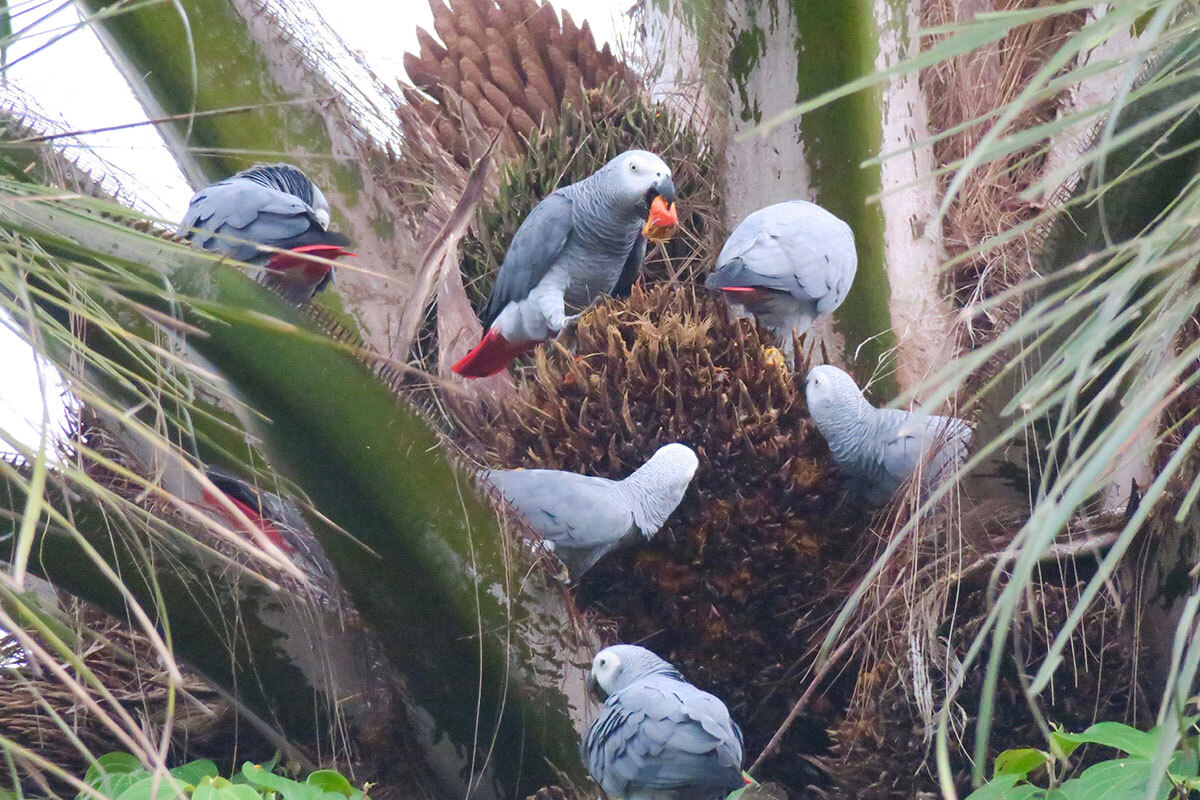
The African grey parrot (Psittacus erithacus) stands as a poignant illustration of the challenges faced by conservationists and the potential of genomic solutions. Renowned for their remarkable intelligence and vocal abilities, these birds have long been highly sought after in the international pet trade. However, this demand has fueled an unsustainable level of exploitation, pushing wild populations towards endangerment. International trade regulations, such as those under the Convention on International Trade in Endangered Species of Wild Fauna and Flora (CITES), aim to control and monitor the trade of such species.
The CITES Appendix I listing for the African grey parrot, implemented in 2016, signifies that international commercial trade in wild-caught specimens is prohibited. This measure was a direct response to the alarming decline in wild populations due to overexploitation. Despite these stringent protections, the illegal trade persists. Reports indicate that since 2020, an estimated 46,000 African grey parrots have been exported from South Africa, purportedly as "captive-bred." This figure, if accurate, represents a significant volume of trade that, if not meticulously verified, could be masking the laundering of wild-caught birds.
The ability to analyze the genetic makeup of these parrots, including their gut microbiomes, provides a scientific basis for challenging such claims. A wild-caught parrot will harbor a distinct microbiome profile shaped by its natural diet and environment, differing significantly from that of a parrot raised in captivity. Forensic analysis can compare the microbiome of an exported parrot against established databases of wild and captive populations, offering compelling evidence to support or refute claims of captive breeding. This forensic approach is not merely an academic pursuit; it is a vital tool for law enforcement and conservation agencies working to uphold international agreements and protect biodiversity.
The Evolution of DNA Sequencing: From Laboratories to the Field
Historically, DNA sequencing technologies were confined to specialized laboratories, with bulky equipment often requiring substantial infrastructure. Traditional DNA sequencers, for instance, could be as large as a refrigerator. However, the rapid pace of technological innovation is rapidly democratizing access to this powerful science. The future promises a paradigm shift with the development of portable sequencing devices, some no larger than a USB flash drive. This miniaturization holds the potential to transform the investigative landscape, moving analytical capabilities from centralized labs directly to the point of need.
The implications of such portable technologies are far-reaching:
- On-Site Analysis: Investigators could conduct real-time genetic analysis in the field, whether at a wildlife checkpoint, a port of entry, or even at a suspected poaching site. This immediate feedback loop would significantly expedite investigations and allow for swifter interventions.
- Reduced Costs and Increased Accessibility: Miniaturized sequencers are likely to be more cost-effective than their laboratory counterparts, making advanced genomic analysis accessible to a broader range of organizations, including smaller conservation groups and wildlife enforcement agencies in developing nations.
- Decentralized Data Collection: The ability to collect and analyze genetic data remotely would foster greater collaboration and data sharing among international partners, creating a more comprehensive understanding of wildlife populations and trafficking routes.
- Non-Invasive Sampling: The focus on microbiome profiling exemplifies the trend towards non-invasive sampling techniques. Analyzing fecal samples or even environmental swabs can yield rich genetic information without the need to capture or harm the animals, further enhancing ethical considerations in conservation efforts.
Metagenomics: A Window into Ecosystem Health
Beyond individual species identification, metagenomics offers a profound understanding of ecological interconnectedness. By sequencing the collective genetic material of all organisms within a sample – be it soil, water, or an animal’s gut – researchers can identify the diversity of species present, their relative abundance, and their functional roles within the ecosystem.
In the context of wildlife trafficking, metagenomic analysis of parrots can reveal not only the species of bird but also the presence of other organisms that are indicative of its natural habitat. For example, the presence of specific plant pollens or insect DNA in a parrot’s gut could point to a particular geographic region, further aiding in the verification of its origin. This comprehensive genetic snapshot provides an additional layer of evidence that can be used to corroborate or challenge claims made by traders.
Furthermore, metagenomics can be applied to assess the overall health of wild populations. By understanding the microbial communities associated with healthy wild birds, conservationists can identify deviations that might indicate stress, disease, or exposure to environmental toxins. This proactive approach allows for early intervention and can inform strategies to mitigate threats to wild populations.
The Role of Philanthropy and Partnerships
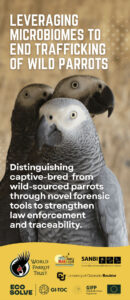
The advancement and application of these sophisticated genomic tools often rely on collaborative efforts and financial support. Philanthropic organizations play a crucial role in funding research, developing new technologies, and supporting the deployment of these tools in the field.
This month’s Lafeber donation, for instance, directly supports the World Parrot Trust’s mission to leverage microbiome profiling as a forensic tool. This partnership highlights the critical intersection of scientific innovation and on-the-ground conservation efforts. By enabling the identification of bird origins through non-invasive sampling, such initiatives are instrumental in curbing the laundering of wild parrots into legal supply chains. Ultimately, this contributes to the vital protection of high-risk species that are most vulnerable to the pressures of illegal trade.
The impact of these efforts extends beyond individual bird rescues. They contribute to the broader goals of biodiversity conservation, ecosystem preservation, and the disruption of criminal enterprises that profit from the exploitation of wildlife. As genomic technologies continue to evolve, their integration into conservation and law enforcement strategies will undoubtedly become increasingly indispensable in safeguarding the planet’s natural heritage for future generations. The journey from understanding DNA to harnessing the full potential of genomics is ongoing, promising ever more powerful tools in the ongoing struggle to protect our planet’s precious biodiversity.
