
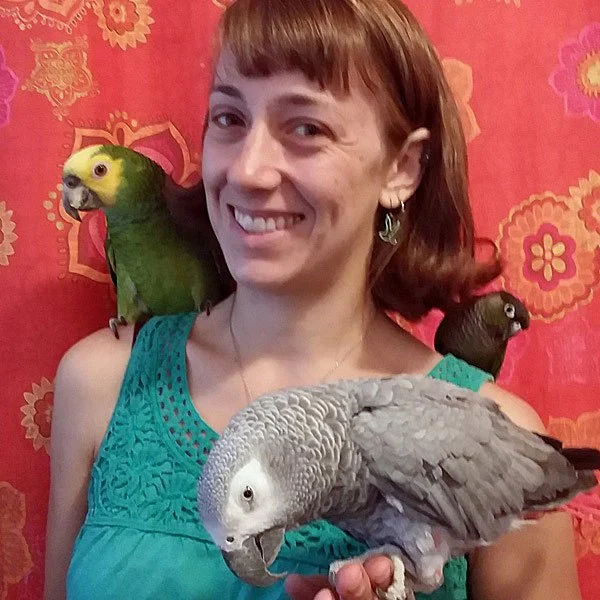
The veterinary community and bird enthusiasts are set to convene virtually on Friday, May 8th, 2026, for the concluding segment of a pivotal two-part webinar series focusing on avian neoplasia. Hosted by Dr. Stephanie Lamb, this session, titled "Avian Vet Insider — Avian Neoplasia, Part 2," promises to delve deeper into the complexities of cancer in birds, building upon the foundational knowledge established in the initial installment. The webinar is scheduled to commence at 12:00 p.m. Pacific Standard Time, with participants advised to utilize a provided time zone converter to verify their local start time, underscoring the global reach and accessibility of this educational initiative.
Unpacking the Nuances of Avian Cancer
This forthcoming webinar represents a critical opportunity for veterinarians, avian specialists, and dedicated bird owners to gain a more comprehensive understanding of neoplastic disorders affecting avian species. Dr. Stephanie Lamb, a recognized authority in avian medicine, will guide attendees through the diverse spectrum of cancers that can impact birds, a topic of growing concern within the pet bird community. The first part of the series, which has already laid essential groundwork, focused on common presentations such as skin cancers and tumors of the reproductive tract. This second part is designed to broaden the scope, examining neoplastic conditions affecting other vital organ systems, most notably the gastrointestinal tract.
The significance of this educational outreach cannot be overstated. While the diagnosis of cancer in any animal can be emotionally challenging for owners, informed awareness and a deeper understanding of diagnostic and therapeutic options are paramount for effective management. By exploring a wider array of affected systems, Dr. Lamb aims to equip her audience with the knowledge necessary to identify potential issues earlier, facilitate more informed discussions with veterinary professionals, and ultimately improve the quality of life and prognosis for avian companions.
Background and Context of the Webinar Series
The "Avian Vet Insider" webinar series, produced by Lafeber Company, a long-standing leader in avian nutrition and health, has established itself as a valuable resource for the veterinary community and bird owners seeking cutting-edge information. These sessions are typically designed to address specific, often complex, health concerns within the avian population, providing practical insights and expert guidance.
The decision to dedicate two consecutive sessions to avian neoplasia reflects the increasing prevalence and diagnostic challenges associated with these diseases. As avian medicine advances, so does our ability to diagnose and manage conditions that were once considered intractable. This webinar series is a testament to that progress, offering a platform for knowledge dissemination that can translate directly into improved patient care.
The first part of the series, held prior to this concluding session, likely covered an introduction to neoplasia in birds, differentiating between benign and malignant growths, and providing an overview of common types of cancers. Discussions may have included the role of genetics, environmental factors, and viral or bacterial agents in the development of avian cancers. The focus on skin and reproductive tract tumors in the initial segment would have provided a solid foundation for understanding more systemic and internally located neoplastic processes.
Chronology of the Educational Initiative
- Prior to May 8th, 2026: The initial installment of the "Avian Vet Insider — Avian Neoplasia" webinar series is conducted, focusing on skin cancers and reproductive tract tumors. This session serves to introduce the topic and establish a baseline of understanding for attendees.
- May 8th, 2026: The second and concluding part of the webinar series takes place. This session expands the discussion to include neoplastic disorders of other organ systems, particularly the gastrointestinal tract, and offers further insights into diagnosis and management.
- Post-May 8th, 2026: The knowledge gained from both webinars is expected to be applied by veterinary professionals in their daily practice and by bird owners in their proactive care of their pets, potentially leading to earlier detection and more effective treatment strategies.
Expanding the Scope: Gastrointestinal and Other Systemic Neoplasias
While specific details of the gastrointestinal tract focus will be elaborated upon during the webinar, the inclusion of this system is particularly significant. The gastrointestinal tract is a complex network of organs responsible for nutrient absorption and waste elimination. Neoplasms within this system can manifest in a variety of ways, often leading to subtle or non-specific clinical signs in the early stages. These can include changes in appetite, weight loss, altered droppings, vomiting, or lethargy.
Dr. Lamb’s presentation is anticipated to cover common types of gastrointestinal cancers in birds, such as adenocarcinomas and lymphomas, and discuss the diagnostic modalities used to identify them. This may involve advanced imaging techniques like radiography and ultrasonography, as well as biopsy and histopathology. The webinar will likely also touch upon less common but equally important avian cancers that affect organs like the liver, kidneys, spleen, and lungs, providing a holistic view of oncological challenges in avian patients.
Supporting Data and Emerging Trends in Avian Oncology
The field of avian oncology has seen significant advancements in recent years, mirroring progress in small animal and human oncology. While precise epidemiological data on avian neoplasia can be challenging to compile due to the diverse range of species and the often-private nature of pet ownership, anecdotal evidence and veterinary case reports suggest an increasing incidence of cancer in pet birds. This trend can be attributed to several factors:

- Increased Lifespans: As avian medicine and husbandry improve, pet birds are living longer, healthier lives. This increased lifespan naturally elevates the risk of age-related diseases, including cancer. For example, a well-cared-for African Grey Parrot or Amazon Parrot can live for 50-80 years or more, providing ample time for neoplastic processes to develop.
- Improved Diagnostic Capabilities: Veterinary diagnostics have become more sophisticated. Advanced imaging, laboratory testing, and access to board-certified veterinary pathologists specializing in avian diseases enable earlier and more accurate diagnoses of tumors.
- Genetic Predispositions: Certain breeds or species of birds may have genetic predispositions to specific types of cancer. Ongoing research aims to identify these predispositions, which could lead to targeted screening and preventative measures.
- Environmental Factors and Diet: While research is ongoing, environmental toxins, chronic inflammation, and certain dietary components are being investigated for their potential role in avian cancer development.
Data from veterinary teaching hospitals and avian specialty practices, while not always publicly aggregated into large-scale epidemiological studies, consistently highlight the significance of neoplasia as a cause of morbidity and mortality in pet birds. Studies published in journals such as the Journal of Avian Medicine and Surgery often feature case series and reviews detailing the types, locations, and outcomes of avian tumors. For instance, a retrospective study might reveal that hemangiosarcomas, lymphomas, and squamous cell carcinomas are among the more frequently diagnosed malignancies across various pet bird species.
Analysis of Implications: Proactive Care and Veterinary Collaboration
The implications of a deeper understanding of avian neoplasia are far-reaching. For bird owners, this knowledge empowers them to be more vigilant observers of their pets’ health. Recognizing subtle changes in behavior, appetite, or physical appearance can be crucial for early detection. This webinar series, by demystifying avian cancers, aims to reduce the fear and uncertainty often associated with such diagnoses.
For practicing veterinarians, particularly those who may not specialize exclusively in avian medicine, this webinar offers an invaluable opportunity to enhance their diagnostic and therapeutic skills. The ability to accurately diagnose and manage avian cancers requires specialized knowledge and access to appropriate resources. Dr. Lamb’s expertise is expected to provide practical, actionable information that can be directly applied in clinical settings.
Furthermore, the webinar underscores the importance of a collaborative approach to avian health. Early diagnosis often relies on the keen observation of owners, who then bring their concerns to their veterinarian. The veterinarian, in turn, may consult with avian specialists or pathologists for definitive diagnosis and treatment planning. This interconnectedness is vital for optimizing outcomes in avian oncology.
Official Responses and Community Engagement
While specific "official responses" in the traditional sense are not applicable to an educational webinar, the initiative itself represents a proactive response from Lafeber Company and Dr. Stephanie Lamb to address a significant need within the avian health community. The scheduling of a second part to the series indicates a recognition of the complexity and breadth of the topic, as well as a commitment to providing thorough coverage.
The engagement of the veterinary community and bird enthusiasts is expected to be high. The format of a live webinar allows for direct interaction, with opportunities for participants to ask questions and engage with Dr. Lamb. This interactive element is crucial for fostering a deeper understanding and for addressing specific concerns that attendees may have. Social media platforms and professional veterinary forums are likely to buzz with discussions surrounding the webinar’s content, both before and after the event, further disseminating knowledge and best practices.
Broader Impact and Future Directions
The "Avian Vet Insider — Avian Neoplasia, Part 2" webinar is more than just an educational event; it is a contributor to the ongoing advancement of avian medicine. By shedding light on complex oncological issues, it encourages further research into the causes, prevention, and treatment of cancer in birds.
The information shared is expected to influence:
- Diagnostic Protocols: Veterinarians may refine their diagnostic approaches for birds presenting with vague clinical signs.
- Treatment Strategies: The webinar could highlight emerging or underutilized treatment modalities, such as chemotherapy, radiation therapy (where applicable), or advanced surgical techniques.
- Owner Education: Bird owners will be better equipped to advocate for their pets’ health, leading to more informed decisions regarding diagnostics and treatments.
- Research Focus: Increased awareness may spur greater interest and funding for research into avian cancer genetics, environmental risk factors, and novel therapeutic agents.
In conclusion, the upcoming webinar on avian neoplasia is poised to be a landmark event for the avian veterinary community. It represents a commitment to enhancing the understanding and management of a critical health concern, ultimately benefiting the well-being of countless pet birds worldwide. The comprehensive coverage promised by Dr. Stephanie Lamb, focusing on a wide range of neoplastic disorders, will undoubtedly serve as a vital resource for those dedicated to the health and longevity of their avian companions.
