

The Himalayan Kingdom of Bhutan, known in the native Dzongkha language as Druk Yul, recently served as the backdrop for an extensive biological survey and ornithological expedition. Traversing the country from the eastern plains of India to the high-altitude passes of the west, a team of researchers and observers documented a staggering array of wildlife, underscoring Bhutan’s status as one of the world’s most significant biodiversity hotspots. The expedition recorded 351 species of birds and 19 species of mammals, a remarkable density of life for a nation comparable in geographic size to Belgium or the U.S. state of Maryland.
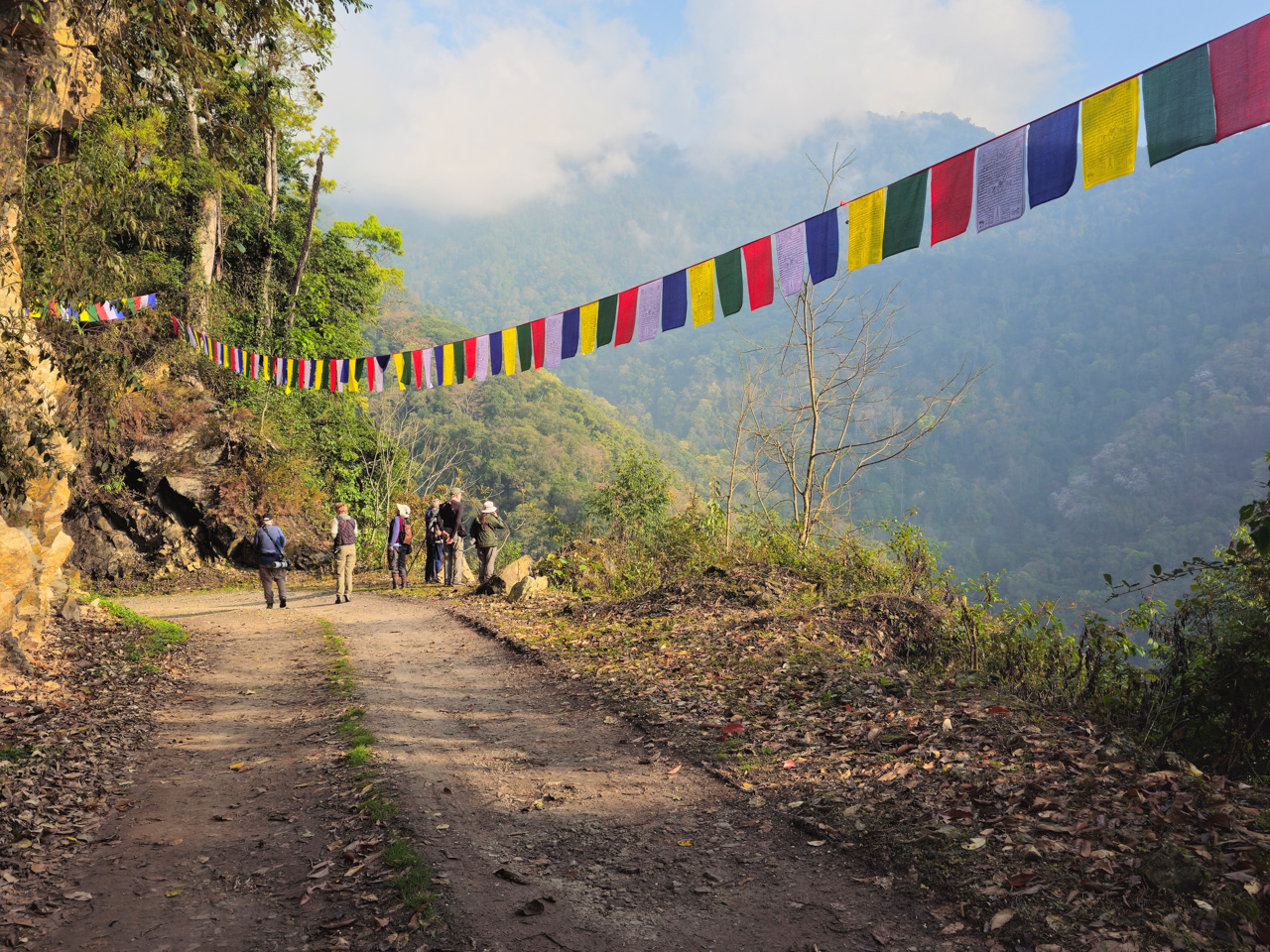
Bhutan occupies a unique position in the global ecological landscape. With nearly 71 percent of its land covered by forest and a constitutional mandate to maintain at least 60 percent forest cover for all time, the kingdom remains a rare example of a largely intact ecosystem. This recent journey provided a comprehensive look at the country’s varied habitats, ranging from the subtropical Assamese plains to the alpine meadows of the high Himalayas.
The Ecological Corridor: From the Brahmaputra to the Border
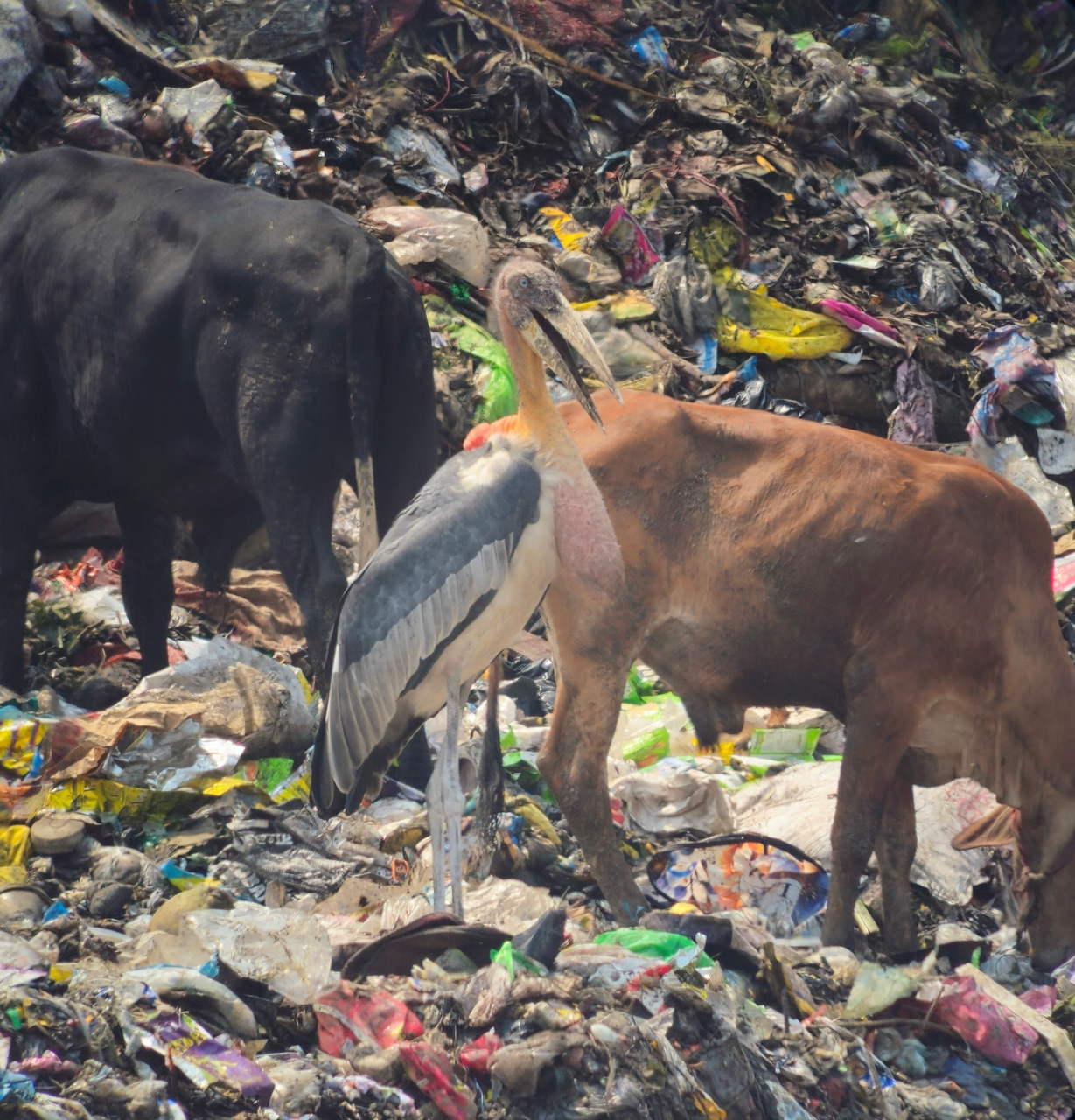
The expedition began in Delhi, India, before transiting to Guwahati in the northeastern state of Assam. This region serves as a critical gateway to the eastern Himalayas. Before entering Bhutan, the team conducted observations at the Guwahati waste disposal site, a location that, despite its anthropogenic nature, supports one of the world’s largest remaining populations of the Greater Adjutant. This critically endangered stork, characterized by its massive bill and pendulous neck pouch, is a focal point of conservation efforts in the region.
Upon crossing the border at Samdrup Jongkhar, the transition in habitat was immediate. The lowland forests of southeastern Bhutan provide a refuge for species whose distributions barely touch the kingdom’s borders. Early observations included the Asian Barred Owlet and the subcontinent-endemic Yellow-footed Green-pigeon. However, it was the rare sightings of the Dark-rumped Swift and Blyth’s Kingfisher that highlighted the importance of these border-zone habitats.

The Lingmethang Road and Mid-Elevation Biodiversity
A significant portion of the expedition’s data collection occurred along the Lingmethang Road, a 55-kilometer stretch of highway that is widely regarded by ornithologists as one of the premier birding locations in Asia. This route traverses Phrumsengla National Park, descending through unbroken forests from elevations of over 3,000 meters down to 600 meters.
Despite unseasonably cold weather and late-season snow, the team documented several "East Himalayan specials." Among the most notable was the Beautiful Nuthatch, a species often elusive due to its preference for high-canopy broadleaved forests. The team recorded two separate pairs, providing valuable data on their distribution within the park.
Other significant sightings in this corridor included:
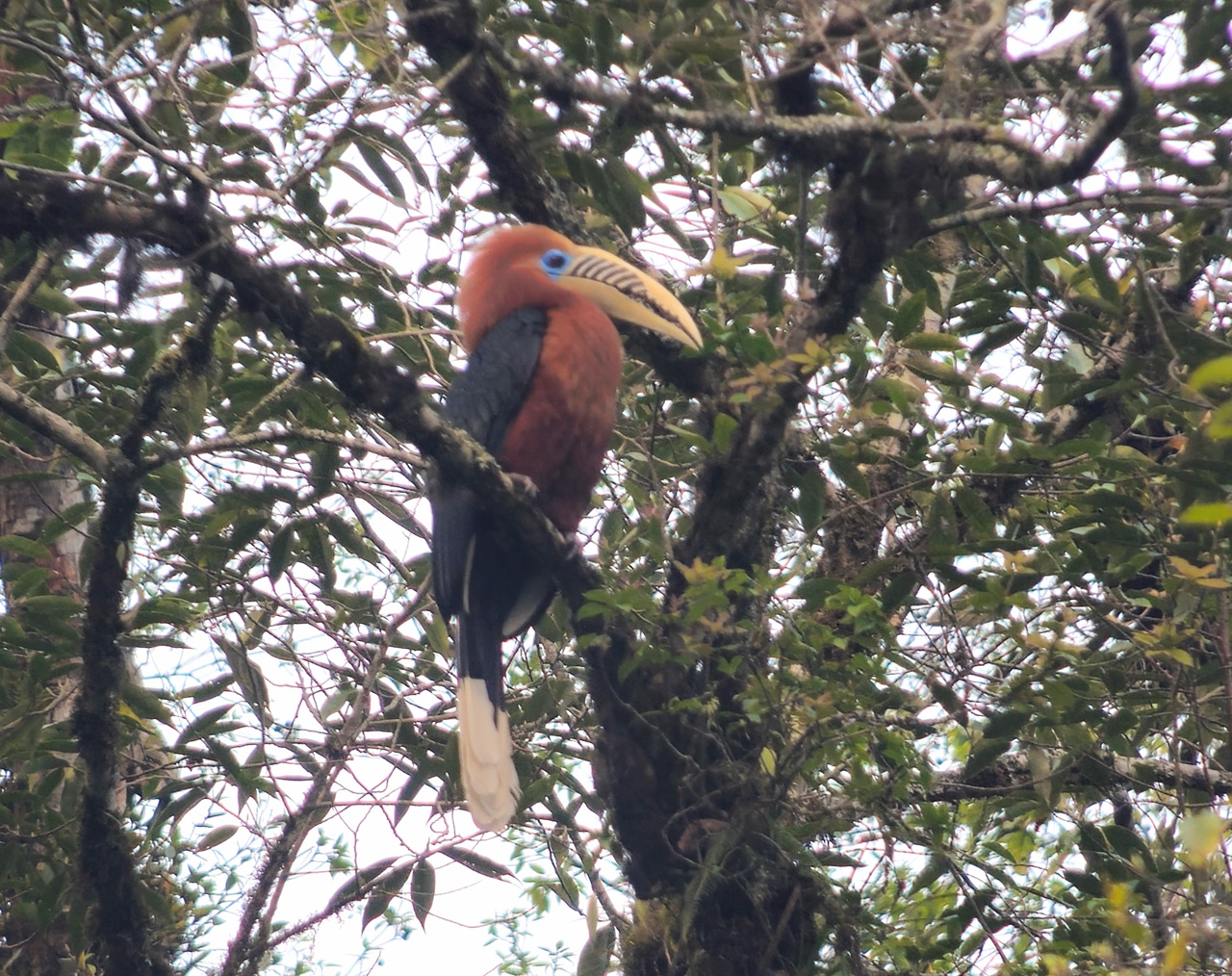
- Rufous-necked Hornbill: Listed as Vulnerable by the IUCN, this species depends on large, primary forest tracts for nesting.
- Ward’s Trogon: A spectacular and hued bird that is a hallmark of the region’s moss-draped temperate forests.
- Himalayan Cutia: A characterful dweller of epiphyte-clad trees, observed in multiple locations along the mid-elevation gradient.
The Lingmethang Road serves as a vital transect for understanding how Himalayan species distribute themselves based on altitude. The presence of specialized bamboo dwellers, such as the White-breasted and Black-throated Parrotbills, indicates a healthy understory ecosystem, which is often the first to disappear in more disturbed regional forests.
High-Altitude Challenges and Conservation Successes
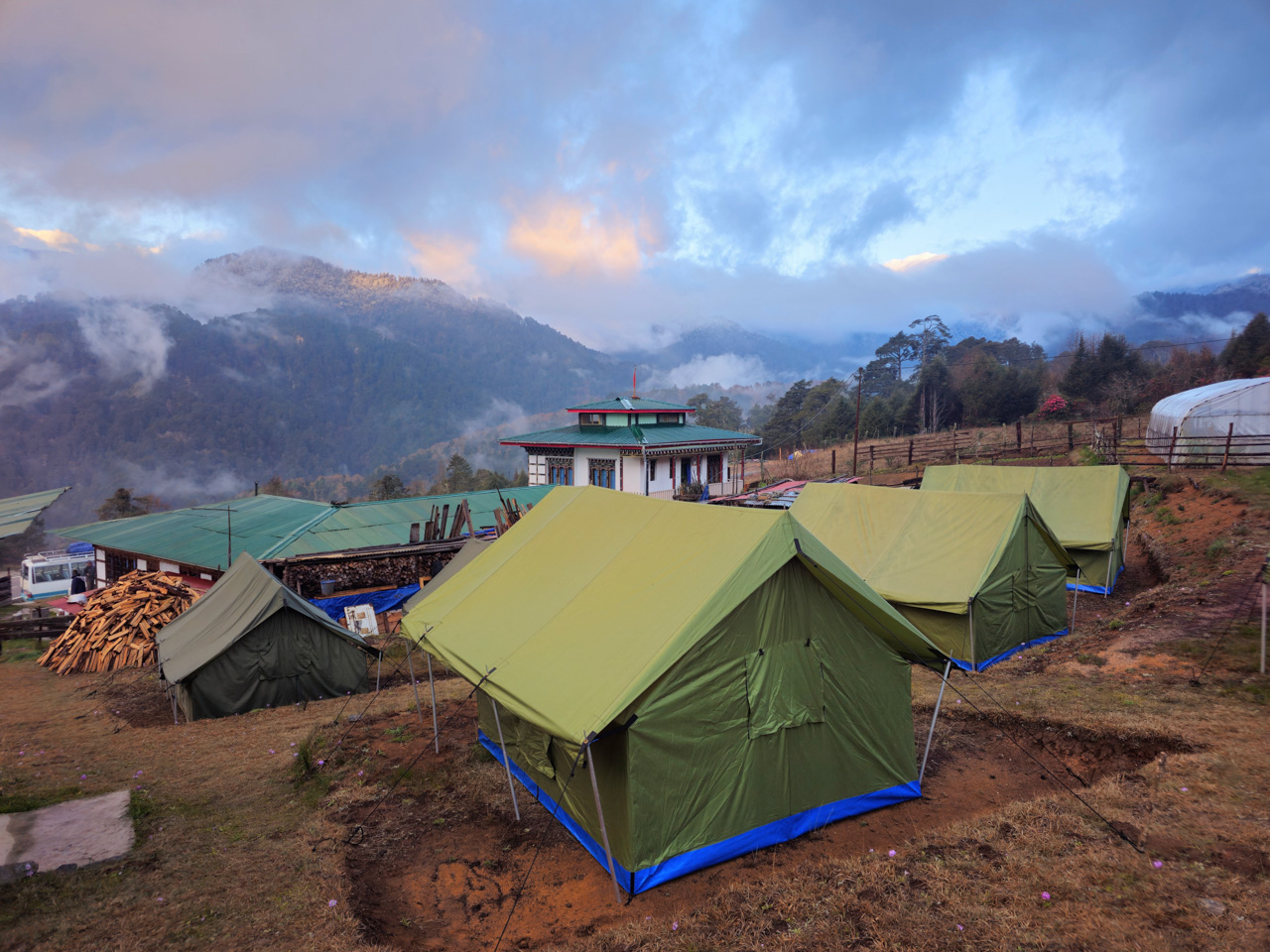
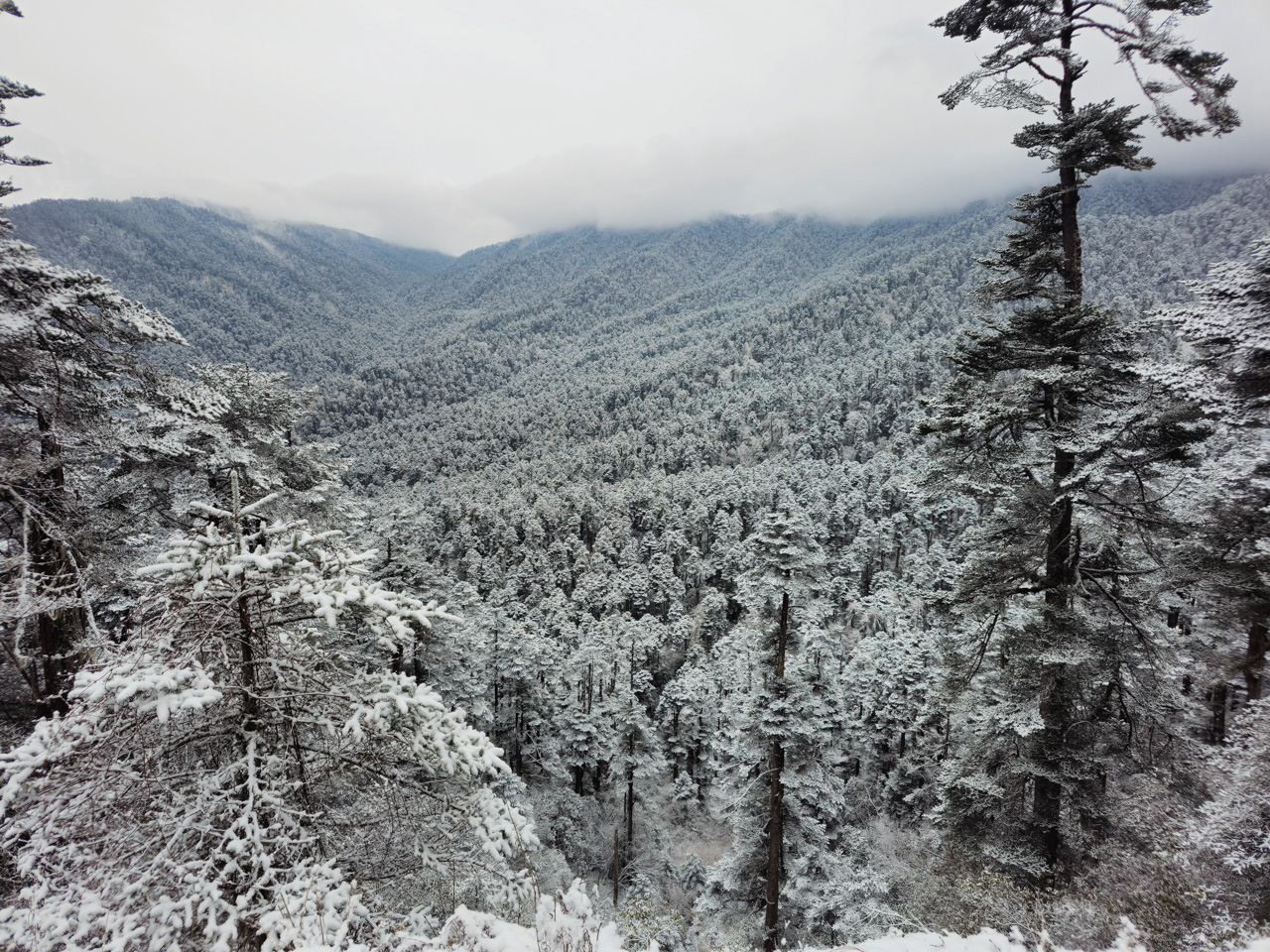
As the expedition moved toward the central and western highlands, the impact of the Himalayan climate became more pronounced. At the Thrumshing La pass, which nears 3,800 meters, the team encountered fresh tracks of the Red Panda. While the animals remained hidden in the dense hemlock forest, the presence of tracks alongside sightings of Blood Pheasants against the snow highlighted the resilience of high-altitude fauna.
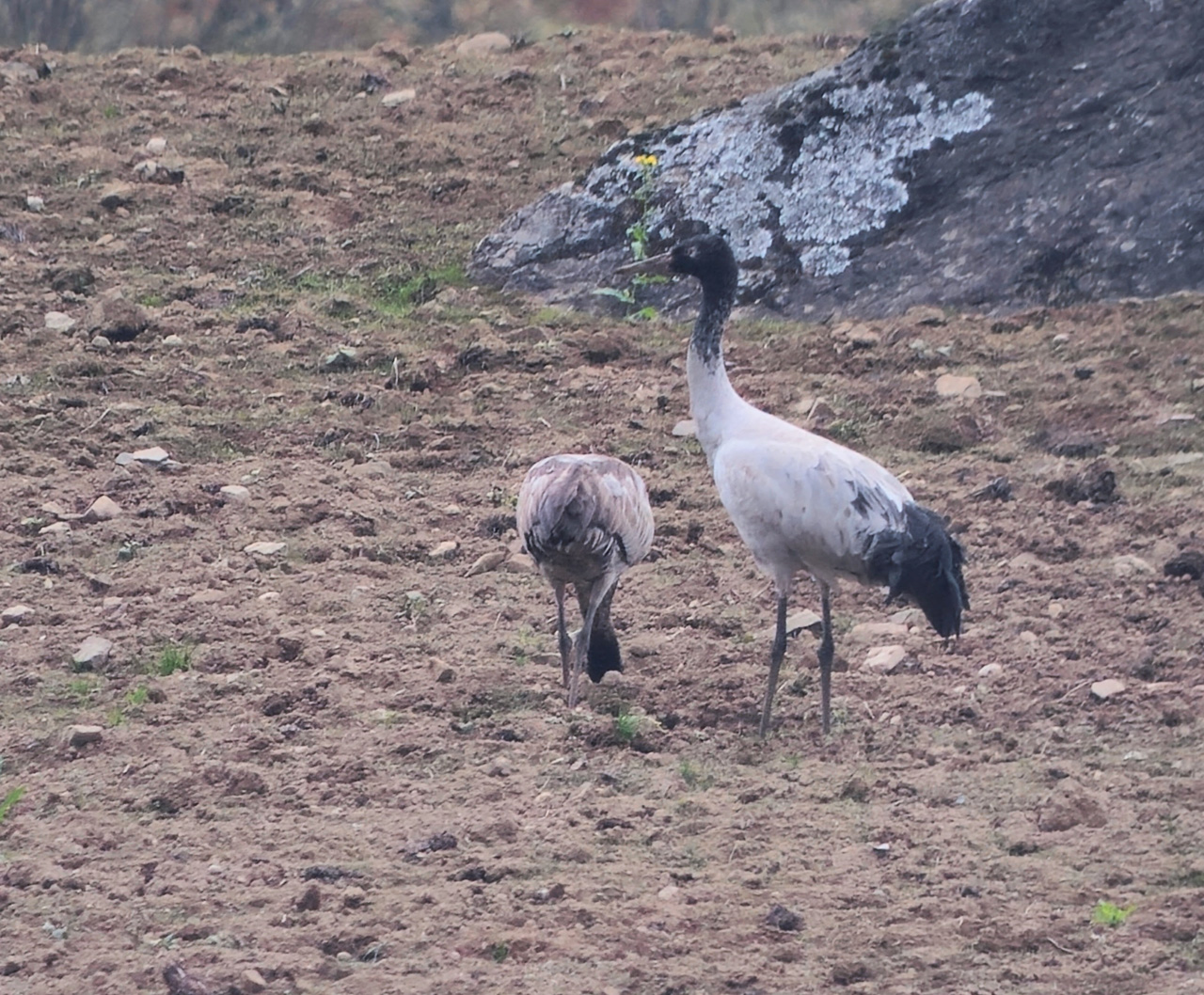
In the Phobjikha Valley, a wide glacial basin, the team observed a lingering pair of Black-necked Cranes—an adult and its offspring. These birds are sacred in Bhutanese culture and are the focus of significant conservation investment. Most cranes migrate to the Tibetan Plateau by early spring; the late presence of this pair provided a rare opportunity for extended observation in their wintering grounds.
The White-bellied Heron: A Critical Encounter
One of the most scientifically significant moments of the journey occurred near Tingtibi, within the Royal Manas National Park. The team secured a clear sighting of the White-bellied Heron along the Mangde Chhu river.
The White-bellied Heron is among the rarest birds on Earth, with a global population estimated at fewer than 60 individuals. Bhutan is perhaps the species’ last true stronghold, yet even here, it faces threats from hydropower development and habitat fragmentation. This sighting confirms the continued presence of the heron in the Royal Manas basin, a critical data point for the Royal Society for the Protection of Nature (RSPN) in Bhutan.
Anthropogenic Influence and Surprise Migrants
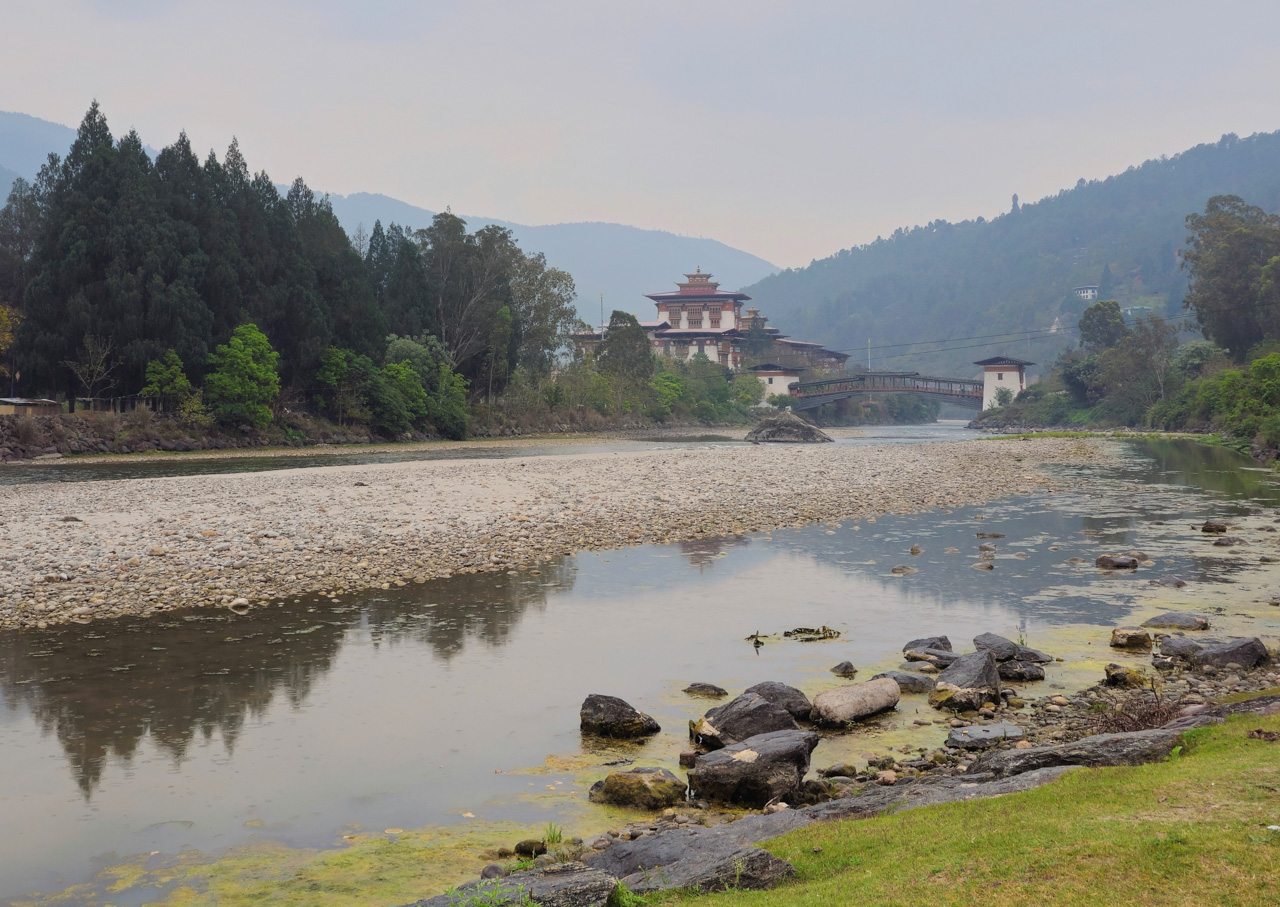
While much of Bhutan is pristine, the expedition also examined "human-influenced" landscapes. In the Punakha and Paro valleys, agricultural fields and riverbanks provide different niches. At the Puna Tsang Chhu, a major river system, the team documented an unusual influx of passage migrants, likely forced down by inclement weather in the higher passes.
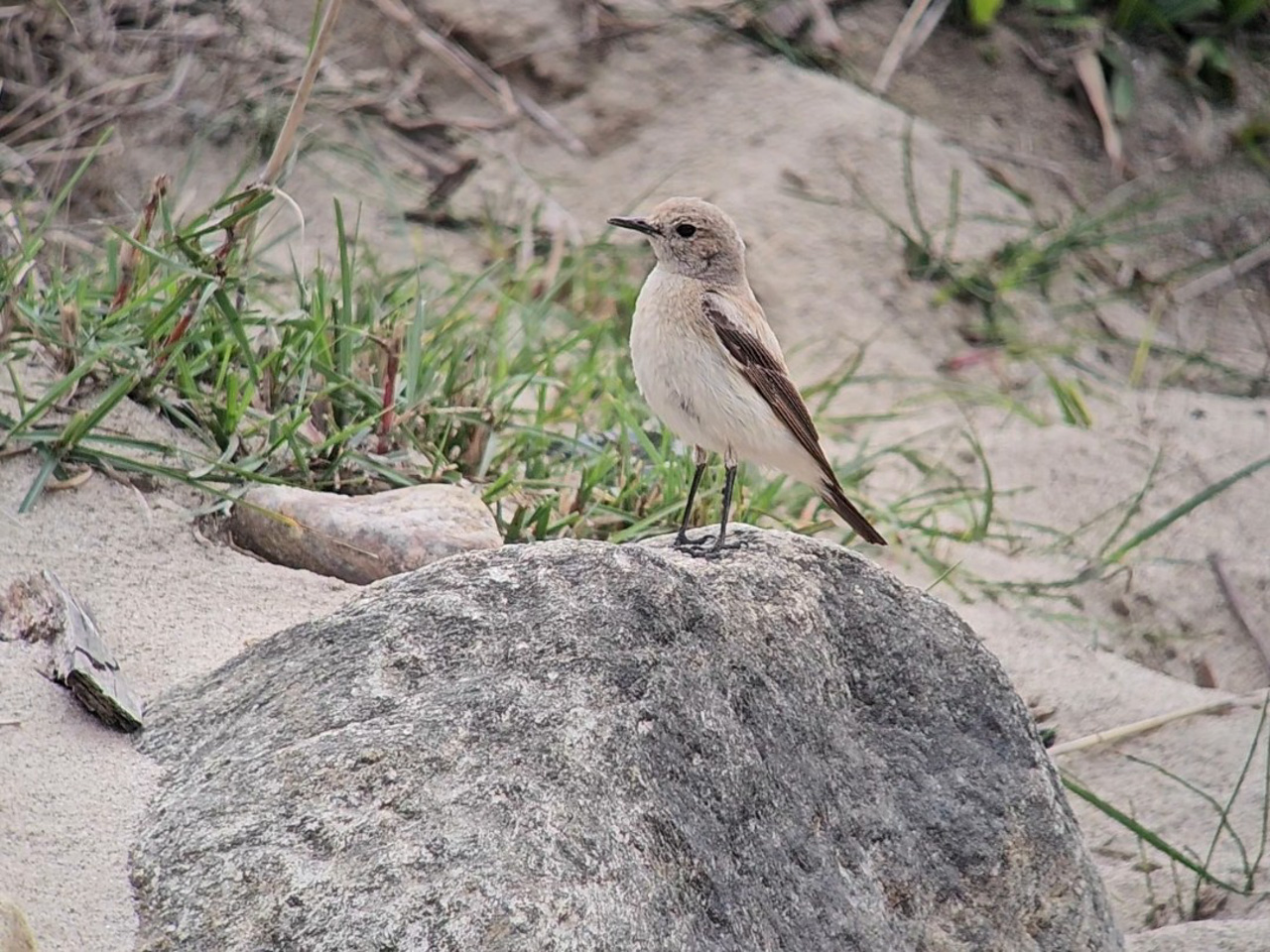
The highlight of this segment was the discovery of a Desert Wheatear, representing what is believed to be only the fourth record of the species in Bhutanese history. Other recorded migrants included:
- Pallas’s Gull: Large, striking gulls transiting toward northern breeding grounds.
- Tibetan Sandplover and Kentish Plover: Shorebirds utilizing the river’s shingle banks.
- Falcated Duck: A rare visitor to the Himalayan river systems.
These findings suggest that Bhutan’s river valleys are more important as migratory flyways than previously documented, serving as essential stopover points for birds crossing the Himalayan barrier.
Cultural Integration and Habitat Protection
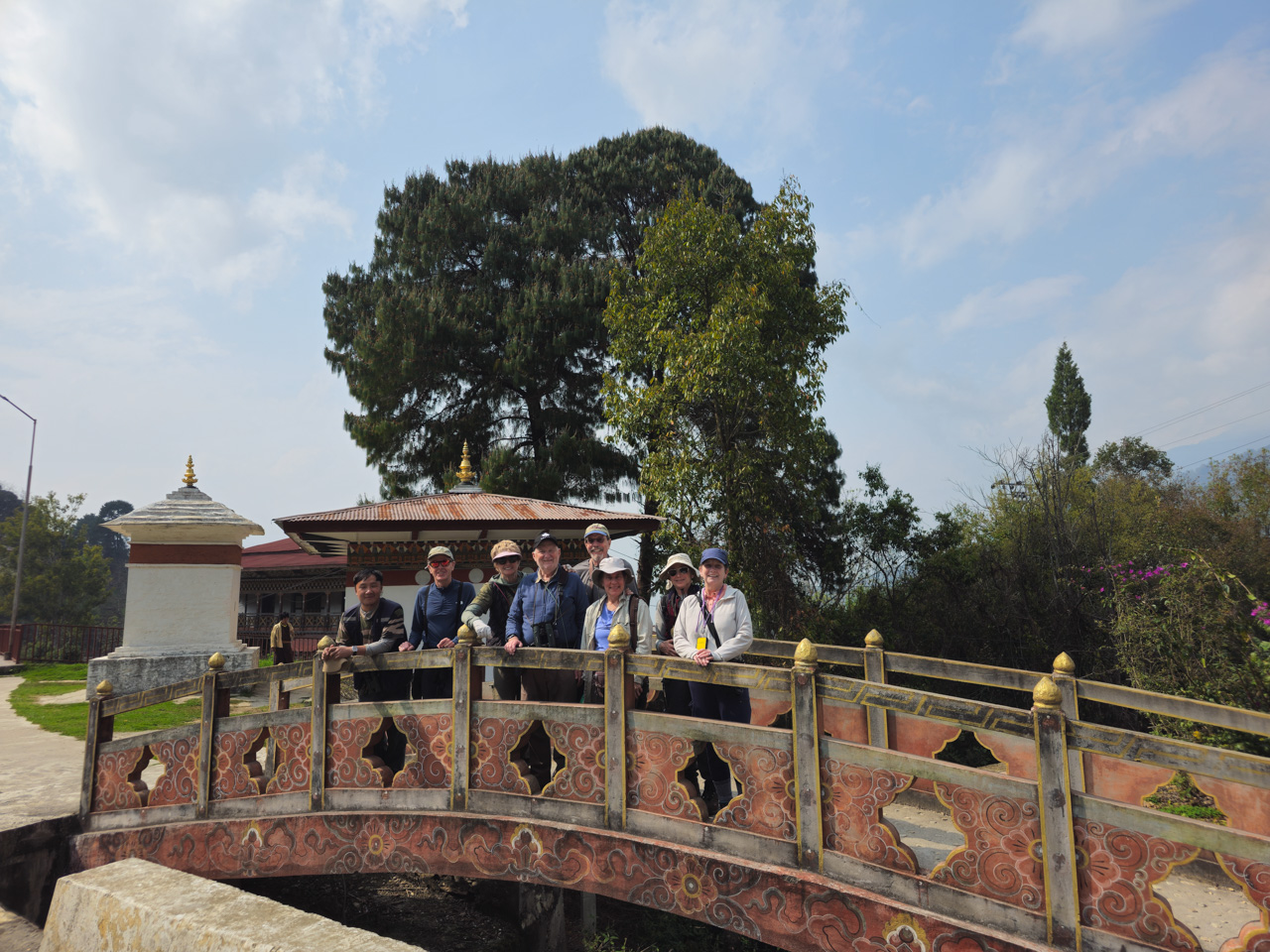
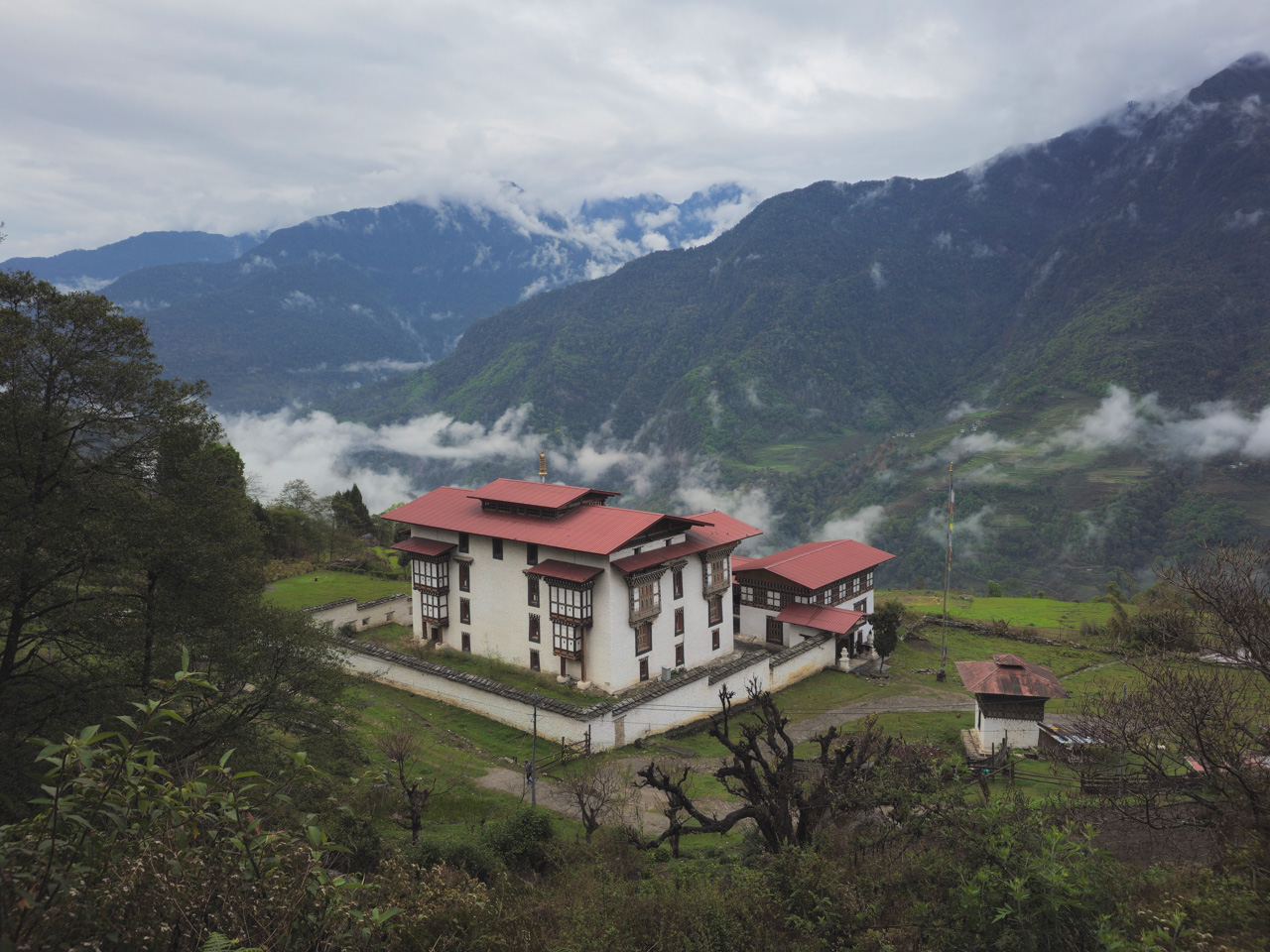
The expedition was not merely a biological survey but also an exploration of the "human element" that makes Bhutan’s conservation model successful. The team visited several historical and religious sites, including the Punakha Dzong and the Chagri Dorjeden Monastery.

The integration of Buddhism and environmentalism in Bhutan—where many forests are protected as "sacred groves"—has direct benefits for wildlife. In the Cheri Valley, for instance, the team observed Himalayan Brown Gorals (a type of goat-antelope) that showed little fear of humans, a direct result of the prohibition of hunting and the proximity to monastic sanctuaries.
The final days of the tour at Chele La, the highest motorable pass in Bhutan at nearly 4,000 meters, provided a summary of the country’s pheasant diversity. In a single morning, the team observed four species: the Satyr Tragopan, Himalayan Monal, Blood Pheasant, and Kalij Pheasant. The Himalayan Monal, with its iridescent plumage, is often cited as a barometer for the health of the alpine ecosystem.
Summary of Findings and Broader Implications
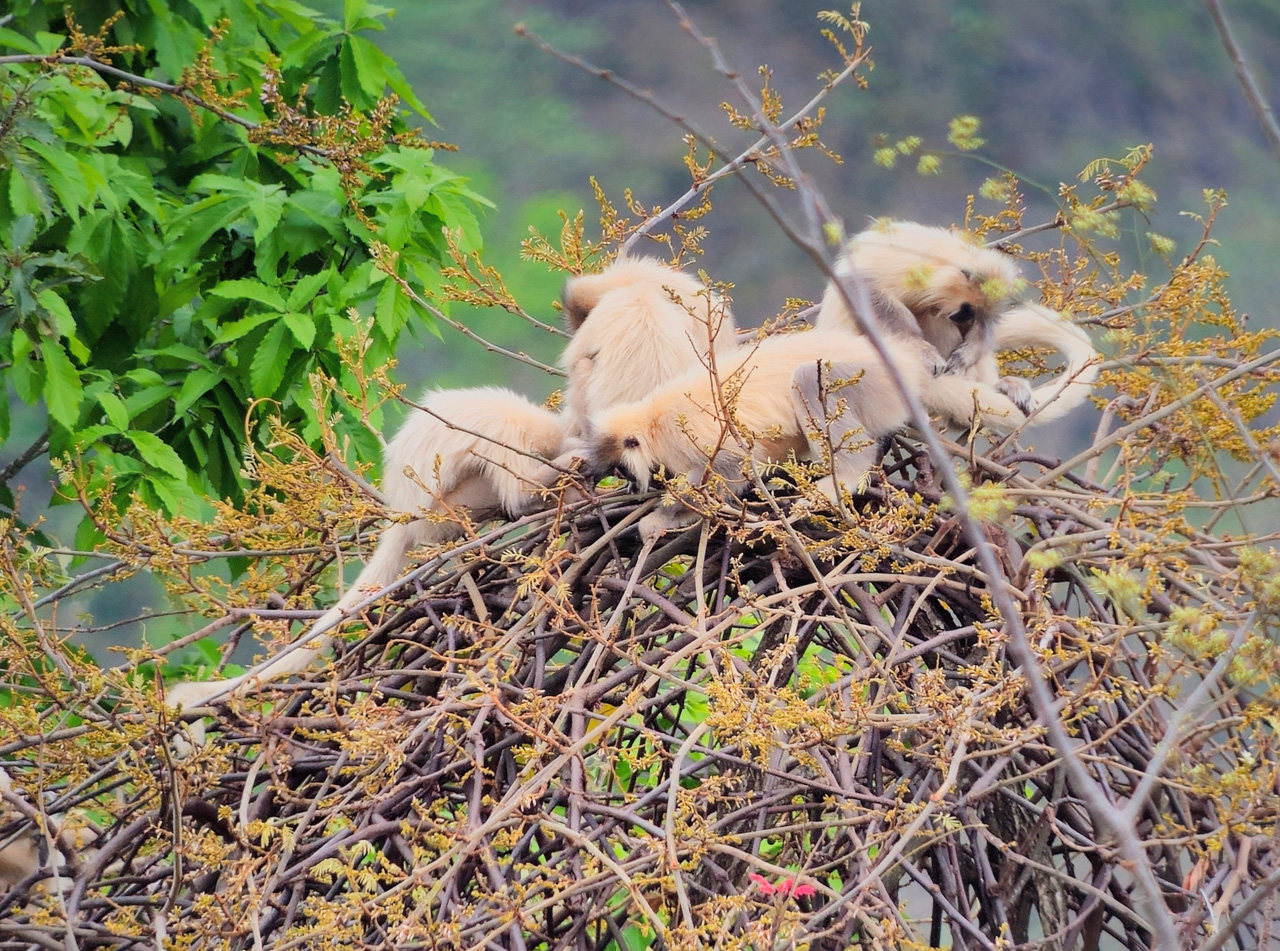
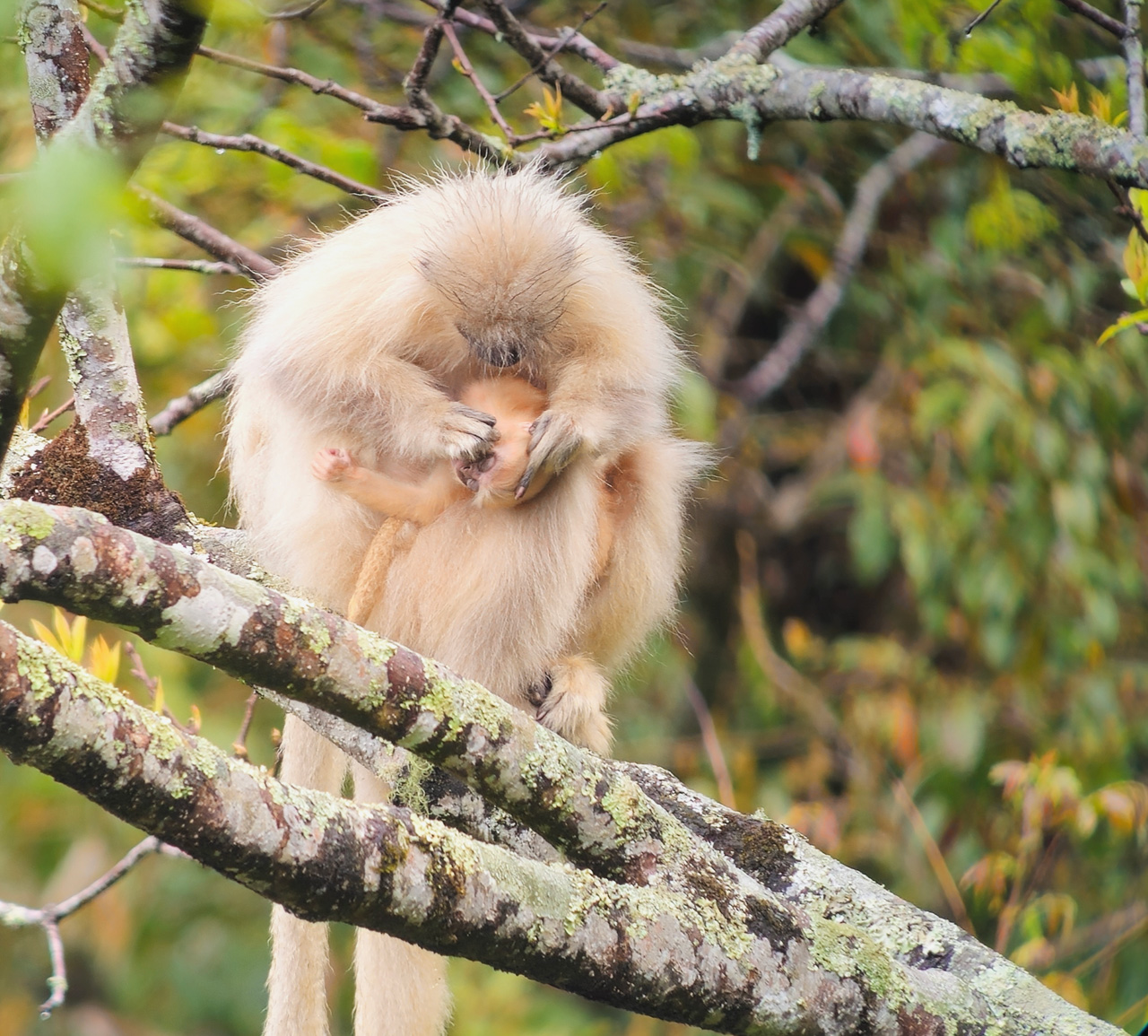
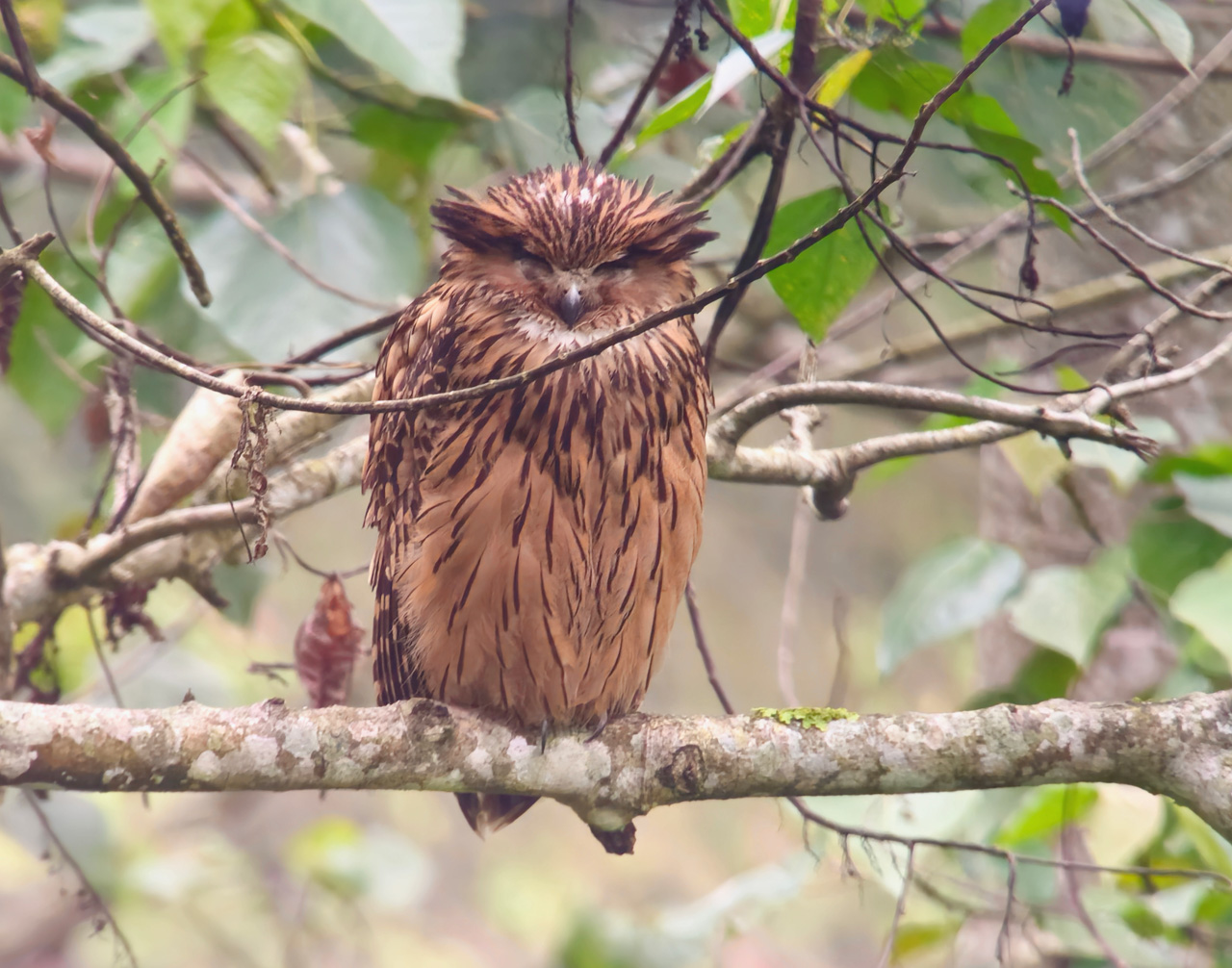
The expedition concluded in Paro with a total count of 351 bird species and 19 mammals, including the range-restricted Golden Langur and the Bhutan Giant Flying Squirrel.
Data Overview
- Total Bird Species: 351
- Total Mammal Species: 19
- Key Conservation Targets Sighted: White-bellied Heron, Rufous-necked Hornbill, Greater Adjutant, Black-necked Crane.
- Geographic Scope: Southeast to Northwest Bhutan, covering altitudes from 150m to 4,000m.
Analysis of Implications
The results of this expedition reinforce the theory that Bhutan’s "High Value, Low Volume" tourism and development model is effectively preserving its natural heritage. However, the presence of ongoing roadworks and infrastructure development noted by the team in areas like Morong and Yongkola suggests a delicate balance must be maintained.
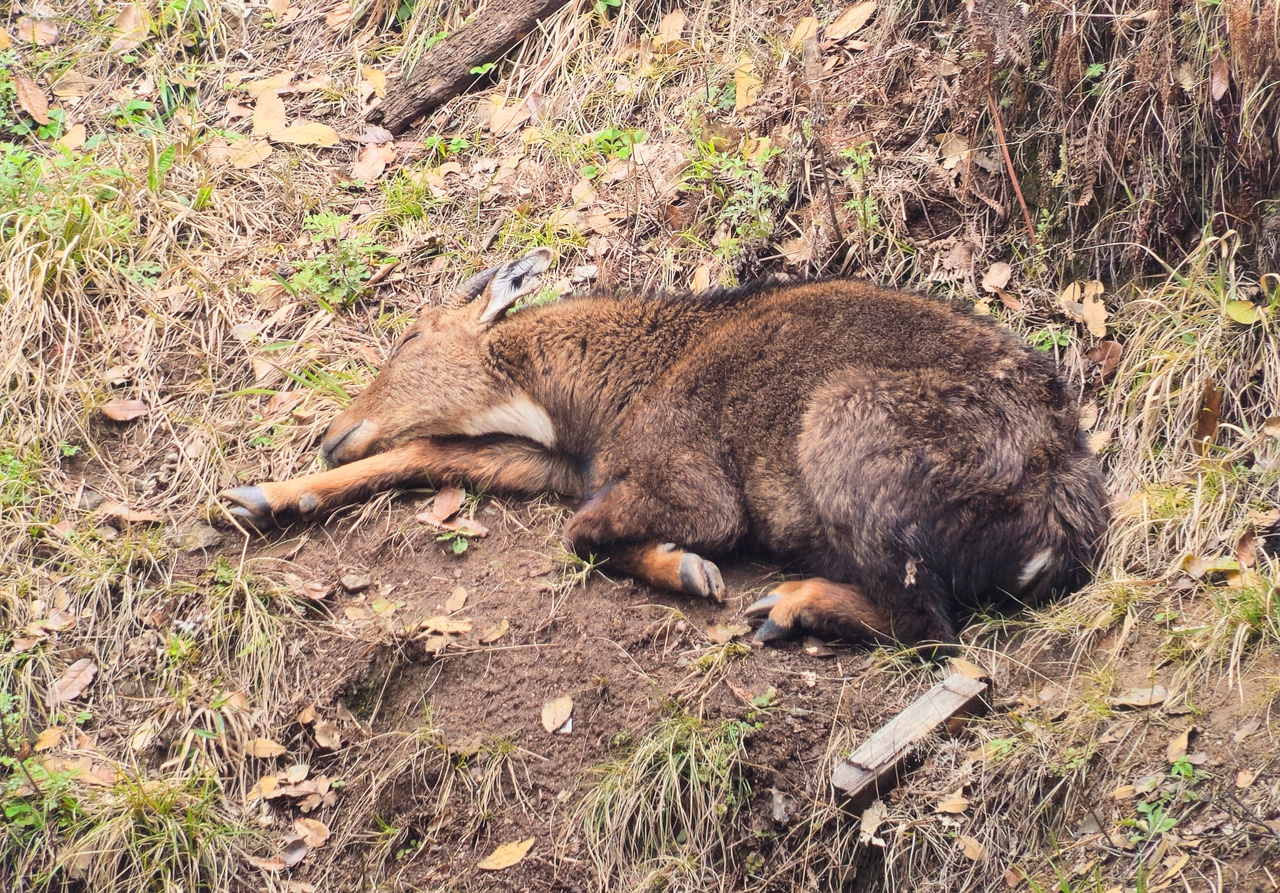
The recording of rare passage migrants like the Desert Wheatear and the healthy populations of vulnerable species like the Rufous-necked Hornbill indicate that Bhutan remains a vital "refugia" for Asian biodiversity. As climate change shifts Himalayan vegetation zones upward, the north-south corridors preserved in Bhutan’s national park system will be essential for the survival of these species.
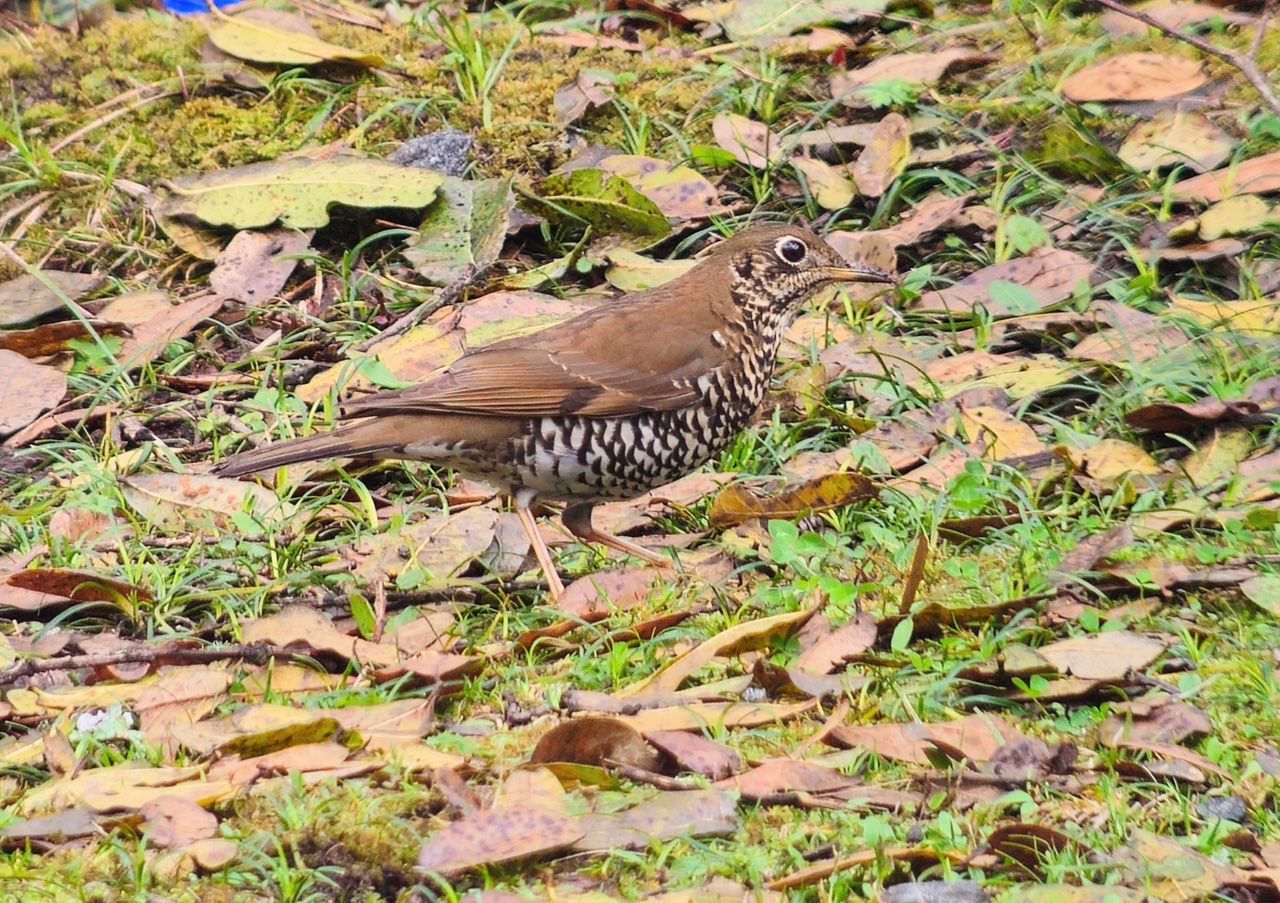
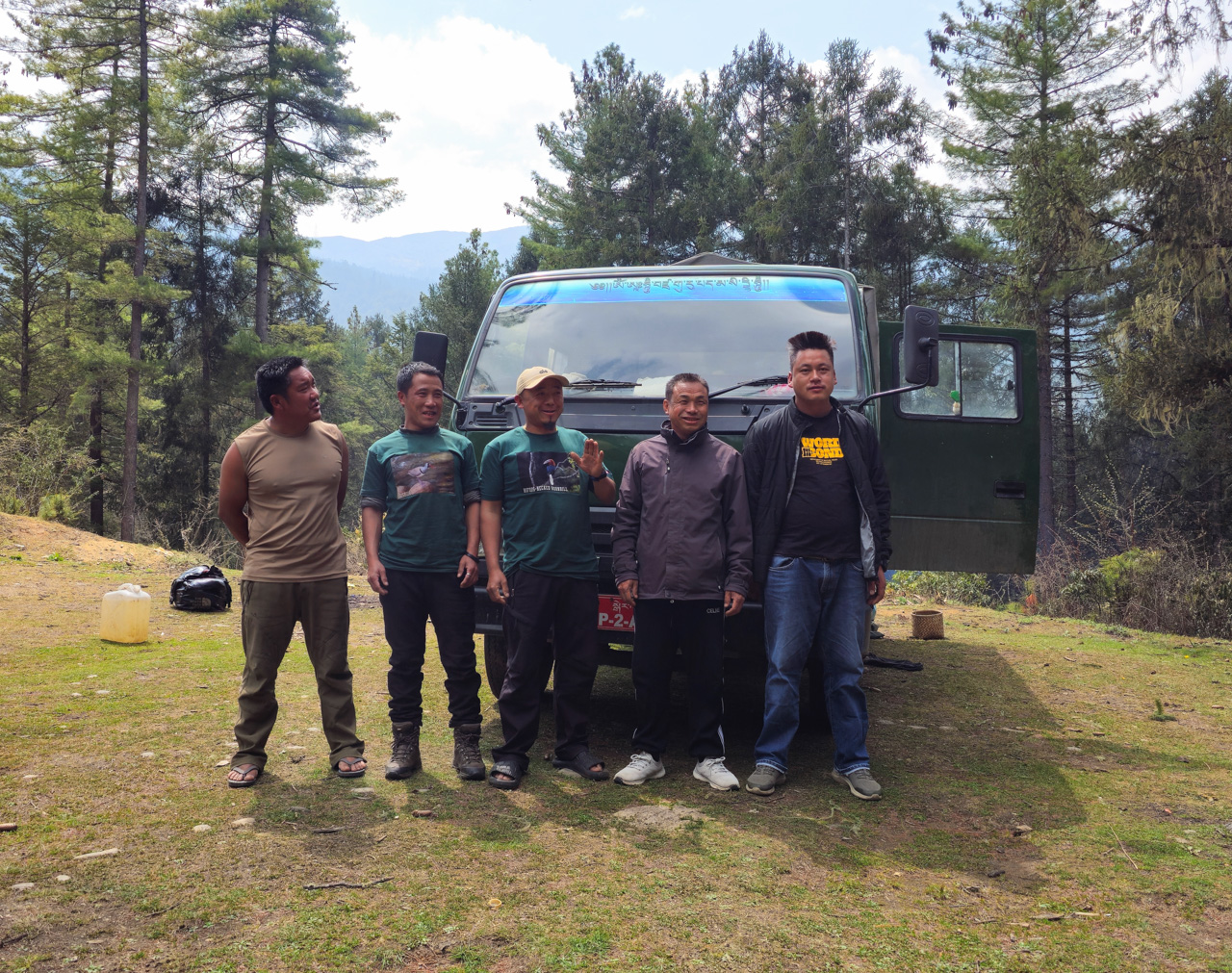
Furthermore, the success of the expedition was attributed to the local expertise of the Bhutanese crew—guides, drivers, and camp staff—whose knowledge of the terrain and species is a critical component of the country’s conservation infrastructure. For the international community, Bhutan continues to serve as a living laboratory for how a nation can modernize while keeping two-thirds of its ecosystem entirely intact.
