
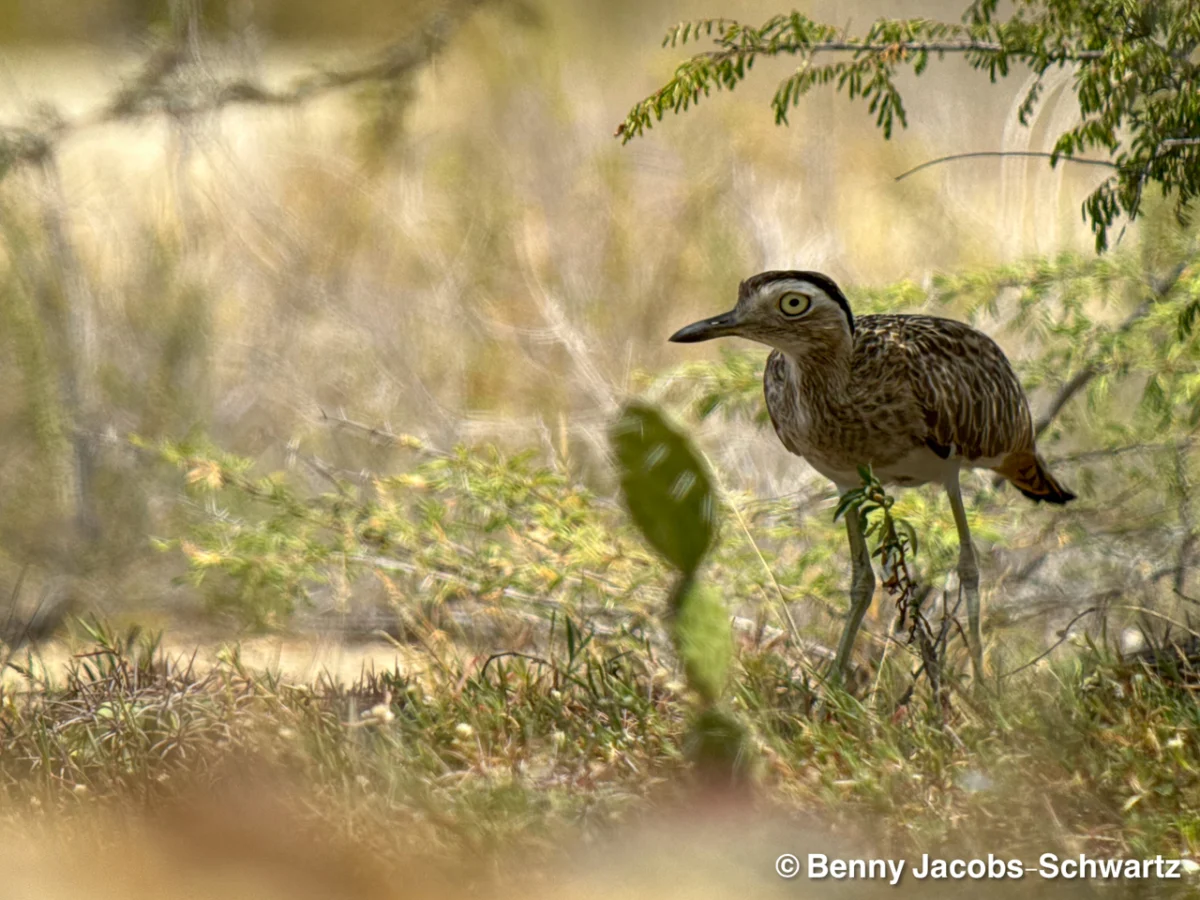
Colombia continues to solidify its reputation as the premier destination for global ornithological research and ecotourism, boasting the highest number of bird species of any country on Earth. A recently concluded eight-day expedition, spanning from March 28 to April 4, provided a comprehensive survey of the unique ecosystems within the Department of Magdalena and the Guajira Peninsula. This region is of particular interest to conservationists and biologists due to the presence of the Sierra Nevada de Santa Marta, the world’s highest coastal mountain range. Isolated from the main Andean chain, this "ecological island" has fostered the evolution of dozens of endemic species, making it a critical focus for international biodiversity monitoring.
The expedition, which tracked species across altitudes ranging from sea level to the high-elevation ridges of the San Lorenzo, successfully documented a vast array of avian life, including twenty distinct endemic species and several critically endangered taxa. The findings highlight the ecological health of the region’s transitional forests and the importance of protected areas such as the Isla de Salamanca National Natural Park and the Los Flamencos Sanctuary.
Phase I: The Caribbean Lowlands and Mangrove Ecosystems
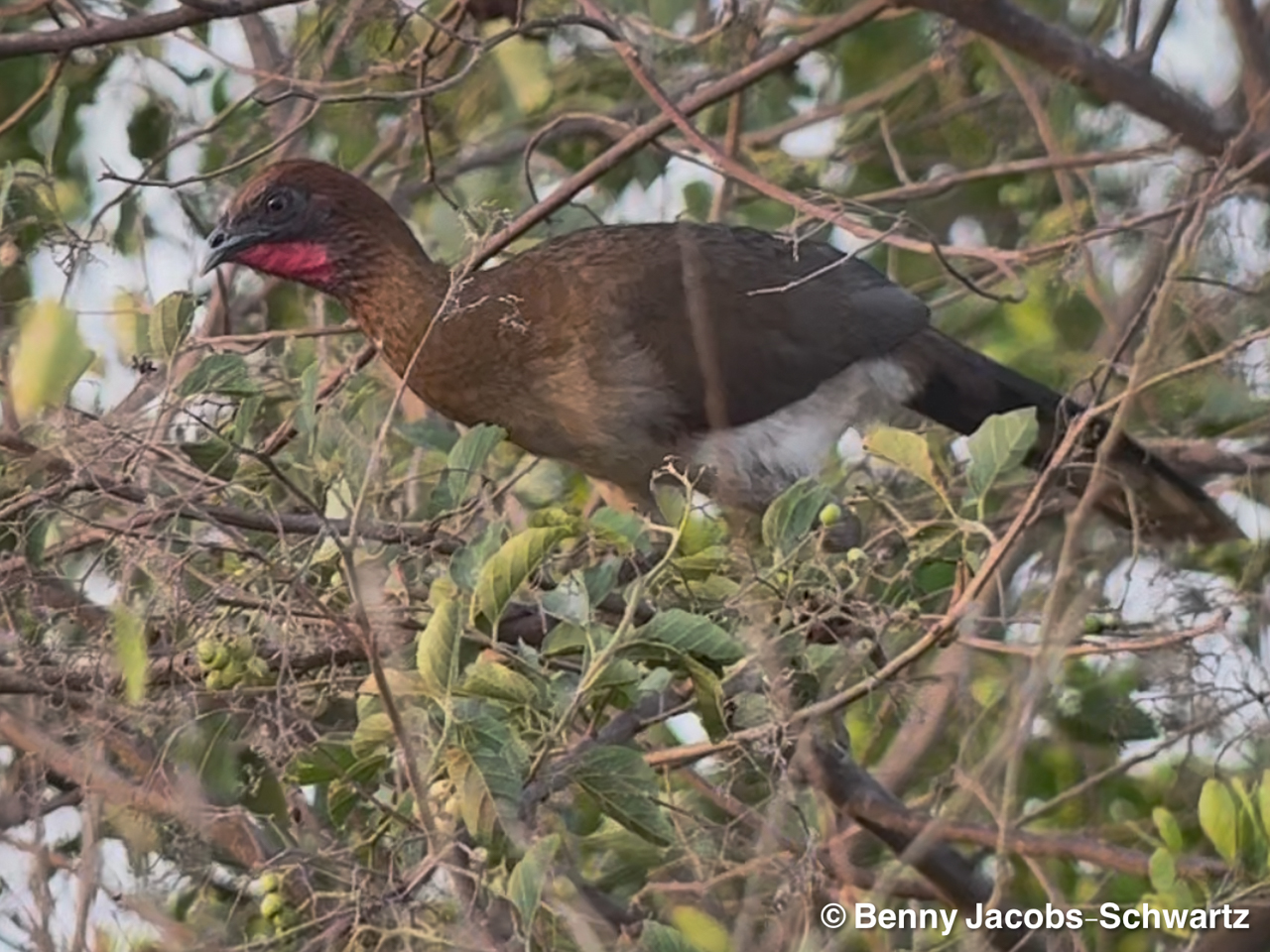
The survey commenced in Barranquilla on March 28, serving as the logistical base for the expedition’s initial foray into the coastal wetlands of the Magdalena River delta. On March 29, the research team focused on "KM 4," a strategic location characterized by a mosaic of open habitats, dry tropical forests, and seasonal wetlands. The productivity of this site was immediately evident; the team recorded 64 species within a 90-minute window. Key observations included the Northern Screamer (Chauna chavaria), a species restricted to northern Colombia and northwestern Venezuela, and the Chestnut-winged Chachalaca (Ortalis garrula), a regional endemic.
As the team moved toward Isla de Salamanca, the habitat transitioned into dense mangrove forests. This area is a vital corridor for migratory birds and a stronghold for specialized residents. The most significant sighting was the Sapphire-bellied Hummingbird (Chrysuronia lilliae). Listed as Critically Endangered by the IUCN, this hummingbird is restricted to a narrow strip of mangroves along Colombia’s Caribbean coast. Its presence confirms the continued importance of the Isla de Salamanca as a sanctuary for species facing extreme habitat fragmentation. Other notable species recorded in this brackish environment included the American Pygmy Kingfisher and the Chestnut Piculet.
Phase II: The Sierra Nevada de Santa Marta Ascent
By the evening of March 29, the expedition shifted its focus toward the Santa Marta Mountains, a biosphere reserve of global significance. The Sierra Nevada is unique because it rises from the Caribbean shore to snowy peaks exceeding 5,700 meters in just 42 kilometers. This dramatic altitudinal gradient creates a "staircase" of distinct life zones.
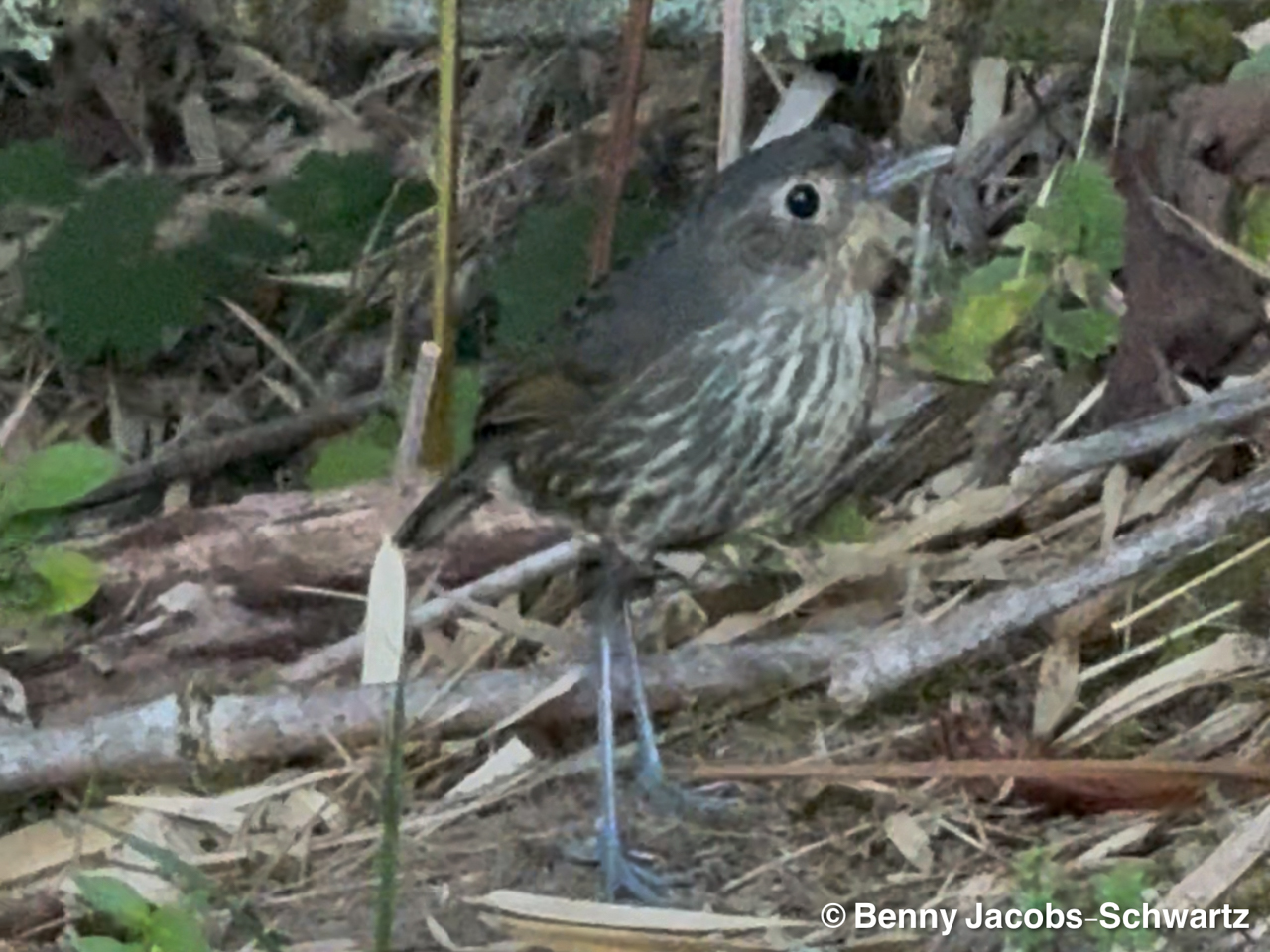
On March 30, the team conducted a pre-dawn survey on the Cuchilla de San Lorenzo, targeting the Santa Marta Screech-Owl (Megascops gilesi). While sightings of this nocturnal raptor are notoriously difficult, the team achieved a successful, albeit brief, visual confirmation. As the sun rose over the San Lorenzo Ridge, the expedition documented a flurry of endemic activity. Among the highlights were the Sierra Nevada Antpitta, the White-tailed Starfrontlet, and the Yellow-crowned Redstart.
The high-altitude forests (roughly 2,000 to 3,000 meters) provided sightings of the Black-cheeked Mountain-Tanager and the Carriker’s Mountain Tanager. These species are highly specialized to the temperate forests of the Santa Marta range and are found nowhere else on the planet. The presence of the Southern Emerald Toucanet and the Masked Trogon further underscored the rich complexity of these cloud forest ecosystems.
Mid-Elevation Dynamics and Raptor Monitoring
On March 31 and April 1, the expedition focused on the mid-elevation "transitional" forests, situated between 1,000 and 2,000 meters. These elevations are often the most threatened by agricultural expansion, yet they remain incredibly biodiverse. At a specialized feeder site, the team observed the Black-fronted Wood-Quail and the Santa Marta Antbird, both of which are shy, ground-dwelling species that serve as indicators of forest floor health.
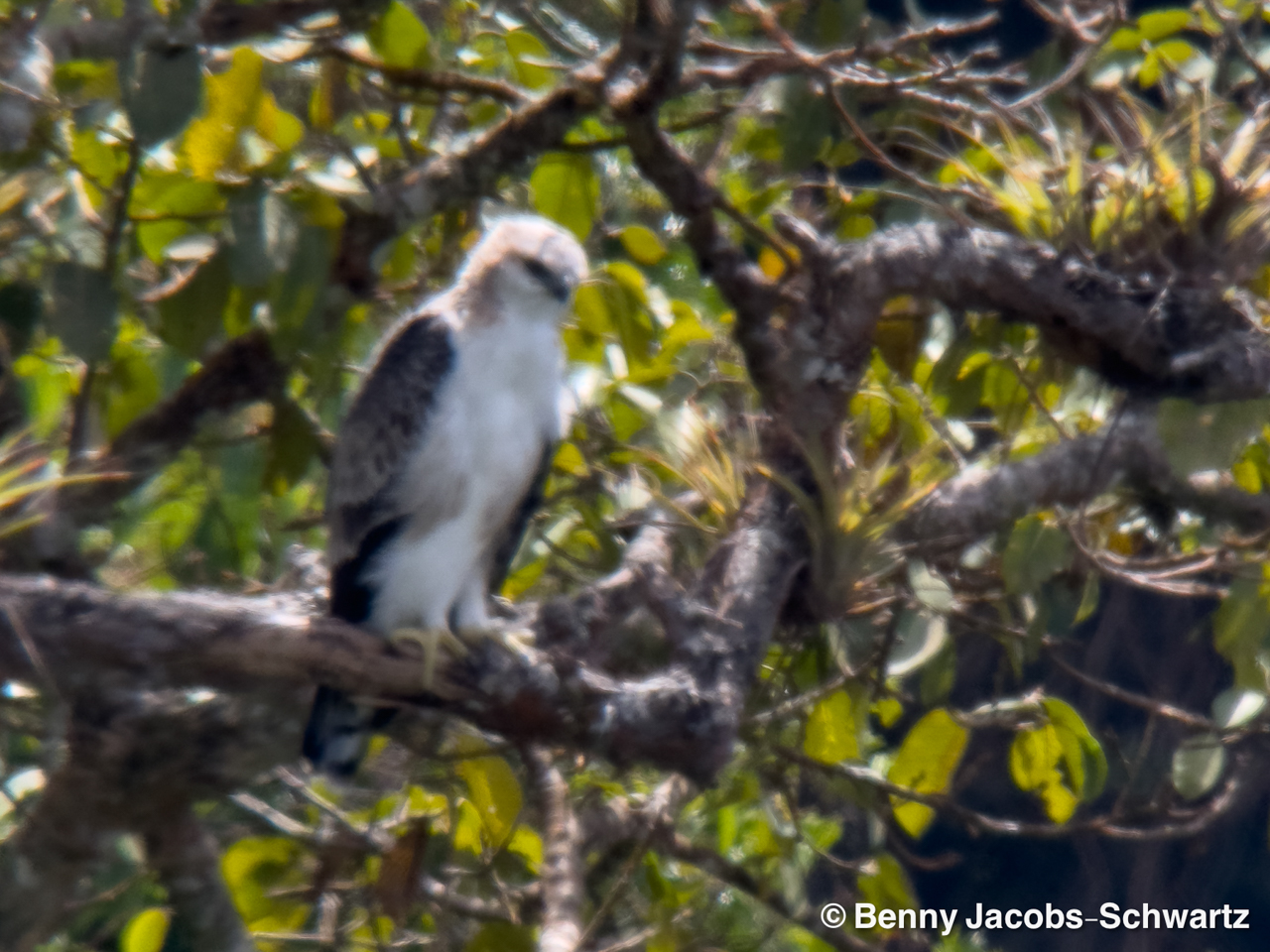
A significant highlight of this phase was the monitoring of a juvenile Black-and-Chestnut Eagle (Spizaetus isidori) at its nest site. The Black-and-Chestnut Eagle is an Endangered raptor with a declining population due to habitat loss and human-wildlife conflict. Observing a juvenile in the Santa Marta range is an encouraging sign of successful breeding in the region, although the absence of the adults during the observation period suggests the birds are ranging widely for prey.
The transition between dry forest and premontane forest on April 1 yielded 48 species in a single afternoon. This included the Whooping Motmot and the Military Macaw (Ara militaris). The Military Macaw is a vulnerable species that relies on large, undisturbed tracts of forest for nesting. The observation of a flyover at sunset indicates that the Santa Marta foothills still provide the necessary connectivity for these large psittacines.
Phase III: The Arid Scrub of La Guajira
The final leg of the tour, beginning April 2, saw a dramatic shift in geography as the team traveled east into the La Guajira department. This region is characterized by arid scrubland and hyper-saline lagoons, a stark contrast to the humid cloud forests of the previous days.
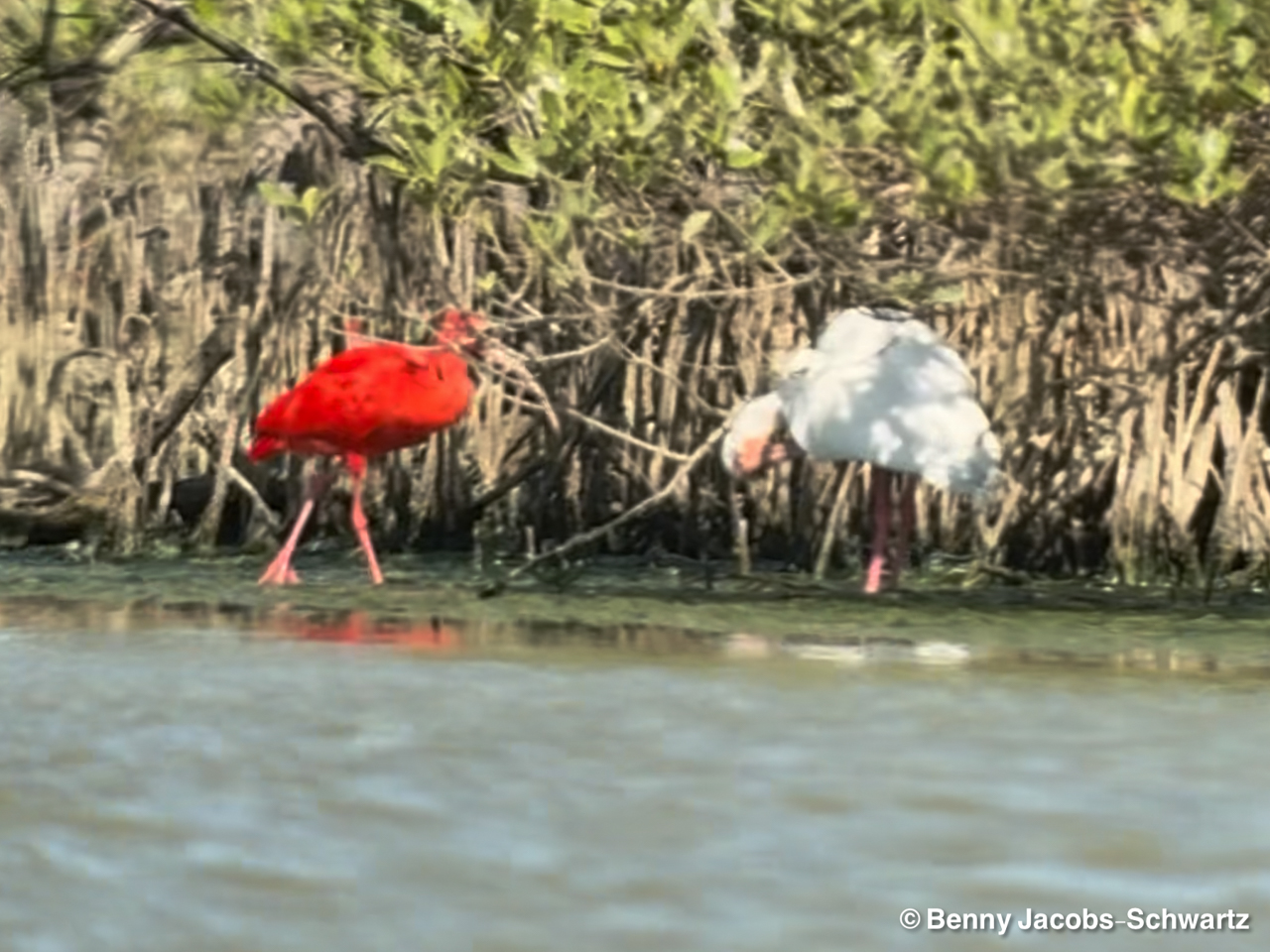
The Los Flamencos Sanctuary served as the primary study area. In the arid scrub, the team identified the Buffy Hummingbird and the Vermilion Cardinal, both of which are restricted to the dry Caribbean coast of Colombia and Venezuela. The transition to the lagoons by boat allowed for a census of waterbirds. The American Flamingo (Phoenicopterus ruber) remains the flagship species of this park, but the sighting of the Scarlet Ibis (Eudocimus ruber) and the elusive Mangrove Rail provided a more nuanced picture of the wetland’s health.
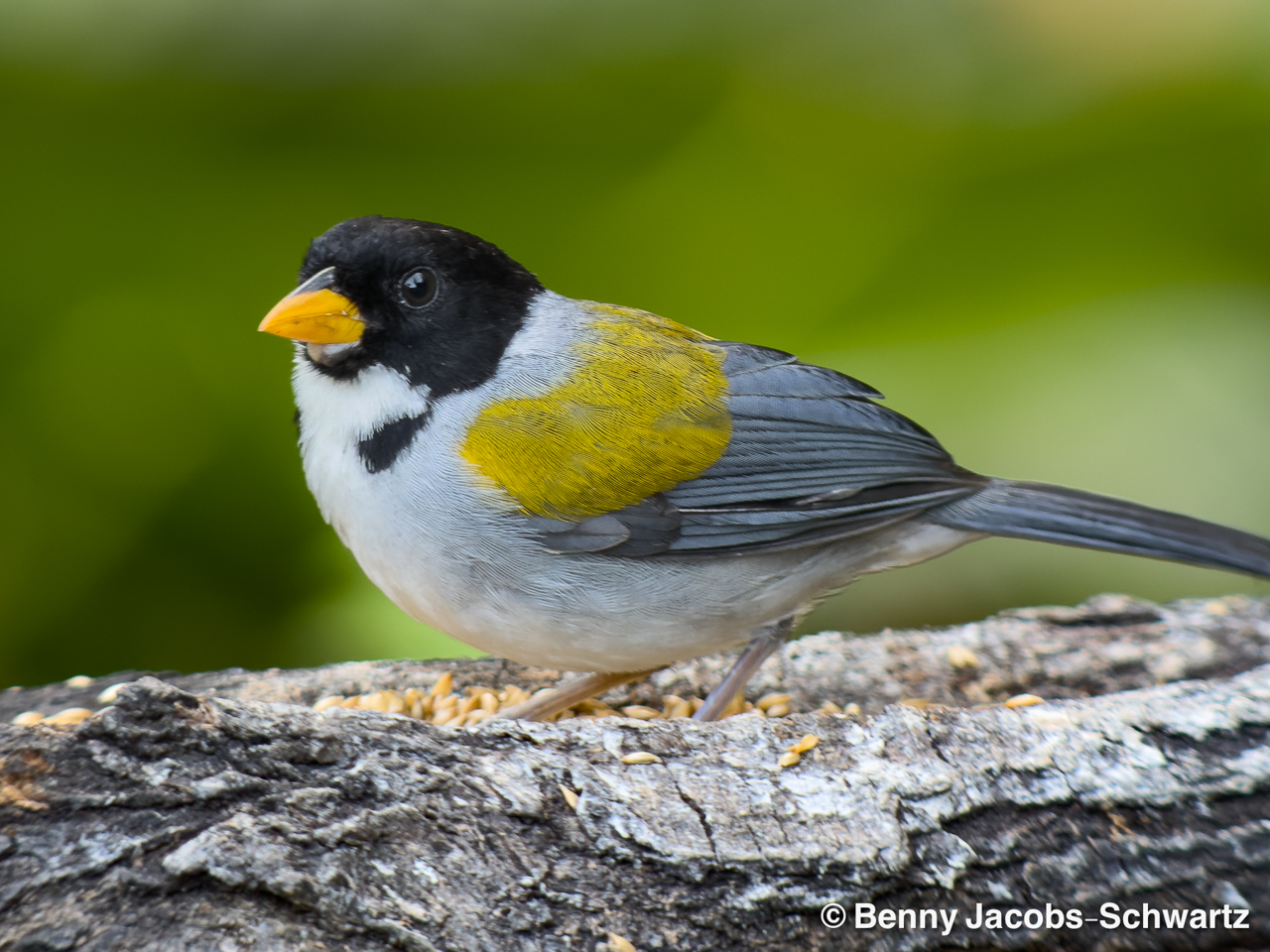
On April 3, the expedition concluded its field observations in the dry forests near Riohacha. This final survey added regional specialties such as the Tocuyo Sparrow and the Glaucous Tanager to the list. The Tocuyo Sparrow, in particular, is a range-restricted species that thrives in the thorny thickets of the Guajira, highlighting the need for conservation of even the most "unhospitable" looking landscapes.
Data Synthesis and Conservation Implications
The expedition successfully recorded a total of twenty endemic species, a testament to the high concentration of unique biology in Northern Colombia. The data collected serves several purposes:
- Population Monitoring: Frequent sightings of species like the Santa Marta Brushfinch and the White-lored Warbler suggest stable populations within protected zones.
- Taxonomic Research: Observations of the "Santa Marta" subspecies of the Tyrian Metaltail and Southern Emerald Toucanet support ongoing arguments for these birds to be recognized as distinct species, which would further increase Colombia’s endemic count.
- Economic Impact: The success of this tour underscores the growing importance of "Avitourism" as a sustainable economic driver for local communities in Minca and Riohacha. By providing an alternative to extractive industries, birdwatching incentivizes the preservation of standing forests.
However, the expedition also noted challenges. The reliance on specific "feeder sites" for sightings of wood-quails and antbirds suggests that as the surrounding forest is fragmented, these birds become increasingly dependent on small, managed patches of habitat. Furthermore, the presence of the critically endangered Sapphire-bellied Hummingbird in a limited mangrove range highlights the urgent need for coastal protection against rising sea levels and urban development.
Conclusion
The eight-day survey through the Santa Marta Mountains and the Caribbean coast provides a vivid snapshot of one of the world’s most significant biodiversity hotspots. From the critically endangered hummingbirds of the mangroves to the high-altitude tanagers of the Sierra Nevada, the region remains an irreplaceable laboratory of evolution.
As the participants departed from Bogotá on April 4, the expedition’s records were integrated into global databases, contributing to the broader understanding of avian distribution in the Neotropics. The findings reaffirm that while Colombia’s bird life is vast, its continued existence depends on the rigorous protection of the varied ecosystems—from the driest deserts of La Guajira to the wettest cloud forests of the Santa Marta massif—that these species call home. This expedition not only fulfilled its scientific and recreational goals but also served as a vital reminder of the fragility and resilience of the natural world in the face of a changing climate.
