
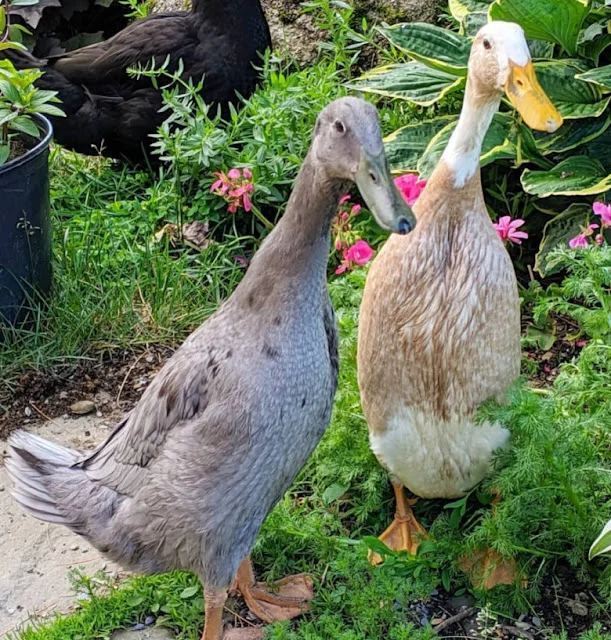
The Indian Runner duck, scientifically classified as Anas platyrhynchos domesticus, represents one of the most distinctive morphological departures from the ancestral mallard within the avian world. Known for an extraordinary upright posture that mimics the bipedal gait of humans or the vertical stance of penguins, this breed has transitioned from an ancient tool of Indonesian rice farmers to a cornerstone of modern sustainable agriculture and heritage breed conservation. Unlike the typical waddle associated with most waterfowl, the Indian Runner possesses a unique skeletal structure that allows it to run with considerable speed, a trait that has earned it a permanent place in the annals of both natural history and commercial poultry production.

Morphological Characteristics and the Biological Mechanism of Upright Stance
The most striking feature of the Indian Runner is its vertical carriage. While most domestic ducks maintain a horizontal body orientation, the Indian Runner stands at an angle between 50 and 80 degrees, often reaching a full 90-degree vertical extension when alert or startled. This physiological phenomenon is not merely a behavioral quirk but is rooted in the bird’s skeletal evolution. The legs of a Runner duck are set much further back on the body than those of a Mallard or a Pekin duck. This posterior placement of the pelvic girdle necessitates a vertical stance to maintain the bird’s center of gravity over its feet.
Classified as a "light" breed by the American Poultry Association (APA), the Indian Runner is characterized by a long, slender neck and a body often described as "soda-bottle" or "bowling-pin" shaped. Adult males (drakes) typically weigh between 3.5 and 5 pounds (1.6 to 2.3 kg), while females (ducks) weigh between 3 and 4.5 pounds (1.4 to 2 kg). Their height ranges significantly, with some mature drakes standing up to 30 inches tall. Despite their name and agility on land, they are incapable of sustained flight due to their small wing-to-body mass ratio, a common trait resulting from centuries of domestication.

A Chronological History of the Breed: From Southeast Asia to the West
The history of the Indian Runner duck is a testament to the long-standing relationship between human agriculture and animal husbandry. Archaeological evidence, including stone carvings found in Java and other parts of Southeast Asia, suggests that upright ducks have been part of the regional landscape for over 2,000 years.
The Era of Rice Paddy Herding (c. 1000 BCE – 1800s)
In Indonesia and parts of India, the ancestors of the modern Runner duck were utilized as a biological pest control system. Farmers developed a nomadic herding system where flocks of hundreds of ducks were driven into rice paddies. The ducks’ role was twofold: they consumed pests such as snails, slugs, grasshoppers, and small frogs that threatened the rice crops, and their droppings provided a natural nitrogen-rich fertilizer. Because the ducks were required to walk long distances between fields and back to their enclosures at night, natural selection and selective breeding favored individuals with the strongest legs and the most efficient upright gait.

Introduction to Europe and the Darwinian Connection (1830s – 1890s)
The breed was first introduced to the United Kingdom in the mid-19th century, likely brought by spice trade ships returning from the East Indies. Initially, they were referred to as "Penguin Ducks" due to their silhouette. This nomenclature caught the attention of Charles Darwin, who referenced the breed in his 1868 work, The Variation of Animals and Plants Under Domestication. Darwin noted the Runner’s peculiar anatomy as a prime example of how selective breeding and environmental pressures could drastically alter the skeletal structure of a species over generations.
Standardization in the United States (1898 – Present)
The Indian Runner was officially admitted to the American Standard of Perfection in 1898. Its arrival in the United States sparked a "duck gold rush" among farmers who were impressed by the breed’s prolific egg-laying capabilities. While many heritage breeds were eventually replaced by industrialized hybrid chickens for egg production, the Indian Runner remained a favorite among small-scale farmers and hobbyists.

Agricultural Utility and Egg Production Data
From a commercial and homesteading perspective, the Indian Runner is often cited as the "Leghorn of the duck world." Their productivity is a result of centuries of breeding for "working" traits rather than meat production.
Quantitative Egg Metrics
A healthy Indian Runner female can lay between 180 and 250 eggs annually, with some exceptional strains exceeding 300 eggs per year. The eggs are typically medium to large, weighing approximately 65 to 80 grams. The shell color ranges from a pristine white to a pale, translucent blue or green, depending on the specific genetic line of the bird. Unlike many other duck breeds that are seasonal layers, Runners can often maintain production throughout the winter months if provided with adequate nutrition and supplemental lighting.

Integrated Pest Management (IPM)
In recent decades, the Indian Runner has seen a resurgence in "green" agriculture. Vineyards, particularly in South Africa and the United States, have begun employing "duck patrols." A notable example is the Vergenoegd Löw Wine Estate in South Africa, which utilizes a flock of over 1,000 Indian Runners to patrol their grapevines. This practice significantly reduces the need for chemical pesticides, as the ducks efficiently remove snails and beetles without damaging the foliage or the grapes, which are usually positioned too high for the ducks to reach.
Color Variations and Genetic Diversity
The Indian Runner holds the distinction of having the widest variety of recognized colorations of any domestic duck breed. The American Poultry Association and the Poultry Club of Great Britain recognize several standard colors, including:

- Fawn and White: The most traditional and widely recognized pattern.
- White: Popular in commercial egg production.
- Chocolate and Black: Developed through selective breeding in Europe.
- Blue and Silver: More recent additions favored by exhibition breeders.
- Trout and Mallard: Patterns that closely resemble the ancestral wild plumage.
This genetic diversity has made the Indian Runner a vital contributor to the development of other breeds. They were foundational in the creation of the Khaki Campbell and the Buff Orpington duck, both of which were bred to combine the Runner’s egg-laying prowess with a heavier body for meat production.
Behavioral Traits and Social Hierarchy
The temperament of the Indian Runner is often described as high-energy and alert. Because of their history as herded animals, they possess a strong flocking instinct. When moved, the group tends to act as a single unit, which makes them easier to manage in large numbers but also contributes to a "skittish" reputation.

Maternal Instincts and Broodiness
A significant fallout of breeding for high egg production is the reduction of maternal instincts. Indian Runners are notoriously "non-broody," meaning they rarely have the desire to sit on and hatch their own eggs. In an agricultural setting, this is often viewed as a benefit, as it keeps the ducks in a constant state of egg production. However, it requires farmers to use incubators or "broody" foster hens (such as Muscovy ducks or chickens) to propagate the flock.
Social Dynamics
Runners are highly social and require the company of their own kind to thrive. They are generally docile and non-aggressive toward other poultry, making them suitable for mixed-species homesteads. However, their high activity levels mean they require more space than more sedentary breeds like the Pekin or Rouen.

Conservation Status and Modern Implications
The Livestock Conservancy currently lists the Indian Runner duck under the "Recovering" status. This classification indicates that while the breed is no longer in immediate danger of extinction, its population numbers were once critically low and still require monitoring to ensure genetic health and breed purity.
The recovery of the Indian Runner is closely tied to the "farm-to-table" movement and the increasing interest in sustainable, backyard food production. As consumers move away from factory-farmed products, the demand for heritage breed eggs has grown. Indian Runner eggs are prized by pastry chefs for their higher fat content and larger yolks, which provide a richer flavor and better lift in baked goods.

Analysis of Broader Impacts
The continued relevance of the Indian Runner duck in the 21st century highlights a shift in agricultural philosophy. The breed represents a move toward "functional biodiversity," where an animal’s natural behaviors—such as running, foraging, and high-volume laying—are utilized to solve modern problems like pesticide resistance and soil degradation.
Furthermore, the Indian Runner serves as a biological bridge to our agricultural past. By maintaining these heritage populations, breeders ensure that the genetic traits developed over two millennia in Southeast Asian rice paddies are not lost to the homogenization of modern industrial farming. The breed’s unique upright stance is more than a visual curiosity; it is a physical manifestation of a specialized evolutionary path that continues to offer value to the global agricultural economy.

In conclusion, the Indian Runner duck remains a paragon of avian utility. Whether serving as a "sentinel" for pests in a high-end vineyard or providing nutrient-dense eggs for a small family farm, this ancient breed proves that specialized evolution, when coupled with human stewardship, can create a sustainable and productive niche in the modern world.
