
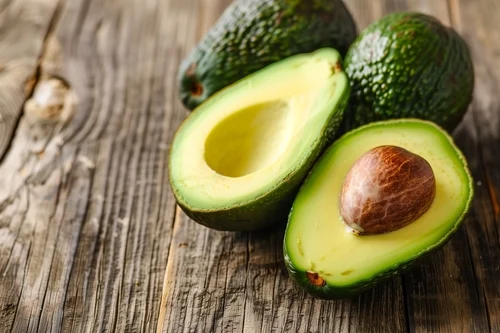
The domestic chicken, a staple of backyard homesteads and commercial agriculture alike, possesses a highly specialized digestive and respiratory system that is remarkably sensitive to dietary toxins. Among the most potent and least understood of these threats is the avocado, a fruit prized by humans for its nutritional value but classified by veterinary experts as a significant hazard to avian species and various mammals. According to the Merck Veterinary Manual, the primary reference for animal health professionals, every component of the avocado plant—including the flesh, pit, skin, and leaves—contains a fungicidal toxin known as persin. While humans can metabolize this compound without ill effects, for chickens and other susceptible animals, the ingestion of even a small amount can lead to catastrophic physiological failure and death within a matter of days.
The toxicity of the avocado (Persea americana) is rooted in its natural defense mechanisms. As a plant, the avocado produces persin to ward off fungal infections and deter certain herbivores. However, the chemical structure of persin triggers a severe reaction in the cardiac and respiratory systems of birds. For a small bird, such as a backyard chicken, consuming as little as 5% of a single avocado can prove fatal. This low threshold for toxicity means that a few casual nibbles from a discarded skin or a piece of fruit dropped in the coop can result in a lethal dose. The concentration of this toxin is not uniform throughout the plant; the leaves are known to contain the highest levels of persin, making the presence of avocado trees in or near poultry enclosures a primary concern for farmers and hobbyists.

The Physiological Impact of Persin Poisoning
The mechanism by which persin affects the avian body is both rapid and devastating. Upon ingestion, the toxin is absorbed into the bloodstream, where it begins to target the myocardial tissue—the muscle tissue of the heart. Veterinary pathology reports indicate that persin causes myocardial necrosis, a condition where the heart muscle cells begin to die. As the heart weakens, it loses its ability to pump blood efficiently, leading to a cascade of systemic failures.
In chickens and turkeys, the primary symptom of this cardiac distress is the accumulation of fluid around the heart and in the lungs, a condition known as pulmonary edema. Because birds have a highly efficient but delicate respiratory system involving air sacs, any fluid buildup quickly compromises their ability to oxygenate their blood. Affected birds will often exhibit signs of "air hunger," characterized by gasping, an extended neck, and an open beak. As the lack of oxygen progresses, the bird’s comb and wattles may take on a bluish tint (cyanosis), and the animal will eventually succumb to heart failure. The timeline from ingestion to death is often startlingly short, frequently occurring within 12 to 48 hours, leaving little room for medical intervention.
Susceptibility Across Species: A Comparative Analysis
While the risk to chickens is well-documented, they are not the only animals vulnerable to persin. The spectrum of susceptibility varies significantly across the animal kingdom, creating a complex landscape for multi-species farms. Research has shown that turkeys, ostriches, and emus share the high sensitivity seen in chickens. In larger livestock, such as sheep and goats, the toxin primarily targets the mammary glands and the heart. In these ruminants, persin ingestion can lead to non-infectious mastitis, which permanently damages the milk-producing tissues, alongside the risk of lethal cardiac lesions.

Interestingly, the domestic dog and cat appear to be more resistant to the systemic effects of persin than birds or livestock, though they are not entirely immune. In canines, the primary risk associated with avocados is often gastrointestinal obstruction caused by the large pit, rather than the chemical toxicity of the fruit itself. However, for smaller mammals like rabbits, guinea pigs, mice, and rats, the risk remains high. In these species, the symptoms mirror those found in poultry, with a heavy emphasis on respiratory distress and sudden death. Even aquatic life is at risk; certain species of fish have shown high mortality rates when exposed to avocado waste in runoff or through direct feeding.
Chronology of an Outbreak: From Ingestion to Clinical Crisis
The progression of avocado toxicosis follows a predictable and tragic timeline. In a typical scenario, the exposure begins when a bird encounters avocado scraps in kitchen waste or fallen leaves in a pasture.
- Phase One (0–6 Hours Post-Ingestion): In the initial hours, there are rarely visible symptoms. The bird may continue to forage and behave normally while the persin is absorbed through the digestive tract.
- Phase Two (6–12 Hours Post-Ingestion): Early clinical signs begin to emerge. The bird may show a decrease in activity, ruffled feathers, and a reluctance to move. It may stop eating and drinking.
- Phase Three (12–24 Hours Post-Ingestion): The cardiac impact becomes acute. The bird’s heart rate may become irregular, and respiratory effort increases. At this stage, the bird is often found huddled in a corner of the coop, showing signs of extreme lethargy.
- Phase Four (24–48 Hours Post-Ingestion): If the dose was sufficient, the bird enters a state of collapse. Death usually follows shortly after due to myocardial failure or suffocation from fluid-filled lungs.
Because there is no specific antidote for persin poisoning, veterinary care is largely supportive. For valuable breeding stock or pets, veterinarians may attempt to use activated charcoal to prevent further absorption if the ingestion is caught early, but the prognosis for birds showing clinical signs remains poor.

Official Guidelines and Veterinary Recommendations
The consensus among agricultural authorities, including the Merck Veterinary Manual and various university extension programs, is one of total avoidance. The recommendation is clear: chickens should never be fed any part of an avocado. This directive extends beyond the fresh fruit to include processed foods like guacamole, which may contain additional harmful ingredients such as onions, garlic, and high levels of salt.
The "treat culture" in backyard chicken keeping has inadvertently contributed to the rise of accidental poisonings. As owners look for ways to bond with their flocks or reduce food waste, they often provide kitchen scraps without fully vetting the contents. Expert Lisa Steele, a well-known authority on backyard poultry, emphasizes the importance of education in preventing these incidents. Her guidelines suggest that while chickens are omnivores and can eat a wide variety of human foods, the distinction between "safe" and "toxic" must be strictly maintained.
To ensure flock safety, owners are advised to implement the following protocols:

- Strict Waste Management: Ensure that compost bins containing avocado remains are securely covered and inaccessible to free-ranging birds.
- Tree Placement: Avoid planting avocado trees in areas where poultry are allowed to forage, as fallen leaves and wind-dropped fruit represent a constant threat.
- Educational Outreach: Ensure all family members and farm hands are aware that avocados are strictly off-limits for the birds.
Broader Implications for Agriculture and Food Safety
The threat of avocado toxicity carries broader implications for the agricultural industry, particularly in regions where avocados are a major crop. In states like California and Florida, or countries such as Mexico and Chile, the proximity of avocado groves to livestock operations requires heightened vigilance. The economic impact of losing a significant portion of a flock or a valuable breeding animal to a preventable poisoning event can be substantial for small-scale farmers.
Furthermore, this issue highlights the necessity for better labeling and public awareness regarding animal-safe foods. As the trend toward "natural" and "homesteading" lifestyles continues to grow, the gap between human dietary trends and animal nutritional science must be bridged. The avocado, celebrated as a "superfood" for humans due to its healthy fats and potassium, serves as a stark reminder that what is healthy for one species can be a potent poison for another.
Safe Alternatives and Nutritional Best Practices
To maintain a healthy flock without the risks associated with toxic plants, poultry owners are encouraged to focus on treats that provide nutritional benefits without chemical hazards. Safe and healthy alternatives include:

- Leafy Greens: Kale, Swiss chard, and spinach provide essential vitamins.
- Vegetables: Cucumbers, squash, and pumpkins are excellent sources of hydration and nutrients.
- Proteins: Dried mealworms or black soldier fly larvae support feather growth and egg production.
- Grains: Oats and cracked corn can be used sparingly as energy-dense supplements.
By adhering to a diet centered on high-quality commercial feed and supplemented only with verified safe treats, poultry keepers can ensure the longevity and productivity of their birds. The case of the avocado serves as a critical lesson in the importance of scientific literacy in animal husbandry. In the delicate balance of the farm ecosystem, knowledge is the most effective tool for protection, ensuring that the garden remains a place of sustenance rather than a source of hidden danger.
