
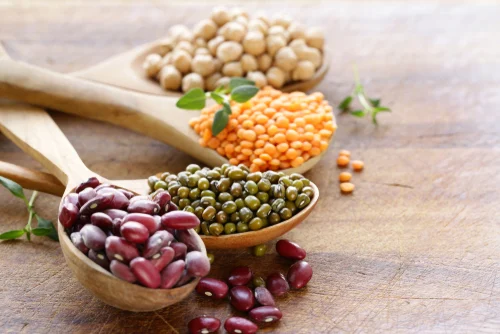
The resurgence of backyard poultry farming has brought to light several critical nutritional safety concerns, chief among them being the severe toxicity of raw, dried beans to avian species. While beans are a staple of human diets and a significant source of plant-based protein, they contain a potent natural toxin known as phytohaemagglutinin (PHA), a type of lectin. For a chicken, consuming even a minute quantity of raw dried beans can lead to rapid gastrointestinal distress and, in many cases, sudden death. This biological reality necessitates a rigorous understanding of avian physiology and the chemical properties of legumes to ensure the safety and longevity of domestic flocks.
The Biochemical Profile of Phytohaemagglutinin
Phytohaemagglutinin is a sugar-binding protein, or lectin, found in high concentrations in the seeds of many legumes. From an evolutionary perspective, PHA serves as a natural insecticide and defense mechanism, protecting the plant’s seeds from being consumed by insects and pathogens. However, when ingested by mammals or birds, the toxin reacts with the lining of the digestive tract.

In chickens, the mechanism of toxicity is particularly aggressive. PHA binds to the carbohydrate side chains of the glycoproteins and glycolipids on the surface of the intestinal mucosa. This binding causes significant structural damage to the intestinal villi, the tiny finger-like projections responsible for nutrient absorption. As the villi are compromised, the bird’s ability to process nutrients is halted, and the intestinal wall becomes hyper-permeable. This leads to a systemic reaction where the toxin enters the bloodstream, potentially causing the "clumping" or agglutination of red blood cells, which is the hallmark of haemagglutinin poisoning.
Lethality and Clinical Symptoms in Poultry
The vulnerability of chickens to PHA is significantly higher than that of humans due to their smaller body mass and specialized digestive systems. Veterinary researchers have noted that as few as three to four raw kidney beans—which contain the highest concentrations of PHA—can be fatal to an adult hen within hours.
The progression of symptoms in an affected bird is often rapid and distressing. Because chickens cannot vomit in the traditional mammalian sense, the "extreme vomiting" often cited in literature refers to the regurgitation of crop contents or the expulsion of fluid from the upper digestive tract. This is typically followed by:

- Acute Diarrhea: The damage to the intestinal lining results in the rapid loss of fluids and electrolytes.
- Severe Lethargy: As the toxin enters the bloodstream and disrupts cellular function, the bird will often become depressed, stop moving, and tuck its head under a wing.
- Loss of Appetite: The bird will immediately cease feeding, though by this stage, the internal damage is often already irreversible.
- Sudden Mortality: If a lethal dose is consumed, death usually occurs within 12 to 24 hours due to a combination of dehydration, shock, and systemic organ failure.
Comparative Toxicity Across Bean Varieties
Not all legumes are created equal in terms of their PHA content. Understanding the hierarchy of risk is essential for any poultry keeper.
- Red Kidney Beans: These are the most dangerous. Raw red kidney beans contain between 20,000 and 70,000 haemagglutinating units (hau). Even partially cooked kidney beans can be more toxic than raw ones if they are not reached a high enough temperature, as the heat can actually increase the availability of the toxin before eventually destroying it.
- White Kidney Beans (Cannellini): These contain about one-third the amount of toxin found in the red variety but remain highly dangerous.
- Broad Beans and Soybeans: These contain lower levels of PHA but possess other anti-nutritional factors, such as trypsin inhibitors, which interfere with protein digestion.
- Lentils and Peas: These generally contain negligible amounts of PHA and are considered much safer, though they are still typically served cooked or sprouted to maximize digestibility.
The Chronology of Safe Preparation
To render dried beans safe for avian (and human) consumption, a specific thermal degradation process must be followed. Simply soaking the beans is insufficient to remove the threat of PHA. The following chronology outlines the industry-standard safety protocol for preparing legumes:
- Hydration (Soaking): Beans must be soaked in water for a minimum of 12 hours. This process begins the neutralization of some anti-nutrients and softens the seed coat.
- Rinsing: The soaking water must be discarded entirely, as it may contain leached toxins. The beans should then be rinsed thoroughly under fresh running water.
- Thermal Processing (Boiling): This is the most critical step. The beans must be placed in fresh water and brought to a rolling boil (100°C/212°F). They must be boiled vigorously for at least 10 to 30 minutes.
- Simmering: After the initial high-heat boil, the beans can be simmered until tender.
- Cooling and Serving: Once the beans are fully cooked and cooled to room temperature, they are safe for chickens. The boiling process effectively denatures the PHA protein, rendering it harmless.
It is important to note that slow cookers (crock-pots) should never be used to cook dried beans for chickens. Most slow cookers do not reach the sustained high temperatures necessary to destroy PHA. In fact, cooking beans at internal temperatures of 80°C (176°F) or below can actually increase the toxicity level fivefold.

Canned and Fresh Alternatives
For many poultry keepers, the risks associated with preparing dried beans are bypassed through the use of canned beans or fresh legumes.
Canned Beans: These are commercially processed using high-pressure steam and high temperatures, which completely neutralizes PHA. They are safe to feed directly from the can. However, the primary concern with canned goods is sodium content. Most canned beans are preserved in a heavy brine. Excessive salt intake in chickens can lead to salt poisoning, kidney dysfunction, and thin-shelled eggs. Therefore, canned beans must be thoroughly rinsed in a colander before being offered to the flock.
Fresh Legumes: Fresh green beans, snap peas, and lima beans harvested directly from the garden do not contain the concentrated levels of PHA found in the dried mature seeds. These are excellent sources of vitamins A, C, and K, as well as fiber, and can be fed raw to chickens without the risk of PHA poisoning.

Analysis of Broader Implications for the Poultry Industry
The danger of raw beans highlights a broader issue within the "backyard chicken" movement: the knowledge gap regarding avian nutrition. As more households turn to chickens for food security and companionship, the tendency to treat them as "living compost bins" has increased. While chickens are omnivores capable of processing a wide variety of kitchen scraps, their digestive systems are not invincible.
From an economic perspective, the loss of poultry to preventable toxicosis represents a significant blow to small-scale egg producers. Beyond the emotional loss of the animal, the cost of replacing a laying hen—including the months of feed required to bring a new pullet to laying age—can be substantial.
Furthermore, the PHA issue intersects with the growing trend of "sprouting" grains and legumes for chickens. While sprouting is generally beneficial as it increases the bioavailability of nutrients and enzymes, it is not a universal cure for toxins. While the sprouting process can reduce PHA levels in some milder legumes, it does not reliably eliminate the high concentrations found in kidney beans. Expert consensus remains that for the safety of the flock, any bean that is traditionally dried should be boiled regardless of whether it has been sprouted.

Veterinary and Expert Recommendations
Agricultural experts and avian veterinarians emphasize that a chicken’s diet should primarily consist of a high-quality, balanced commercial feed formulated for their specific life stage (starter, grower, or layer). Scraps and treats, including cooked beans, should never exceed 10% of their total daily intake.
When introducing cooked beans into the diet, experts suggest mashing them slightly to prevent choking and to ensure they are easily incorporated into the bird’s digestive flow. Additionally, because beans are high in protein, they should be fed in moderation to avoid putting undue strain on the birds’ kidneys, especially in older hens.
In conclusion, while beans can be a nutritious supplement to a chicken’s diet, providing fiber and essential minerals, the line between a healthy treat and a lethal poison is defined entirely by preparation. The presence of phytohaemagglutinin in raw dried beans is a non-negotiable biological hazard. By adhering to strict boiling protocols or opting for safer fresh and canned alternatives, poultry keepers can protect their flocks from this silent and rapid killer. Professional vigilance in the kitchen is the primary defense against PHA toxicity in the coop.
