
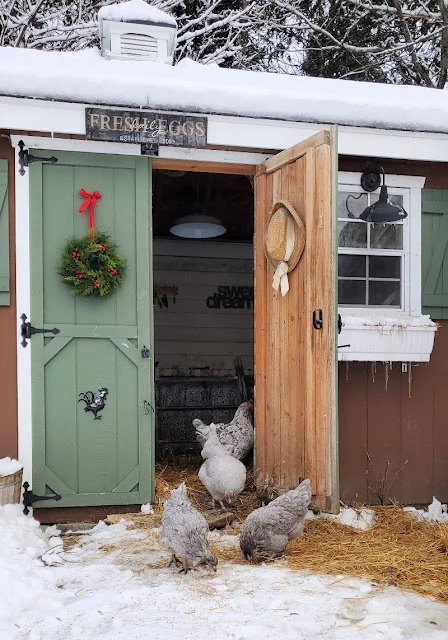
As temperatures across the Northern Hemisphere begin their seasonal descent, the burgeoning community of backyard poultry keepers faces the critical challenge of transitioning flock management from temperate growth phases to winter survival strategies. While the common perception of chickens involves a fragility toward the cold, avian physiology suggests a remarkable resilience to low temperatures, provided specific environmental and nutritional parameters are met. Expert consensus, led by figures such as Lisa Steele, a fifth-generation poultry specialist and founder of Fresh Eggs Daily, emphasizes that the primary threats to wintering flocks are not the cold itself, but rather moisture, wind, and boredom-induced behavioral issues. This comprehensive analysis explores the multifaceted requirements of winter chicken care, integrating traditional husbandry with modern agricultural insights to ensure flock health and productivity.
The Physiological Basis of Avian Cold Tolerance
To understand winter care, one must first examine the biological mechanisms of the chicken. Domestic poultry maintain a high internal body temperature, typically ranging between 105°F and 107°F (40.5°C to 41.7°C). Their primary defense against the cold is their plumage; feathers act as highly efficient insulators by trapping pockets of air against the skin. When a chicken "puffs up" during a frost, it is maximizing this insulating layer.

However, this natural insulation is only effective if the feathers remain dry and the bird can generate sufficient metabolic heat through caloric intake. Unlike humans, chickens do not possess sweat glands; they dissipate heat through respiratory evaporation. In winter, the challenge reverses: they must retain heat while allowing metabolic moisture and ammonia from droppings to escape the coop environment. Failure to manage this balance often leads to respiratory distress or frostbite, particularly on the fleshy combs and wattles of larger breeds.
Structural Integrity: Engineering the Winter-Proof Coop
The cornerstone of winter poultry management is the structural optimization of the coop. Experts categorize the ideal winter habitat as "draft-free but well-ventilated." This distinction is vital for flock survival.
Ventilation vs. Drafts
A draft is a direct current of cold air hitting the birds, which can strip away the warm air trapped in their feathers. Conversely, ventilation refers to the exchange of air at the top of the coop. Because chickens produce a significant amount of moisture through their breath and droppings, a sealed coop will quickly become humid. High humidity in freezing temperatures is the primary cause of frostbite, as moisture settles on combs and freezes. Agricultural engineers recommend placing vents near the roofline, far above the height of the roosting birds, to allow moist, warm air to rise and exit without creating a chill at the floor or roost level.

The Deep Litter Method
A traditional "old-timers" technique gaining renewed popularity is the Deep Litter Method. Rather than cleaning out the coop weekly, keepers allow a thick layer of organic matter—such as pine shavings and straw—to accumulate. As the manure and bedding decompose over several months, the microbial activity generates a small but consistent amount of ambient heat. When managed correctly with high-carbon materials, this method also fosters beneficial microbes that can suppress pathogens. This process requires a dry environment; if the litter becomes wet, it must be turned or supplemented to prevent ammonia buildup.
Nutritional Fortification and Thermogenesis
During the winter months, a chicken’s caloric requirement increases significantly. A portion of their energy intake must be diverted from egg production or growth to thermogenesis—the process of heat production.
High-Energy Supplemental Feeding
While a high-quality layer feed should remain the staple of their diet, supplemental treats play a tactical role in winter health. Scratch grains, consisting of cracked corn and wheat, are particularly effective when fed shortly before dusk. The process of digesting these complex carbohydrates throughout the night raises the bird’s internal temperature, acting as a "biological space heater" during the coldest hours.

Hydration Challenges
Access to liquid water is the most frequent logistical hurdle in winter poultry care. Chickens cannot eat snow or ice in sufficient quantities to remain hydrated, and dehydration quickly leads to a cessation of egg-laying and a decline in immune function. The industry has seen a shift toward heated poultry waterers or submersible de-icers. It is imperative that these devices are checked daily, as mechanical failures in sub-zero temperatures can lead to rapid flock decline.
A Chronology of Seasonal Preparation
Successful wintering begins long before the first frost. A structured timeline allows for the gradual acclimation of the flock and the completion of necessary infrastructure repairs.
- Late September to October: Conduct a "coop audit." Check for leaks in the roof and gaps in the walls that could admit predators or drafts. Ensure that the perimeter is secure against rodents seeking warmth. This is also the time to begin the Deep Litter Method to allow the composting process to start before temperatures drop.
- November: Transition to winter feeding schedules. Monitor the flock for the end of the annual molt. Birds in molt (shedding and regrowing feathers) are particularly vulnerable to cold and require increased protein intake (18-20% protein) to support feather development.
- December to February: Execute daily wellness checks. Focus on "boredom busting" activities. With less time spent foraging in frozen or snow-covered yards, chickens may develop "pecking sores" on flock mates. Providing "chicken swings," hanging heads of cabbage, or "flock blocks" of seeds and grains provides necessary mental stimulation.
- March: As the thaw begins, conduct a deep clean of the coop. This "spring cleaning" removes the accumulated deep litter, which can then be used as nutrient-rich compost for spring gardens.
The Economics and Biology of Winter Egg Production
A common point of contention among backyard keepers is the use of supplemental lighting to maintain egg production. Chickens require approximately 14 to 16 hours of light to stimulate the pituitary gland, which signals the ovaries to release an egg. Naturally, as day length decreases, production slows or stops entirely.

The Supplemental Light Debate
From a journalistic and scientific perspective, there are two schools of thought. Commercial operations and some hobbyists use timed LED lights to mimic summer days. While this maintains a steady egg supply, some avian veterinarians argue that the natural winter break allows the hen’s body to recover and may extend her overall productive lifespan. Furthermore, the introduction of electrical components into a straw-filled coop presents a significant fire risk—a leading cause of coop destruction during winter months.
Health Risks and Preventative Measures
Frostbite remains the most prevalent winter ailment. It typically affects the tips of the combs and wattles, appearing first as a pale discoloration and later turning black as the tissue dies.
Mitigation Strategies
- Moisture Control: As previously noted, keeping the coop dry is the best defense.
- Protective Barriers: Some keepers apply a thin layer of petroleum jelly or specialized salves to combs and wattles to provide a barrier against moisture and frost.
- Roost Design: Providing wide roosts (such as the 4-inch side of a 2×4 board) allows chickens to sit on their feet, covering their toes with their warm breast feathers and preventing "toe frostbite."
Broader Implications for the Homesteading Movement
The refinement of winter chicken care protocols reflects a broader societal trend toward food sovereignty and sustainable living. The "backyard chicken boom," which accelerated during the 2020 global pandemic and was further fueled by egg price volatility in 2022 and 2023, has transitioned from a niche hobby to a staple of suburban and rural life.

As more households adopt poultry, the demand for expert-led, natural husbandry methods has surged. Figures like Lisa Steele represent a bridge between traditional agricultural wisdom and modern accessibility. This movement has significant implications for local ecosystems and urban planning, as municipalities increasingly rewrite zoning laws to accommodate small-scale animal husbandry.
The shift toward "natural, old-timers’ methods" over industrialized solutions (like heated coops, which can be dangerous and prevent birds from acclimating to the cold) suggests a growing public preference for hardy, self-sustaining systems. By focusing on the biological needs of the bird—dry air, high-energy food, and mental engagement—keepers are finding that they can maintain healthy flocks even in the harshest climates of Alaska, Canada, and the American Midwest.
In conclusion, winter chicken care is an exercise in environmental management rather than climate control. By respecting the avian ability to adapt and providing the foundational supports of nutrition and shelter, keepers can ensure their flocks not only survive the winter but emerge into the spring healthy and ready for a new season of production. The integration of these practices is essential for the continued success of the modern homesteading movement, ensuring that the return to localized food production remains both humane and resilient.
