
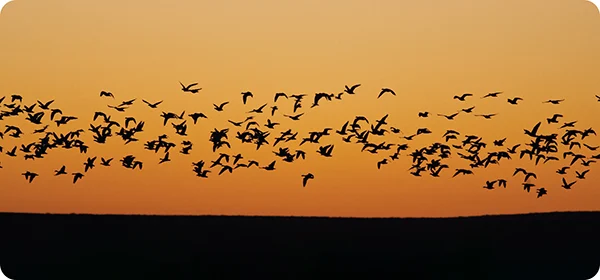
September marks a pivotal period of transition across numerous natural cycles, signaling a shift from the languid days of summer to the invigorating crispness of autumn. This seasonal metamorphosis is not only observed in the changing landscapes and familiar rhythms of human life, such as the resumption of academic schedules and the ebb of vacation plans, but it is also profoundly reflected in the intricate lives of wild birds. As days shorten and temperatures cool, avian populations undergo significant physiological and behavioral adjustments in preparation for the demanding challenges of molting and migration. These critical processes, while essential for survival, place immense nutritional and energetic demands on birds, presenting a window of opportunity for conservation-minded individuals to provide vital support.
The Autumnal Shift: A Multi-Faceted Transition
The arrival of September is synonymous with a palpable shift in the environment. The vibrant greens of summer foliage begin to recede, making way for the fiery hues of fall colors. Concurrently, the bounty of summer blooms gives way to the formation of seeds and the ripening of berries, crucial food sources for many bird species. For humans, this time of year often signifies the end of summer holidays and the recommencement of school and its associated activities, a period of renewed focus and structure. On the sports fields, the transition from baseball to football mirrors the broader seasonal change.
However, for the avian world, September represents a period of intense, life-sustaining preparation. Parental duties, which occupy much of the spring and summer, largely conclude. The shortening daylight hours trigger innate biological cues, leading to restless activity and an increasing urgency to accumulate energy reserves. This physiological "stirring" is a direct precursor to the arduous journeys many species undertake to reach their wintering grounds, often thousands of miles away. Simultaneously, many birds are engaged in the demanding process of molting, the natural shedding and replacement of feathers. This renewal is vital, as worn or damaged feathers compromise flight efficiency, insulation, and waterproofing, all of which are critical for survival, particularly during the impending winter months.
The Biological Imperative: Molting and Migration Demands
The dual processes of molting and migration represent significant biological challenges for wild birds. Molting, the complete renewal of plumage, is an energetically expensive undertaking. Over a period of four to eight weeks, birds replace their entire set of feathers. As feathers are primarily composed of protein, the demand for this essential nutrient skyrockets during this phase. Coupled with the energy required for feather synthesis, birds must significantly increase their caloric intake to sustain this demanding physiological transformation. Without adequate nutrition, molting can be delayed, incomplete, or result in weakened plumage, leaving birds vulnerable.
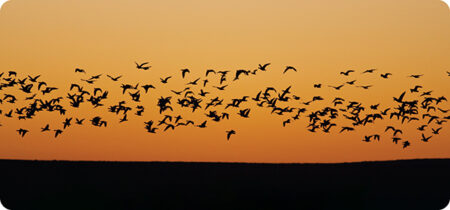
Migration, the seasonal movement of animals from one region to another, is an equally, if not more, taxing endeavor. Many migratory bird species must dramatically increase their body mass in the weeks preceding their departure. This often involves doubling their body weight through the accumulation of fat reserves. This stored fat serves as the primary fuel source for the sustained flight required for journeys that can span vast distances and last for days. The drive to achieve this critical energy surplus is all-consuming, dictating feeding behaviors and priorities. Birds that fail to adequately fuel this process face a perilous journey, with reduced chances of survival.

The interconnectedness of these demands highlights the critical importance of readily available, high-quality nutrition. For birds, failure to obtain the proper nutrients for molting and migration is not an option; it directly impacts their ability to survive and reproduce in the following year. Consequently, their instinctive drive is to seek out and consume foods that are rich in fats and proteins, the building blocks of energy and new tissues.
An Opportunity for Backyard Conservation
This period of intense nutritional need presents a clear opportunity for individuals who wish to support local wildlife. By understanding the biological imperatives driving avian behavior in September, backyard bird enthusiasts can make informed choices about the types of food offered at their feeders. Providing foods that are high in fats and proteins directly addresses the birds’ most pressing needs, offering a vital lifeline during this critical transition period.
Several food options are particularly beneficial for birds during molting and migration:
- High-Energy Blends: Specially formulated WBU Plus Blends often contain a balanced mix of seeds, nuts, and fats designed to provide sustained energy and essential nutrients. These blends can be particularly effective in meeting the varied dietary requirements of different species.
- Peanuts: Both shelled and in-shell peanuts are excellent sources of protein and fats, appealing to a wide range of species, including jays, woodpeckers, and chickadees.
- Nyjer® Seed: While known for attracting finches, Nyjer® seed is a small, oil-rich seed that provides valuable calories and nutrients. Its small size makes it accessible to smaller birds.
- Sunflower Chips: Shelled sunflower seeds, particularly black oil sunflower chips, are highly favored by many birds due to their high fat content and protein. Their lack of a shell makes them an efficient food source, minimizing waste.
- Suet: Suet cakes, especially those formulated with added seeds, nuts, and fruits, are an incredibly rich source of fat and calories. They are particularly valuable during cooler weather and for birds with high energy demands.
- Bark Butter® Products: These specially formulated spreads, made from a blend of suet, corn, and peanut butter, are highly attractive to a wide variety of birds, including insectivorous species that may not typically visit seed feeders. They provide essential fats and proteins in an easily digestible form.
By offering these nutrient-dense foods, individuals not only provide essential sustenance for birds but also enhance their own backyard birdwatching experience. A well-fed bird population is a more active and visible population, leading to increased visits to feeders and a greater opportunity to observe the fascinating behaviors and adaptations of these creatures. This act of providing targeted nutrition fosters a more robust and vibrant local ecosystem.
Expert Insights and Further Resources
The intricacies of avian transitions and the best practices for supporting them have been a focus for ornithologists and wildlife organizations. Wild Birds Unlimited (WBU), a prominent franchise system dedicated to backyard bird feeding and nature education, consistently emphasizes the importance of providing appropriate nutrition during seasonal shifts.
John and Brian, hosts of the WBU Nature Centered Podcast, have dedicated an episode, "Basics of Transition," to exploring these themes. This podcast episode offers in-depth, entertaining, and informative discussions on how to attract a diverse array of bird species to backyards during the fall migration and molting periods. The experts delve into the specific nutritional needs of birds during these times and provide practical advice on selecting the most beneficial food offerings. Listening to such resources can deepen an individual’s understanding and enhance their ability to contribute effectively to bird conservation efforts in their own communities.

The Broader Implications of Seasonal Support
The impact of providing supplemental nutrition to wild birds extends beyond the individual feeders. A healthier bird population contributes to a more balanced local ecosystem. Birds play crucial roles as pollinators, seed dispersers, and insect controllers, all of which have cascading effects on plant life and insect populations. During periods of high stress, such as molting and migration, supplemental feeding can significantly reduce mortality rates, ensuring that a greater number of birds survive to contribute to these ecological services in the spring.
Furthermore, the act of engaging with nature through backyard bird feeding fosters a deeper appreciation for the natural world and its inhabitants. It connects individuals to the cyclical rhythms of the seasons and the inherent resilience of wildlife. This personal connection can translate into broader environmental awareness and a greater commitment to conservation initiatives. The simple act of refilling a feeder with high-energy food becomes a tangible contribution to the well-being of local biodiversity.
In conclusion, September’s transition into autumn is a critical period for wild birds, marked by the demanding biological processes of molting and migration. Understanding these challenges underscores the significant role that backyard feeding can play in supporting avian populations. By offering nutrient-rich foods, individuals not only aid birds in their survival but also enrich their own connection to the natural world, fostering a more vibrant and resilient ecosystem for all.
