
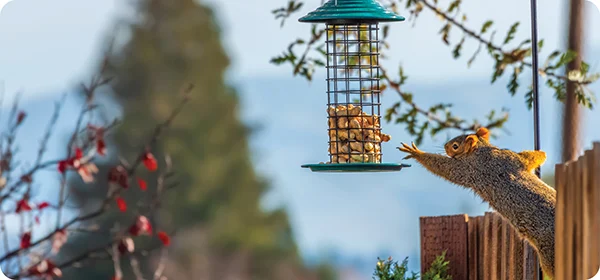
The allure of a well-stocked bird feeder can be a double-edged sword for backyard enthusiasts. While intended to attract and nourish avian visitors, these feeding stations often become irresistible buffets for a variety of "critters," from agile squirrels to larger, more opportunistic bird species. This unintended consequence can lead to depleted seed supplies, damaged feeders, and a frustrating experience for those seeking to enjoy the peaceful observation of songbirds. Fortunately, a wealth of knowledge and practical solutions exists to help backyard bird feeders reclaim their intended purpose and foster a more harmonious coexistence with wildlife.
Understanding the Critter Challenge in Backyard Ecosystems
For many backyard bird feeding operations, the primary antagonists are squirrels. These highly intelligent and adaptable rodents are adept at problem-solving, and an unprotected bird feeder presents a significant challenge they are often eager to overcome. Their agility allows them to leap considerable distances, and their dexterity enables them to manipulate feeder mechanisms. Beyond simply consuming birdseed, squirrels can cause significant damage to feeders, breaking plastic components, chewing through metal, and generally rendering expensive feeding apparatuses unusable. This persistent raiding can lead to substantial financial losses for dedicated bird feeders and a diminished joy in the hobby.
Beyond squirrels, "nuisance" birds, a term often applied to species that congregate in large numbers, can also disrupt the delicate balance of a backyard feeding ecosystem. Birds like starlings and grackles, while fascinating in their own right, can descend upon feeders in flocks, quickly depleting food supplies and intimidating smaller, more desirable songbirds. This phenomenon is not new; historical accounts and ornithological studies have long documented the competitive dynamics that arise when artificial food sources are introduced into natural environments. The sheer volume of food consumed by these larger flocks can be staggering, leading to frequent and costly restocking efforts for the feeder.
Strategic Defenses: Baffling Squirrels and Their Allies
The most effective approach to mitigating squirrel interference often involves strategic physical barriers. For feeders mounted on poles, the installation of a "stovepipe baffle" is a widely recommended and highly effective solution. These smooth, metal cylinders, typically several feet in length, are designed to be placed on the feeder pole. When installed correctly, they present an insurmountable obstacle for squirrels attempting to climb the pole. The key to their success lies in proper placement. Experts universally advise positioning the baffle at least five feet above the ground. Furthermore, the entire pole system should ideally be situated at least ten feet away from any potential launch points, such as trees, bushes, fences, or even the side of a house. This creates a "no-jump zone," effectively preventing squirrels from circumventing the baffle by leaping onto the feeder from adjacent structures. This setup transforms a standard pole-mounted feeder into a virtually squirrel-proof feeding station, allowing smaller birds to access the food unimpeded.
For feeders that are hung from tree branches or other overhead structures, a different type of baffle is necessary. A "domed squirrel baffle," often referred to as a hanging baffle, is designed to be placed above the feeder. These typically feature a wide, downward-facing dome. When positioned directly over a hanging feeder, the dome acts as a protective canopy, preventing squirrels from climbing down the hanging wire or chain to reach the food. This solution is particularly useful for those who prefer the aesthetic of a feeder suspended from a tree and lack the ability to install a pole system.
Another innovative solution for both squirrels and larger birds is the use of an "exclusion cage." These metal cages, available in various sizes and mesh dimensions, are designed to retrofit around existing feeders. The openings in the cage are sized to allow smaller birds to pass through and feed, while effectively blocking larger animals like squirrels and starlings. This method offers a versatile approach, as it can be adapted to a wide range of feeder types and sizes, providing a physical barrier without significantly altering the feeder’s original design. The effectiveness of these cages relies on the precise sizing of the mesh relative to the target birds and the unwanted critters.
Tailoring Food and Feeder Choices to Favor Desired Species
Beyond physical deterrents, the type of food offered and the design of the feeder itself play crucial roles in influencing which visitors frequent a backyard. Many common birdseed mixes contain ingredients that are particularly attractive to "nuisance" birds, such as cracked corn and millet. These ingredients are often quickly consumed by larger flocks, leaving little for the smaller songbirds that many enthusiasts wish to attract.

A strategic shift towards less universally appealing, but highly desirable for specific species, food options can be remarkably effective. Safflower seed, for instance, is a prime example. While many common backyard birds, including starlings and grackles, tend to avoid it, it is a favorite among many songbirds, including cardinals, chickadees, and finches. This preference-based feeding strategy effectively discourages the larger flocks without alienating the desired avian visitors.
Similarly, pure suet cakes, as opposed to commercially blended suet mixes that often contain fillers and attractants for a wider range of birds, can be a targeted approach. Starlings, in particular, are often less interested in plain suet, while woodpeckers, nuthatches, and other cavity-nesting birds are drawn to its high energy content. This selective feeding can significantly reduce the dominance of starlings at the feeder.
Feeder design also offers a powerful tool for managing bird populations. Weight-sensitive feeders are engineered with feeding ports that automatically close when a certain weight is applied. This means that lighter, smaller birds can feed freely, while heavier birds, like starlings, will trigger the closure of the ports, preventing them from accessing the seed. Another common design involves feeders with mesh cages or short, or even absent, perches. These features make it difficult for larger birds to comfortably perch and feed, thereby favoring smaller species. The engineering behind these feeders is based on simple physics and avian anatomy, effectively creating a competitive advantage for the desired smaller birds.
Expert Guidance and Community Resources
For individuals struggling with persistent critter issues, the expertise of Certified Bird Feeding Specialists® is invaluable. Stores like Wild Birds Unlimited are staffed by individuals trained in the nuances of backyard bird feeding, offering personalized advice and product recommendations. These specialists can assess a homeowner’s specific challenges and suggest the most appropriate solutions, whether it involves recommending specific baffles, feeder types, or seed blends. This hands-on approach ensures that feeders are set up correctly and that the chosen solutions are tailored to the local wildlife and the specific backyard environment.
The importance of continuous learning and information sharing within the bird feeding community cannot be overstated. Resources like the "Nature Centered Podcast," specifically episodes like "Critter Solutions," provide accessible and engaging content for bird enthusiasts. These platforms offer practical tips, expert interviews, and discussions on the latest developments in bird feeding science and wildlife management. By staying informed through such resources, individuals can adapt their strategies as needed and continuously improve their backyard feeding experiences.
Broader Implications: Coexistence and Conservation
The challenges posed by critter interference in backyard bird feeding extend beyond mere personal frustration. Understanding and implementing effective critter solutions contributes to a broader appreciation for ecological balance. By creating feeding environments that cater to specific bird species and deter others, individuals are indirectly participating in a form of localized wildlife management. This can have positive implications for the health and diversity of local bird populations, especially in urban and suburban areas where natural food sources may be limited.
The practice of responsible bird feeding, which includes managing unwanted visitors, also fosters a deeper connection with nature. It encourages observation, problem-solving, and a greater understanding of the behaviors and needs of wildlife. This heightened awareness can, in turn, lead to increased support for broader conservation efforts aimed at protecting bird habitats and biodiversity. When backyard feeders become successful, welcoming spaces for a variety of native bird species, they serve as small but significant ecological havens.
The sustained effort to balance the needs of backyard bird feeders with the natural behaviors of wildlife is an ongoing process. However, with the right knowledge, tools, and a commitment to understanding the dynamics of the backyard ecosystem, it is possible to create a feeding environment that is both enjoyable for humans and beneficial for the birds, while effectively managing the challenges posed by our furry and feathered neighbors. The ultimate goal is not to eliminate all non-target visitors, but to create a sustainable and rewarding experience for all involved, fostering a thriving and diverse backyard habitat.
