
GUILFORD, Conn. – The ecological tapestry of Connecticut’s coastline, once rich with expansive salt marshes, has been significantly diminished over centuries of human intervention. More than half of these vital estuarine habitats have been lost, prompting a concerted movement to reclaim and restore these crucial ecosystems for future generations. Leading this urgent charge, the National Audubon Society in Connecticut has secured a substantial grant of $460,917 from the Connecticut Department of Energy and Environmental Protection (DEEP). This critical funding is earmarked for the development of a comprehensive restoration design plan for the Guilford Salt Meadows Audubon Sanctuary, a pivotal step in safeguarding one of the state’s most important natural resources.
A Decades-Long Decline and the Imperative for Restoration
The decline of Connecticut’s salt marshes is a stark testament to the long-term impacts of human development and environmental alterations. Beginning in the colonial era and accelerating dramatically in the 19th and 20th centuries, these vibrant ecosystems were systematically altered, filled, or ditched. Early practices, such as the construction of dikes and tide gates for agriculture or the extensive trenching for mosquito control, inadvertently fragmented and degraded vast tracts of marshland. More recently, coastal development pressures, pollution runoff, and the escalating effects of climate change, particularly sea level rise, have exacerbated these historical losses. The cumulative effect is a profound reduction in an ecosystem that serves as a cornerstone of coastal health and resilience.
Salt marshes are not merely stretches of muddy grass; they are dynamic, incredibly productive ecosystems that provide an array of invaluable services. Ecologically, they act as critical nurseries for numerous fish and invertebrate species, including economically important shellfish and finfish. They filter pollutants from upland runoff, improving water quality in estuaries and coastal waters. Furthermore, they serve as vital stopover and breeding grounds for a diverse array of migratory and resident bird species. From a human perspective, salt marshes offer natural flood protection, dissipating wave energy and buffering coastal communities from storm surges, a role that is increasingly critical in an era of more frequent and intense weather events. They also sequester vast amounts of carbon, acting as significant carbon sinks and contributing to climate change mitigation efforts. The loss of these functions has profound implications for both biodiversity and human communities along the Long Island Sound.
The Guilford Sanctuary, specifically a vital segment of the broader East River Marsh, epitomizes the challenges facing Connecticut’s coastal wetlands. Current assessments reveal that approximately 40% of its previously vegetated marsh area is now stressed, degraded, or entirely lost. This degradation often manifests as areas succumbing to invasive species dominance, particularly common reed (Phragmites australis), which outcompetes native marsh grasses and reduces habitat quality. Other forms of degradation include marsh subsidence, erosion along creek banks, and altered hydrology due to historical ditching, which can lead to areas becoming too wet or too dry for native vegetation to thrive. The DEEP grant will enable the National Audubon Society in Connecticut to address these specific issues through a scientifically informed design plan.
Strategic Restoration for a Resilient Future
The core objective of the $460,917 grant is to meticulously develop a restoration design plan that will guide future efforts to rejuvenate the Guilford Salt Meadows Audubon Sanctuary. This plan will primarily focus on two critical components: restoring native vegetation and strategically creating limited high marsh habitat. The restoration of native vegetation involves reintroducing species like salt marsh cordgrass (Spartina alterniflora) in the low marsh zones and salt marsh hay (Spartina patens) and black grass (Juncus gerardii) in the higher marsh elevations. These native plants are specially adapted to the brackish and saline conditions, providing essential food and shelter for wildlife and stabilizing marsh sediments.
Crucially, the creation of "limited high marsh habitat" addresses one of the most pressing threats to salt marshes: sea level rise. High marsh areas, which are inundated less frequently by tides, offer crucial refuge for species that cannot tolerate constant submersion, particularly during high tides and storm events. Techniques like thin-layer deposition, where a thin layer of sediment is strategically applied to the marsh surface, can elevate degraded areas, allowing native high marsh vegetation to re-establish and providing a critical buffer against rising waters. This approach aims to strengthen the marsh’s inherent resiliency, allowing it to adapt and potentially migrate inland as sea levels continue to climb. Improving hydrological connectivity by filling old mosquito ditches or creating new tidal creeks can also restore more natural water flow patterns, benefiting both vegetation and aquatic life.
Timeline and Community Engagement: A Collaborative Path Forward
The initial phase, funded by this grant, will focus on detailed scientific assessments, topographical surveys, and hydrological modeling to inform the design plan. This process, expected to span approximately 18-24 months, will culminate in a comprehensive blueprint for the physical restoration work. Following the completion of the design plan, the National Audubon Society in Connecticut will then seek additional funding for the implementation phase, which would involve the actual construction and planting work.
A cornerstone of this restoration initiative is robust community involvement. Project partners have committed to hosting two public meetings, providing local residents and stakeholders with invaluable opportunities to offer feedback and insights on the evolving design plan. This participatory approach ensures that the restoration efforts are not only scientifically sound but also align with community values and concerns. These meetings are tentatively scheduled for late 2024 and early 2025, allowing for initial conceptual plans to be presented and discussed.
Beyond public forums, the project emphasizes educational outreach, particularly engaging the next generation of environmental stewards. Students from Bridgeport, Stratford, and West Haven will be invited on educational field trips to the Guilford site. These immersive experiences will offer hands-on learning opportunities, allowing students to participate directly in small-scale conservation work. This could include activities such as identifying and removing invasive species like Phragmites, planting native marsh grasses, or collecting vital environmental data, such as water quality parameters or vegetation surveys. Such engagement aims to foster a deeper understanding of coastal ecosystems, inspire an appreciation for conservation, and potentially guide future career paths in environmental science and management.
A Sanctuary for Declining Avian Species
A significant highlight for Audubon, whose mission is deeply rooted in bird conservation, is the opportunity to provide desperately needed habitat for marsh birds experiencing precipitous population declines. Among these, the Saltmarsh Sparrow stands out as a species of paramount concern. This small, secretive bird is endemic to the salt marshes of the Atlantic coast, with its entire breeding range restricted to these unique habitats. Its nests are built just above the high tide line, making it exquisitely vulnerable to tidal flooding exacerbated by sea level rise. Without intervention, projections indicate a potential extinction of the species within decades.
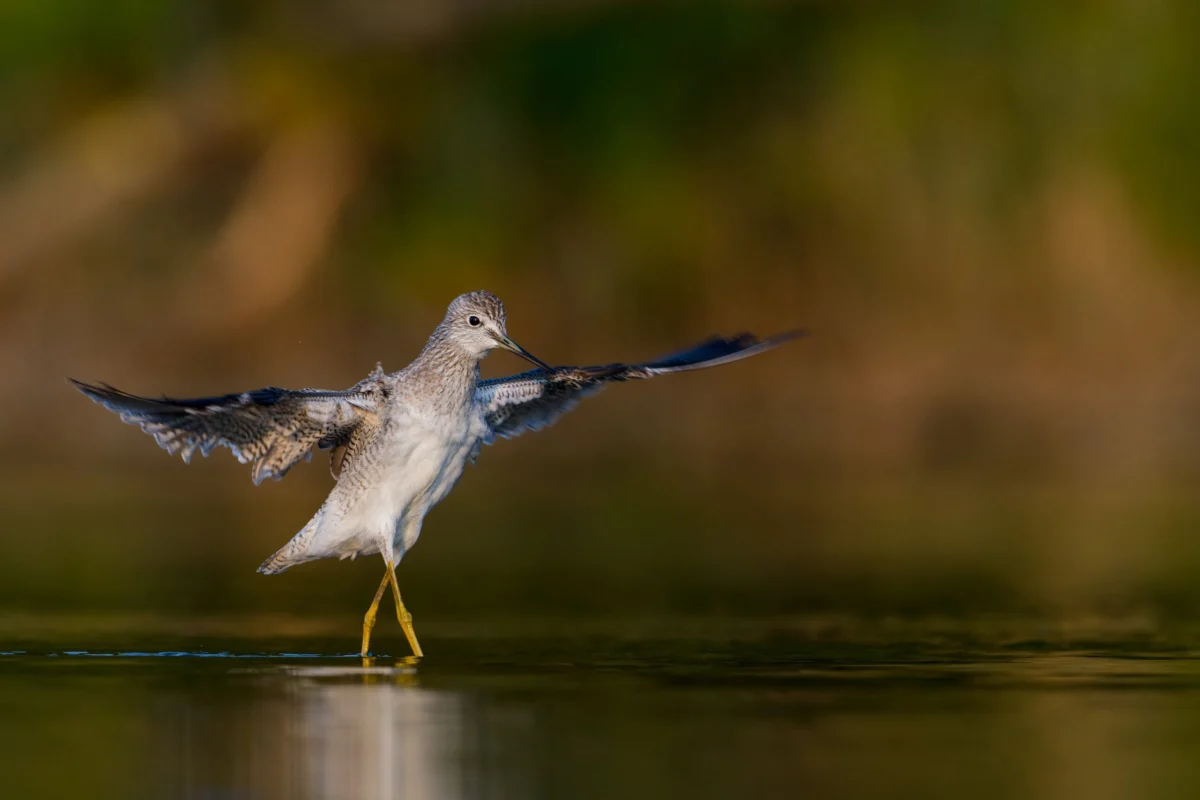
Corrie Folsom-O’Keefe, Director of Bird Conservation for Audubon in Connecticut, underscored this urgency. “Baseline point count surveys conducted in 2023-2024 at the Guilford Salt Meadows Audubon Sanctuary detected only Clapper Rail and Marsh Wren, indicating a need for more diverse and resilient marsh habitats,” Folsom-O’Keefe stated. “However, we are confident that with the planned restoration, the habitat will gain the potential to support a full suite of tidal marsh-dependent birds, including the critically imperiled Saltmarsh Sparrow, the Seaside Sparrow, and the Willet. Our long-term monitoring plans for 2025 and beyond will track the return and establishment of these sensitive species.” The restoration of high marsh areas is particularly critical for the Saltmarsh Sparrow, providing higher ground for nesting and foraging during extreme tides, thereby increasing their reproductive success.
Beyond Birds: A Cascade of Ecological Benefits
The benefits of restoring the Guilford section of the East River Marsh extend far beyond avian populations, creating a positive cascade effect throughout the entire ecosystem. The improved water quality and hydrology resulting from the restoration will create more natural sandy creeks and healthier mudflats, crucial habitats for a variety of aquatic life. This includes blue mussels, which are vital filter feeders, improving water clarity and providing a food source for other species.
The marsh is also a historically significant spawning ground for Horseshoe Crabs, ancient mariners whose populations have faced increasing pressure from habitat loss and overharvesting. Their eggs are a critical food source for migratory shorebirds, creating a direct ecological link. The restoration efforts could also create suitable conditions for the re-establishment of Eastern Oyster beds. Oysters are ecosystem engineers, forming complex reef structures that provide habitat for numerous invertebrates and fish, while also acting as powerful natural water filters.
Furthermore, the East River Marsh serves as an important fish run for anadromous species like Alewife and Sea Lamprey. These fish migrate from the ocean into freshwater rivers to spawn, and healthy, unobstructed marsh channels are essential for their passage. Improved water flow and habitat structure will facilitate these critical life cycle movements. The marsh is also a known habitat for the Northern Diamond-backed Terrapin, a unique brackish-water turtle commonly observed in the area. These reptiles face threats from habitat loss, road mortality, and predation, and a healthier, more complex marsh environment will provide improved foraging grounds, nesting sites, and refuge from predators. Each of these species, from microscopic plankton to top predators, would benefit immensely from the improved water quality, enhanced habitat diversity, and more natural hydrological regimes that the restoration project aims to achieve.
Official Perspectives and Broader Implications
Jack Matthias, Coastal Resilience Manager for Audubon in Connecticut, emphasized the project’s significance: “The East River Marsh is unequivocally one of the largest and most ecologically important salt marsh complexes in the state, delivering essential benefits to both wildlife and the surrounding human community. Audubon is exceptionally enthusiastic about collaborating with our esteemed partners and local stakeholders to protect and diligently restore this invaluable natural resource.” His remarks underscore the collaborative spirit and the recognition of the marsh’s multifaceted value.
This grant is part of a much larger statewide initiative by the Connecticut Department of Energy and Environmental Protection. Through their newly created Long Island Sound Ecosystems Grant Program, DEEP has awarded a total of over $7.8 million to eighteen Connecticut municipalities and non-profit organizations. This significant investment reflects a concerted effort by the state to tackle critical environmental challenges across the Long Island Sound watershed. The program’s overarching goals include improving water quality, enhancing ecosystem resilience in the face of climate change, and improving fish passage, all of which are vital for the long-term health and sustainability of the Sound and its coastal communities. This holistic approach recognizes the interconnectedness of coastal ecosystems and the need for comprehensive, landscape-scale conservation.
The implications of this restoration project extend beyond the immediate ecological benefits. Economically, healthy salt marshes contribute to thriving fisheries and support coastal tourism. They also provide significant natural infrastructure, reducing the financial burden of engineered flood defenses. By investing in natural solutions, Connecticut is not only protecting its environment but also securing its economic future and enhancing the quality of life for its residents. The Guilford project, therefore, serves as a model for how targeted, science-based conservation efforts, coupled with strong community engagement and governmental support, can lead to meaningful and lasting environmental outcomes. It represents a proactive step in adapting to climate change, ensuring that Connecticut’s unique coastal heritage endures for generations to come.
About Audubon:
The National Audubon Society stands as a leading nonprofit conservation organization, boasting over 120 years of science-based, community-driven impact. Dedicated to protecting birds and the vital places they require, today and for tomorrow, Audubon operates with the foundational understanding that birds are powerful indicators of our planet’s health. Acting as sentinels that warn of environmental change, birds inspire critical action. Audubon’s work spans the entire Western Hemisphere, driven by the profound realization that what is beneficial for birds is inherently beneficial for the entire planet. Through a collaborative, bipartisan approach that transcends diverse habitats, geographical borders, and the political spectrum, Audubon consistently drives meaningful and lasting conservation outcomes. To learn more about their invaluable work locally, please visit audubon.org/connecticut.
