
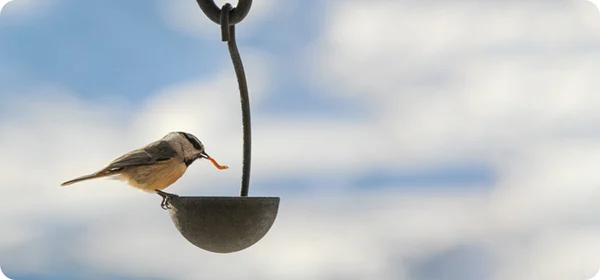
In a surprising twist for Mother’s Day gift-giving, a prominent organization advocating for backyard bird enthusiasts is suggesting a decidedly unconventional present: bugs for birds. Wild Birds Unlimited (WBU), a leading franchise system of specialty stores, is encouraging consumers to consider the benefits of providing insect-based food sources for avian populations, particularly during the critical nesting and migration seasons, framing it as a thoughtful way to enhance a mother’s appreciation of nature.
The Unexpected Appeal of Entomophagy for Avian Well-being
The seemingly unconventional suggestion stems from a deep understanding of avian biology and the vital role insects play in a bird’s diet. As May marks the peak of nesting season across much of North America, virtually all bird species rely heavily on insects to nourish their young. For the first few weeks of their lives, fledglings require a diet rich in protein and essential nutrients, which insects readily provide. By supplementing natural insect populations with readily available food sources like mealworms, homeowners can significantly increase the number of successful fledgling birds and attract a greater diversity of songbirds to their yards.
This dietary imperative extends beyond the nesting phase. Migratory songbirds, undertaking arduous journeys across continents, depend on high-fat, high-energy food sources to fuel their flights. Insects are a primary component of this vital fuel. The presence of abundant insect food in a backyard can therefore offer a crucial resting and refueling station for these travelers, potentially improving their survival rates and enriching the birdwatching experience for observers, including mothers who appreciate these fleeting visitors.
A Strategic Approach to Attracting Feathered Friends
Wild Birds Unlimited outlines a two-pronged strategy to ensure backyards become havens for insect-seeking birds. The first involves the thoughtful selection of plants. Rather than ephemeral floral bouquets, the organization recommends gifting or planting a variety of native plants. These plants, whether grown in the ground or in containers, offer long-term aesthetic appeal and, more importantly, cultivate a healthy, diverse population of native insects. These insects, in turn, become a natural and sought-after food source for local bird populations. This approach not only supports avian life but also contributes to the biodiversity and ecological health of the surrounding environment.
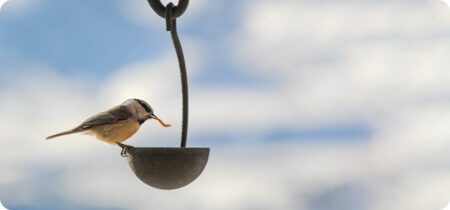
The second, and perhaps more direct, component of this strategy is the provision of supplementary insect-based foods. Mealworms, readily available from specialty retailers, are highlighted as an exceptionally effective supplement. They offer a concentrated source of the nutrients birds naturally seek in insects, acting as a reliable and appealing addition to their diet. This direct feeding method can lead to more frequent and varied bird visits, enhancing the visual and auditory experience of observing nature from one’s own home.
Product Offerings to Facilitate Insect-Based Feeding
Wild Birds Unlimited offers a range of products designed to make it easy for consumers to implement this insect-feeding strategy. Their "Nesting SuperBlend®" is specifically formulated with dried mealworms and is available in both loose seed blends and convenient seed cylinders. For birds that actively seek out insects, the "Bug, Nut & Berry Cylinder¢" is recommended for its attractive combination of ingredients. For those seeking the most impactful option, live mealworms are presented as a premium choice, particularly effective in drawing a wide array of songbirds to feeders.
The organization acknowledges that the idea of gifting "bugs" might initially seem unconventional. However, they suggest that by understanding the ecological role of insects in supporting bird populations, particularly during crucial life stages, the concept transforms into a thoughtful and impactful gesture. Providing a food source that directly contributes to the survival and well-being of birds can be seen as a gift that keeps on giving, offering ongoing opportunities for nature observation and appreciation.

Data Supporting the Impact of Insect-Based Feeding
The importance of insects in avian diets is well-documented in ornithological research. Studies have consistently shown a direct correlation between insect availability and bird reproductive success. For instance, research published in journals such as The Auk: Ornithological Advances has indicated that nestling survival rates can be significantly influenced by the abundance and diversity of insect prey available to parent birds. During peak nesting periods, insect biomass can increase dramatically, providing a caloric and nutritional windfall for developing chicks.
Furthermore, the energetic demands of migration are substantial. Birds undertaking long-distance flights often rely on fat reserves built up from high-energy food sources. Insects, particularly those rich in fats and proteins, are crucial for this energy acquisition. A study published in Ecology Letters highlighted how insectivorous migrants experience higher survival rates when they can readily access adequate food resources along their migratory routes. Backyards that offer supplementary insect food can therefore act as vital ecological stepping stones, supporting bird populations on their arduous journeys.
The economic impact of such feeding practices, while not directly measured in monetary terms, contributes to the broader ecosystem services provided by healthy bird populations. Insectivorous birds, for example, play a significant role in natural pest control in gardens and agricultural areas, reducing the need for chemical interventions. This indirect benefit underscores the ecological value of supporting bird populations through appropriate feeding strategies.
Broader Implications for Conservation and Education
The initiative by Wild Birds Unlimited extends beyond mere product promotion; it taps into a growing public interest in backyard conservation and citizen science. By encouraging the use of insect-based foods and the planting of native species, the organization is indirectly promoting a deeper engagement with local ecosystems. This engagement can foster a greater understanding of ecological interdependencies and inspire individuals to take more active roles in conservation efforts.
The timing of this suggestion for Mother’s Day is also strategic. It aims to reframe gift-giving as an opportunity to connect with nature and contribute to environmental well-being. The joy derived from observing birds, especially during the vibrant spring and summer months, can be amplified when one understands their role in the broader ecological tapestry. This educational aspect is crucial for cultivating a generation that values and actively protects natural habitats.
Expert Perspectives and Industry Trends
Ornithologists and wildlife biologists generally support the practice of providing supplementary food sources for birds, provided they are nutritionally appropriate and do not lead to dependency or disease. Dr. Emily Carter, a research scientist specializing in avian ecology, commented, "The emphasis on insect-based foods, particularly during nesting and migration, is scientifically sound. Birds have evolved to thrive on these diets, and when natural food sources are scarce or impacted by environmental changes, supplementary feeding can be a valuable tool for supporting local bird populations. The key is to offer foods that mimic their natural diets as closely as possible."
The market for bird feeding supplies has seen consistent growth, with consumers increasingly seeking out high-quality, nutritious options. Wild Birds Unlimited’s focus on insect-based foods aligns with this trend, catering to a segment of the market that is becoming more informed about the specific dietary needs of birds. The company’s emphasis on education and providing practical solutions for backyard habitats further solidifies its position as a leader in this niche market.
A Chronology of Support for Avian Nutrition
The understanding of avian dietary needs has evolved significantly over decades. Early bird feeding practices often focused on simple seed mixes. However, as scientific research has advanced, so too has the sophistication of bird food formulations.

- Mid-20th Century: Basic seed mixes become widely available, with a general understanding that birds eat seeds.
- Late 20th Century: Increased awareness of specialized diets for different bird species emerges. Research begins to highlight the importance of protein for nesting birds.
- Early 21st Century: The role of insects in avian diets gains greater prominence in public awareness and product development. Brands like Wild Birds Unlimited begin to offer specialized insect-based foods.
- Present Day: A nuanced understanding of avian nutrition is prevalent, with a focus on providing species-appropriate diets that support breeding success, migration, and overall health. The trend towards sustainable and ecologically beneficial feeding practices is growing.
The current emphasis on insect-based feeding by Wild Birds Unlimited represents a culmination of this evolving understanding, bridging consumer interest with scientific necessity.
The Wider Impact: Beyond the Backyard
The implications of promoting insect-based feeding extend beyond individual backyards. By fostering a greater appreciation for birds and their dietary needs, such initiatives can contribute to broader conservation goals. Healthy bird populations are indicators of a healthy environment. When backyard feeding practices support bird populations, they can indirectly bolster the ecological services that birds provide, such as pollination and seed dispersal.
Furthermore, the educational aspect of this campaign can inspire a new generation of environmental stewards. Children who grow up observing the intricate lives of birds, and understanding the role of insects in their survival, are more likely to develop a lifelong commitment to conservation. This grassroots approach to environmental awareness is crucial for addressing the complex ecological challenges facing the planet.
In conclusion, the suggestion to "Give Mom Bugs for Birds" for Mother’s Day, while initially surprising, is rooted in sound ecological principles and a desire to foster a deeper connection with nature. By providing these vital food sources, individuals can contribute to the well-being of avian populations, enhance their own backyard wildlife experiences, and ultimately, support the broader health of the environment. It’s a gift that offers beauty, life, and a deeper appreciation for the natural world.
