
The arrival of hummingbirds each spring is a highly anticipated event for nature enthusiasts, marking a vibrant return of these diminutive aerial acrobats. Despite the often lengthy migration journeys these birds undertake, the reward of witnessing their energetic presence at feeders and in gardens is a consistent source of delight for observers across North America. This enduring appeal underscores the significant ecological and aesthetic value these tiny avian jewels bring to our landscapes.
The Arduous Journey and the Promise of Spring
For many across the eastern United States and Canada, the first sighting of a hummingbird signals the definitive end of winter and the vibrant awakening of spring. These feathered dynamos, particularly the Ruby-throated Hummingbird in the East, embark on remarkable migratory journeys that can span over 2,000 miles from their wintering grounds in Central America. This arduous trek, often undertaken by individuals weighing as little as a dime, highlights their incredible resilience and instinctual drive. The anticipation of their return builds throughout the cooler months, fueled by the knowledge that their arrival promises a season of dazzling displays and captivating behaviors.
The commitment to providing suitable habitats, including nectar feeders and a diverse array of native flowering plants, is paramount for attracting these sought-after visitors. While the eastern species are known for their long-distance migrations, other regions boast resident or partially migratory populations that offer earlier opportunities for observation. In the western United States, species such as the Black-chinned, Rufous, and Broad-tailed hummingbirds are also integral to the spring migration spectacle. Their presence, often overlapping with the arrival of their eastern counterparts, expands the geographical scope of hummingbird appreciation.
Local Residents and Early Arrivals
For those fortunate enough to reside in the far western reaches of the continent, the hummingbird season may have already begun in earnest with the presence of breeding populations. Species like Costa’s, Anna’s, and Allen’s hummingbirds are often established in their territories by early spring, actively engaged in the crucial process of nesting and raising young. This offers a unique perspective for observers, shifting the focus from anticipating arrival to witnessing the development of new generations. The first glimpses of newly fledged hummingbirds tentatively venturing to feeders represent a distinct phase of the avian cycle, offering a different, yet equally rewarding, observational experience.
The Science and Spectacle of Hummingbird Feeding
The act of observing hummingbirds at feeders or in their natural habitat reveals a fascinating array of behaviors and specialized adaptations. These tiny birds are not merely passive recipients of offered nectar; they engage in complex aerial maneuvers, territorial defense, and intricate feeding strategies. A common misconception is that hummingbirds suck nectar through their bills. In reality, their feeding mechanism is far more sophisticated.
Understanding the Hummingbird Tongue:
Hummingbirds possess a unique, forked, open-grooved tongue. This specialized appendage is not a simple straw; rather, it is designed to lap up nectar with remarkable efficiency. As the hummingbird extends its tongue into a flower or feeder, the grooves spread open. Upon retraction, capillary action and the slight closing of the grooves help to draw the nectar into the mouth. This rapid lapping action can occur up to 12 times per second, a testament to their high metabolic rate and constant need for energy. This intricate feeding process, when observed closely, is a captivating display of biological engineering.
Optimizing the Observation Experience:
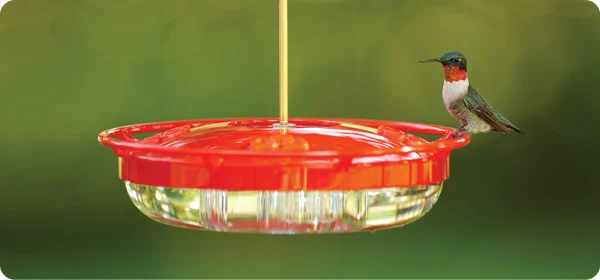
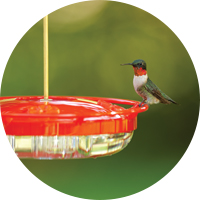
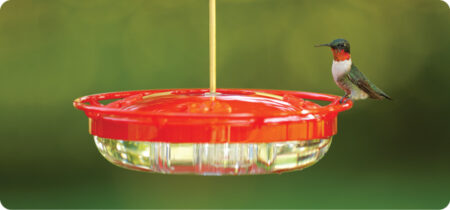
To truly appreciate the nuances of hummingbird feeding, specialized feeders can enhance the viewing experience. Feeders with clear plastic bases, such as those offered by Wild Birds Unlimited, provide an unobstructed view of the hummingbird’s head and tongue. This allows observers to witness the rapid, almost invisible, lapping motion firsthand, transforming a simple act of feeding into a scientific observation.

The Broader Context of Hummingbird Migration
The migratory phenomenon of hummingbirds is a subject of ongoing scientific research and public fascination. Each year, ornithologists track the movements of these birds to understand migration patterns, population dynamics, and the environmental factors that influence their journeys. Data collected from banding studies, citizen science initiatives, and advanced tracking technologies provide invaluable insights into the challenges and successes of these epic migrations.
Key Data Points and Trends:
- Migration Routes: While specific routes can vary, many North American hummingbirds follow established flyways, often hugging coastlines or river valleys to conserve energy and find reliable food sources.
- Timing: The precise timing of migration is influenced by factors such as temperature, daylight hours, and the availability of nectar-producing plants. Early springs can prompt earlier arrivals, while late frosts can delay their appearance.
- Population Health: Monitoring hummingbird populations provides a barometer for the health of their ecosystems. Declines in certain species can indicate issues with habitat loss, pesticide use, or climate change impacts on food availability.
- Energetic Demands: Hummingbirds have exceptionally high metabolic rates, requiring them to consume a significant amount of nectar daily to fuel their energetic flights. This makes reliable food sources, both natural and artificial, crucial for their survival.
Attracting and Sustaining Hummingbird Populations
Creating a hummingbird-friendly environment involves more than just placing feeders. A holistic approach that considers their dietary needs, nesting requirements, and overall habitat is essential for supporting these populations.
Nectar Feeders:
The preparation of nectar for feeders is a critical aspect of hummingbird care. The universally recommended mixture is a simple solution of one part white granulated sugar to four parts boiled water. This ratio mimics the sugar concentration of natural nectar and is easily digestible. It is crucial to avoid using red dye, honey, or artificial sweeteners, as these can be harmful to hummingbirds. Regular cleaning of feeders is also paramount to prevent the growth of mold and bacteria, which can cause illness.
Native Plant Selection:
Beyond feeders, a diverse planting of native flowering plants offers a more natural and sustainable food source. Hummingbirds are particularly attracted to tubular-shaped flowers that are rich in nectar. Examples of plants that attract hummingbirds in various regions include:
- Eastern North America: Cardinal Flower (Lobelia cardinalis), Bee Balm (Monarda spp.), Trumpet Vine (Campsis radicans), Columbine (Aquilegia canadensis).
- Western North America: California Fuchsia (Epilobium canum), Penstemon (Penstemon spp.), Salvia (Salvia spp.), Firecracker Penstemon (Penstemon eatonii).
These plants not only provide nectar but also serve as important sources of insects, which are vital for protein, particularly during breeding and for feeding young. Native plants also offer shelter and nesting materials, contributing to the overall well-being of hummingbird populations.
The Role of Citizen Science and Education
Organizations like Wild Birds Unlimited play a significant role in promoting public awareness and engagement with hummingbirds and other avian species. Through their retail locations, educational events, and online resources, they empower individuals to become informed stewards of their local environments.
The WBU Nature Centered Podcast:

Podcasts such as the "WBU Nature Centered Podcast" offer accessible and engaging content for a broad audience. Episodes like "Hooray for Hummingbirds" provide expert insights into attracting, observing, and understanding these remarkable birds. Such platforms democratize access to scientific information and foster a deeper connection between people and the natural world. By sharing knowledge and practical advice, these initiatives contribute to the conservation efforts for hummingbirds and their habitats.
Implications for Conservation and Appreciation
The sustained interest in hummingbirds underscores their importance not only as a source of natural beauty but also as indicators of ecological health. As climate change and habitat degradation continue to pose challenges to migratory species, understanding and supporting hummingbird populations becomes increasingly vital.
Analysis of Implications:
The dedication of individuals and organizations to providing feeders and native habitats directly impacts the survival rates of hummingbirds, particularly during their arduous migratory journeys and breeding seasons. The success of these efforts is often measured by the observable increase in hummingbird sightings and the health of local populations. Furthermore, the educational outreach surrounding hummingbirds fosters a broader appreciation for biodiversity and the interconnectedness of ecosystems. This heightened awareness can translate into greater support for conservation policies and practices that protect natural habitats on a larger scale. The seemingly small act of putting out a hummingbird feeder, when multiplied across a community and a continent, contributes to a significant collective effort in safeguarding these extraordinary creatures. The continued return of hummingbirds each year serves as a powerful reminder of nature’s resilience and the enduring rewards of patient observation and dedicated care.
