
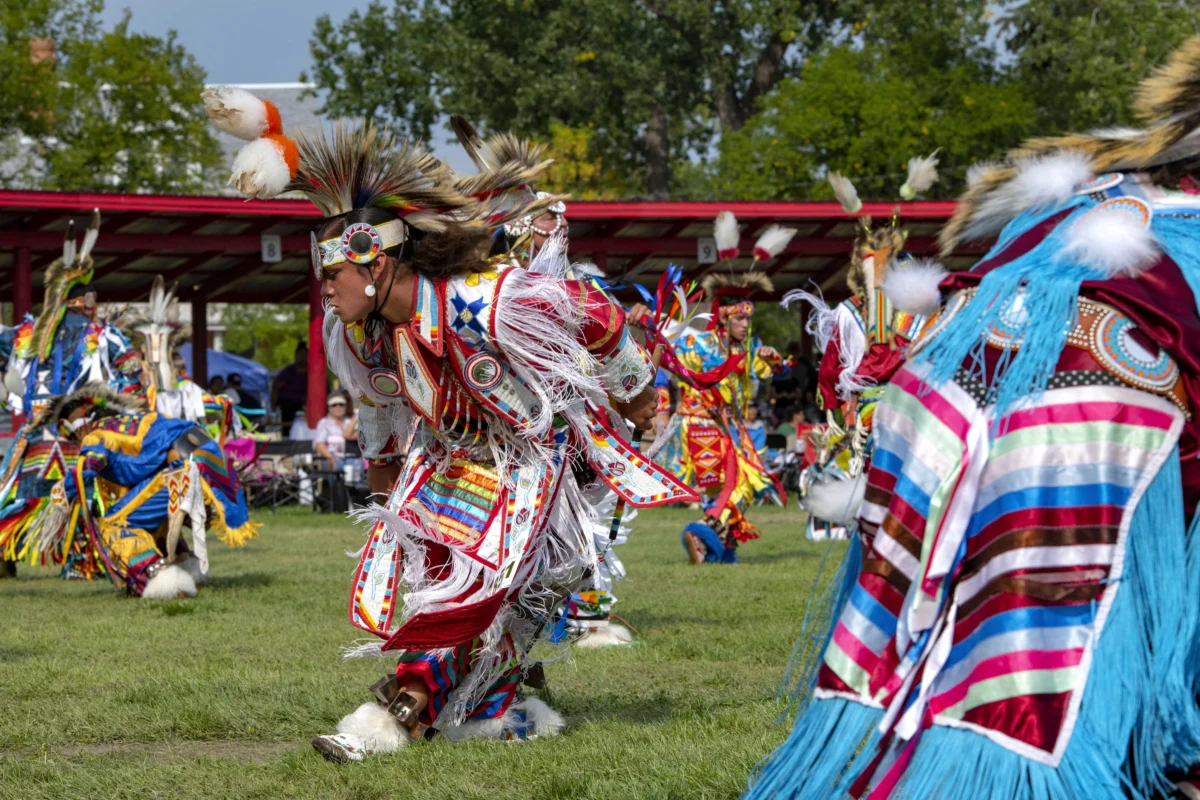
The advent of the second week of April heralds a cherished period for many Indigenous communities across North America, marking the vibrant transition from early spring’s gentle warmth to the burgeoning energy of summer. This specific time traditionally signals the commencement of the local powwow season, a significant cultural phenomenon that extends through the summer months and into early fall, bringing communities together in celebration, remembrance, and inter-tribal solidarity. For individuals like an enrolled member of the Seminole Tribe of Oklahoma residing in a major Texas city, the powwow grounds offer a profound sense of belonging and cultural resonance, a feeling of "home" deeply rooted in shared heritage and collective spirit.
The Enduring Tradition of the Powwow
Powwows are multifaceted inter-tribal gatherings that serve as vital platforms for Indigenous peoples to celebrate their rich cultural heritage through dancing, feasting, and commerce. While some of the earliest powwows may emerge in March, the season typically blossoms in April, reaching its peak during the summer before gradually winding down by early autumn. These events are far more than mere festivals; they are dynamic cultural expressions that foster community cohesion, facilitate the transmission of traditions across generations, and provide a space for both Indigenous and non-Indigenous attendees to witness and appreciate the diversity of Native American cultures.
The sensory experience of a powwow is immediate and profound. The deep, resonant thump of the drum, often described as a "second pulse," permeates the air, a foundational rhythm to which all activities unfold. Dancers, adorned in meticulously crafted regalia, move with grace and power. Women in vibrant jingle-dance dresses create a distinctive melody with the tinkling aluminum cones sewn onto their garments, while men’s movements are punctuated by the rhythmic rattle of shells around their ankles. These are often competition dancers, showcasing various routines for judges and the opportunity to earn prize money, yet their performances transcend competition, embodying stories, prayers, and the living spirit of their ancestors.
The historical trajectory of powwows reflects resilience and adaptation. Originating from traditional gatherings of Plains tribes, particularly after the establishment of reservations in the late 19th century, powwows evolved as a means for scattered communities to maintain cultural ties and share customs. Initially, these gatherings were often smaller, more localized events, frequently organized in secret due to governmental policies in both the United States and Canada that actively suppressed Indigenous cultural practices, including dancing and ceremonial gatherings. The "Indian Act" in Canada and various assimilation policies in the U.S. aimed to dismantle tribal structures and traditions. Despite these oppressive measures, Indigenous peoples preserved their ceremonies, often adapting them or holding them in clandestine locations. The mid-20th century saw a resurgence and revitalization of powwows, transforming them into the larger, inter-tribal events recognized today, symbolizing a powerful reclaiming of cultural identity and sovereignty. Today, there are hundreds of powwows held annually across North America, attracting thousands of participants and spectators and contributing significantly to the cultural and economic landscape of Indigenous nations.
The Significance of Regalia and Preparation
Preparation for a powwow is a deeply personal and culturally significant ritual. For many dancers, it involves careful selection of regalia, each piece imbued with meaning and history. Skirts, often hand-sewn from distinct colors of fabric and adorned with rows of ribbons, are chosen with reverence. Jewelry, particularly earrings, plays a crucial role, with dancers often seeking the longest pairs that gracefully brush their faces, catching the breeze as they move. This meticulous attention to detail in regalia is not mere adornment; it is an expression of identity, artistry, and respect for the traditions being honored. Eagle feathers, for instance, are sacred and frequently featured in regalia, particularly atop dancers’ heads, signifying a profound connection between Native Americans and these revered birds. Kenneth Shirley, Diné and CEO of the dance troupe Indigenous Enterprise, which has performed at high-profile events like the Macy’s Day Thanksgiving Parade and a presidential inauguration, emphasizes this connection: "The way that it’s on top of our heads, it shows the significance of the bird and how much of a connection it has with Native Americans. I just love the fact that the energy is being transferred into us when we’re dancing."
Bird-Inspired Dances: A Celebration of the Natural World
Among the myriad dance styles showcased at powwows – including men’s and women’s Fancy, Traditional, and Jingle dances – a captivating category draws direct inspiration from the avian world, both in name and movement. These bird-inspired dances offer a unique window into Indigenous perspectives on nature, spirituality, and storytelling. When attending a powwow open to the general public, observing these specific dances can provide a deeper appreciation for the intricate relationship between Indigenous cultures and the environment.
Men’s Chicken Dance
The Men’s Chicken Dance is a high-energy, often jovial, performance that captivates audiences. Originating from the Blackfeet Nation, this dance vividly mimics the courting rituals of the prairie-chicken. Male dancers emulate the birds’ movements on the "lek," or booming ground, where prairie-chickens perform their elaborate displays. Dancers duck and shake their heads, hop, stomp, and wiggle their shoulders in a feather-ruffling motion, replicating the birds’ efforts to attract mates. Chicken dancers typically don brightly colored regalia, often featuring prominent feathers standing high on their heads and protruding from their backs. The dynamism and precision of their movements are judged, much like in the wild where the most impressive displays win the attention of prospective mates, demonstrating a direct parallel between the dance and its natural inspiration.
Women’s Swan Dance
Characterized by its grace and fluidity, the Women’s Swan Dance is a serene and deeply symbolic performance. It is commonly practiced by women from nations such as the Citizen Potawatomi, Meskwaki, and Yakama. Dancers form a neat line, then slowly weave across the grounds in a circular pattern, holding their hands out from their bodies with elbows gently bent, mimicking the elegant wings of a swan. In some interpretations, dancers may crouch low to the ground before moving their arms in a gentle waving motion, further embodying the swan’s graceful presence. This dance draws its inspiration from oral traditions that speak of swans gifting women their song and dance, making each performance a profound dedication to ancestors and a continuation of an ancient legacy. Its steady and delicate movements evoke a sense of reverence and connection to the spiritual realm.
Quail Dance
The Quail Dance is a lighthearted, co-ed partner dance prevalent among many Eastern tribes, including the Choctaw and Cherokee. Duos stand in a line before skipping in tandem, reflecting the playful and sudden movements of the Northern Bobwhite quail. This social dance is highly accessible, encouraging broad participation. Dancers infuse their performances with individual flair through improvised hand motions and head bobbing. Much like the male quail who struts and fans his tail to attract a mate, dancers often incorporate a cloth or handkerchief, flashing it in the air as part of their dynamic display, adding a touch of flirtation and vibrancy to the communal celebration.
Eagle Dance
The Eagle Dance is a sacred and powerful display, steeped in ritualistic roots and profound spiritual significance. Practiced by many Pueblo tribes, including the Zuni and the Hopi, it honors warriors, embodies spirituality, and calls for blessings of health and rainfall from the Creator. Dancers, often draped with feather-covered shawls spanning their backs and arms like wings, begin by crouching low, moving their heads around like a waking eagle. They then hop and skip on alternating legs while rhythmically flapping their arms, creating a smooth, ebb-and-flow motion that evokes the majestic flight of Bald and Golden Eagles. This dance is frequently performed on special occasions, reflecting the deeply held belief that eagles serve as messengers between Heaven and Earth, carrying prayers and bringing spiritual guidance.
Beyond Specific Dances: Broader Avian Influences
The influence of birds extends beyond these four named dances, permeating many other styles within the powwow scene. Women competing in the Fancy Shawl category, for instance, drape fringe-lined shawls across their backs, resembling wings. They spread their arms to the side and perform a distinctive "crow hop," a quick back-and-forth movement that adds to the visual spectacle of their dance. Similarly, men performing the Hoop Dance, a narrative dance form, often manipulate large hoops along the length of their arms, mimicking eagle wings, to create elaborate shapes and tell stories through their intricate movements.
The veneration of birds, particularly eagles, is integral to all aspects of the powwow. Eagle feathers, for example, are not merely decorative but are considered sacred objects, symbolizing strength, wisdom, and honor. The use and possession of eagle feathers by Indigenous peoples in the United States are protected under specific federal regulations, such as the Bald and Golden Eagle Protection Act, which acknowledges their cultural and religious significance and allows for their use through a permitting system. This legal recognition underscores the profound spiritual and cultural value placed upon these birds and their feathers within Native American traditions.
The Healing Power of the Powwow
The atmosphere at a powwow, from the dancing grounds to the "frybread line" where traditional foods are shared, is charged with a palpable sense of community and a unique magic. This collective experience fosters healing, joy, and cultural revitalization. Ojibwe dancer Amayah Little Wolf, who competes in the women’s Fancy Shawl category, articulates the transformative power of dance: "Once you start to hear the beat and the songs, it’s like everything else disappears. It’s healing, and it just reminds me of being excited and being a kid, doing it again and again for the first time." Her words echo a sentiment shared by many participants: that powwows are not just performances but vital spiritual and emotional anchors.
Broader Impact and Implications
Powwows play a critical role in cultural preservation, intergenerational knowledge transfer, and community building. They serve as educational platforms, offering non-Indigenous attendees an invaluable opportunity to learn about diverse Native American cultures directly from Indigenous peoples, challenging stereotypes and fostering mutual respect. Economically, powwows support Indigenous artisans, vendors, and food providers, creating micro-economies that sustain cultural practices and livelihoods. For Indigenous youth, participating in powwows reinforces identity, instills pride in their heritage, and connects them to a vibrant, living tradition. The global reach of Indigenous culture, exemplified by groups like Indigenous Enterprise performing on international stages, further highlights the enduring relevance and beauty of these traditions. As the powwow season unfolds each year, it reaffirms the enduring strength, resilience, and spiritual richness of Indigenous cultures across North America, a celebration of life, community, and the profound connection to the natural world.
