
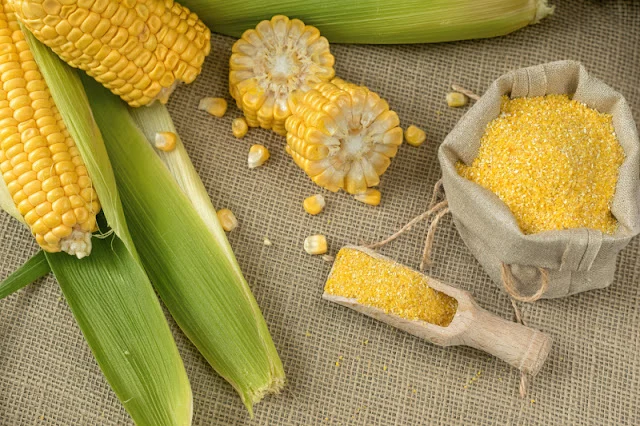
The practice of feeding corn to backyard poultry has evolved from a standard agricultural tradition into a point of significant debate among modern homesteaders and avian enthusiasts. While corn remains a foundational component of commercial poultry diets globally, its use as a supplemental treat—particularly during the varying seasons—has sparked concerns regarding avian thermoregulation and metabolic health. To understand the role of corn in a chicken’s diet, one must distinguish between the various forms of the grain, the physiological process of avian digestion, and the nutritional requirements of different poultry breeds.
The Metabolic Debate: Corn and Avian Thermogenesis
The primary controversy surrounding corn in the poultry community stems from the belief that feeding corn during summer months can cause chickens to overheat. This phenomenon is rooted in the "thermic effect of food," or diet-induced thermogenesis. When a chicken consumes complex carbohydrates and dense grains, its body must expend significant energy to break down these materials within the digestive tract, particularly in the gizzard and the crop.

During the digestive process, metabolic heat is generated as a byproduct of chemical reactions. For a bird that already maintains a high internal body temperature—typically between 105°F and 107°F—the additional heat generated by digesting energy-dense dried corn can be substantial. In the winter, this is a biological advantage. Many experienced keepers provide cracked corn or "scratch grains" (which are often primarily corn-based) shortly before dusk. As the birds roost, their systems work overnight to digest the grain, creating a "biological space heater" effect that helps them maintain core temperatures during freezing nights.
However, the application of this same logic during a summer heatwave requires nuance. While a handful of corn is unlikely to be fatal, the energy-intensive digestion of dried, cracked corn during peak temperatures can add to the bird’s heat stress. Experts suggest that during periods of extreme heat, supplemental feeding should pivot toward high-moisture snacks that aid in hydration rather than those that prioritize caloric density.
Nutritional Profile and Chemical Composition of Corn
Despite being labeled by some as "empty calories," corn provides a variety of essential nutrients that contribute to the overall health of a flock. It is a significant source of energy-dense carbohydrates, which are vital for active foraging birds.

According to nutritional data from agricultural extension programs, corn contains:
- Carbohydrates: Primarily in the form of starch, providing the energy needed for movement and egg production.
- Antioxidants: Specifically carotenoids like lutein and zeaxanthin, which are responsible for the deep yellow-orange pigment in egg yolks and the yellow color of a chicken’s shanks and skin.
- Vitamins: Including Vitamin B6, Vitamin C, Niacin, and Folate.
- Minerals: Trace amounts of Magnesium, Phosphorus, Potassium, and Manganese.
- Fiber: Essential for maintaining gut motility and digestive health.
Furthermore, the "byproducts" of fresh corn—the silks and husks—offer unique medicinal benefits. Corn silk is rich in Vitamin K, which is critical for blood clotting and bone health. It also contains phenolic compounds that act as anti-inflammatories. When chickens or ducks consume fresh corn silk, they are ingesting natural antioxidants that support heart health and may help manage blood pressure within the avian vascular system.
Seasonal Feeding Strategies: Winter vs. Summer
The consensus among avian experts is that the form of the corn determines its suitability for the season. A strategic approach to supplemental feeding can optimize flock health throughout the year.

Winter Management
In cold climates, dried whole or cracked corn is an invaluable tool. Because chickens do not have teeth, the corn is swallowed whole and stored in the crop before moving to the gizzard, where it is ground down by grit. This mechanical and chemical digestion is slow and steady, providing a consistent release of heat and energy throughout the night. Scratch grains, which typically consist of a mix of cracked corn, wheat, and barley, are designed specifically for this purpose. They encourage natural scratching behavior, which provides exercise, and offer the caloric "fuel" needed to survive sub-zero temperatures.
Summer Management
In contrast, summer feeding should focus on "Fresh Corn" rather than "Dried Corn." Fresh sweet corn off the cob, frozen corn kernels, or canned corn (provided it is low-sodium) have a much higher water content—approximately 75% compared to the 10-12% found in dried corn.
- Hydration: Fresh corn helps maintain fluid levels.
- Cooling: Frozen corn serves as a cooling agent, helping to lower the bird’s internal temperature during the heat of the day.
- Enrichment: Providing a whole cob for a flock to peck at offers mental stimulation, reducing boredom-induced feather picking or aggression.
The Risk of Obesity and the 10% Rule
While corn is a beneficial supplement, it is not a "complete feed." Modern commercial poultry feeds are scientifically formulated to provide a precise balance of protein (usually 16-18% for layers), calcium, and amino acids like methionine. Corn is relatively low in protein (averaging 7-9%) and high in sugar and starch.

Over-reliance on corn can lead to several health complications:
- Fatty Liver Hemorrhagic Syndrome (FLHS): This is a common metabolic condition in backyard hens where excessive caloric intake leads to a fat-clogged liver, making it prone to rupture and causing sudden death.
- Reduced Egg Production: If a hen fills up on corn, she may not consume enough of her balanced layer pellets, leading to protein and calcium deficiencies that halt the laying cycle.
- Obesity in Heavy Breeds: Certain breeds, such as Orpingtons or heavy meat-bird crosses, are more prone to weight gain. Waterfowl, particularly heavy duck breeds like Pekins, are also highly susceptible to leg issues if they become overweight from too many treats.
Veterinary guidelines generally recommend that "treats"—including corn, scratch grains, and kitchen scraps—should make up no more than 10% of a chicken’s total daily caloric intake.
Expert Perspectives and Industry Standards
Lisa Steele, a fifth-generation chicken keeping expert and author, emphasizes that moderation and timing are the keys to using corn effectively. "You should feel comfortable feeding your chickens fresh corn in the warm months and dried corn in the winter to take advantage of its inherent benefits throughout the entire year," Steele notes. Her approach mirrors traditional "old-timer" methods that utilized farm-grown grains to supplement poultry diets before the advent of highly processed commercial feeds.

Agricultural researchers at institutions such as the Cornell University College of Agriculture and Life Sciences have noted that while corn is a staple, the "yellow corn" variety is particularly prized in the United States for the pigment it provides to poultry products. In many parts of the world, white corn is fed, resulting in pale yolks and skin, which demonstrates that the nutritional value of corn often has as much to do with consumer preference for egg appearance as it does with the bird’s actual health.
Chronology of Corn in Poultry Husbandry
The relationship between chickens and corn dates back centuries. In the early 20th century, before the standardization of poultry nutrition, corn was often the primary grain provided to farm flocks because of its abundance and ease of storage.
- Pre-1940s: Chickens were largely scavengers, with corn provided as a "scratch" to lure them back to the coop at night.
- 1950s-1970s: The rise of industrial poultry farming led to the development of "mash" and "pellets," where corn was ground into a meal and mixed with soy and vitamins.
- 2000s-Present: The "Backyard Chicken Revolution" has seen a return to whole-grain feeding. This has revived the debate over "hot" and "cold" feeds, as keepers move away from uniform pellets and toward more traditional, visible grain supplements.
Impact and Implications for Modern Keepers
The implications of this nutritional understanding are clear: the "corn controversy" is largely a matter of application rather than the ingredient itself. For the modern homesteader, corn should be viewed as a functional tool rather than a dietary villain.

By utilizing dried corn as a winter thermal aid and fresh or frozen corn as a summer hydration treat, keepers can support their flock’s natural thermoregulation. However, the responsibility remains with the owner to ensure that these treats do not displace the essential vitamins and proteins found in a balanced diet.
As the backyard poultry movement continues to grow, the demand for transparent, science-based nutritional information is increasing. Understanding the metabolic impact of grains like corn allows keepers to make informed decisions that promote longevity, high-quality egg production, and the overall welfare of their birds. In the broader scope of sustainable agriculture, using corn—especially garden-grown or locally sourced varieties—remains a cost-effective and nutritionally sound practice when managed with a professional degree of moderation and seasonal awareness.
