
The cyclical nature of avian reproduction presents a significant logistical challenge for small-scale poultry producers and homesteaders, characterized by a seasonal surplus of eggs during the summer months followed by a stark deficit during the winter. This phenomenon, often described by agricultural experts as a "feast or famine" cycle, is rooted in the biological response of Gallus gallus domesticus to photoperiodism, where egg production is directly linked to the duration of daylight. To address this inconsistency and ensure a steady supply of protein for domestic use and baking, food preservation specialists and poultry experts recommend the strategic freezing of excess eggs during peak production periods. Lisa Steele, a fifth-generation chicken-keeping expert and founder of the Fresh Eggs Daily brand, highlights that freezing eggs is an essential technique for maintaining food security throughout the winter months when chickens naturally enter a period of reproductive dormancy or molting. By implementing specific preparation methods—such as whisking the eggs and adding stabilizing agents like salt—producers can effectively preserve the integrity and texture of the eggs for later use in culinary applications including scrambling, omelets, and baking.
The Biological Basis of Seasonal Production Fluctuations
The primary driver behind the fluctuating egg supply is the hen’s endocrine system, which is highly sensitive to light. In a natural environment, a hen requires approximately 14 to 16 hours of daylight to stimulate the pituitary gland, which in turn releases the hormones necessary for ovulation. As the autumn equinox approaches and daylight hours dwindle, the hen’s body receives a signal to divert energy away from reproduction and toward other physiological needs.
During the late fall and early winter, most chickens undergo a process known as molting. This involves the shedding of old feathers and the growth of new, more insulating plumage to survive the colder temperatures. Because feathers are composed of nearly 90% protein, the hen’s nutritional intake is redirected from egg production to protein synthesis for feather growth. Consequently, egg production often drops to zero or near-zero levels during this period. For the backyard producer, this biological reality necessitates a proactive approach to food storage during the spring and summer, when a single flock can produce a surplus that far exceeds immediate consumption needs.
Technical Requirements for Successful Egg Cryopreservation
Freezing eggs is not as simple as placing a carton in the freezer; the process requires a specific understanding of the physical properties of egg components. The United States Department of Agriculture (USDA) Food Safety and Inspection Service (FSIS) warns that eggs must never be frozen in their shells. The high water content in both the egg white (albumen) and the yolk causes the internal volume to expand as it freezes, which inevitably leads to the cracking of the calcium carbonate shell. Once the shell is compromised, the egg is susceptible to bacterial contamination and freezer burn, rendering it unsafe for consumption.
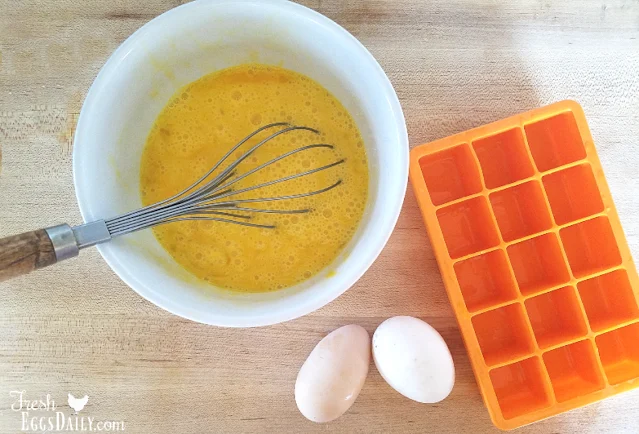
To properly freeze eggs, they must be removed from the shell and processed into a homogenous mixture. Professional guidelines suggest lightly whisking the eggs to combine the whites and yolks without incorporating excessive air. A critical challenge in freezing whole eggs or yolks alone is a phenomenon known as gelation. When egg yolks are frozen, the lipoproteins in the yolk aggregate into a thick, rubbery paste that does not return to a fluid state upon thawing. To prevent this textural degradation, experts recommend the addition of a stabilizer. Adding approximately 1/8 teaspoon of salt or 1.5 teaspoons of sugar per cup of beaten eggs can interfere with the gelation process, ensuring the defrosted product maintains a smooth, usable consistency.

Chronology of the Annual Egg Cycle and Preservation Timeline
The management of a backyard flock follows a distinct chronological pattern that dictates when preservation efforts should be prioritized.
- Spring (March – May): This period marks the peak of production. As daylight increases, hens reach their maximum laying potential. This is the initial window for collecting surplus eggs for storage.
- Summer (June – August): Production remains high, though extreme heat can occasionally cause a slight dip in output. During these months, the surplus typically reaches its zenith, making it the most critical time for freezing and preservation activities.
- Fall (September – November): As days shorten, the molting process begins. Producers will notice a significant decrease in the number of eggs gathered daily. This is the transition period where the household begins to rely on the "egg bank" established during the summer.
- Winter (December – February): This is the period of lowest production. Without supplemental lighting in the coop, most hens will cease laying entirely. The preserved, frozen eggs become the primary source for winter baking and breakfasts.
Supporting Data and Economic Context
The practice of freezing eggs has gained renewed attention in recent years due to volatility in the commercial egg market. According to data from the Bureau of Labor Statistics (BLS), egg prices have seen historic fluctuations due to factors such as Highly Pathogenic Avian Influenza (HPAI) outbreaks and rising feed costs. In 2022 and early 2023, the Consumer Price Index for eggs rose by over 70% in some regions. This economic pressure has incentivized backyard poultry owners to maximize the utility of their flocks.
Research into food waste also supports the enrichment of egg preservation strategies. The Food and Agriculture Organization (FAO) of the United Nations estimates that nearly one-third of all food produced globally is lost or wasted. For the small-scale producer, failing to preserve a summer surplus represents not only a loss of nutrition but also a waste of the resources (feed, water, and labor) invested in the poultry during the high-production months. By freezing eggs, households can achieve a zero-waste cycle that aligns with sustainable agricultural practices.
Safety Standards and Official Recommendations
When preserving eggs, adherence to food safety protocols is paramount to prevent foodborne illnesses such as Salmonellosis. The USDA recommends that frozen egg products be stored at 0°F (-18°C) or colder. While frozen eggs can technically remain safe to eat indefinitely if the temperature is maintained, their quality and functional properties begin to decline after approximately 12 months.
Official responses from food scientists emphasize the importance of labeling. Because salt or sugar must be added to prevent yolk gelation, containers must be clearly marked to indicate which additive was used. An egg preserved with salt is suitable for savory dishes like omelets, while an egg preserved with sugar is better suited for cakes, cookies, and other desserts. Furthermore, the thawing process must be handled with care; eggs should be defrosted in the refrigerator overnight rather than at room temperature to prevent the growth of harmful pathogens.
Broader Implications for Food Security and Self-Sufficiency
The move toward localized food production and preservation reflects a broader societal shift toward self-sufficiency. Lisa Steele’s advocacy for "old-timers’ methods" combined with modern safety standards provides a roadmap for individuals looking to decouple their food supply from the industrial agricultural complex. The ability to store high-quality protein for six to nine months provides a buffer against supply chain disruptions and seasonal scarcity.

Beyond the practical benefits, the preservation of eggs fosters a deeper understanding of seasonal rhythms. In a modern retail environment, consumers have become accustomed to the year-round availability of all food products, often forgetting the biological costs associated with such consistency. Backyard poultry management reintroduces the concept of "seasonal eating," where the summer’s abundance is carefully curated to sustain the household through the winter’s dormancy.
Comparative Analysis of Preservation Methods
While freezing is a highly effective and accessible method for the average household, it is one of several techniques used in the homesteading community. Other methods include:
- Water Glassing: An ancient method involving the immersion of clean, unwashed eggs in a solution of hydrated lime (calcium hydroxide) and water. This seals the pores of the shell and can preserve eggs at room temperature for up to a year. However, it requires eggs with the "bloom" or cuticle intact, which is not possible with store-bought eggs.
- Dehydration: Eggs can be cooked and then dehydrated or freeze-dried to create a shelf-stable powder. This is highly effective for long-term storage but requires specialized equipment like a freeze-dryer for optimal results.
- Pickling: Hard-boiled eggs can be preserved in a vinegar-based brine. While this extends shelf life, it significantly alters the flavor and texture, limiting the eggs’ use to snacks or salads rather than general cooking.
Compared to these methods, freezing offers the best balance of ease, safety, and culinary versatility. It does not require specialized chemicals or expensive machinery, and the resulting product is nearly indistinguishable from fresh eggs when used in complex recipes.
Conclusion: The Strategic Value of the "Egg Bank"
The integration of egg freezing into the annual management of backyard poultry is more than a convenience; it is a strategic necessity for sustainable living. By recognizing the biological limits of their flocks and planning for the inevitable winter decline, poultry keepers can stabilize their food supply and reduce reliance on commercial markets. As agricultural trends continue to favor localized, resilient food systems, the techniques championed by experts like Lisa Steele serve as vital tools for the modern homesteader. The "feast or famine" cycle of the chicken coop, once a source of frustration, becomes a manageable aspect of a productive and efficient domestic economy through the simple science of cryopreservation.
