
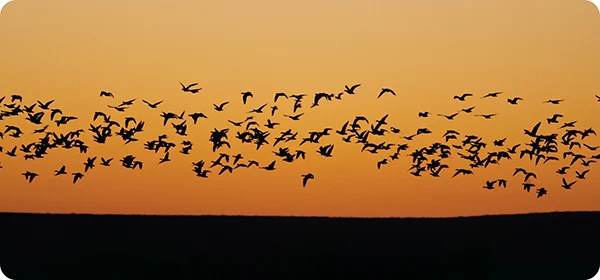
September marks a pivotal period of transition across the natural world, impacting everything from the rhythms of human activity to the intricate biological imperatives of avian life. As the fervent energy of summer vacations wanes and the structured routines of academic pursuits and fall sports take hold, the environment itself undergoes a profound metamorphosis. This annual shift, characterized by cooling breezes replacing summer’s heat, the maturation of flora from vibrant blooms to seed-bearing structures, and the impending spectacle of autumnal foliage, presents a critical juncture for many species, particularly birds, as they prepare for the demanding challenges of molting and migration.
The Biological Imperative of Autumnal Transitions
For avian populations, September is far from a period of rest. Parental duties, which dominated the spring and early summer months, are largely concluded for the season. The shortening daylight hours serve as a powerful biological cue, triggering a restless anticipation for the long journeys that many species undertake to reach their wintering grounds. This internal clock is further synchronized with physiological changes. Many birds are in the process of molting, a necessary but energetically costly procedure where old, worn feathers are systematically replaced with a fresh set of plumage. These new feathers are not merely aesthetic; they are vital for maintaining efficient flight, essential for long-distance migration, and critical for providing insulation against the dropping temperatures and moisture, ensuring survival through the colder months.
The dual demands of molting and migration place immense physiological pressure on birds. The process of growing an entirely new set of feathers, a transformation that can last anywhere from four to eight weeks, significantly increases a bird’s protein requirements. Protein is the fundamental building block of feathers, and the energy expenditure associated with feather regeneration is substantial. Simultaneously, birds preparing for migration must amass significant fat reserves. This often involves a dramatic increase in food intake, leading some species to double their body weight in a matter of weeks. This stored fat serves as the primary fuel source for the arduous and sustained flights that can cover thousands of miles.
The urgency for optimal nutrition during this period cannot be overstated. For birds, failure to acquire adequate protein for feather replacement or sufficient fat for migration is not an option; it directly impacts their survival. Consequently, their feeding behaviors become intensely focused on high-fat and high-protein food sources. This biological imperative creates a distinct opportunity for human observers and conservationists to support avian populations during this critical phase.
An Opportunity for Backyard Conservation
The heightened nutritional needs of birds during September offer a unique window for individuals to contribute to their well-being through strategic backyard feeding. By providing readily accessible and nutrient-dense foods, people can play a direct role in supporting the health and migratory success of local bird populations. This not only benefits the birds but also enhances the observational experience for backyard enthusiasts, allowing them to witness the seasonal transitions firsthand.
The selection of appropriate bird feed is paramount. Foods that are rich in fats and proteins are ideal for this time of year. This includes a variety of offerings such as specialized WBU Plus Blends, which are often formulated to meet the specific nutritional demands of migratory and molting birds. Peanuts, in their shelled or kernel form, are an excellent source of protein and fat. Nyjer® seed, while primarily a protein source, is also highly sought after by many small finches, providing essential nutrients. Sunflower chips, known for their high fat content, are a universally popular and energy-dense option.
Furthermore, suet, particularly during the cooler months, is an exceptionally valuable food source. Its high fat content provides a concentrated energy boost, crucial for maintaining body temperature and fueling strenuous activity. For insectivorous birds, Bark Butter® products, which are a blend of suet and peanut butter, offer a rich source of protein and fat, mimicking natural food sources and attracting a diverse range of species.
By strategically placing these high-energy foods in feeders, individuals can directly address the nutritional gaps birds face as they navigate the demanding processes of molting and migration. This proactive approach not only aids the birds but also fosters a deeper connection with nature, allowing for the observation of increased avian activity and diversity in one’s own backyard.
Supporting Bird Health: Scientific Perspectives and Data
The nutritional science behind bird migration and molting is well-documented. Research in ornithology consistently highlights the critical role of specific macronutrients in supporting these physiological processes. For instance, studies on migratory birds have shown a direct correlation between pre-migration fat stores and survival rates. A meta-analysis published in the Journal of Avian Biology indicated that individuals with higher body fat percentages exhibited significantly better navigation accuracy and reduced mortality during long-distance flights.
The protein requirements for feather synthesis are also substantial. Feathers are composed primarily of keratin, a fibrous structural protein. During a full molt, a bird can lose and regrow hundreds or even thousands of feathers. A study conducted by the Cornell Lab of Ornithology found that protein intake can increase by as much as 50% during peak molting periods in some passerine species. This increased demand necessitates access to protein-rich food sources, such as insects, seeds, and formulated bird feeds.
The energetic cost of molting is also significant. Beyond the direct synthesis of keratin, the body must maintain its metabolic rate to support immune function and other vital processes while diverting resources to feather growth. This is why fat reserves are equally important during this period, acting as a readily available energy source to fuel both molting and the maintenance of essential bodily functions.

The availability of food resources in natural environments can fluctuate significantly due to weather patterns, habitat degradation, and seasonal changes. This variability can create periods of nutritional scarcity, making supplemental feeding by humans a valuable resource for many bird species. By offering high-quality bird feed, individuals can buffer against these natural fluctuations and provide a consistent source of essential nutrients.
Expert Endorsements and Educational Resources
The importance of providing appropriate nutrition for birds during transitional periods is a recurring theme in avian conservation and education. Experts in ornithology and backyard bird feeding consistently emphasize the benefits of offering a diverse range of high-energy foods during fall.
John James, a renowned ornithologist and author, has frequently spoken about the critical role of backyard feeding in supporting migratory bird populations. "Many of our songbirds travel thousands of miles each year," James stated in a recent interview. "The energy reserves they build up before migration, and the ability to replace worn feathers during the journey, are absolutely vital. Providing them with readily available, high-quality food sources like sunflower seeds, suet, and specialized blends can make a tangible difference in their survival rates."
Brian Smith, a leading researcher in avian physiology, echoed these sentiments. "The metabolic demands of molting are often underestimated," Smith explained. "It’s an internal overhaul that requires a significant investment of energy and protein. Birds that are well-nourished during this time are more likely to complete their molt efficiently, which in turn improves their flight performance and thermoregulation for the coming winter and their subsequent migration."
To further educate the public on these crucial aspects of avian life, Wild Birds Unlimited offers a range of resources. Their "Nature Centered" podcast, for example, features episodes dedicated to understanding and supporting birds through seasonal changes. The episode titled "Basics of Transition" provides in-depth insights from experts John and Brian, offering practical advice on how to attract a wider variety of birds to backyard feeders during the fall. This educational initiative underscores the organization’s commitment to not only providing quality products but also fostering a knowledgeable and engaged community of nature enthusiasts.
Broader Implications for Ecosystem Health and Human Connection
The act of providing supplemental food for birds during September and the subsequent fall season carries broader implications that extend beyond individual bird survival. Well-nourished bird populations contribute to the overall health and resilience of local ecosystems. Birds play vital roles as pollinators, seed dispersers, and insect predators, influencing plant reproduction and pest control. By supporting their nutritional needs during critical transition periods, humans indirectly contribute to the maintenance of these ecological services.
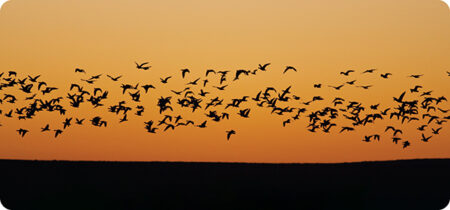
Furthermore, the practice of backyard bird feeding fosters a deeper connection between humans and the natural world. In an increasingly urbanized and disconnected society, the simple act of observing birds at a feeder can provide a valuable source of stress relief, mindfulness, and educational opportunity. It allows individuals, particularly children, to learn about the natural world, animal behavior, and the importance of conservation in a tangible and engaging way. The visual spectacle of birds undergoing their seasonal transformations—from the vibrant colors of new plumage to the energetic preparations for long journeys—offers a unique and enriching experience that can cultivate a lifelong appreciation for nature.
The consistent presence of birds at feeders also serves as an early warning system for environmental changes. Declines in bird populations or shifts in species distribution can signal broader ecological issues, prompting further investigation and conservation efforts. Therefore, actively supporting bird health through thoughtful feeding practices contributes not only to the well-being of avian species but also to the broader health of our planet and the enrichment of human lives.
Looking Ahead: Sustaining Avian Well-being Through Seasonal Challenges
As the days continue to shorten and the air grows crisper, the importance of understanding and supporting birds through their seasonal transitions remains paramount. The challenges of molting and migration are formidable, requiring birds to tap into their physiological reserves and rely on available food sources for survival. By offering high-protein and high-fat foods, individuals can act as vital allies to these remarkable creatures. The continued engagement with educational resources and a commitment to providing appropriate nutrition will ensure that backyard habitats remain vibrant and supportive ecosystems, allowing both birds and humans to experience the beauty and wonder of nature’s cyclical transformations.
