
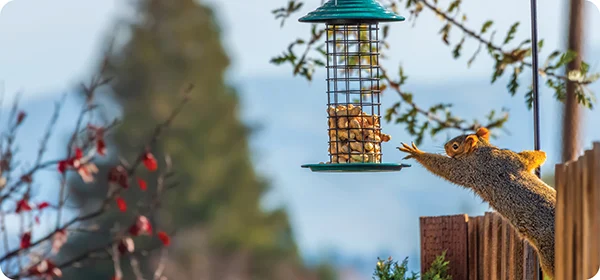
The allure of a well-stocked bird feeder is undeniable, offering a vibrant spectacle of avian activity and a welcome connection to nature. However, this feathered paradise often attracts a host of uninvited guests, from agile squirrels to flocks of opportunistic birds, turning a peaceful hobby into a daily battle for sustenance. This pervasive issue, affecting backyard bird enthusiasts across North America, prompts a critical examination of effective strategies to ensure that valuable birdseed reaches its intended recipients. Wild Birds Unlimited (WBU), a leading franchise system of backyard bird feeding and nature specialty stores, has long been at the forefront of providing solutions, offering a comprehensive approach to managing "critter" incursions and reclaiming feeders for the birds.
The Persistent Challenge of Backyard Critters
The fundamental challenge lies in the inherent nature of wildlife. For many creatures, particularly squirrels, finding a consistent and easily accessible food source is paramount to survival. Backyard bird feeders, with their readily available, high-energy seeds, represent an irresistible bounty. Squirrels, renowned for their intelligence, agility, and problem-solving abilities, can quickly master the art of raiding feeders, often consuming significant quantities of expensive birdseed and even damaging the feeders themselves. Beyond squirrels, larger bird species, sometimes termed "nuisance" birds, can also dominate feeders, consuming seed at an accelerated rate and deterring smaller, more delicate songbirds that are often the primary focus for hobbyists.
Data from wildlife management agencies suggests that squirrel populations, particularly in suburban environments, remain robust. For instance, studies in urban and suburban areas indicate that squirrels can consume anywhere from 10% to 25% of available birdseed, depending on the feeder design and surrounding environment. This loss not only represents a financial burden for bird enthusiasts but also impacts the overall health and diversity of bird populations that rely on these supplemental food sources. The frustration is palpable for many, who invest time and resources into creating a welcoming habitat, only to see it exploited by persistent invaders.
A Strategic Approach to Squirrel Deterrence
Wild Birds Unlimited emphasizes a multi-faceted strategy to outsmart squirrels, focusing on physical barriers and intelligent feeder design. The organization’s Certified Bird Feeding Specialists® are trained to diagnose specific backyard challenges and recommend tailored solutions.
The Power of Baffles
One of the most effective deterrents against squirrels is the strategic use of baffles. These devices are designed to prevent squirrels from climbing onto feeder poles or reaching feeders suspended from trees.
-
Stovepipe Baffles: For pole-mounted feeders, stovepipe baffles are a highly recommended solution. These are typically smooth metal cylinders that, when installed correctly, create an insurmountable obstacle for squirrels. The key to their effectiveness lies in proper placement: the baffle should be at least five feet above the ground. Furthermore, the entire pole system, including the feeder, must be situated at least ten feet away from any potential launch points such as trees, bushes, fences, or other structures. This distance prevents squirrels from leaping onto the pole or directly onto the feeder from an elevated position. When installed in this manner, any feeder hung on the pole becomes effectively squirrel-proof.
-
Domed Squirrel Baffles: For feeders hung from trees or other overhead structures, a domed baffle positioned above the feeder is crucial. This dome acts as a protective canopy, preventing squirrels from descending along the hanging chain or wire. The smooth, wide surface of the dome makes it difficult for them to gain purchase and reach the feeder.
-
Caged Feeders and Inserts: Another innovative solution involves retrofitting feeders with exclusion cages, often referred to as "cages." These metal enclosures, available in various sizes and mesh dimensions, create a barrier around the feeder. While allowing smaller birds to pass through and access the seed, the larger openings of the cages effectively exclude squirrels and larger "nuisance" birds. This method offers a dual benefit of protecting the seed and ensuring access for desirable avian visitors.
The implementation of these baffling techniques has seen significant success rates. Anecdotal evidence from WBU stores suggests that customers who adopt these solutions report a dramatic reduction in squirrel activity, often within days of proper installation. The investment in a good baffle system is typically recouped quickly through reduced seed loss.
Addressing "Nuisance" Birds
The term "nuisance birds" is a subjective one, but in the context of backyard bird feeding, it refers to species that congregate in such numbers or consume seed so voraciously that they prevent smaller, preferred birds from accessing the feeders and deplete the seed supply rapidly. Common examples include starlings, grackles, and house sparrows. WBU advocates for a nuanced approach that encourages desired species while discouraging others through careful selection of food and feeder types.
Strategic Food Selection
The type of birdseed offered is a critical factor in managing feeder visitors. Certain seeds are highly palatable to a wide range of birds, including those considered "nuisance" species, while others are more selective.

-
Seeds to Avoid: Cracked corn and millet are often favored by larger, less desirable birds. While they are inexpensive, their inclusion in mixes can inadvertently attract these species and lead to rapid depletion of the feeder’s contents.
-
Recommended Seeds:
- Safflower: This bitter-tasting seed is generally disliked by squirrels and many common nuisance birds like starlings and grackles. However, it is a favorite among many desirable backyard birds, including cardinals, chickadees, finches, and titmice. Its introduction can significantly shift the demographic at the feeder.
- Pure Suet Cakes: While suet blends often contain fillers that appeal to a broad range of birds, including starlings, pure suet cakes are particularly attractive to woodpeckers, nuthatches, and chickadees. Starlings, which can be aggressive at feeders, tend to be less interested in plain suet. Offering suet cakes in specialized feeders can further isolate them from other feeder types.
- Nyjer Seed: This tiny, black seed is a favorite of goldfinches and other small finches. It requires specialized feeders with very small ports, which effectively exclude larger birds and squirrels.
Feeder Design for Selectivity
Beyond food choices, feeder engineering plays a vital role in dictating which birds can access the seed.
-
Weight-Activated Feeders: These feeders are equipped with a mechanism that closes off feeding ports when a certain weight is applied. They can be calibrated to close when a squirrel or a larger bird lands on them, but remain open for smaller birds that weigh less. This technology offers a sophisticated solution to deterring heavier visitors.
-
Cage Feeders: As mentioned previously, feeders enclosed within a wire mesh cage are highly effective. The spacing of the cage openings is designed to allow smaller birds to enter and feed while preventing larger birds and squirrels from accessing the seed ports.
-
Perch Design: The length and presence of perches can also influence feeder accessibility. Feeders with short perches, or those with no perches at all, favor smaller birds that can cling directly to the feeding ports or perch on the edge. Larger birds often require longer perches for stability, making feeders with minimal or no perches less inviting to them.
The Expert Touch: Wild Birds Unlimited’s Role
Wild Birds Unlimited has cultivated a unique position in the market by not only offering a curated selection of high-quality bird feeding products but also by providing expert advice. Their Certified Bird Feeding Specialists® are trained to assess individual backyard ecosystems, understand local wildlife patterns, and guide customers towards the most effective solutions for their specific challenges. This personalized approach has been instrumental in building customer loyalty and ensuring the success of backyard bird feeding endeavors.
The company’s commitment to education extends beyond in-store consultations. They actively promote resources such as their "Nature Centered Podcast," which features episodes dedicated to topics like "Critter Solutions." This podcast serves as an accessible platform for bird enthusiasts to glean insights and practical tips from experts. Episode 76, specifically titled "Critter Solutions," delves into the strategies discussed, offering a deeper dive into the science and art of managing backyard wildlife.
A Broader Impact and Future Implications
The effective management of backyard critter challenges has implications beyond the individual hobbyist. By providing controlled and accessible food sources, bird feeders contribute to the health and survival of local bird populations, especially during challenging seasons. When feeders are consistently raided by squirrels or dominated by a few large species, the intended beneficiaries – a diverse array of smaller songbirds – may suffer from a lack of reliable nutrition.
The strategies promoted by organizations like Wild Birds Unlimited, therefore, contribute to ecological balance within urban and suburban environments. They empower individuals to become responsible stewards of their local wildlife, fostering a harmonious coexistence between humans and nature. As urban sprawl continues to encroach on natural habitats, backyard bird feeding, when managed thoughtfully, can become an increasingly vital component of conservation efforts, providing essential resources for birds navigating human-dominated landscapes.
The ongoing evolution of feeder design and the increasing understanding of animal behavior suggest that solutions will continue to improve. Future innovations may involve even more sophisticated deterrents, perhaps leveraging scent or sound, or more advanced materials that are inherently unappealing to common pests. However, the core principles of physical exclusion, strategic food selection, and understanding the behavior of both target and non-target species are likely to remain the cornerstones of effective critter management for years to come. The ongoing dialogue and sharing of best practices within the bird feeding community, facilitated by organizations and educational platforms, will be crucial in ensuring that the joy of backyard bird watching can be sustained and enjoyed by all, feathered and human alike.
