

Woodpeckers are truly wonderful, captivating creatures that grace our backyards with their presence, offering an entertaining spectacle of their daily activities. However, their remarkable resilience and specialized adaptations elevate them beyond mere wonder to a realm of awe, particularly when considering the physically demanding nature of their existence. These birds undertake a life of what could be described as constant, rigorous labor, a lifestyle that would likely be considered unsustainable by most other avian species. Their ability to thrive in such a punishing environment is a testament to millions of years of evolutionary innovation, resulting in a suite of physiological and anatomical features that allow them to perform feats of strength and endurance that defy common understanding.
The Science Behind the Drumming: Unpacking Woodpecker Adaptations
The most striking characteristic of woodpeckers, and the source of much of their physical prowess, is their unique ability to repeatedly strike trees with their heads at astonishing speeds. Studies have revealed that during the act of excavating a cavity, a woodpecker’s head can impact a tree’s surface at velocities reaching up to 13 miles per hour. The immense force generated by these impacts, estimated to be around 10 G-forces, is extraordinary. To put this into perspective, a force of 10 Gs would be catastrophic for most other birds, leading to severe brain trauma. Even the human brain, considerably more robust than that of many smaller animals, is three times more susceptible to concussion than a woodpecker’s brain at comparable speeds. The sheer thought of repeatedly impacting a solid surface at such a velocity, akin to a human running headfirst into a tree at full sprint, highlights the incredible physiological protections in place.
Scientists have dedicated considerable research to understanding how woodpeckers avoid debilitating injury from this relentless pounding. A primary factor is their unique skull structure, which is distinct among avian species. This specialized skull is characterized by lightweight, spongy bone that is exceptionally strong due to an intricate internal meshwork of reinforcing bony struts. This intricate design effectively absorbs and distributes the shock of each impact, preventing it from directly transferring to the brain. Furthermore, the woodpecker’s skull is notably small in proportion to the size of its brain. This anatomical arrangement creates a snug fit, minimizing the space within the cranial cavity. Consequently, the brain has very little room to move or rattle during severe impacts, significantly reducing the risk of contusion or damage. This precise fit is a crucial element in their ability to withstand such extreme forces.
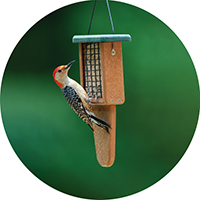
Beyond the protection of their brains, woodpeckers also possess remarkable adaptations to maintain their primary tools: their bills. The constant excavation process would logically lead to significant wear and tear on their beaks. However, specialized cells located at the tip of the bill are continuously regenerating and replacing lost material. This remarkable regenerative capability ensures that their chisel-pointed bills remain strong, sharp, and resilient. In fact, the abrasive nature of their work actually contributes to a self-sharpening effect, ensuring their bills are always in optimal condition for their arduous tasks. This continuous renewal process is vital for their survival, enabling them to perform their essential functions without their primary tools becoming rendered useless.
The forceful impact of a woodpecker’s bill against wood inevitably creates a significant amount of airborne debris. To protect themselves from this flying particulate matter, woodpeckers have evolved a sophisticated, built-in personal protective equipment system. Tufts of stiff, bristle-like feathers grow over their nostrils, acting as a natural "dust mask" to prevent small wood fragments from entering their respiratory system. Complementing this is a specialized third eyelid, a transparent nictitating membrane. This unique eyelid acts as a pair of "safety glasses," sweeping across the eye to clear away debris and protect the delicate cornea during excavation without obscuring their vision entirely. These combined adaptations are crucial for their health and ability to continue their work without succumbing to respiratory or ocular damage.
A Glimpse into Their World: Understanding Woodpecker Behavior and Ecology
Woodpeckers are not merely fascinating for their physical resilience; they also play a vital role in forest ecosystems. As primary excavators, they create cavities that are essential nesting sites for numerous other bird species, as well as for mammals like squirrels and bats. These abandoned nest holes, often referred to as "woodpecker hotels," provide crucial shelter in environments where natural cavities are scarce. The species of woodpecker and the type of tree they excavate in can influence the size and depth of these cavities, thus catering to a diverse range of potential inhabitants.
The drumming behavior of woodpeckers, often perceived as simply a sign of their work, also serves significant communicative purposes. It is used for territorial defense, attracting mates, and signaling their presence to rivals. Different species have distinct drumming patterns, allowing for species recognition. This auditory communication is a critical aspect of their social structure and reproductive success. The intensity and duration of drumming can vary, with territorial displays often being more vigorous and prolonged than those used for mate attraction.

The diet of woodpeckers is also diverse and contributes to their ecological importance. While many are insectivores, feeding on grubs and insects found within tree bark and wood, others supplement their diet with fruits, nuts, and seeds. This varied diet means they can be found in a range of habitats, from dense forests to more open woodlands and even suburban areas. Their foraging habits also help to control insect populations, particularly those that can be damaging to trees.
Attracting These Remarkable Birds to Your Backyard
For those who wish to observe these incredible creatures up close, attracting woodpeckers to backyard feeders is a rewarding endeavor. Wild Birds Unlimited (WBU) offers a variety of specialized foods designed to appeal to their dietary needs and preferences. High-energy options such as WBU suet, no-melt dough, and Bark Butter products are particularly effective. These provide essential fats and nutrients, especially during colder months when natural food sources may be scarce.
Additionally, offering shelled peanuts and seed blends like the TreeNutty® Plus Blend can attract a wider array of woodpecker species. These foods provide protein and other vital nutrients. For a specialized treat, the WBU Woodpecker Cylinder is formulated to be a favorite among these birds, offering a concentrated source of their preferred foods. By providing these offerings, backyard bird enthusiasts can create a welcoming environment for woodpeckers, allowing for unparalleled opportunities to witness their fascinating behaviors and remarkable adaptations firsthand.
The presence of woodpeckers in a backyard can also serve as an indicator of a healthy local ecosystem. Their reliance on trees for food and shelter means that areas with established trees and a healthy insect population are more likely to attract them. Therefore, efforts to conserve and plant trees can indirectly benefit woodpecker populations and the broader biodiversity of an area.

Broader Implications and Ongoing Research
The study of woodpeckers continues to yield fascinating insights into avian biology and evolutionary adaptation. Researchers are constantly exploring new facets of their physiology, biomechanics, and ecological roles. For instance, ongoing research is investigating the long-term effects of repeated impacts on their neurological health, even with their specialized protections. Understanding the genetic basis for their unique adaptations could also have implications for fields beyond ornithology, potentially informing the design of protective gear or medical interventions for humans.
The conservation status of various woodpecker species also warrants attention. While some species are common and widespread, others face threats from habitat loss, deforestation, and climate change. The creation and preservation of suitable habitats, including the maintenance of mature trees that provide foraging and nesting opportunities, are crucial for ensuring the continued survival of these remarkable birds. Backyard conservation efforts, such as providing feeders and planting native trees, can play a small but significant role in supporting local woodpecker populations.
The podcast "Nature Centered" from Wild Birds Unlimited has dedicated an episode, "Wonderful Woodpeckers," to further exploring the intricacies of these birds. This resource offers listeners an opportunity to delve deeper into their biology, behavior, and the importance of their role in the natural world. Such educational initiatives are vital for fostering a greater appreciation and understanding of avian life and promoting conservation efforts.
In conclusion, woodpeckers are far more than just birds that drum on trees. They are paragons of evolutionary ingenuity, possessing a suite of extraordinary adaptations that enable them to thrive in an environment that would be lethal to most. Their toughness, combined with their ecological importance and captivating behaviors, makes them truly wonderful and worthy of our admiration and conservation efforts. By understanding their unique biology and providing them with the resources they need, we can ensure these magnificent drummers continue to enrich our natural world for generations to come.
