
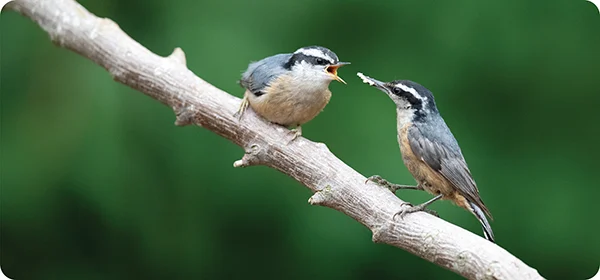
The arrival of young birds in our yards and at our feeders is a universally recognized source of delight, offering a tangible connection to the natural world and a testament to the resilience of avian life. This annual phenomenon, observed across diverse ecosystems, provides a unique opportunity for humans to witness and contribute to the successful propagation of bird populations. The active presence of fledgling birds, their clumsy explorations, and their reliance on parental care are not merely charming spectacles; they represent a critical phase in the avian life cycle, one that can be significantly influenced by human actions and environmental conditions. Understanding the factors that support successful nesting and fledging is paramount for conservation efforts and for maximizing the well-being of these feathered inhabitants of our shared spaces.
The Cycle of Renewal: Witnessing New Life
The sights and sounds of young birds emerging from their nests and venturing into the wider world are among nature’s most cherished offerings. From the tentative first flights of bluebirds, guided by their devoted parents to nearby feeders, to the boisterous demands of fledgling chickadees and goldfinches, each interaction underscores the universal drive for survival and growth. Even the seemingly awkward attempts of young woodpeckers to master feeder mechanics or their patient waiting for a share of suet or specialized food blends like Bark Butter® highlight the innate learning processes of these species. These moments serve as a powerful reminder of the ongoing cycle of life, where a new generation embarks on its journey, often dependent on the resources we make available.
The significance of these observed behaviors extends beyond mere aesthetic appeal. Research indicates a strong correlation between consistent access to supplemental feeding and an earlier onset of breeding in many bird species. Studies, such as those published in ornithological journals like "The Auk" and "Ecology," have demonstrated that birds that benefit from readily available food sources tend to initiate egg-laying earlier in the season. This temporal advantage is crucial, as early broods often face less competition for resources and exhibit higher rates of survival and fledging success compared to those hatched later in the season. This phenomenon is attributed to a confluence of factors, including more favorable weather conditions in the early spring and a greater abundance of insect prey, which is vital for chick development.
The Impact of Supplemental Feeding on Nesting Success
The provision of bird feeders is not simply a charitable act; it is an intervention that can profoundly impact the reproductive success of avian populations. Supplemental feeding allows breeding females to allocate less time and energy to foraging, thereby freeing up valuable resources for crucial nesting activities. This translates into more time dedicated to selecting optimal nesting sites, which can offer better protection from predators and the elements, and to constructing more robust and secure nests. Furthermore, with a reduced need for constant foraging, parent birds can dedicate more attention to nest defense, safeguarding their eggs and vulnerable young from a myriad of threats, including predation and adverse weather events.
The nutritional benefits derived from reliable feeder access are also substantial. When parent birds have consistent access to high-quality food, they are better equipped to forage for a wider variety of natural food sources for their offspring. This enhanced nutritional intake has been scientifically observed to reduce aggression among nestlings, a common issue when siblings compete intensely for limited food. Reduced sibling rivalry, in turn, promotes more uniform growth rates and increases the overall health and vigor of the young birds, thereby improving their chances of survival once they leave the nest. The protein and calcium content of specialized foods, such as Wild Birds Unlimited’s Nesting SuperBlend® and Bark Butter, are particularly critical during this demanding period, supporting both the developing embryos and the growing demands of the fledglings.
Beyond Feeders: Holistic Nesting Support
While supplemental feeding plays a pivotal role, it is only one component of a comprehensive strategy for supporting nesting birds. The provision of suitable nesting structures, such as properly designed and installed nest boxes, can significantly enhance nesting success rates. These artificial habitats offer crucial shelter, particularly during periods of extreme cold and damp weather, which can otherwise prove detrimental to eggs and young chicks. The design of these boxes, including dimensions, ventilation, and predator guards, is critical to their effectiveness and should be tailored to the specific needs of target species.

Equally vital is the cultivation of a supportive natural habitat within the yard. An overly manicured or "immaculately groomed" yard may lack the essential resources that birds require for successful nesting. This includes providing a variety of nesting materials, such as twigs, grasses, and plant down, which are often less available in highly maintained landscapes. Furthermore, the strategic planting of native trees, shrubs, and wildflowers creates a more biodiverse environment. These native plants not only offer essential nesting sites, providing the structural support and concealment necessary for a successful nest, but also serve as a consistent and reliable source of natural food, including insects, seeds, and berries, throughout the breeding season. This integrated approach, combining artificial provisions with the restoration and enhancement of natural habitats, creates a more resilient and supportive environment for nesting bird populations.
Specialized Nutritional Support for Nesting Families
Recognizing the specific dietary needs of nesting birds, Wild Birds Unlimited offers specialized products designed to provide essential nutrients during this critical period. Their Nesting SuperBlend®, for instance, is a meticulously formulated mixture that includes sunflower chips, peanuts, mealworms, Bark Butter Bits®, Nutrasaff, tree nuts, and calcium. This blend is particularly beneficial for birds in the pre-nesting phase, during incubation and chick-rearing, and for the young as they transition to independence. The high protein content from ingredients like mealworms and nuts supports the energy demands of egg production and rapid chick growth, while the added calcium is crucial for bone development in both parents and offspring. Bark Butter, a high-energy food source, also provides essential fats and proteins, contributing to the overall health and vigor of nesting families.
A Broader Perspective: Conservation and Human Stewardship
The joy derived from observing nesting birds is intrinsically linked to the understanding that our actions can have a profound positive impact on their survival. The research substantiating the benefits of supplemental feeding and habitat provision underscores the role of human stewardship in supporting avian populations. As urban and suburban landscapes continue to expand, the natural habitats available to birds are often fragmented and diminished. In this context, backyard bird feeding and landscaping practices become not just recreational activities, but essential components of local conservation efforts.
The implications of these practices extend beyond individual yards. Widespread adoption of bird-friendly landscaping and responsible feeding can contribute to the health and resilience of bird populations at a community and regional level. This collective effort can help mitigate the impacts of habitat loss and degradation, ensuring that common and even some threatened species can continue to thrive. Furthermore, fostering a deeper connection with nature through the observation of nesting birds can cultivate a greater appreciation for biodiversity and environmental conservation among the general public.
The Ongoing Conversation: Nature Centered Podcast
To further explore the nuances of supporting summer bird populations and understanding the joys of observing avian life, Wild Birds Unlimited offers a dedicated platform for public education. The "Nature Centered" podcast, in its episode "Joy of Summer Birds," delves deeper into the topic, providing listeners with expert insights and practical advice. This initiative reflects the organization’s commitment to not only providing quality products but also to fostering a community of informed and engaged nature enthusiasts. Such educational resources are invaluable in translating scientific understanding into actionable steps for backyard conservation.
About Wild Birds Unlimited
Wild Birds Unlimited stands as a pioneering and expansive franchise system dedicated to backyard bird feeding and nature-specific retail. With over 350 locations spanning the United States and Canada, the organization is committed to fostering a connection between people and nature. Their core mission revolves around providing high-quality bird feeding and nature products, coupled with expert advice and engaging educational events. Through initiatives like the "Nature Centered" podcast and their comprehensive online presence, Wild Birds Unlimited aims to empower individuals to enjoy and contribute to the natural world around them. Their franchise model also offers opportunities for aspiring entrepreneurs to establish their own nature-focused businesses, further expanding their reach and impact. The organization’s dedication to both consumer education and business development highlights a holistic approach to promoting the appreciation and conservation of avian wildlife and their habitats.
