
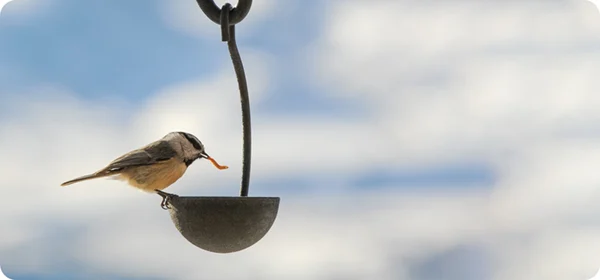
In a unique approach to celebrating Mother’s Day, a growing trend suggests that the most delightful gift for moms might not be flowers or chocolates, but rather an abundance of insects for their feathered friends. This unconventional idea, championed by nature and bird-feeding enthusiasts, stems from the critical role insects play in avian diets, particularly during the nesting season and migratory periods. The initiative encourages individuals to enhance their backyards and bird feeders with insect-based food sources and native plants, thereby supporting local bird populations and providing their mothers with the enriching experience of observing a vibrant, active bird sanctuary.
The Crucial Role of Insects in Avian Nutrition
The notion of gifting "bugs for birds" to mothers is rooted in a fundamental ecological principle: insects are a primary food source for a vast majority of bird species, especially during their reproductive cycles. May, a month synonymous with Mother’s Day celebrations in many parts of the world, also marks the peak nesting season for countless bird species. During this critical period, adult birds rely heavily on insects to provide the protein, fats, and essential nutrients required for the rapid growth and development of their young.
Virtually all bird species that nest in temperate climates feed their hatchlings a diet composed predominantly of insects for the first few weeks of life. This dietary necessity underscores the importance of a robust insect population in backyard ecosystems. By supplementing natural insect availability with readily accessible food sources like mealworms, individuals can significantly bolster the survival rates of fledglings and attract a wider diversity of songbirds. This creates a more dynamic and engaging natural spectacle for observers, particularly for mothers who may appreciate the serene beauty and activity of a thriving bird habitat.
Beyond the nesting season, migratory songbirds also depend on insects as a vital energy source. As these birds undertake arduous journeys, often spanning thousands of miles, they require high-energy foods to sustain their flight. Insects, rich in fats and easily digestible, are the perfect fuel for these migrations. A backyard that offers a consistent supply of insect-based food can become a crucial refueling station for these traveling avian populations. The sighting of a colorful warbler, a busy vireo, a melodious thrush, or a vibrant tanager pausing in one’s own garden can be a source of profound joy and connection to the natural world, offering a unique and memorable Mother’s Day experience.
Strategies for Creating an Insect-Rich Bird Habitat
To effectively transform a backyard into a haven for insect-eating birds, two primary strategies are recommended: the cultivation of native plants and the provision of supplemental insect-based foods.
Cultivating Native Plants: A Living Ecosystem
While traditional bouquets of cut flowers may offer temporary beauty, a more sustainable and ecologically beneficial approach for Mother’s Day involves gifting native plants. These plants, chosen for their suitability to the local climate and soil conditions, provide a long-lasting source of attraction for a diverse array of native insects. Unlike ornamental plants that may offer little to no ecological benefit, native species are the preferred food sources and habitats for indigenous insect populations.
The benefits of native plants extend throughout the summer and beyond. They not only add aesthetic appeal and structural interest to gardens and containers but also serve as the foundational element of a healthy local ecosystem. Many native plants provide nectar for butterflies and bees, pollen for various pollinators, and foliage that serves as a food source and breeding ground for insect larvae. This, in turn, creates a natural buffet for insectivorous birds. For instance, plants like milkweed support Monarch butterfly caterpillars, which are then consumed by birds. Asters and goldenrods, blooming later in the season, attract a multitude of insects that provide sustenance for birds preparing for migration.
The selection of native plants should consider the specific needs of local bird and insect species. This might include flowering plants that provide nectar and pollen, berry-producing shrubs that offer fruit, and trees or host plants that support insect life cycles. By establishing a garden rich in native flora, individuals create a self-sustaining environment that naturally attracts and supports a thriving insect population, thereby indirectly benefiting the birds that rely on them.
Supplemental Insect Foods: A Direct Approach
Complementing the natural insect supply from native plants, providing supplemental insect-based foods directly to birds is a highly effective method for attracting a wider variety of species and supporting their nutritional needs. Among these, mealworms stand out as a particularly valuable and versatile option.
Mealworms, the larval stage of the mealworm beetle, are a concentrated source of protein and fats, closely mimicking the nutritional profile of natural insects. They are readily consumed by a broad spectrum of insectivorous birds, including species that might not typically visit feeders for seeds. Offering mealworms can be particularly beneficial during periods of high demand, such as the nesting season when parent birds are tirelessly foraging for food for their young, or during migration when birds need to replenish their energy reserves.
Several convenient forms of mealworms are available to suit different feeding preferences and methods. Dried mealworms are a readily accessible and cost-effective option that can be offered in standard bird feeders. For a more enticing treat, particularly for species that prefer softer foods, live mealworms are an excellent choice. Their movement and natural appeal can be irresistible to many birds.
Beyond plain mealworms, specialized bird food blends incorporating dried mealworms have been developed to cater to specific avian needs. For example, blends designed for nesting birds often feature a high concentration of dried mealworms alongside other beneficial ingredients to support successful breeding. Similarly, blends formulated to attract insect-eating birds might include a variety of insect-based components and seeds that appeal to species like woodpeckers, chickadees, and nuthatches. Seed cylinders infused with ingredients like bugs, nuts, and berries also offer a long-lasting and appealing food source for insectivorous birds, providing a continuous supply of nutrients.
The "Bugs for Birds" Mother’s Day Initiative: A Growing Trend
The concept of "bugs for birds" as a Mother’s Day gift has gained traction among environmental organizations and bird-feeding retailers as a way to promote ecological awareness and enhance backyard biodiversity. This initiative encourages a shift in perspective, moving away from conventional gifts towards those that offer lasting value and contribute positively to the environment.

The underlying message is that by providing the necessary resources for birds to thrive, individuals are not only supporting wildlife but also creating beautiful and engaging natural spectacles that can be deeply appreciated. For many mothers, the simple act of observing birds in their garden—their colorful plumage, their varied behaviors, and their interactions with their environment—can be a profound source of relaxation, joy, and connection to nature.
Retailers specializing in bird feeding products have embraced this concept by offering curated gift packages and educational materials. These often include starter kits with native plant suggestions, various types of mealworms, and feeders designed to dispense these foods effectively. The aim is to empower individuals with the knowledge and resources to create a bird-friendly habitat that will be enjoyed throughout the year, with a particular focus on the heightened activity and ecological significance of spring and early summer.
Expert Endorsements and Community Engagement
The efficacy of this approach is often supported by ornithological research and endorsements from birding experts. Studies consistently highlight the direct correlation between insect availability and bird populations. For instance, research published in journals like The Auk: Ornithological Advances has documented declines in certain bird species linked to the reduced availability of insect prey, often exacerbated by habitat loss and the widespread use of pesticides.
Nature centers, wildlife rehabilitation organizations, and conservation groups frequently promote similar initiatives, emphasizing the interconnectedness of ecosystems and the importance of citizen science in monitoring and supporting local wildlife. These organizations often provide workshops and resources on native gardening and bird feeding, encouraging community participation in conservation efforts.
The growing engagement with nature during recent years, amplified by increased time spent at home and a greater awareness of environmental issues, has further fueled interest in backyard birding and ecological gardening. This trend suggests a receptive audience for gift ideas that align with these values, making the "bugs for birds" concept a timely and relevant proposition.
Broader Implications and Long-Term Benefits
The "bugs for birds" Mother’s Day initiative carries broader implications beyond a single holiday celebration. It serves as an educational tool, raising awareness about the vital role of insects in the food chain and the importance of preserving natural habitats. By encouraging the planting of native species and the provision of appropriate food sources, it contributes to local biodiversity conservation.
Supporting Data and Ecological Context:
- Insect Dependence: It is estimated that over 96% of terrestrial bird species feed insects to their young at some stage of their life cycle. This highlights the critical reliance of bird reproduction on insect populations.
- Migratory Needs: Migratory birds can burn up to 50% of their body weight during a single long-distance flight. High-fat insects are crucial for replenishing these energy reserves.
- Habitat Restoration: The decline of insect populations due to habitat fragmentation, pesticide use, and climate change has been a significant factor in the observed decreases in bird numbers globally. The North American Bird Conservation Initiative has reported significant population declines in many grassland and migratory bird species.
- Native Plant Benefits: Native plants are often more resilient to local climate conditions, require less water and maintenance, and provide superior habitat and food sources for native insects and birds compared to non-native ornamental species.
Analysis of Implications:
The widespread adoption of this initiative could lead to a significant positive impact on local avian populations. By creating more insect-rich environments, backyards can become vital refuges and breeding grounds, helping to counteract some of the negative effects of urbanization and agricultural practices. Furthermore, it fosters a deeper connection between humans and nature, encouraging a sense of stewardship and responsibility towards the environment. The educational aspect is also crucial; children who grow up with these practices are more likely to become environmentally conscious adults.
Potential Challenges and Considerations:
While the concept is beneficial, successful implementation requires careful planning. Individuals need access to reliable information on native plants suitable for their region and knowledge about appropriate bird feeding practices. It is also important to note that while supplemental feeding can be very helpful, it should ideally complement, rather than replace, natural food sources. Over-reliance on artificial feeders without addressing habitat needs can sometimes lead to unintended consequences.
Conclusion
The "bugs for birds" Mother’s Day concept, though unconventional, offers a deeply meaningful and ecologically responsible way to celebrate the mothers in our lives. It encourages a shift towards gifts that provide lasting value, foster a connection with nature, and contribute to the well-being of local wildlife. By transforming backyards into vibrant ecosystems that support insect life and attract a diverse array of birds, individuals can offer their mothers a unique and enduring gift: the beauty and wonder of a thriving natural world, observed right outside their window. This approach not only delights the senses but also supports vital conservation efforts, making it a truly rewarding and impactful way to honor mothers and the planet.
