
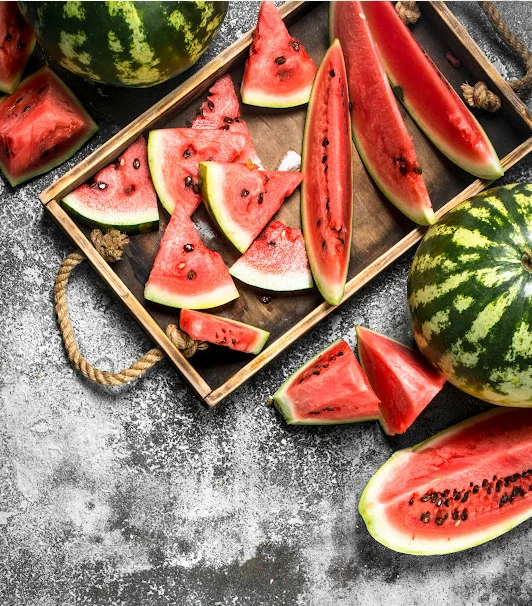
As global temperatures continue to fluctuate and summer heatwaves become more frequent, backyard poultry enthusiasts and small-scale farmers are increasingly seeking natural methods to ensure the health and productivity of their flocks. Among the various supplemental food sources available, watermelon (Citrullus lanatus) has emerged as a premier choice for avian hydration and nutritional fortification. Beyond its role as a refreshing treat, watermelon provides a complex profile of vitamins, minerals, and phytochemicals that support the physiological needs of chickens during periods of environmental stress. Agricultural experts and veteran poultry keepers highlight the fruit’s 92% water content, combined with its unique antioxidant properties, as a vital component of a holistic summer management strategy.
The Nutritional Architecture of Watermelon for Avian Health
The biological requirements of a laying hen or a growing broiler are intensive, requiring a steady intake of micronutrients to maintain bone density, feather quality, and egg production. Watermelon serves as a dense delivery vehicle for several critical vitamins. Vitamin A, present in the form of beta-carotene, is essential for the health of the mucosal membranes and the respiratory system, acting as a first line of defense against pathogens. Vitamin B6 plays a pivotal role in protein metabolism and nervous system function, while Vitamin C provides an immune system boost, which is particularly necessary when chickens are battling heat-induced oxidative stress.
In addition to vitamins, watermelon is rich in essential minerals such as magnesium and potassium. Potassium acts as a vital electrolyte, helping to maintain cellular fluid balance and preventing the debilitating effects of dehydration. Magnesium supports calcium absorption, a factor of paramount importance for laying hens who require significant calcium reserves for eggshell formation. The presence of these minerals in a highly bioavailable, water-based medium ensures that chickens can quickly replenish their systems after a long day in high temperatures.
.jpg)
One of the most significant nutritional benefits of watermelon is its high concentration of lycopene. As a powerful antioxidant, lycopene assists in neutralizing free radicals within the chicken’s body, potentially reducing the risk of chronic conditions such as heart disease and certain types of cellular mutations. Current research suggests that the lycopene levels in watermelon are higher than those found in tomatoes, making it one of the most potent natural antioxidant sources available for livestock.
Enhancing Egg Quality Through Carotenoid Intake
For many backyard farmers, the quality of the egg is the primary metric of success. The visual appeal of an egg—specifically the deep orange hue of the yolk—is often a reflection of the hen’s diet. Watermelon is a significant source of carotenoids, the organic pigments that are deposited into the yolk during its development in the ovary. When chickens consume watermelon regularly, these pigments enhance the vibrancy of the yolk, a trait often associated with higher levels of Omega-3 fatty acids and overall nutrient density.
The relationship between diet and yolk color is well-documented in agricultural science. Consumers and small-scale producers alike favor dark orange yolks, not only for their aesthetic value but for the perceived health benefits of the eggs. By incorporating watermelon into the seasonal diet, poultry keepers can naturally achieve a premium product without the need for synthetic dyes or expensive specialized feeds.
The Role of Cucurbitacin in Natural Parasite Management
Internal parasites, particularly roundworms and tapeworms, represent a constant challenge in poultry management. While chemical anthelmintics are available, many modern keepers prefer "clean" or "natural" methods to avoid the withdrawal periods associated with medication, during which eggs cannot be consumed. Watermelon, as a member of the Cucurbitaceae family, contains a biochemical compound known as cucurbitacin.
.jpg)
Cucurbitacin is a defense mechanism developed by plants to deter herbivores, but in controlled amounts, it has been observed to act as a natural dewormer for poultry. The compound is thought to irritate or stun intestinal parasites, facilitating their expulsion from the host’s digestive tract. While watermelon should not be the sole method for treating a severe infestation, its regular inclusion in the diet serves as a preventative measure, maintaining a gut environment that is less hospitable to parasitic organisms. This "natural wormer" effect is most concentrated in the seeds and the area of the flesh closest to the rind, making it imperative that chickens are allowed to consume the entire fruit.
Mitigating Heat Stress: A Physiological Necessity
Chickens are particularly susceptible to heat stress because they lack sweat glands. To cool themselves, they rely on respiratory evaporation through panting and the radiation of heat through their combs and wattles. When ambient temperatures exceed the "thermoneutral zone" (typically between 60°F and 75°F), the bird’s internal temperature rises, leading to a decrease in feed intake, reduced egg production, and, in extreme cases, organ failure and death.
Providing watermelon during peak heat hours (between 12:00 PM and 4:00 PM) serves a dual purpose. First, the high water content directly addresses the dehydration that accompanies panting. Second, the act of pecking at a cool, moist object provides a form of enrichment that keeps the birds active and engaged, preventing the lethargy that often precedes heat stroke. Many keepers have adopted the practice of refrigerating or freezing watermelon before serving, further lowering the birds’ core body temperature upon ingestion.
Historical Context and the Evolution of Poultry Treats
The practice of feeding garden produce to chickens is as old as poultry domestication itself. Historically, chickens were viewed as the "recyclers" of the farm, turning kitchen scraps and overripe garden vegetables into high-quality protein in the form of eggs and meat. However, the 21st-century shift toward "pet" poultry and artisanal egg production has refined this practice.

In the mid-20th century, the rise of industrial agriculture prioritized standardized grain-based feeds, often sidelining the importance of fresh supplemental foods. In the last two decades, however, a resurgence in backyard homesteading has led to a more nuanced understanding of avian nutrition. The transition from seeing watermelon as a mere "scrap" to recognizing it as a strategic nutritional supplement reflects a broader trend in animal husbandry that emphasizes longevity, welfare, and the quality of animal-derived products.
Strategic Implementation and Feeding Guidelines
While watermelon is overwhelmingly beneficial, its implementation into a flock’s diet should be managed with care. Journalistic observation of successful farms suggests a "moderation first" approach. Because watermelon contains natural sugars (fructose), it should not replace a balanced layer crumble or pellet, which provides the baseline protein and calcium requirements.
Expert recommendations for serving watermelon include:
- Whole-Fruit Access: Slicing a watermelon in half and placing it in the run allows chickens to peck at the flesh, seeds, and rind at their own pace. This method also provides environmental enrichment, reducing pecking order conflicts by keeping the birds occupied.
- The Rind Benefit: It is a common misconception that only the red flesh is valuable. The rind is high in fiber and contains additional minerals. Chickens will often peck a watermelon rind until it is paper-thin, utilizing every available nutrient.
- Hydration Slushies: In extreme heatwaves (100°F+), some keepers blend watermelon flesh with ice and water to create a "slushy." This can be placed in shallow pans, allowing the birds to dip their beaks and wattles into the cold mixture, aiding in external and internal cooling.
- Seed Safety: Unlike the seeds of some fruits (such as apples, which contain trace amounts of cyanide), watermelon seeds are entirely safe and provide a small amount of supplemental protein and fat.
Economic and Environmental Impact
The use of watermelon in poultry care also has broader economic implications for the small-scale farmer. Utilizing "seconds" or "cull" watermelons—those that are misshapen or slightly bruised and therefore unsellable in a retail environment—reduces food waste and lowers feed costs. By sourcing these fruits from local farmers’ markets or grocery stores, poultry keepers participate in a circular economy that benefits both the producer and the livestock.

Furthermore, the shift toward natural supplements like watermelon reduces the reliance on synthetic vitamins and chemical additives. This aligns with the growing consumer demand for "pasture-raised" and "organic-style" eggs. As the market for high-quality, ethically produced food expands, the integration of fresh produce into poultry management becomes not just a matter of bird health, but a savvy business decision for those selling surplus eggs.
Analysis of Implications for the Future of Poultry Husbandry
The data surrounding watermelon as a poultry supplement points toward a larger shift in agricultural philosophy. As climate change increases the frequency of extreme weather events, the ability of small-scale producers to adapt using accessible, natural resources will be critical. The "watermelon strategy" is a microcosm of a move toward resilient, bio-diverse farming practices.
In conclusion, the inclusion of watermelon in a chicken’s summer diet is supported by both traditional wisdom and modern nutritional science. By providing essential hydration, a suite of vital vitamins, and natural parasitic protection, watermelon serves as a cornerstone of effective flock management. As more people return to backyard farming, the emphasis on such multi-functional, natural supplements is expected to grow, ensuring that the next generation of poultry is healthier, more productive, and better equipped to handle the challenges of a changing environment. The simple act of sharing a summer treat thus becomes a sophisticated tool in the pursuit of sustainable and humane animal agriculture.
