
By WBU Inc. | Birds
The annual migration of hummingbirds, a marvel of nature, is a period of eager anticipation for bird enthusiasts across North America. These diminutive avian acrobats undertake epic journeys, traversing thousands of miles to reach their summer breeding grounds. While their arrival can sometimes feel like an eternity, the reward of witnessing these iridescent jewels flitting through gardens and visiting feeders is consistently described as a profound source of joy and wonder. This phenomenon, particularly prominent in the spring, signals a vibrant resurgence of life and a testament to the resilience of these tiny yet mighty creatures.
The Epic Journey of the Hummingbird
The journey these birds embark upon is nothing short of extraordinary. For many species, particularly the Ruby-throated Hummingbird in the eastern United States, this migration spans an astonishing distance of up to 2,000 miles from their wintering grounds in Central America. This arduous trek demands immense energy reserves, requiring them to feed voraciously on nectar and small insects in preparation for the flight. The timing of their arrival is intricately linked to environmental cues, such as the blooming of nectar-rich flowers and warming temperatures, which signal the availability of food sources along their migratory route.
In the western United States, a diverse array of hummingbird species also undertake significant migrations. Black-chinned, Rufous, and Broad-tailed hummingbirds, among others, navigate their own complex migratory pathways. The Rufous Hummingbird, in particular, is renowned for undertaking one of the longest migrations relative to its body size of any bird in the Northern Hemisphere. Their migratory patterns are often characterized by a northward push in spring and a southward return in the fall, following the ephemeral bounty of blooming flora.
Providing a Welcome Haven for Migratory Visitors
Attracting these avian visitors to backyards and gardens involves a strategic approach to habitat management. Providing readily accessible nectar feeders is a primary method for supplementing their natural food sources. A common and effective nectar solution involves a simple mixture of four parts water to one part granulated white sugar. This ratio closely mimics the sugar concentration found in natural flower nectar. It is crucial to avoid using red dye, honey, or artificial sweeteners, as these can be harmful to hummingbirds. Regular cleaning of feeders is also paramount to prevent the growth of harmful bacteria and mold, which can sicken the birds. A good rule of thumb is to clean feeders every two to three days during hot weather and every four to five days in cooler temperatures.
Beyond feeders, cultivating native plants that provide natural nectar sources is an equally vital strategy. Certain plants are particularly attractive to hummingbirds due to their tubular shapes and vibrant colors, which are adapted for hummingbird pollination. Examples include bee balm (Monarda), cardinal flower (Lobelia cardinalis), salvia species, trumpet vine (Campsis radicans), and fuchsia. These plants not only offer a continuous supply of nectar but also provide essential habitat and food for insects, which are a critical protein source for hummingbirds, especially during the breeding season. The presence of a diverse array of native flora can significantly enhance the appeal of a garden to these energetic flyers.
Resident Hummingbirds: A Year-Round Delight
While many hummingbirds are migratory, certain species have adapted to resident lifestyles in specific regions, offering the potential for year-round observation. In the far west of the United States, species such as Anna’s Hummingbirds, Costa’s Hummingbirds, and Allen’s Hummingbirds are often year-round residents. These birds may not undertake the extensive migrations of their eastern counterparts, instead finding suitable microclimates and food sources to sustain them through the colder months.
For residents in these fortunate areas, the anticipation shifts from the arrival of new visitors to the observation of established families. The sight of a newly fledged hummingbird, venturing out for its first independent feeding expeditions, is a particularly heartwarming experience. This stage of the life cycle is crucial for the survival of young birds, as they learn to forage and navigate their environment. Witnessing these young birds’ tentative explorations adds another layer of delight to the hummingbird viewing experience.

The Intricate Behaviors of Hummingbirds
Observing hummingbirds at feeders or in their natural habitat reveals a fascinating array of behaviors. Their aerial agility is unparalleled, characterized by their ability to hover, fly backward, and dart with incredible speed and precision. When feeding, they often exhibit territorial displays, fanning their tails and engaging in aerial chases with rivals, a behavior often referred to as "chasing."
A closer examination of their feeding mechanism is particularly noteworthy. Contrary to popular belief, hummingbirds do not suck nectar through their bills. Instead, their remarkably specialized tongues are adapted with open grooves or slits that form tiny channels. As they rapidly lap nectar, their tongues extend and retract, drawing the liquid up into their mouths through capillary action and the force of their rapid lapping, which can occur up to 12 times per second. This intricate feeding process is a testament to their evolutionary adaptations.
Technological Innovations Enhancing Observation
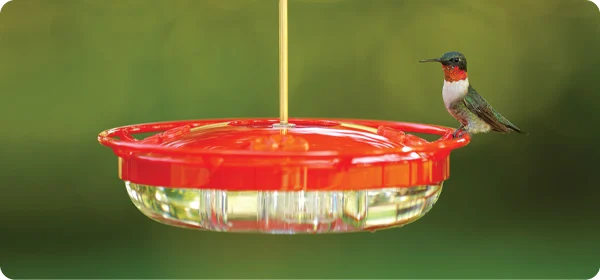
To better appreciate the nuanced feeding behaviors of hummingbirds, specialized feeders have been developed. Feeders with clear plastic bases, such as those offered by Wild Birds Unlimited, provide an unobstructed view of the hummingbird’s tongue in action. This innovation allows observers to witness firsthand the rapid, almost imperceptible lapping motion that defines their feeding strategy, transforming a simple act of feeding into a captivating spectacle of natural engineering. Window feeders, which attach directly to glass panes, offer an even more intimate viewing experience, bringing these remarkable birds mere inches from the observer.
The Scientific and Ecological Significance
Hummingbirds play a crucial role in their ecosystems as pollinators. As they flit from flower to flower in search of nectar, they inadvertently transfer pollen, facilitating the reproduction of numerous plant species. This symbiotic relationship is vital for maintaining the biodiversity of many plant communities. Their dietary needs also make them important indicators of environmental health. A decline in hummingbird populations can signal broader ecological issues, such as habitat loss, pesticide use, or changes in climate.
Expert Insights and Further Exploration
For those seeking to deepen their understanding and appreciation of hummingbirds, educational resources are readily available. The WBU Nature Centered Podcast, for instance, features an episode titled "Hooray for Hummingbirds." This episode offers entertaining and informative insights from experts John and Brian, who share practical advice on attracting and observing these captivating birds, enhancing the overall enjoyment of their presence in the backyard. Such resources underscore the commitment of organizations like Wild Birds Unlimited to fostering a greater connection between people and nature through education and engagement.
The commitment to backyard bird feeding extends beyond mere observation. It represents an active participation in conservation efforts by providing essential resources for migratory and resident bird populations. By offering appropriate food sources, water, and shelter, individuals can contribute significantly to the well-being of these delicate creatures, especially in the face of increasing habitat fragmentation and environmental challenges.
The intricate adaptations of hummingbirds, from their remarkable migratory feats to their specialized feeding mechanisms, continue to inspire awe and scientific curiosity. Their presence in our gardens and natural spaces serves as a constant reminder of the beauty and resilience of the natural world, and the profound rewards that come from patiently observing and supporting its most vibrant inhabitants. The wait for their arrival, while sometimes long, is undeniably a prelude to a season of wonder, offering a unique opportunity to connect with nature in its most dazzling form. Their vibrant energy and delicate beauty are a testament to the intricate web of life, and their annual return is a cherished event for all who appreciate the wonders of the avian world.
