
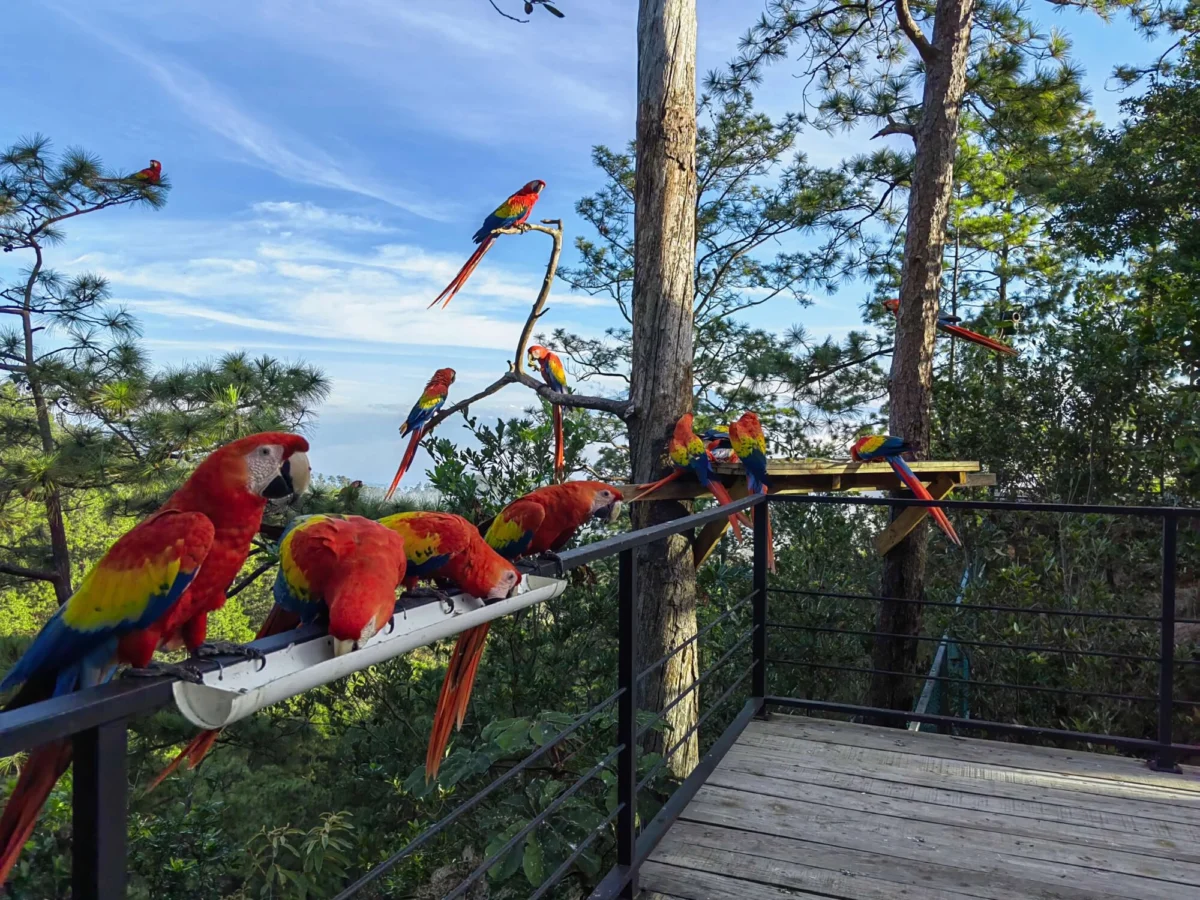
A vivid streak of crimson, gold, and azure painted the skies above Esquipulas, Guatemala, in 2018, a breathtaking sight for the family below. This was no ordinary bird; it was a scarlet macaw (Ara macao), a magnificent creature likely venturing from the celebrated reintroduction initiatives flourishing in Copán Ruinas, Honduras. While the encounter evoked wonder, it also highlighted a critical conservation challenge: the wild macaw, a symbol of ecological success across the border, was perceived as a novelty, with local residents attempting to capture it for the pet trade. Fortunately, the macaw evaded its pursuers and vanished back towards its safe haven. This singular incident served as a stark reminder that conservation efforts, like the flight paths of these majestic birds, transcend human-defined borders. Survival, however, is a universal imperative. Today, a dedicated, volunteer-driven movement is taking root in Guatemala, striving to transform these migratory moments from potential threats into opportunities for protection, fostering communities that welcome these avian ambassadors rather than confining them.
The Copán Success Story and the Perilous Journey Across Borders
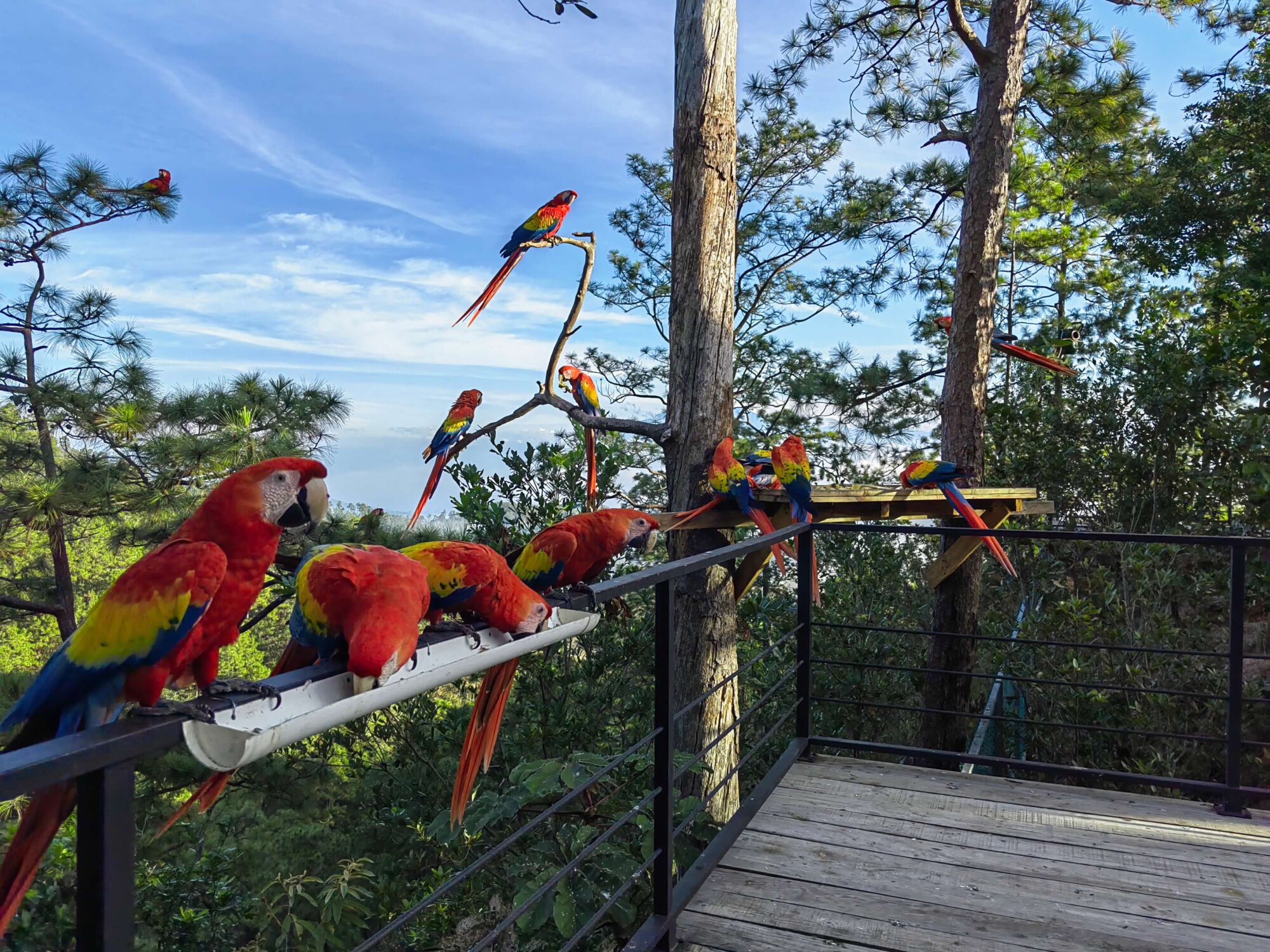
The story of the scarlet macaw’s resurgence is inextricably linked to Copán Ruinas, Honduras, a region just a stone’s throw – a mere 15 minutes – from the Guatemalan border. Here, Macaw Mountain, in partnership with the non-profit organization PRO ALAS (Protecting Birds in Latin America), has spearheaded a remarkably successful program dedicated to the reproduction, rehabilitation, and release of scarlet macaws. This initiative has, over the years, reintroduced more than 150 wild macaws into their natural habitat, a testament to meticulous planning and unwavering commitment. The vibrant plumage of these birds has once again become a familiar and celebrated sight in the Honduran skies, symbolizing a triumph of conservation science and community engagement.
However, the very success of these programs has inadvertently created a new set of challenges. As the macaw population flourishes in Honduras, an increasing number of birds are venturing across the border into Guatemala. On this side, however, they encounter a starkly different reality. Unlike the protective embrace they find in Honduras, Guatemalan communities near the border have historically viewed these magnificent birds with a mixture of curiosity and opportunism. Reports of children pelting them with stones and adults attempting to capture them for the lucrative illegal pet trade are distressingly common. This stark contrast underscores a critical need: the environmental education and community-driven conservation models that have proven so effective in Copán must be replicated and adapted for the Guatemalan side of the border. The ecological success in Honduras is incomplete if the birds find peril upon crossing into a neighboring nation.
A Grassroots Movement Ignites: Education, Respect, and a Shared Heritage
The urgent need to safeguard these transboundary macaws spurred a passionate initiative led by Christian Chinchilla, a young Guatemalan biologist with a profound connection to his country’s natural heritage. Collaborating with the Parrot Conservation Corps of One Earth Conservation (OEC), Christian embarked on a mission to shift local perceptions and foster a culture of protection. Armed with specialized training from an OEC course and a modest initial grant, he and his girlfriend launched a grassroots effort in the border village of Caparjá, Guatemala. Their approach was deliberately community-centric, prioritizing the cultivation of deep respect and understanding before introducing formal conservation messages.
Recognizing the importance of local buy-in, Christian and his team partnered with Plan Trifinio, a tri-national development agency, and the Municipality of Camotán. This collaboration facilitated a pivotal field trip that brought local village leaders and primary school teachers directly to Macaw Mountain in Honduras. This immersive experience allowed them to witness firsthand the breathtaking beauty of the scarlet macaws and to grasp their significant ecological role. By seeing the birds thriving in a protected environment and understanding the positive impact of conservation efforts, these influential community members became early advocates for the project.
With the community’s nascent support, the initiative transitioned into the classrooms. The educational program eschewed rote memorization, opting instead for engaging, interactive methods. Children were introduced to the macaws not as abstract biological specimens, but as living, breathing creatures that graced their own skies. Activities included:
- Interactive Storytelling: Vivid tales of the macaws’ journeys, their ecological importance, and their historical significance were shared, igniting the imaginations of young learners.
- Artistic Expression: Coloring books featuring detailed illustrations of scarlet macaws and their habitat provided a creative outlet for children to connect with the birds visually.
- Tangible Rewards: Small incentives, such as apples and school supplies, were offered as rewards for active participation and for demonstrating understanding of conservation principles, further motivating engagement.
The response from the children was overwhelmingly positive. They were no longer passive observers of avian visitors but were transformed into budding conservationists, understanding their role in protecting these magnificent creatures. This educational outreach fostered a profound sense of local pride and ownership, turning potential threats into dedicated guardians of the macaws. The program’s success in Caparjá demonstrated that even with limited resources, impactful change could be initiated by building strong community relationships and delivering education in culturally relevant and engaging ways.
Reclaiming a Mayan Legacy: The Macaw as a Symbol of Cultural Continuity
The conservation of the scarlet macaw in this border region is deeply intertwined with the cultural identity of its indigenous inhabitants. The area is home to the Chorti Maya, a people whose ancestral lands straddle both Guatemala and Honduras, their history and traditions existing long before the imposition of modern borders. The ancient Mayan city of Copán, located just across the border in Honduras, stands as a powerful testament to this heritage. The ruins are adorned with intricate stone carvings, glyphs, and sculptures that repeatedly depict macaws. For centuries, these vibrant birds were revered by the Maya as sacred symbols, embodying the sun, the sky, and the spiritual realm.
By educating Chorti children in Guatemala about the scarlet macaws, the project is not merely imparting scientific knowledge; it is facilitating a profound reconnection with their own ancestral legacy. It is about revitalizing a living link to a past where these birds were not just fauna, but integral elements of their cosmology and cultural expression. This initiative offers an opportunity for the younger generation to embrace and champion a heritage that has been partly obscured by time and external influences, reinforcing the idea that conservation is not an imposed foreign concept, but a reawakening of indigenous wisdom and respect for the natural world. The scarlet macaw, in this context, becomes more than just a bird; it is a feathered embodiment of a rich and enduring cultural narrative.
Navigating Resource Constraints: The Pursuit of Sustained Conservation
Despite the burgeoning success and enthusiastic reception of the educational programs, the initiative faced a familiar and frustrating hurdle: the depletion of initial funding. The project, driven by the sheer dedication of Christian and his girlfriend, was being sustained almost entirely through their volunteer hours and personal commitment. This situation, while highlighting their unwavering passion, underscored the precariousness of relying solely on volunteer efforts for a vital conservation undertaking. The momentum built through initial engagement risked faltering without consistent resources.
However, the impactful work of this grassroots team did not go unnoticed. Their dedication and the project’s border-bridging vision captured the attention of high-level government officials. Through the persistent advocacy of Plan Trifinio, the Vice President of Guatemala, Dr. Karin Herrera, personally visited Macaw Mountain. Impressed by the initiative’s potential to foster cross-border cooperation and ecological stewardship, she pledged government support for the project. This promise of institutional backing offers a beacon of hope, with the team eagerly anticipating the formalization of this support in the coming months, which could provide the stability needed to expand their efforts.
The Path Forward: Building a Secure Future for Migratory Macaws
While the prospect of long-term government aid is encouraging, the scarlet macaws continue their journey across the border daily, facing immediate risks. Therefore, urgent bridge funding is critically needed to sustain and expand the school visits, ensuring the primary education campaign reaches all the remaining border villages. This immediate injection of resources will allow the project to maintain its vital community engagement efforts while awaiting the promised government disbursements.
Once the larger institutional funding materializes, the team plans a strategic pivot. These resources will be directed towards more comprehensive conservation activities, including habitat protection initiatives, the establishment of nesting monitoring programs, and community-led reforestation efforts. By empowering local villagers to actively participate in these long-term projects, the initiative aims to create a sustainable model for macaw conservation that is deeply embedded within the community fabric.
The ultimate goal is to ensure that every scarlet macaw that gracefully crosses the sky from Honduras into Guatemala is met not with apprehension or exploitation, but with a welcoming sanctuary. This sanctuary will be built on the foundation of informed, engaged communities and a generation of children who understand and champion the vital role these magnificent birds play in their shared natural and cultural heritage. The future of these vibrant avian travelers hinges on our collective ability to bridge not only geographical divides but also the gaps in awareness and support, creating a safe haven for a truly borderless species.
This month, Lafeber is contributing to further educational programs in Guatemala, supporting the local team’s pursuit of conservation outcomes comparable to those achieved by the scarlet macaw project in Honduras. The ongoing collaboration with One Earth Conservation, instrumental in initiating and sustaining this vital project, remains a cornerstone of this effort.
