
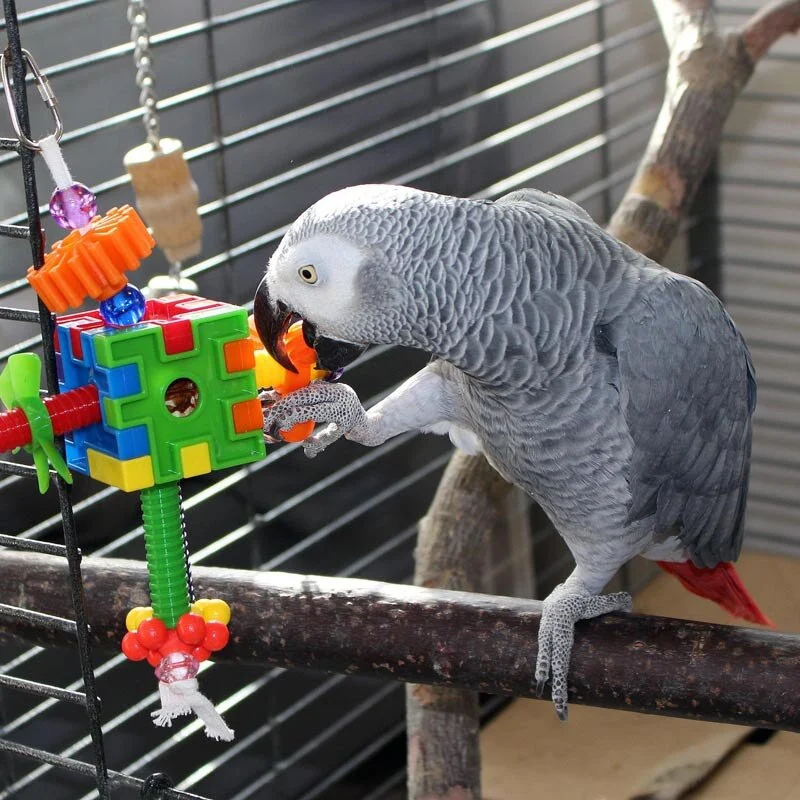
This Friday, May 29, 2026, at 12:00 p.m. PST, a significant webinar titled "Zookeeper Notes: Enriching the Whole Parrot" will convene, offering bird enthusiasts and professionals an in-depth exploration of avian well-being. The session, led by Michiko Berceau, a seasoned professional with over 18 years of experience in wildlife, zoo, and exotic animal care, promises to delve into the multifaceted aspects of parrot enrichment, focusing on cognitive, sensory, manipulative, and social needs. This event aims to foster a more profound understanding of how to cultivate a meaningful and positive state of avian well-being for companion parrots within family environments.
The webinar’s timing is critical, as the understanding of animal cognition and emotional states has advanced significantly in recent years. This increased awareness has placed a greater emphasis on providing enriched environments that go beyond basic physical care. For parrot owners, this translates to a growing demand for practical, science-based strategies to prevent behavioral issues, enhance mental stimulation, and promote overall health. The "Zookeeper Notes" series, hosted by Lafeber Company, a recognized leader in avian nutrition and health, has consistently provided accessible and authoritative information to the pet bird community. This particular session, focusing on holistic enrichment, aligns with the organization’s commitment to advancing avian welfare through education.
The Expert Presenter: Michiko Berceau
Michiko Berceau’s extensive qualifications underscore the caliber of expertise participants can expect. As a Certified Veterinary Technician (CVT) and Certified Wildlife Rehabilitator (CWR), she brings a unique blend of clinical knowledge and practical experience in animal care. Her academic background includes a Bachelor of Applied Science (BAS) in Veterinary Technology, complemented by over 400 hours of continuing education, demonstrating a dedication to lifelong learning in her field. Berceau’s specialization in native wildlife rehabilitation, coupled with her permit to rehabilitate species protected under the Migratory Bird Treaty Act, highlights her deep understanding of diverse avian needs and behaviors. This broad experience suggests that the enrichment strategies discussed will be grounded in a comprehensive understanding of avian physiology and psychology, applicable across various parrot species.
Unpacking Holistic Parrot Enrichment
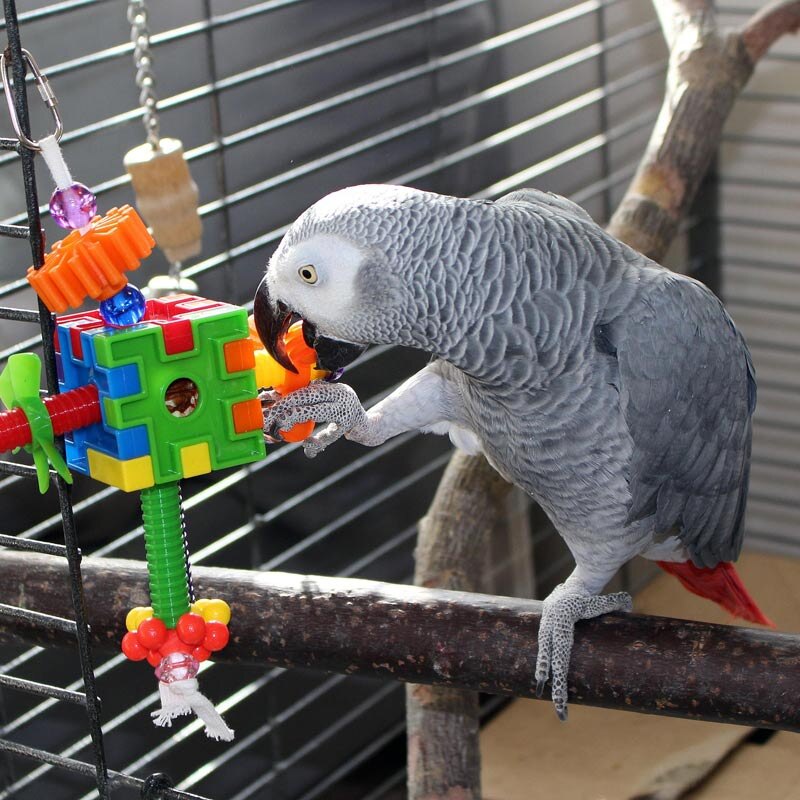
The core of Berceau’s presentation will revolve around engaging "every part of your bird." This holistic approach moves beyond simply providing toys and treats. It implies a structured strategy that considers the parrot’s cognitive abilities, sensory perception, innate manipulative behaviors, and crucial social requirements.
- Cognitive Enrichment: This aspect of enrichment aims to stimulate a parrot’s problem-solving skills, memory, and learning capabilities. Activities could include puzzle feeders that require manipulation to access food, foraging devices that mimic natural food-finding behaviors, or training sessions that introduce new cues and behaviors. The goal is to prevent boredom and the potential for developing stereotypic behaviors, such as feather plucking, which can arise from lack of mental stimulation. Research has consistently shown that cognitively challenged animals exhibit lower stress levels and improved overall welfare.
- Sensory Enrichment: Parrots rely heavily on their senses of sight, sound, touch, and taste. Sensory enrichment involves providing novel and varied stimuli that engage these senses in a positive way. This might include introducing new textures of food or perches, offering different types of auditory stimuli (natural sounds, music, or vocalizations from familiar individuals), or providing opportunities to explore varied environments. The key is to introduce novelty without causing undue stress.
- Manipulative Enrichment: Parrots are naturally adept at using their beaks and feet to explore, manipulate, and interact with their environment. Manipulative enrichment focuses on providing objects and activities that allow them to engage these natural behaviors. This can include a variety of toys designed for chewing, shredding, or dismantling, as well as opportunities for foraging that require skillful manipulation. Providing appropriate outlets for these behaviors is essential for physical and psychological health.
- Social Enrichment: As highly social creatures, parrots thrive on interaction. Social enrichment can involve interaction with their human flock, other compatible birds (under careful supervision), or even engaging with their environment in ways that mimic social behaviors. This can include opportunities for vocalization, foraging in groups, or engaging in shared activities. Understanding the nuances of parrot social dynamics is crucial for preventing isolation and fostering positive social bonds.
Background and Context of the Webinar Series
The "Zookeeper Notes" webinar series, presented by Lafeber Company, has established itself as a valuable resource for avian enthusiasts. Typically held periodically, these sessions bring together leading experts in avian health, behavior, and husbandry to address contemporary issues relevant to pet bird owners. Lafeber Company, founded by Dr. James “Jim” Lafeber, has a long-standing commitment to improving the health and well-being of pet birds through research, product development, and education. Their nutritional products are widely recognized and recommended by avian veterinarians.
Previous webinars in the series have covered topics ranging from avian nutrition and disease prevention to understanding bird behavior and creating optimal living environments. This consistent focus on evidence-based practices and expert-led discussions has built a loyal audience eager for reliable information. The decision to focus this particular session on "Enriching the Whole Parrot" reflects an evolving understanding within the avian community. While nutrition and veterinary care remain paramount, there is a growing recognition that psychological well-being and behavioral enrichment are equally critical components of a parrot’s health.
Chronology of the Event
- Announcement: The webinar was likely announced several weeks prior to the event date, allowing potential attendees ample time to register. Announcements would have been disseminated through Lafeber Company’s website, email newsletters, and social media channels.
- Registration Period: The registration period would have been open leading up to the event. Interested parties are directed to a specific Zoom registration link (https://us02web.zoom.us/webinar/register/WN_CkXBuZIsR0OKVzSG1rcMdw) to secure their virtual seats.
- Webinar Date: Friday, May 29, 2026.
- Webinar Time: 12:00 p.m. PST. Attendees are advised to use a time zone converter (link provided: https://www.timeanddate.com/worldclock/converter.html) to confirm their local time.
- Post-Webinar: While not explicitly stated, it is common for such webinars to offer recordings to registered participants, allowing those who could not attend live to still benefit from the content.
Supporting Data and Research Insights
The principles of enrichment discussed in the webinar are supported by a growing body of scientific research. Studies in comparative psychology and ethology have demonstrated that providing environmental complexity and opportunities for natural behaviors significantly reduces stress hormones like corticosterone in birds. For instance, research on foraging behavior in psittacines has shown that the time and effort invested in obtaining food are critical for their psychological well-being. Parrots that are presented with food in a readily accessible manner may experience boredom and a lack of engagement, potentially leading to behavioral issues.

Furthermore, studies on cognitive abilities in parrots have revealed remarkable problem-solving skills and learning capacities, comparable to those of young children. This intelligence necessitates mental stimulation to prevent frustration and behavioral dysregulation. The concept of "species-appropriate" enrichment is also gaining traction, emphasizing that enrichment strategies should be tailored to the specific behavioral ecology and natural history of each parrot species.
Broader Impact and Implications
The "Zookeeper Notes: Enriching the Whole Parrot" webinar has implications that extend beyond individual pet owners. For avian veterinarians, it offers a platform to reinforce the importance of behavioral health alongside physical health in their practice. For breeders and rescue organizations, understanding and implementing effective enrichment can lead to healthier, more adoptable birds.
The webinar also contributes to a broader societal shift in how we perceive and care for companion animals. It underscores that animals, particularly intelligent species like parrots, are sentient beings with complex emotional and cognitive needs. By promoting a holistic approach to parrot welfare, such educational initiatives help to elevate the standard of care and reduce the number of birds surrendered due to behavioral problems stemming from inadequate environments. The information shared can empower owners to build stronger, more fulfilling relationships with their avian companions, fostering a deeper appreciation for these remarkable creatures.
The focus on "Zookeeper Notes" suggests that insights derived from professional zoo environments, where enrichment is a cornerstone of animal management, are being translated for the benefit of the pet-owning community. This cross-pollination of knowledge is invaluable, ensuring that pet parrots receive a level of care that reflects the most current understanding of avian welfare. The success of such webinars can pave the way for future educational initiatives, further enhancing the lives of countless parrots and the people who share their lives with them.
