
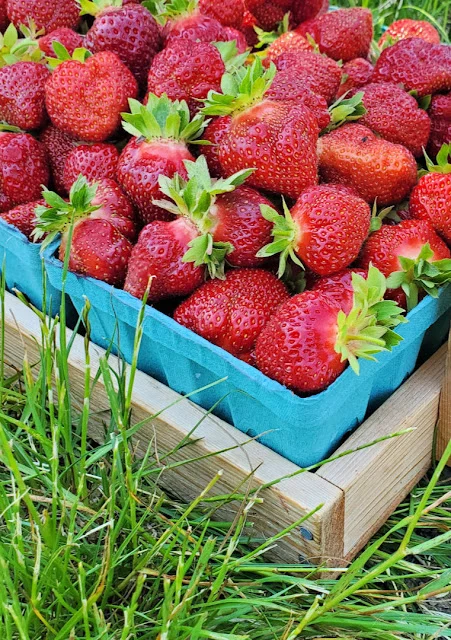
The practice of supplementing commercial poultry feed with fresh produce has become a cornerstone of modern backyard chicken keeping, with strawberries emerging as one of the most beneficial and sought-after treats for domestic flocks. As the trend toward natural and holistic animal husbandry continues to grow among small-scale farmers and homesteaders, understanding the precise nutritional impact of various fruits is essential for maintaining flock health. Strawberries, belonging to the genus Fragaria, are not merely a flavorful snack for chickens but are a complex source of essential vitamins, minerals, and antioxidants that can support immune function, bone density, and metabolic efficiency when administered within a balanced dietary framework.
The Nutritional Architecture of Strawberries for Avian Species
To understand why strawberries are highly regarded by poultry experts, one must examine their dense nutritional profile. Strawberries are uniquely rich in Vitamin C (ascorbic acid), Vitamin K, and Vitamin B6. While chickens are capable of synthesizing their own Vitamin C within the liver, supplemental intake is particularly beneficial during periods of environmental stress, such as extreme summer heat or during the molting process. Vitamin C acts as a potent antioxidant, neutralizing free radicals and supporting the bird’s immune response against common pathogens.
Furthermore, the presence of Vitamin K is vital for blood coagulation and bone mineralization. In poultry, a deficiency in Vitamin K can lead to internal hemorrhaging and weakened skeletal structures, making the inclusion of K-rich fruits a proactive measure for long-term health. The manganese found in strawberries plays a secondary but equally critical role in bone development and eggshell formation. Poultry scientists have long noted that manganese deficiencies can result in perosis (slipped tendon) and reduced hatchability in breeding flocks.

Beyond vitamins, strawberries provide a significant amount of dietary fiber. For a chicken’s digestive system, fiber is essential for maintaining gut motility. The potassium and folate found in the fruit further support heart health and cellular regeneration. Potassium, an essential electrolyte, is particularly important for maintaining fluid balance and nerve signaling, which can be disrupted during heatwaves—a common challenge for backyard keepers in temperate climates.
Beyond the Fruit: The Value of Strawberry Anatomy
One of the most efficient aspects of feeding strawberries to chickens is the utility of the entire plant. Unlike some garden plants that contain toxic components—such as the nightshade family, where the leaves and stems are dangerous—every part of the strawberry plant is safe for avian consumption. This includes the fleshy red fruit, the green calyx (the "cap"), the stems, and the leaves.
The strawberry "tops" or caps, which are often discarded by humans, are particularly valuable for poultry. These green portions contain iron and tannins. In a veterinary context, tannins can act as a mild digestive aid and possess antimicrobial properties that may help regulate the microbial environment of the chicken’s crop and gizzard. By utilizing the tops, keepers can reduce household food waste while providing their birds with specialized nutrients not found in high concentrations within the fruit itself.
The Ten Percent Rule: Balancing Treat Intake with Commercial Feed
Despite the numerous benefits of strawberries, professional poultry management requires strict adherence to dietary ratios. The consensus among avian nutritionists and experts like Lisa Steele is that treats, including high-quality fruits like strawberries, should never exceed 10% of a chicken’s total daily caloric intake. For an average adult hen, this equates to approximately one to two tablespoons of supplemental food per day.

The primary reason for this limitation is the high sugar content—specifically fructose—found in strawberries. While natural, an excess of sugar can lead to several health complications in poultry:
- Digestive Distress: High sugar intake can disrupt the delicate balance of the avian gut, often resulting in diarrhea. This not only causes discomfort for the bird but can also lead to hygiene issues within the coop and nesting boxes.
- Obesity: Chickens are prone to "fatty liver hemorrhagic syndrome" if their diet is too high in calories and sugars and too low in essential proteins. An overweight hen will see a significant drop in egg production and may face a shortened lifespan.
- Nutritional Imbalance: Commercial poultry feeds are scientifically formulated to provide a precise balance of protein, calcium, and minerals. When birds fill up on treats, they consume less of their balanced feed, leading to "hidden hunger" where the bird is full but malnourished.
Chronology of Seasonal Feeding and Integration
The integration of strawberries into a flock’s diet typically follows the agricultural cycle of the fruit itself. In North America, the peak strawberry season runs from late spring through early summer. This timeline aligns perfectly with the rising temperatures that can cause heat stress in poultry.
Spring Introduction: As the first harvests appear in May and June, keepers often introduce strawberries to provide a hydration boost. Because strawberries are approximately 91% water, they serve as an excellent supplemental hydration source as the weather warms.
Summer Management: During the peak of July heat, many keepers freeze whole strawberries or mash them into "poultry popsicles." This serves a dual purpose: providing nutrition and helping to lower the birds’ core body temperature.

Post-Harvest Cleanup: In late summer or autumn, if a homesteader grows their own strawberry patches, chickens are often allowed into the garden beds. This "cleanup" phase allows the birds to forage on the remaining leaves and runners, which are high in fiber and help clear the garden of pests like slugs and snails that frequent strawberry plants.
Safety Protocols: Herbicides, Pesticides, and Organic Sourcing
A critical concern for any poultry keeper is the potential for chemical contamination. Strawberries consistently rank high on the "Dirty Dozen" list—a report by the Environmental Working Group that identifies fruits and vegetables with the highest pesticide residues.
Chickens have high metabolic rates and relatively small body masses, making them more susceptible to the toxic effects of herbicides and pesticides than larger livestock. Professional guidelines suggest three main strategies for safe feeding:
- Thorough Rinsing: If sourcing strawberries from a conventional grocery store, they must be washed vigorously in a vinegar-water solution to remove as much surface residue as possible.
- Organic Sourcing: Purchasing certified organic berries ensures that the birds are not ingesting synthetic chemicals that could eventually be passed into the eggs consumed by humans.
- Home Cultivation: The most secure method of providing strawberries is through home gardening, where the keeper has total control over soil quality and pest management. Chickens can even contribute to this cycle by providing nitrogen-rich manure for the strawberry beds (after proper composting).
Expert Perspectives and Industry Responses
The backyard poultry industry has seen a shift toward "functional treats." Rather than feeding scraps indiscriminately, informed keepers are now looking for produce that offers specific physiological benefits. Lisa Steele, a prominent expert in the field and author of several books on natural chicken keeping, emphasizes the use of strawberries as a way to mimic the diverse foraging habits of wild red jungle fowl, the ancestors of modern chickens.

Veterinary professionals generally support the inclusion of berries in poultry diets, provided they are not used as a substitute for a high-quality layer pellet. The American Pastured Poultry Producers Association (APPPA) often highlights the importance of dietary variety in improving the quality of the "farm-fresh egg." Eggs from hens that consume a variety of greens and fruits often show deeper yolk pigmentation and a more robust nutrient profile, including higher levels of Omega-3 fatty acids and Vitamin A.
Broader Implications for Sustainable Agriculture and Homesteading
The use of strawberries in poultry diets reflects a broader movement toward circular economies within small-scale agriculture. By feeding strawberry scraps—the bruised fruit or the trimmed tops—to chickens, the homesteader converts potential waste into high-quality protein (eggs).
Analysis of this practice suggests that it contributes to a more resilient food system. When chickens are integrated into a garden ecosystem where strawberries are grown, they provide pest control and fertilization, while the strawberry crop provides the birds with supplemental nutrition. This symbiotic relationship reduces the reliance on external inputs like chemical fertilizers or expensive imported treats.
Furthermore, the behavioral benefits of feeding strawberries should not be overlooked. Chickens are highly intelligent and inquisitive animals. Providing "high-value" treats like strawberries encourages natural foraging behaviors and can reduce flock aggression by providing "boredom busters." In a confined coop environment, a handful of strawberries can stimulate activity and social interaction, which are essential components of animal welfare.

Final Assessment of Best Practices
To maximize the benefits of strawberries while minimizing risks, poultry keepers should adhere to a structured feeding protocol. Strawberries should be sliced or mashed for smaller birds or chicks to prevent choking, though adult hens are perfectly capable of pecking at whole berries. The feeding area should be cleaned after the birds have finished to prevent the fruit from fermenting or attracting unwanted pests like rodents and wasps.
In conclusion, strawberries represent a premier supplemental food source for backyard chickens. Their rich array of vitamins, minerals, and antioxidants supports a wide range of biological functions, from bone health to immune resilience. When managed with the "10% rule" and sourced from pesticide-free environments, strawberries are an invaluable tool for any keeper dedicated to the health and happiness of their flock. As the backyard poultry movement continues to evolve, the emphasis on such nutrient-dense, natural supplements will likely remain a standard of excellence in avian care.
