
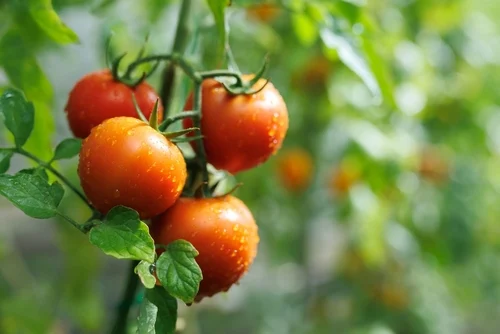
The intersection of backyard poultry management and sustainable gardening has led to a surge in questions regarding the safety of various kitchen scraps and garden harvests for domestic birds. Among the most debated topics in avian nutrition is the inclusion of tomatoes and other members of the nightshade family in a flock’s diet. While tomatoes offer a wealth of vitamins and antioxidants, they also harbor specific glycoalkaloids that can be detrimental, or even fatal, to chickens if ingested in the wrong form or quantity. Understanding the biochemical composition of these plants and the physiological response of poultry is essential for maintaining flock health and productivity.
The tomato (Solanum lycopersicum) belongs to the Solanaceae family, commonly known as nightshades. This botanical group includes several staples of the human diet, such as potatoes, peppers, and eggplants, but it is also home to notoriously toxic plants like belladonna (deadly nightshade). The primary concern for poultry owners lies in the presence of two specific toxins: solanine and tomatine. These compounds serve as a natural defense mechanism for the plant, deterring herbivores and insect pests. However, when consumed by domestic poultry, these substances can disrupt the nervous system and damage the digestive tract.

The Biochemistry of Solanine and Tomatine Toxicity
To understand the risks associated with feeding tomatoes to chickens, one must first examine the chemical nature of glycoalkaloids. Solanine is a bitter-tasting steroidal alkaloid found throughout the green parts of nightshade plants. In poultry, solanine acts as an acetylcholinesterase inhibitor. By interfering with this critical enzyme, the toxin prevents the breakdown of acetylcholine, a neurotransmitter responsible for signaling between nerve cells and muscles. This leads to a "cholinergic crisis," characterized by overstimulation of the nervous system, which can result in respiratory failure or cardiac arrest in severe cases.
Tomatine, while similar in structure to solanine, is found specifically in tomato plants. It is most concentrated in the leaves, stems, and green, unripe fruit. While some research suggests that tomatine is less toxic to birds than solanine, it still poses a significant threat to avian health. Tomatine can bind to cholesterol in the cell membranes of the digestive tract, causing lesions and compromising the bird’s ability to absorb nutrients. For a small animal like a chicken, even a moderate intake of these toxins can quickly overwhelm their metabolic processes.
Identifying Toxic Plant Parts and Ripening Stages
The distribution of toxins within the tomato plant is not uniform, and the risk level changes significantly as the fruit matures. Poultry experts and avian veterinarians emphasize that the green components of the plant are the most hazardous. The leaves and stems contain the highest concentrations of solanine and should never be offered to chickens. Furthermore, the vines of tomato plants are often tough and fibrous, posing an additional risk of crop impaction if ingested.

Unripe, green tomatoes are also a major source of concern. At this stage of development, the fruit contains high levels of tomatine to protect it from being eaten before the seeds are viable. As the tomato ripens, the concentration of these glycoalkaloids drops precipitously. Once a tomato reaches its full color—whether red, yellow, or orange depending on the variety—the levels of tomatine are generally considered low enough for safe consumption by healthy adult birds, provided they are fed in moderation.
This chemical transition is a critical point for backyard farmers to monitor. While a ripe tomato is a nutritious treat, a fallen green tomato or a bird gaining access to the tomato patch can lead to accidental poisoning. Consequently, many experienced keepers recommend fencing off garden areas to prevent chickens from foraging on the vines or consuming immature fruit.
Clinical Symptoms of Glycoalkaloid Poisoning in Poultry
Recognizing the signs of solanine or tomatine poisoning is vital for timely intervention. Because chickens are prey animals, they instinctively hide signs of illness until their condition is advanced. Owners must be vigilant for subtle behavioral changes. Symptoms of solanine poisoning often manifest as neurological and systemic distress. These include a noticeably slowed pulse, labored breathing, and a drop in body temperature. Affected birds may appear lethargic, huddling in a corner with ruffled feathers, and may exhibit signs of abdominal pain or diarrhea.

Tomatine poisoning, while sometimes less acute than solanine toxicity, primarily targets the gastrointestinal system. Symptoms include nausea, which may manifest as a lack of appetite or a "flicking" of the beak, as well as abdominal cramps and watery droppings. In severe cases, vomiting can occur, though this is less common in birds than in mammals.
The impact of these toxins is heavily influenced by the age and health status of the bird. Baby chicks, with their underdeveloped immune systems and smaller body mass, are at the highest risk. Even a trace amount of toxin that an adult hen might tolerate can be lethal to a chick. Similarly, older birds or those with existing respiratory or digestive issues are more susceptible to the adverse effects of glycoalkaloids.
Nutritional Benefits of Ripe Tomatoes
Despite the risks associated with the green parts of the plant, ripe tomatoes are not without merit in a poultry diet. When fed correctly, they provide a variety of essential nutrients that support overall flock health. Tomatoes are a rich source of antioxidants, particularly lycopene, which helps combat oxidative stress and supports the immune system. They are also high in potassium, which is crucial for maintaining electrolyte balance and heart function.

Furthermore, tomatoes provide a significant dose of vitamins. Vitamin A is essential for vision health and the maintenance of mucous membranes, which serve as the first line of defense against pathogens. Vitamin C, while synthesized naturally by chickens, provides extra support during periods of heat stress or illness. Vitamin K plays a vital role in blood clotting and bone health. The carotenoids found in tomatoes can also contribute to the pigmentation of egg yolks, often resulting in the deep orange color that many consumers associate with high-quality, pasture-raised eggs.
Establishing Safe Feeding Protocols and Moderation
The key to incorporating tomatoes into a chicken’s diet is the "90/10 Rule." Nutritionists agree that at least 90% of a chicken’s daily intake should come from a high-quality, balanced commercial feed. This ensures they receive the precise ratio of protein, calcium, and minerals required for egg production and feather growth. The remaining 10% can consist of healthy treats, including vegetables, fruits, and grains.
For an average adult hen, this equates to approximately one to two tablespoons of treats per day. When feeding tomatoes, they should be chopped into manageable pieces to prevent choking and to ensure the birds do not fight over a single large fruit. It is also imperative to remove any attached stems or "hats" (the calyx) from the fruit before offering it to the flock.

A chronological look at the evolution of backyard poultry advice shows a shift toward more cautious feeding practices. In the mid-20th century, it was common for farm birds to be given all manner of garden waste. However, as the understanding of avian biochemistry has advanced, modern guidelines have become more specific. The consensus among contemporary experts is that while chickens are opportunistic omnivores, their access to nightshades must be strictly controlled.
Broader Implications for Homestead Management
The management of nightshades in a backyard setting has implications beyond simple feeding. It requires a holistic approach to garden design and waste management. Many homesteaders use "chicken tractors" or allow their birds to free-range to help with pest control and fertilization. In these scenarios, the presence of tomato, pepper, or eggplant crops necessitates physical barriers.
Furthermore, the disposal of garden debris must be handled with care. Tomato vines pulled at the end of the growing season should be composted in an area inaccessible to the flock rather than thrown into the chicken run. This prevents the birds from picking at the withered but still toxic leaves and stems.

The rise of the "slow food" movement and the increase in domestic egg production have highlighted the need for evidence-based information. Misinformation on social media often suggests that "if a chicken eats it, it must be safe," but this is a dangerous fallacy. Domesticated birds do not always possess the same foraging instincts as their wild ancestors, and they may consume toxic plants out of boredom or lack of other food sources.
Conclusion and Best Practices for Flock Owners
In summary, tomatoes can be a beneficial addition to a chicken’s diet, but only under specific conditions. The fruit must be fully ripe, and all green parts of the plant must be strictly excluded. By adhering to the 10% treat limit and monitoring for symptoms of glycoalkaloid distress, poultry keepers can safely offer this summer favorite to their birds.
As the trend toward self-sufficiency continues to grow, the responsibility of the flock owner to act as a guardian of avian health becomes paramount. By understanding the science behind the Solanaceae family and implementing rigorous feeding standards, backyard farmers can ensure their chickens remain healthy, productive, and safe from the hidden dangers of the garden. The goal remains a balanced approach: utilizing the bounty of the harvest while respecting the biological limits of the animals in our care.
