
Published on: May 1, 2026
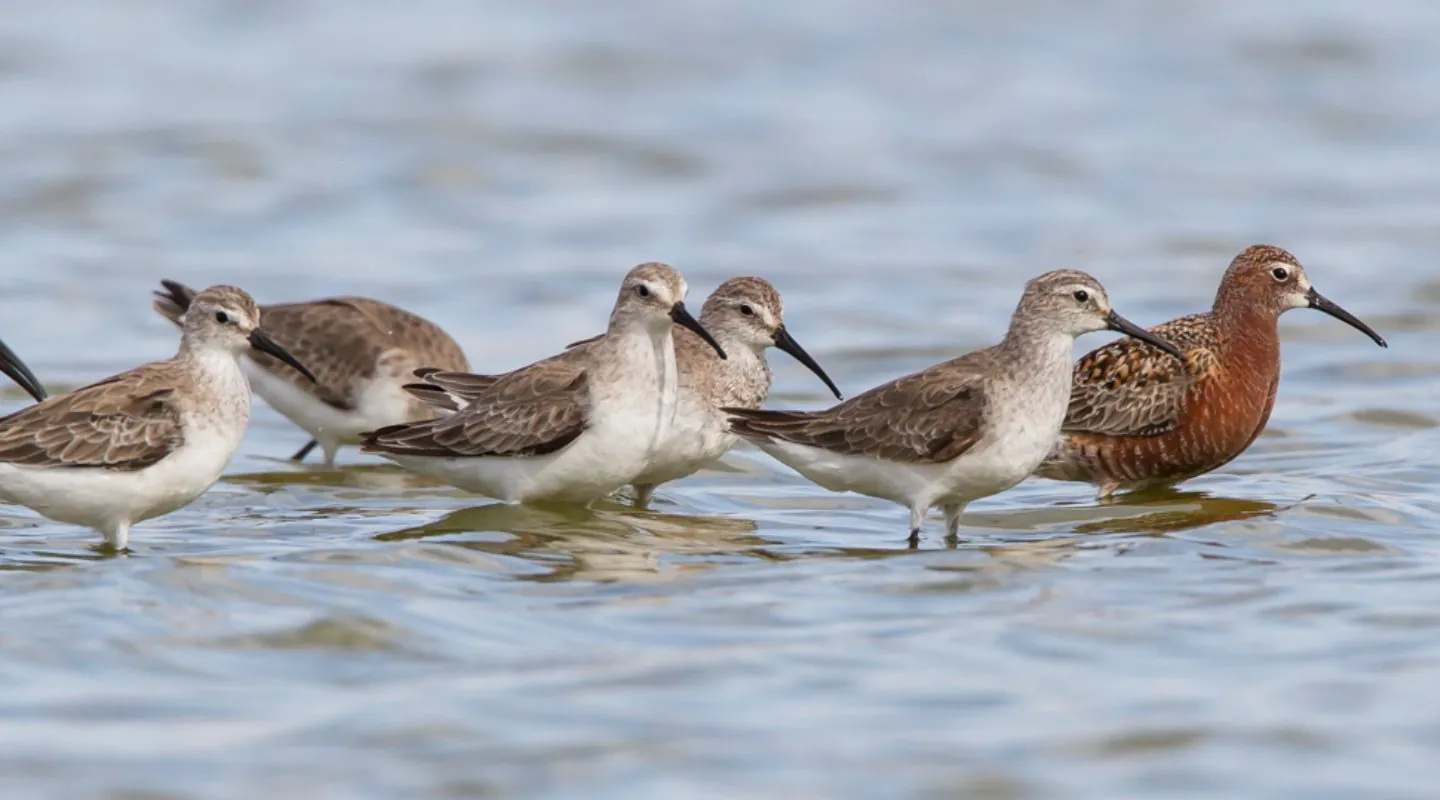
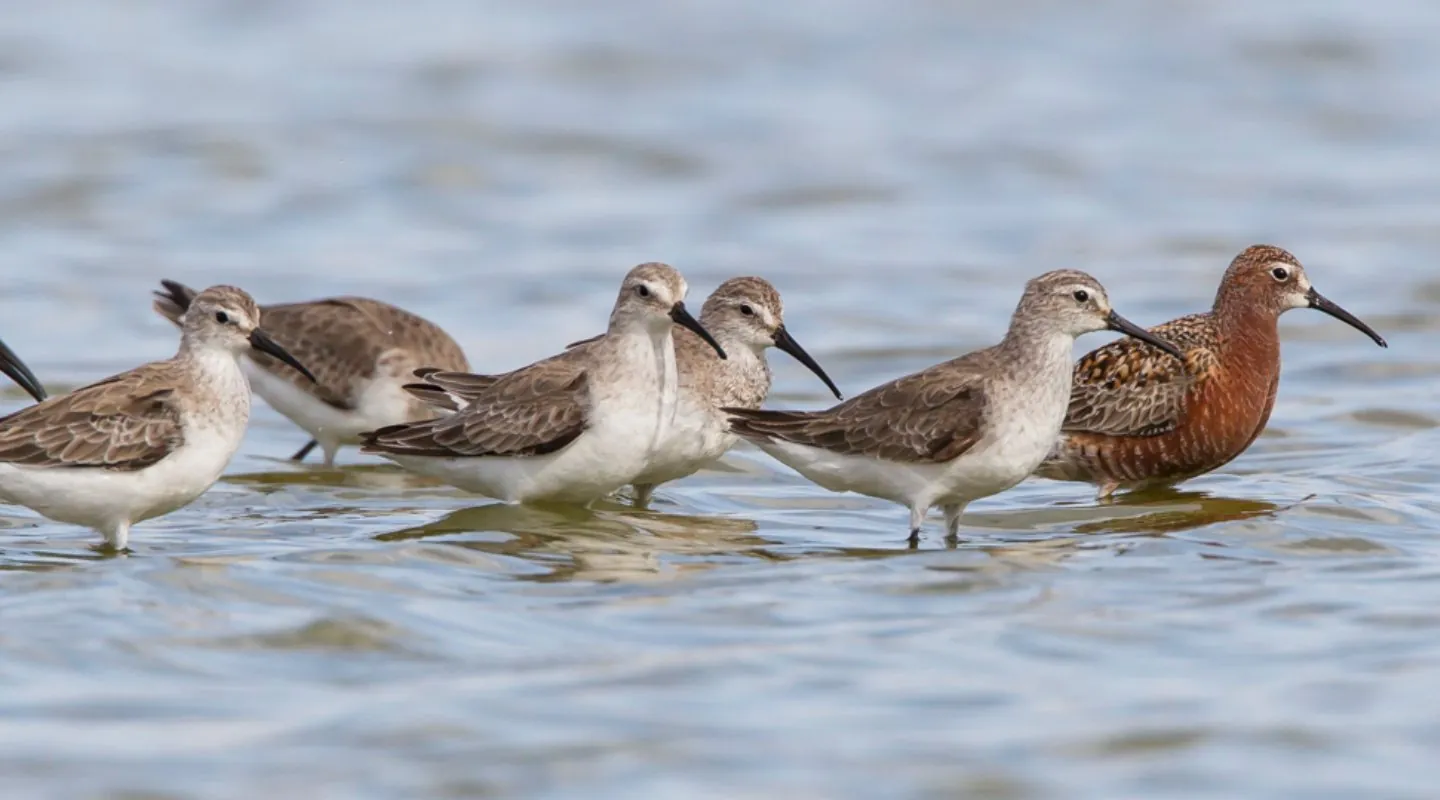
Sometimes nature simply commands our profound admiration. For the first time, researchers are meticulously tracking twenty Curlew Sandpipers as they undertake their monumental migration from the southern tip of Africa towards the Arctic tundra. This ambitious endeavor, a collaborative effort between Wetlands International and Birdlife South Africa, aims to shed new light on the incredible journeys of these small but resilient birds. While the migration itself is a testament to avian endurance, one particular sandpiper, identified by the tracking tag "Delta," has achieved something truly extraordinary, pushing the boundaries of known avian migratory capabilities.
An Unprecedented Feat of Avian Endurance
Delta, a mere 60-gram marvel of biological engineering, has completed a non-stop flight of approximately 3,870 kilometers, a journey that spanned an astonishing 60 hours. This remarkable feat, unprecedented for this species and indeed for many migratory birds of its size, has left ornithologists and conservationists astounded. The average speed maintained during this epic flight was an impressive 64.5 kilometers per hour, a pace sustained without any documented stops for rest or refueling.
The significance of this achievement cannot be overstated. It challenges previous assumptions about the physiological limits of small migratory birds and highlights the critical importance of undisturbed migratory routes and stopover sites. The data collected from Delta and the other nineteen tracked Curlew Sandpipers, along with three Grey Plovers, will be instrumental in refining our understanding of avian migration patterns within the African-Eurasian Flyway.
The Genesis of an Epic Journey
Delta’s remarkable flight began in early March from South Africa. Before embarking on its northbound migration, the sandpiper spent a substantial period, approximately 1.5 months, at the Makgadikgadi Pans in neighboring Botswana. This wetland complex, known for its vast ephemeral salt pans and rich biodiversity, likely served as a crucial staging ground, allowing Delta to build up the necessary energy reserves for its arduous journey. The Makgadikgadi Pans are a globally significant site for migratory birds, attracting a multitude of species due to their abundant food resources.
A Chronology of Delta’s Astonishing Flight
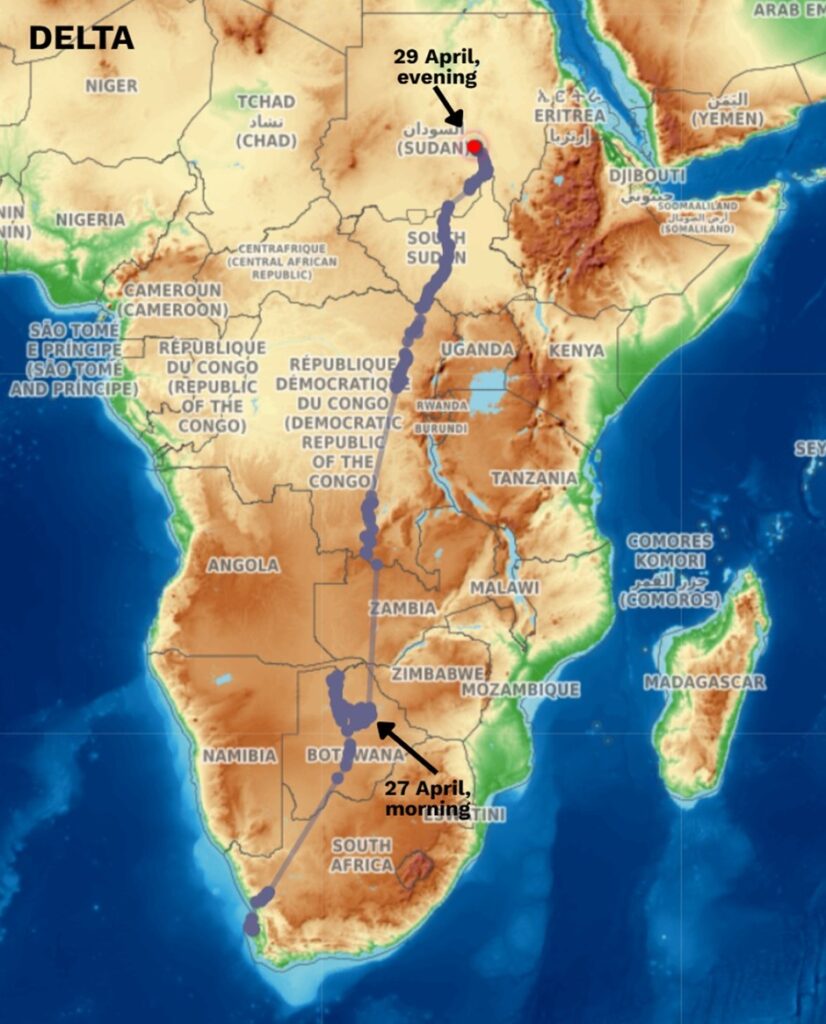
The non-stop leg of Delta’s journey commenced in the early hours of April 27, 2026. The little bird took to the skies, heading north over the diverse landscapes of Zimbabwe and Zambia. By early afternoon, Delta had crossed the border into the Democratic Republic of Congo (DRC). As evening descended, the sandpiper was already navigating deep within the DRC, its unwavering trajectory set towards South Sudan.
The following day, April 28, marked Delta’s passage into South Sudan. Around midnight, the bird reached the southern reaches of the Sudd Marshes, a sprawling wetland system renowned as one of Africa’s most ecologically significant and iconic wetlands. The Sudd is also designated as a Key Biodiversity Area, a critical habitat for numerous species, including many migratory birds. While several other tagged Curlew Sandpipers in the study have utilized this region as a vital stopover point for resting and replenishing their energy stores, Delta pressed on, seemingly undeterred by the immense distances yet to be covered.
By 0800 hours on April 29, Delta had successfully overflown the vast expanse of the Sudd. Its flight path continued northward, now over Sudan, with the White Nile valley appearing as its likely navigational beacon.
The culmination of this extraordinary flight occurred shortly after noon on April 29. Delta finally touched down in a location approximately 3,870 kilometers north of its departure point in South Africa, completing a continuous flight of roughly 60 hours.

Scientific Collaboration and Conservation Imperatives
This pioneering tracking project is a testament to robust international collaboration. Led by Birdlife South Africa, the initiative involves key partners including Wetlands International, the Department of Ornithology at the Max Planck Institute for Biological Intelligence in Germany, the FitzPatrick Institute of African Ornithology at the University of Cape Town, and Conserve Eden in Plettenberg Bay. Funding for this vital research has been generously provided by the Royal Society for the Protection of Birds and the Ecological Restoration Fund.
The primary objective of this extensive tracking effort is to gain a more profound understanding of the migratory routes and essential stopover sites utilized by these birds. By meticulously mapping their journeys and identifying critical refueling grounds, conservationists can develop more targeted and effective strategies to protect these vulnerable species and their habitats. The African-Eurasian Flyway is a complex network of wetlands and terrestrial habitats that support millions of migratory birds annually. Threats such as habitat degradation, climate change, and human-induced disturbances along these flyways pose significant risks to bird populations.
The Role of Technology in Avian Research
The tracking of Delta and its companions is made possible by cutting-edge miniaturized GPS and geolocator technology. These devices, attached to the birds with minimal impact on their flight capabilities, transmit invaluable data on their location, altitude, and flight patterns. The ability to track individual birds with such precision allows researchers to observe behaviors and migratory strategies that were previously unknown or only hypothesized.
The initial findings from this project, particularly Delta’s exceptional flight, underscore the remarkable adaptability and resilience of migratory birds. However, they also highlight the immense pressures these species face. The fact that Delta could undertake such a prolonged, non-stop flight suggests an incredible capacity for physiological endurance, likely fueled by optimal fat reserves accumulated during its stay at the Makgadikgadi Pans. Yet, it also implies a reliance on finding such resource-rich staging grounds, which are themselves under threat.
Broader Implications for Wetland Conservation
The scientific community is keenly interested in the implications of Delta’s flight for wetland conservation. The journey highlights the interconnectedness of wetlands across vast geographical distances. Wetlands in Southern Africa, like the Makgadikgadi Pans, are crucial for the initial preparation of birds for their long-haul flights. Similarly, wetlands in East Africa, such as the Sudd, and further north along the Nile River valley, serve as critical refueling and resting points. The health and availability of these wetlands are directly linked to the success of migratory bird populations.
Dr. Anya Sharma, a senior ornithologist with Wetlands International, commented on the significance of the findings: "Delta’s flight is an extraordinary testament to the power of natural selection and the incredible adaptations of migratory birds. It compels us to recognize the immense distances these small creatures traverse and the vital importance of intact, healthy wetland ecosystems along their entire migratory route. Every wetland, from the breeding grounds in the Arctic to the wintering grounds in Africa, plays a role in supporting these journeys. Protecting this network is paramount."
A Call to Action for Habitat Protection
The success of projects like this underscores the need for enhanced international cooperation in wetland conservation. The African-Eurasian Flyway spans numerous countries, each with its own set of environmental challenges and conservation priorities. Effective protection requires coordinated efforts to safeguard critical habitats, mitigate threats, and promote sustainable land and water management practices.
The data gathered from Delta’s journey will be meticulously analyzed to inform conservation strategies. This includes identifying priority sites for protection and restoration, advocating for policy changes that support migratory bird conservation, and raising public awareness about the importance of wetlands and the incredible journeys of the birds that depend on them.
Engaging the Public in Conservation Efforts
To foster greater public engagement and awareness, the project has established a dedicated WhatsApp channel. This platform provides daily updates on the movements and well-being of Delta and the other tracked birds, offering a unique window into their migratory lives. This initiative aims to connect people with nature and highlight the urgent need for conservation action. The channel can be accessed via the following link: You can follow Delta and the other migrating birds via this Whatsapp channel.
The visual data, including photographs and maps of the birds’ journeys, shared through this channel and the project’s website, serve to illustrate the scale and complexity of avian migration. The image of Delta, a tiny bird undertaking such a colossal journey, serves as a potent symbol of nature’s resilience and the critical importance of preserving the environments that enable such marvels.

The Future of Migratory Bird Research
The ongoing tracking of these Curlew Sandpipers and Grey Plovers is expected to yield further groundbreaking insights into avian migration. Researchers are particularly interested in understanding individual variations in migratory behavior, the impact of environmental factors on flight success, and the specific ecological requirements of these species at different stages of their life cycle.
As climate change continues to alter habitats and weather patterns, the ability of migratory birds to adapt is increasingly being tested. The data from this project will be crucial in predicting how these species might respond to future environmental changes and in developing proactive conservation measures. The dedication of the researchers and the remarkable resilience of birds like Delta offer a glimmer of hope for the future of avian populations worldwide.
The story of Delta is not just about a single bird’s extraordinary flight; it is a powerful narrative about the interconnectedness of our planet’s ecosystems and the urgent need to protect the natural world that sustains such incredible biodiversity. The scientific community, conservation organizations, and the public now have a clearer, more compelling picture of the challenges and triumphs of migratory birds, urging a renewed commitment to their conservation.
Further details about this comprehensive project and its conservation goals can be found on the Wetlands International website, where resources and updates are regularly published: Find out more about the project here.
