
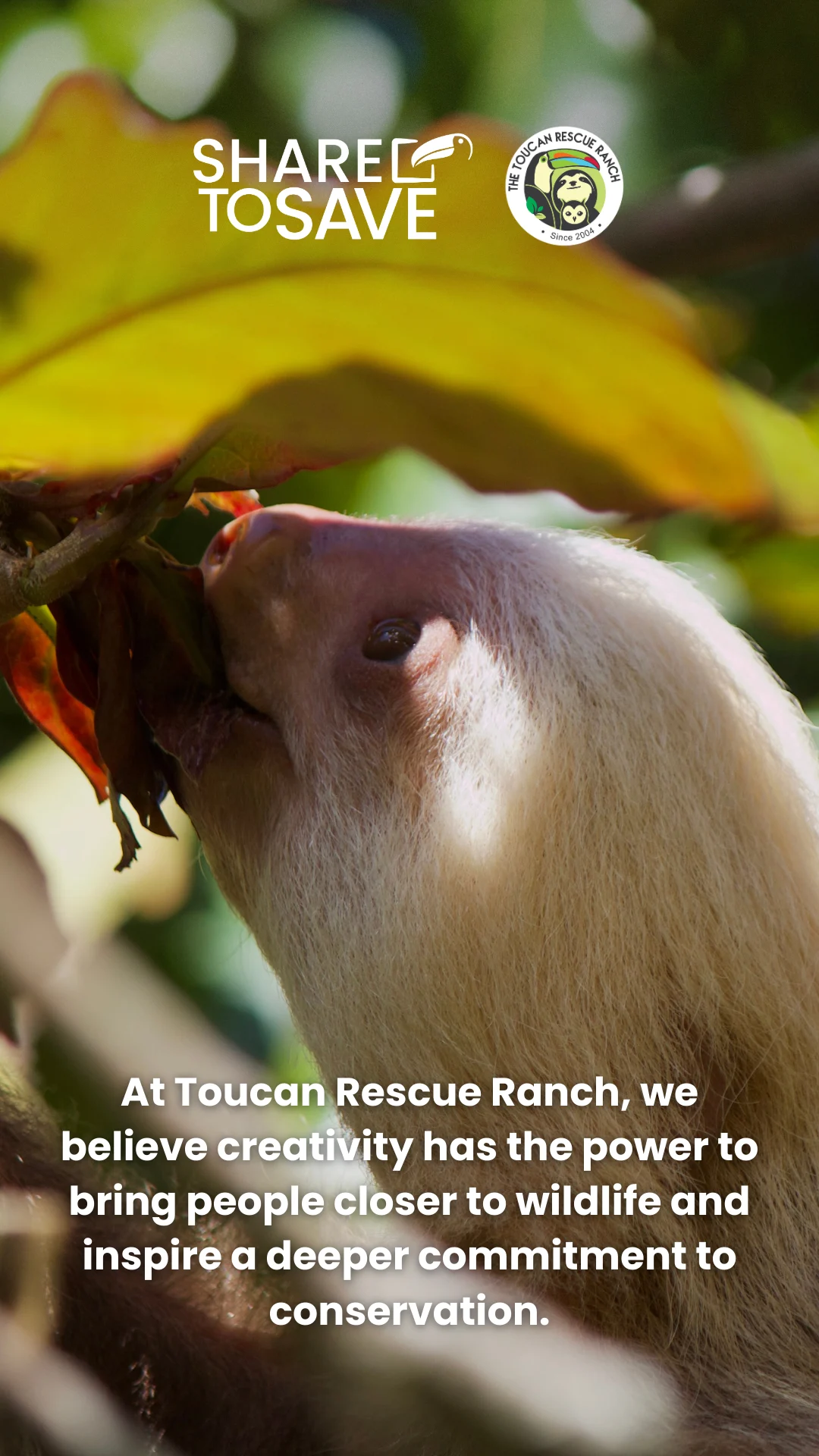
The initiative comes at a critical juncture for wildlife conservation in the region. According to data provided by the Toucan Rescue Ranch, the facility receives more than 500 animals annually, many of which are victims of habitat loss, illegal pet trade, electrocution on uninsulated power lines, or domestic animal attacks. The operational costs associated with maintaining a high-standard rescue center, sanctuary, and release site are substantial, currently exceeding $50,000 per month. These funds cover specialized veterinary attention, daily nutritional requirements for hundreds of species, rehabilitation protocols, and the construction of safe enclosures. A primary driver behind the Share to Save campaign is the lack of government funding for wildlife rescue centers in Costa Rica; these institutions rely almost exclusively on private donations and community-led initiatives to sustain their life-saving work.
A Five-Year Chronology of Creative Advocacy
The transition to the Share to Save brand is the result of a half-decade of experimentation with digital engagement. In its early years, the organization utilized fragmented hashtags like #TRRShareYourShot to encourage amateur and professional photographers to document the beauty of tropical fauna. As the community grew, the need for a more structured and inclusive platform became apparent. The introduction of #CallForArtists and #TunesForToucans added layers of diversity, incorporating illustrators and musicians into the conservation narrative.
By 2026, the organization recognized that a singular, powerful identity would better serve its long-term goals. Share to Save was born from the desire to create a permanent "creative ecosystem" where the act of sharing art directly translates into the act of saving lives. This year’s theme, Creatives for Conservation, emphasizes the role of the artist as an advocate. Selected works from the global submission pool will not only be featured digitally but will also be showcased in a live gallery exhibition within Costa Rica. This physical presence aims to connect the local public and international tourists with the tangible results of the Ranch’s rehabilitation efforts.
Operational Realities and Financial Challenges
To understand the necessity of the Share to Save initiative, one must examine the logistical and financial landscape of wildlife rescue in Central America. Costa Rica is home to approximately 6% of the world’s biodiversity, a statistic that places an immense responsibility on non-governmental organizations (NGOs) like the Toucan Rescue Ranch. The $50,000 monthly operating budget is a reflection of the intensive care required for "high-needs" patients, such as orphaned sloths or injured toucans.
Veterinary care alone constitutes a major portion of the expenditure. The Ranch operates a medical clinic equipped to handle surgeries, diagnostic imaging, and long-term physical therapy. For instance, animals that have suffered from electrical burns—a common occurrence in developing areas—require months of specialized wound care and nutrition to survive. Furthermore, the Ranch’s "Second Chance" mission involves a rigorous rewilding process. This process ensures that animals are not merely kept alive in captivity but are taught the necessary skills to forage, avoid predators, and eventually return to their natural habitats. The Share to Save funds are earmarked for these specific operational costs, ensuring that the transition from rescue to release remains uninterrupted.
The Mechanics of Participation and Global Engagement
The Share to Save initiative is designed to be accessible to a global audience, regardless of geographic location. Creatives are invited to submit photography, digital designs, and traditional artwork inspired by wildlife. To minimize the carbon footprint and logistical hurdles for international participants, the Ranch has implemented a local printing policy. All pieces selected for the Costa Rican exhibition are printed within the country, while the original artists retain full ownership of their intellectual property.
The fundraising aspect of the campaign utilizes a democratic voting system. Supporters can participate by voting for their favorite art pieces, with each $1 donation counting as one vote. This "micro-donation" model has proven effective in past iterations, allowing individuals to contribute to conservation at a level that fits their financial capacity. Crucially, for supporters in the United States, all contributions made through the Share to Save contest are tax-deductible, as the Ranch maintains the necessary non-profit status to facilitate such donations.
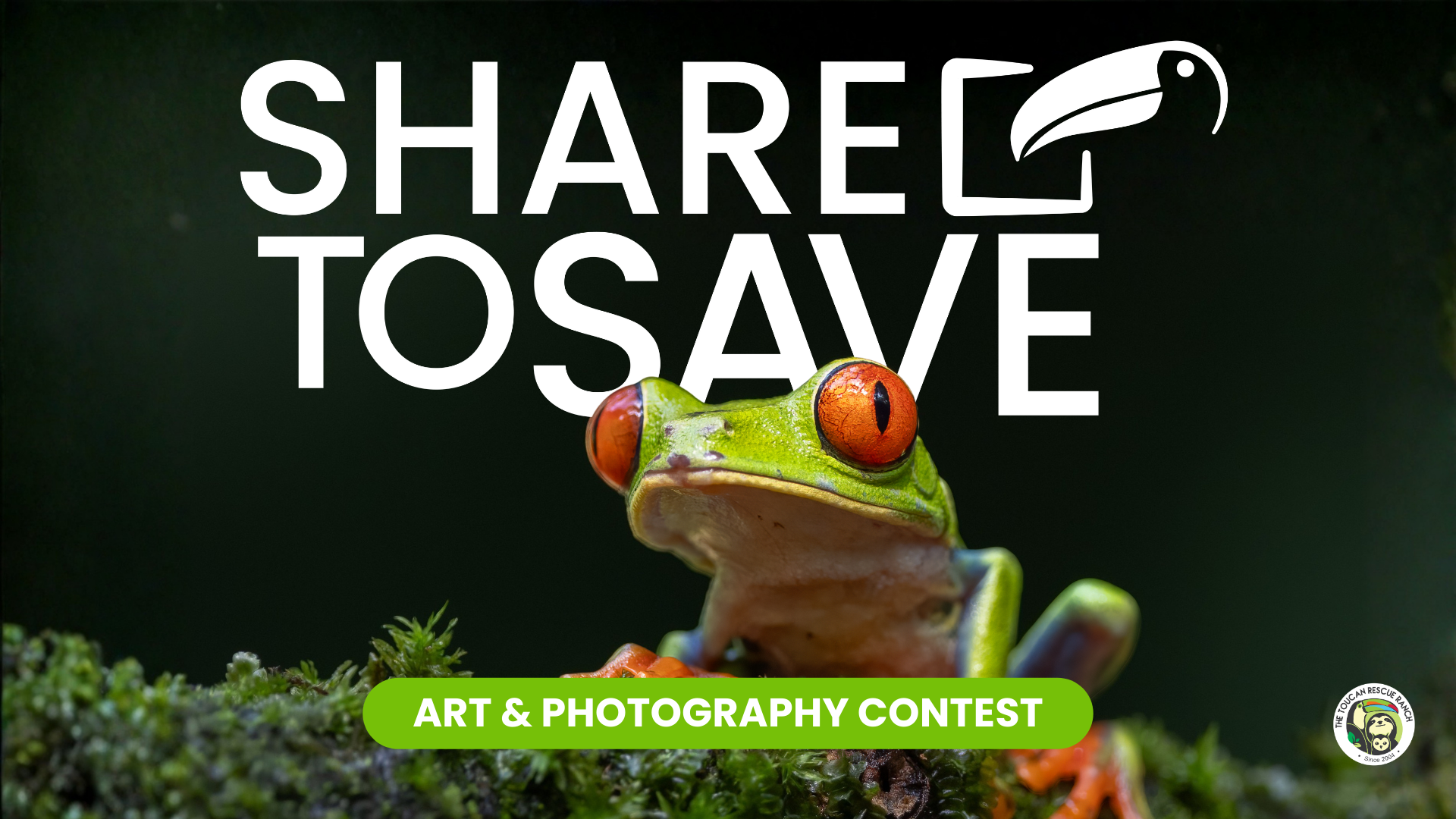
Case Studies in Creative Conservation: The 2026 Participants
The diversity of the current submission pool illustrates the broad appeal of the Creatives for Conservation theme. Artists from various backgrounds have used their specific styles to highlight different facets of the natural world.
Cibele Manfredini’s work, titled Coexist, serves as a reminder of the human-wildlife interface, driven by the philosophy that knowledge is the precursor to love and protection. In the realm of marine conservation, Francesca Larrain’s Manta focuses on the often-overlooked inhabitants of the Pacific and Caribbean coasts. Photography also plays a central role, with entries like Felix Hinsch’s Unexpected Visitor, which captures a healthy wild sloth in a residential setting, highlighting the proximity of wildlife to human infrastructure in Costa Rica.
Other artists have focused on the delicate details of the ecosystem. Lizz R’s photography of a bee on a flower addresses the global decline of pollinators, while Nils V. Hammerbeck’s Lunch Time explores the predator-prey cycles that are essential for ecological balance. Some entries even touch upon the history of extinction; the piece Gone.. but not forgotten by Carvings and Canvas depicts the thylacine, serving as a cautionary tale of what occurs when conservation efforts fail. These artistic contributions provide a narrative framework that makes the scientific and financial needs of the Ranch more relatable to the general public.
The "Second Chance" Philosophy and Broader Impact
Beyond the immediate goal of fundraising, the Share to Save initiative serves a broader educational purpose. It challenges the public to view wildlife rescue not as a tragic necessity, but as a hopeful intervention. The Ranch’s mission of "healing, restoring, and releasing" is a three-stage process that requires community buy-in at every level.
By showcasing the stories of individual animals—such as "Ponyo" the baby howler monkey or "Bonnie" the orphaned sloth—the initiative humanizes the data. When an artist like Katia Hougaard creates a piece depicting sloths using wildlife bridges to cross roads safely, it highlights a tangible solution to a modern problem. These bridges, often funded by initiatives like Share to Save, are proven to reduce mortality rates in fragmented habitats.
The long-term implications of the Share to Save program extend to the local economy as well. Costa Rica’s brand as a "green" destination is heavily dependent on the health of its wildlife. By supporting the Toucan Rescue Ranch, donors and artists are indirectly supporting the eco-tourism industry, which provides livelihoods for thousands of Costa Ricans.
Conclusion and Future Outlook
As the Share to Save initiative moves forward, the Toucan Rescue Ranch intends to maintain the gallery as a recurring event, potentially expanding into digital NFT (non-fungible token) spaces or augmented reality experiences to further engage younger demographics. The rebranding marks a commitment to professionalizing the intersection of art and activism.
The organization continues to emphasize that while the name has changed, the mission remains steadfast. Every dollar raised through the voting process and every piece of art shared on social media contributes to a larger goal: ensuring that the 500+ animals that arrive at the Ranch each year have a genuine opportunity to return to the wild. In a world where biodiversity is under constant threat, the Share to Save initiative provides a blueprint for how creativity can be harnessed to provide a voice for the voiceless and a future for the wild.
