
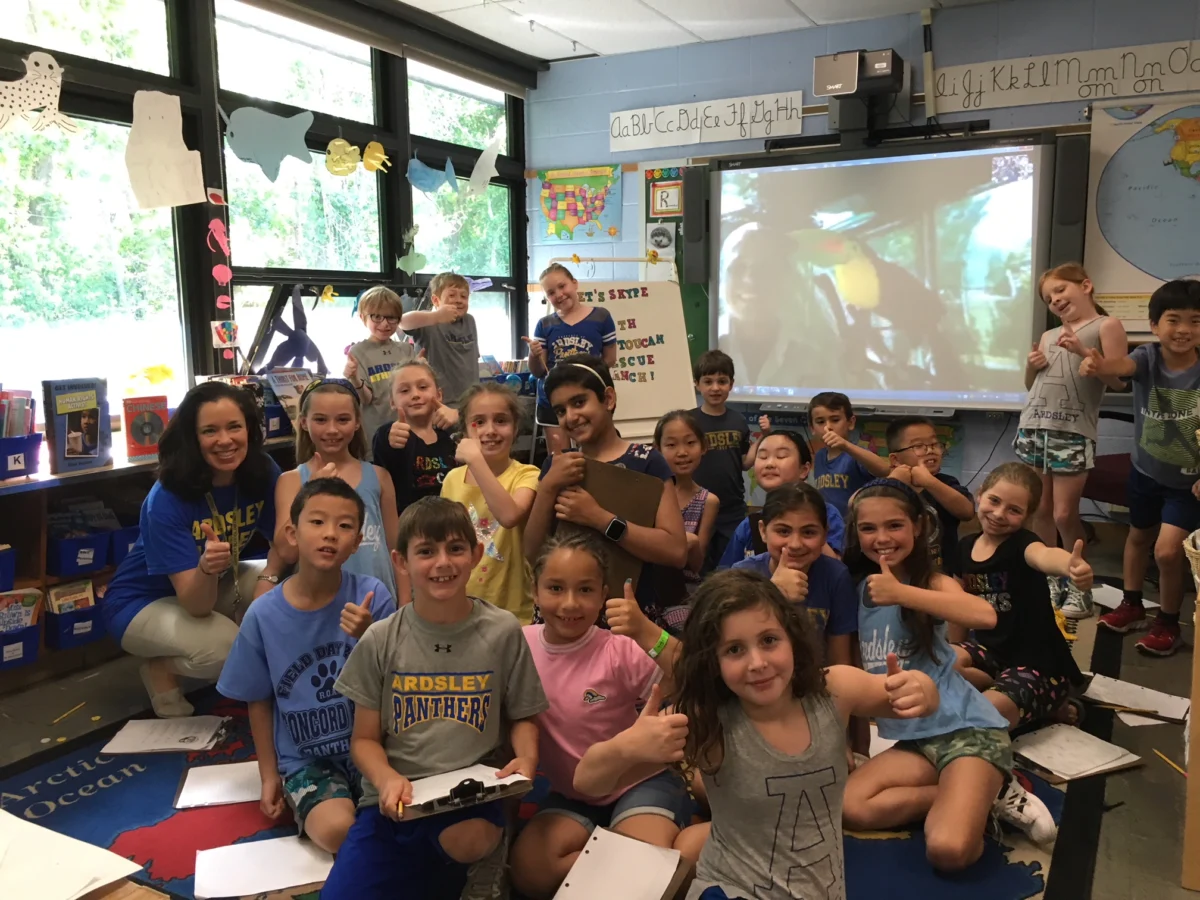
The Toucan Rescue Ranch, a cornerstone of wildlife rehabilitation and environmental advocacy in Costa Rica, has officially expanded its multifaceted Education Program to address the growing global need for conservation awareness. This initiative, which serves as a vital bridge between scientific rescue operations and public engagement, is designed to foster a deep-seated understanding of biodiversity while empowering the next generation of environmental stewards. By integrating onsite interactive experiences with cutting-edge virtual outreach, the Toucan Rescue Ranch (TRR) is redefining how conservation organizations communicate the urgency of habitat preservation and wildlife protection in the 21st century.
The Evolution of Conservation Education at Toucan Rescue Ranch
Founded in 2004, the Toucan Rescue Ranch initially focused on the rescue and rehabilitation of toucans and other tropical birds. However, as the organization grew, it became evident that the long-term survival of Costa Rican wildlife depended not just on medical intervention, but on the education of the public. The Education Program was established to mitigate the root causes of wildlife displacement, such as the illegal pet trade, habitat fragmentation, and human-wildlife conflict.
Today, the program offers a comprehensive suite of learning opportunities. Onsite at the sanctuary in Heredia, Costa Rica, visitors participate in guided educational walks that provide a transparent look at the rehabilitation process. Unlike traditional zoos, the TRR sanctuary emphasizes the "rescue-to-release" pipeline. Educational tours are structured to explain the specific biological needs of each species, the circumstances that led to their rescue—ranging from power line electrocutions to car strikes—and the rigorous protocols required to prepare them for a return to the wild.
Tailored Curricula for Academic and Community Groups
Recognizing that education is most effective when it is age-appropriate and contextually relevant, TRR has developed tailored programs for schools, community organizations, and international study groups. These sessions are meticulously aligned with international curriculum standards, focusing on key scientific concepts such as animal behavior, ecological niches, and the importance of apex predators and seed dispersers in rainforest ecosystems.
For local Costa Rican schools, the program serves as a critical resource for environmental literacy. By bringing students into contact with the very animals they see in their backyards, TRR transforms abstract biological concepts into tangible experiences. For international groups, the ranch provides a case study in tropical conservation, offering insights into the complexities of managing a high-biodiversity region under the pressures of climate change and urban expansion.
The Digital Frontier: Virtual Learning and Global Accessibility
In an era where physical distance can be a barrier to environmental advocacy, Toucan Rescue Ranch has pioneered a robust virtual learning platform. This digital expansion ensures that the wonders of the Costa Rican rainforest are accessible to classrooms and households worldwide, regardless of geographic or socioeconomic constraints.
The virtual program includes live-streamed tours and interactive workshops where participants can observe animals in real-time. These sessions are led by expert educators and biologists who provide deep dives into the challenges facing Central American wildlife. By leveraging high-definition video and interactive Q&A formats, TRR has successfully demystified the work of wildlife rescuers, allowing students in North America, Europe, and Asia to engage directly with conservationists on the front lines.
Strategic Partnership with Exploring By The Seat Of Your Pants
A landmark component of TRR’s educational outreach is its strategic partnership with "Exploring By The Seat Of Your Pants" (EBTSOYP). Founded in September 2015 by National Geographic Explorer Joe Grabowski, EBTSOYP is a non-profit organization dedicated to bringing science, exploration, and conservation into classrooms through virtual speakers and field trips. Since its inception, EBTSOYP has hosted over 1,000 live events, connecting hundreds of thousands of students across more than 60 countries with the world’s leading experts.
The collaboration between TRR and EBTSOYP has resulted in a specialized series of monthly virtual visits focused on one of the world’s most charismatic and misunderstood mammals: the sloth. These 40-minute sessions provide an unprecedented look at the "Saving Sloths Together" program, a collaborative initiative between TRR and The Sloth Institute of Costa Rica. During these broadcasts, students learn about the intricate process of sloth rehabilitation, from the specialized diet required for orphaned neonates to the "soft release" techniques used to ensure their survival in the canopy.
This partnership serves as a force multiplier for conservation. By offering these sessions for free to classrooms, EBTSOYP and TRR are removing the financial barriers that often prevent schools from accessing high-quality science communication. Furthermore, the program encourages a culture of philanthropy; classrooms that contribute a modest donation to the ranch receive a certificate of appreciation, instilling a sense of global responsibility in the students.
The Saving Sloths Together Initiative: A Case Study in Success
The "Saving Sloths Together" (SST) project is frequently the centerpiece of TRR’s educational content. This program highlights the specific threats facing both Two-toed and Three-toed sloths in Costa Rica. Data from the ranch indicates that habitat loss and the resulting need for sloths to travel across the ground—or via dangerous power lines—are the leading causes of injury.
Educational modules within the SST program focus on:
- Rescue Protocols: How the team responds to emergency calls and the importance of immediate veterinary care.
- Rehabilitation: The long-term process of teaching orphaned sloths the skills they need to survive, such as climbing, foraging, and identifying predators.
- Release and Monitoring: The use of VHF collars and tracking technology to monitor the success of released individuals, providing data that informs future conservation strategies.
By sharing this data with students and the public, TRR illustrates the scientific rigor behind wildlife conservation, moving the narrative beyond "cute animals" to the serious business of ecosystem management.
Supporting Data and Conservation Impact
The impact of TRR’s Education Program can be measured both qualitatively and quantitatively. Since the integration of virtual tours, the ranch has seen a significant uptick in global engagement. Statistics from 2023 indicate that the virtual programs have reached over 50,000 students globally, many of whom reside in urban environments with limited access to nature.
Furthermore, Costa Rica’s status as a global leader in conservation—protecting nearly 30% of its land—provides a unique backdrop for this work. TRR’s efforts contribute to the national goal of maintaining biodiversity, which is essential for the country’s eco-tourism economy. By educating tourists and locals alike, the ranch helps reduce the incidence of "wildlife selfies" and the feeding of wild animals, behaviors that are detrimental to animal health and natural behaviors.
Official Perspectives and Future Outlook
Representatives from Toucan Rescue Ranch emphasize that education is a form of "preventative medicine" for the environment. "Every student who learns why a sloth shouldn’t be a pet is one less potential customer for the illegal wildlife trade," says the TRR education team. This sentiment is echoed by Joe Grabowski of EBTSOYP, who views virtual field trips as a way to ignite the "explorer’s mindset" in children who might otherwise never consider a career in science or conservation.
Looking forward, Toucan Rescue Ranch aims to expand its curriculum to include more focus on climate change resilience and the role of reforestation in carbon sequestration. As the climate crisis intensifies, the ranch’s role as both a sanctuary and an educational hub becomes increasingly vital. The organization is currently exploring new technologies, including augmented reality (AR), to provide even more immersive experiences for remote learners.
Conclusion: A Global Network of Advocates
The Education Program at Toucan Rescue Ranch is more than a series of tours and workshops; it is a movement to build a global network of informed and passionate advocates. By combining the emotional resonance of rescued wildlife with the intellectual rigor of biological science, TRR is creating a powerful catalyst for change.
Whether through a physical visit to the lush grounds of the Heredia sanctuary or a virtual connection from a classroom thousands of miles away, participants are invited to become part of the solution. The message is clear: the protection of the world’s biodiversity is a shared responsibility, and through education, every individual has the power to contribute to the preservation of the natural world. Through its innovative programs and strategic partnerships, Toucan Rescue Ranch continues to prove that while rescue saves an individual animal, education can save an entire species.
