
In the lush, biodiversity-rich landscape of Costa Rica, the survival of indigenous wildlife is increasingly threatened by habitat fragmentation, the illegal pet trade, and human-wildlife conflict. Amidst these challenges, the Toucan Rescue Ranch (TRR) has established a sophisticated Release Program that serves as a cornerstone of the nation’s conservation efforts. This initiative is not merely a sanctuary operation but a rigorous scientific and rehabilitative process designed to return injured, orphaned, and confiscated animals to their ancestral homes. By focusing on the reintegration of species into their natural habitats, the program ensures that rescued wildlife can once again fulfill their ecological roles, contributing to the health and sustainability of the Mesoamerican biological corridor.
The Strategic Framework of Wildlife Rehabilitation
The Release Program at Toucan Rescue Ranch is built upon a foundation of comprehensive rehabilitation, a process that begins the moment an animal enters the facility. The intake process often involves animals suffering from a spectrum of traumas, ranging from physical injuries sustained in collisions with vehicles or power lines to the psychological scarring resulting from the illegal pet trade. To address these complex needs, TRR employs a multidisciplinary team of skilled veterinarians, biologists, and wildlife care specialists.
The rehabilitation phase is tailored to the specific biological and behavioral requirements of each species. For avian patients, such as the iconic Keel-billed Toucan or various species of owls, this may involve flight conditioning in large aviaries to rebuild muscle mass and coordination. For mammals like sloths or monkeys, the focus often shifts to climbing proficiency and social integration. Medical treatment is supplemented by nutritional support designed to mimic wild diets, ensuring that animals regain the physical strength necessary for survival. Behavioral enrichment is also a critical component, preventing boredom and encouraging the development of natural problem-solving skills.
The Chronology of Reintegration: From Rescue to Canopy
The journey of a rescue animal through the TRR system follows a structured timeline designed to maximize the probability of survival post-release. This chronology is divided into several distinct phases:
- Intake and Stabilization: Immediate medical intervention is provided to address life-threatening injuries. During this stage, animals are quarantined to prevent the spread of zoonotic diseases and are monitored closely for signs of stress.
- Active Rehabilitation: Once stabilized, the animal moves into a specialized enclosure. Here, the focus is on physical therapy and the recovery of natural movements. Interaction with humans is strictly minimized during this period to prevent habituation.
- Pre-Release Assessment: This is a critical evaluative phase. Experts observe the animal’s ability to forage, its flight or climbing efficiency, and its defensive reactions. Animals must demonstrate a "healthy fear" of humans to be considered for the next stage.
- Acclimatization at Release Sites: Candidates are moved to "soft release" enclosures located within or near protected forests. This allows them to adjust to the local climate, sounds, and scents of the wild while still receiving supplemental food and protection.
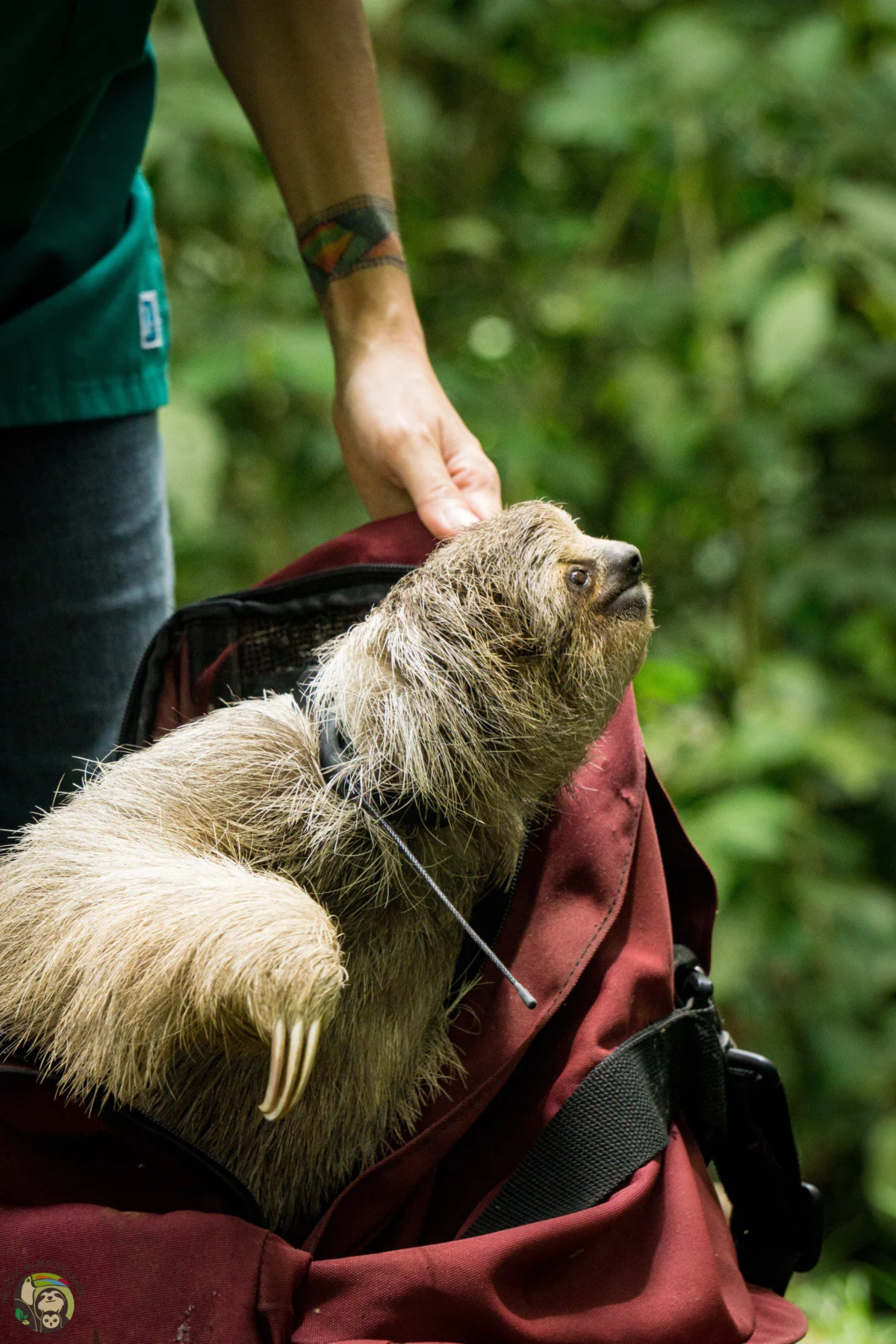
- Final Release and Monitoring: The enclosure doors are opened, allowing the animal to leave at its own pace. Post-release monitoring, often involving tracking technology, ensures that the individual is successfully adapting to its new environment.
Distinguishing Release Candidates from Permanent Residents
A fundamental aspect of the TRR mission is the objective evaluation of an animal’s long-term viability in the wild. Not every animal that enters the ranch can be safely returned to the forest. The organization classifies its residents into two primary categories: release candidates and permanent residents.
Release candidates are typically individuals that have retained their wild instincts and possess the physical capabilities required for survival. Adult birds and mammals that have fully recovered from temporary injuries are the primary focus. For example, toucans bred within the ranch’s specialized breeding program are considered ideal candidates. Because they are raised with minimal human contact and under the guidance of their parents or through specialized "puppet" feeding techniques, they possess the innate behaviors necessary to navigate the canopy.
Conversely, permanent residents are those for whom release would be a death sentence. This category includes animals with permanent physical disabilities, such as an owl missing a wing or a parrot with a beak deformity that prevents it from foraging. Perhaps more significantly, it includes animals that have become "imprinted" or habituated to humans. Animals that have spent years as illegal pets often lose their fear of humans and forget how to interact with their own species. Releasing such individuals would likely lead to them seeking out human settlements, where they face the risk of abuse, recapture, or starvation. These permanent residents are not sidelined; instead, they become ambassadors in TRR’s education programs, helping the public understand the consequences of the illegal wildlife trade.
Collaborative Governance and Site Selection
The success of a release is heavily dependent on the environment into which the animal is introduced. Toucan Rescue Ranch does not operate in a vacuum; every release is a collaborative effort involving the Ministry of Environment and Energy (MINAE), Costa Rica’s wildlife governing agency. MINAE provides the legal framework and oversight, ensuring that releases comply with national conservation strategies.
Site selection is a rigorous process involving collaboration with local conservationists and environmental experts. The goal is to identify habitats that offer abundant resources—such as food-bearing trees and nesting sites—while minimizing threats like heavy predator density or human encroachment. To this end, TRR has formed strategic partnerships with renowned institutions such as EARTH University and the Tirimbina Biological Reserve. These locations provide protected, scientifically managed lands where animals can be monitored in a secure environment.
Furthermore, Toucan Rescue Ranch has invested in its own dedicated release infrastructure. The organization manages two significant properties—one 25-acre parcel and one 16-acre parcel—specifically dedicated to the "soft release" program. These sites allow for a controlled transition, where animals can gradually acclimate to the wild. The presence of an intern house on one of these properties facilitates 24/7 monitoring during the delicate transition period, providing a safety net for the animals as they take their first steps back into the wild.
Scientific Monitoring and Data-Driven Success
In modern wildlife conservation, the act of releasing an animal is only half the battle. Post-release monitoring is essential to determine the efficacy of rehabilitation protocols. TRR utilizes a variety of methods to track its "graduates," including field observations by trained biologists and, when possible, the use of tracking devices.
This data-driven approach allows the ranch to refine its techniques. If a particular species shows a lower survival rate at a specific site, the team can investigate the causes—whether they be related to diet, predation, or habitat quality—and adjust future release plans accordingly. This commitment to scientific rigor ensures that the Release Program contributes to broader ecological knowledge, helping conservationists across the globe improve their own wildlife management strategies.
Ecological and Community Impact: A Broader Analysis
The implications of the Toucan Rescue Ranch Release Program extend far beyond the survival of individual animals. From an ecological perspective, many of the species handled by TRR are "keystone species" or essential seed dispersers. Toucans, for instance, play a vital role in forest regeneration by consuming fruits and dispersing seeds across large distances. By returning these birds to the wild, TRR is effectively helping to plant the forests of the future.
The program also has a profound impact on the local community and the national economy. Costa Rica’s brand is built on "Pura Vida" and its reputation as a world leader in ecotourism. The presence of vibrant, healthy wildlife populations is essential for the tourism industry, which supports thousands of livelihoods. Furthermore, the ranch’s educational initiatives foster a sense of pride and stewardship among Costa Ricans, encouraging the younger generation to protect their natural heritage rather than exploit it.
Supporting the Mission: A Call to Action
The operation of a high-level wildlife rehabilitation and release program requires significant resources. From the high cost of specialized veterinary equipment and medications to the maintenance of large-scale release sites, the financial burden is substantial. Toucan Rescue Ranch relies on a combination of donations, volunteer labor, and advocacy to sustain its operations.
Members of the global community can contribute to this mission in several ways. Financial donations directly fund the medical care and nutritional needs of release candidates. Volunteer opportunities provide the necessary manpower for enclosure maintenance and animal care, while spreading awareness about the dangers of the illegal pet trade helps tackle the root cause of wildlife displacement.
By supporting the Release Program, contributors are not just saving one animal; they are investing in the resilience of an entire ecosystem. The work of Toucan Rescue Ranch serves as a testament to the fact that with the right combination of scientific expertise, governmental cooperation, and public support, it is possible to reverse the damage done to the natural world and give wildlife a well-deserved second chance. As these animals return to the trees, they carry with them the hope of a more balanced and sustainable future for the planet.
