
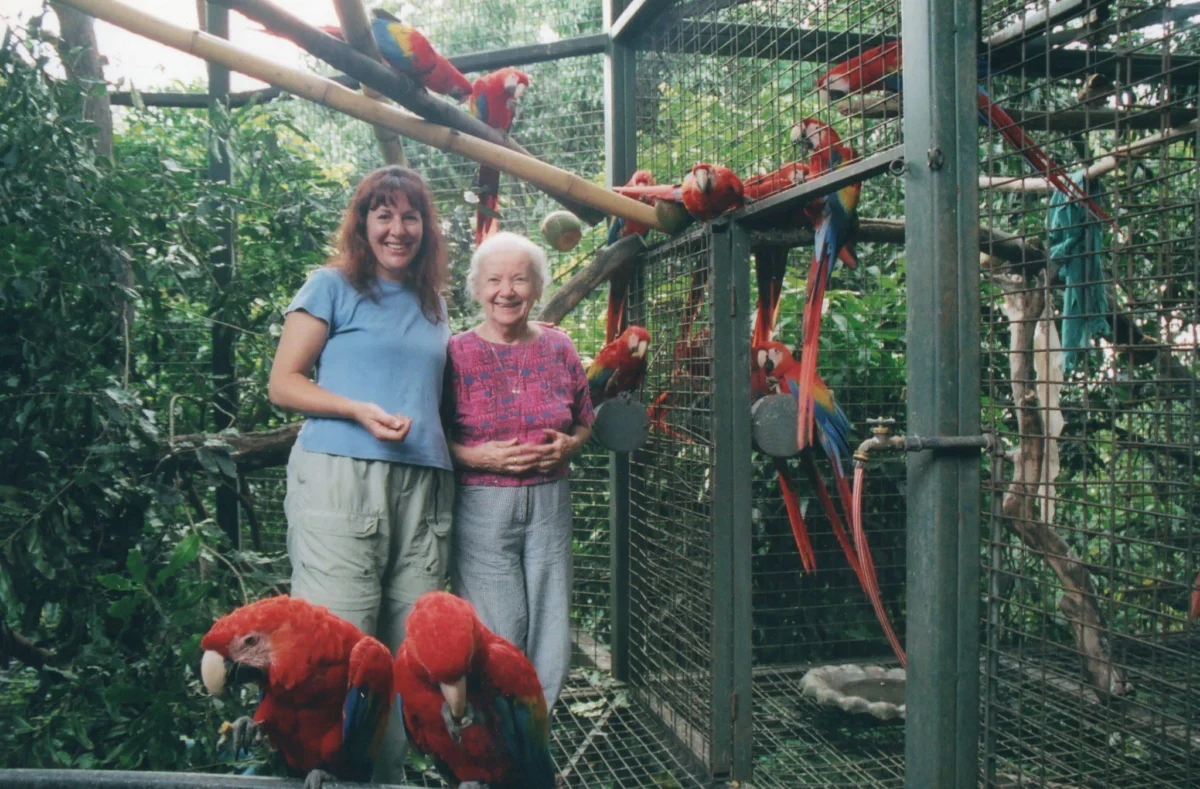
The Toucan Rescue Ranch, a cornerstone of Central American wildlife conservation, celebrated its 20th anniversary in 2024, marking two decades of specialized medical care, rehabilitation, and successful rewilding of Costa Rica’s most iconic species. What began in 2004 as a modest rescue operation focused on avian species has evolved into a globally recognized non-profit organization that integrates advanced veterinary medicine, large-scale reforestation, and international educational outreach. As the organization moves into 2025, it stands as a model for how private conservation initiatives can collaborate with government agencies and international partners to mitigate the impacts of habitat loss and human-wildlife conflict.
The Genesis of a Conservation Leader: 2004–2007
The Toucan Rescue Ranch (TRR) was founded in 2004 by Leslie Howle and Jorge Murillo. Initially established in the highlands of San Isidro, Heredia, the facility was born out of a specific need for specialized care for toucans and other tropical birds often displaced by the illegal pet trade or environmental hazards. In its earliest years, the ranch focused on creating husbandry protocols for species that were poorly understood in a clinical setting.
A significant turning point occurred in 2007, a year that redefined the organization’s scope. The facility accepted its first mammal, a two-fingered sloth named Millie. This intake was more than just a single rescue; it represented the ranch’s transition into a multi-species rehabilitation center. The challenges of sloth rehabilitation—ranging from specialized diets to long-term developmental needs for orphans—became a hallmark of TRR’s expertise.
Simultaneously, the organization achieved a major scientific milestone in 2007 by becoming the first facility in Costa Rica and only the second in the world to successfully captive-breed Emerald Toucanets. This success demonstrated that the ranch was not merely a sanctuary but a center for biological study and conservation science. These early achievements laid the groundwork for the ranch’s dual mission: providing immediate medical intervention while contributing to the long-term survival of Costa Rican biodiversity.
Strategic Expansion and the Professionalization of Care: 2008–2013
As the volume of rescues increased, the limitations of the original San Isidro site became apparent. In 2008, the organization made a strategic investment in a 25-acre property in Sarapiquí. This region, characterized by its lowland tropical rainforest, offered the ideal ecological conditions for releasing animals back into their natural habitats. The acquisition marked the beginning of TRR’s "Release Site," a facility dedicated to the final stages of the rehabilitation process.
The year 2013 served as a landmark for the organization’s infrastructure and legal standing. TRR established a dedicated veterinary hospital at its San Isidro headquarters, allowing for on-site surgeries, diagnostic imaging, and intensive care. Before this, complex medical cases often required transporting animals to external clinics, which increased stress and mortality risks. The professionalization of medical services coincided with the ranch’s registration as a 501(c)3 non-profit organization in the United States. This legal status was instrumental in opening doors to international grants, tax-deductible donations from US supporters, and partnerships with global conservation bodies.
From Rescue to Rewilding: 2015–2018
By 2015, the focus of the Toucan Rescue Ranch shifted toward "rewilding"—the systematic process of returning rehabilitated animals to the wild in a way that ensures their long-term survival. The organization transformed a 16-acre farm in Sarapiquí into a specialized "soft-release" site. Unlike "hard releases," where animals are simply set free, soft-release protocols involve acclimating animals in large outdoor enclosures within their natural habitat, providing supplemental food as they learn to forage, and monitoring their health before full independence.
In 2017, TRR recognized that the complexity of sloth conservation required a collaborative approach. This led to the formation of the "Saving Sloths Together" (SST) program in partnership with The Sloth Institute. This initiative combined the veterinary and rehabilitation expertise of TRR with the specialized field research of The Sloth Institute. The SST program focused on high-risk cases, particularly sloths injured by power line electrocutions or dog attacks, which are the leading causes of sloth mortality in developed areas of Costa Rica.
Environmental restoration became a priority in 2018. Partnering with the prominent Costa Rican company Café Britt, TRR launched a reforestation initiative that resulted in the planting of over 2,000 native trees. This project was designed to restore fragmented rainforest canopies, creating "biological corridors" that allow wildlife to move safely between protected areas. During this same period, the ranch began utilizing advanced VHF tracking equipment. By collaring released sloths, biologists could collect data on post-release survival rates, home range sizes, and reproductive success, providing empirical evidence of the program’s effectiveness.
Digital Transformation and Pandemic Resilience: 2019–2021
The arrival of 2019 brought technological advancements to the ranch’s clinical operations. The implementation of specialized animal care software allowed for the meticulous tracking of medical records, dietary requirements, and behavioral observations for hundreds of animals. This data-driven approach improved clinical outcomes and facilitated research sharing with the global veterinary community.
When the COVID-19 pandemic paralyzed the global travel industry in 2020, TRR faced a dual crisis: a surge in wildlife rescues as human-wildlife boundaries shifted, and a total loss of tourism-based revenue. In response, the organization pivoted to digital education. TRR’s virtual tours became a global phenomenon, eventually being ranked as the #1 virtual experience on Amazon. These tours allowed people from around the world to learn about conservation from their homes, providing a vital revenue stream that kept the hospital operational.
The organization’s commitment to safety and excellence during this period was recognized by the World Travel and Tourism Council, which granted TRR the "Safe Travels" certification. By 2021, the ranch had further solidified its reputation, maintaining top ratings on platforms like TripAdvisor and forming new alliances with local corporations to support its educational outreach programs.
Modern Milestones: 2023–2024
In 2023, TRR expanded its species-specific conservation efforts with the launch of the "Saving Howler Monkeys Together" (SHMT) program. Howler monkeys in Costa Rica face severe threats from urban encroachment and electrocution on uninsulated power lines. The SHMT program focuses on the complex social rehabilitation required for these primates, who must be released in cohesive troops rather than as individuals to survive in the wild. This year also saw the completion of a state-of-the-art Education Center at the Sarapiquí Release Site, providing a hub for students and researchers to study tropical ecology.
The 20th anniversary in 2024 was marked by significant technological upgrades and international expansion. Through a series of generous grants, the wildlife hospital was outfitted with new diagnostic tools, including a blood chemistry machine and a high-resolution digital X-ray system. These tools are critical for diagnosing internal injuries in small mammals and birds, where time is often the most significant factor in survival.
Furthermore, 2024 saw the ranch’s first major fundraiser in the United States. Held at the Nashville Zoo, the "Wildlife Wonders" event raised $25,000 and established the Nashville Zoo as TRR’s first Association of Zoos and Aquariums (AZA) conservation partner. This partnership signals a new era for TRR, aligning its practices with the highest international standards of animal care and conservation science. The year’s popular "Sloth Ironman Games"—a digital fundraising event—also broke records, raising over $30,000 for the ongoing care of orphaned sloths.
Analysis of Impact and Future Implications
The history of the Toucan Rescue Ranch reflects a broader trend in global conservation: the move from reactive rescue to proactive ecosystem management. By integrating medical care with reforestation and scientific monitoring, TRR addresses both the symptoms and the root causes of wildlife decline.
The implications of TRR’s work extend beyond the borders of Costa Rica. The data collected from their release programs contributes to a global understanding of how to successfully reintroduce "difficult" species, such as sloths and primates, into the wild. Furthermore, their success in virtual education demonstrates a sustainable model for non-profits to diversify their funding and reach a global audience without increasing the physical footprint on sensitive habitats.
As the organization looks toward 2025 and beyond, the focus remains on scaling its "Saving Together" programs and enhancing its role as a research hub. With habitat loss continuing to pose a threat to Costa Rican biodiversity, the ranch’s multi-faceted approach—combining high-tech medicine, community education, and boots-on-the-ground conservation—will be essential for the survival of the region’s wildlife. The Toucan Rescue Ranch has proven over two decades that while the challenges facing wildlife are evolving, a combination of passion, science, and international cooperation can create a measurable path toward recovery.
