
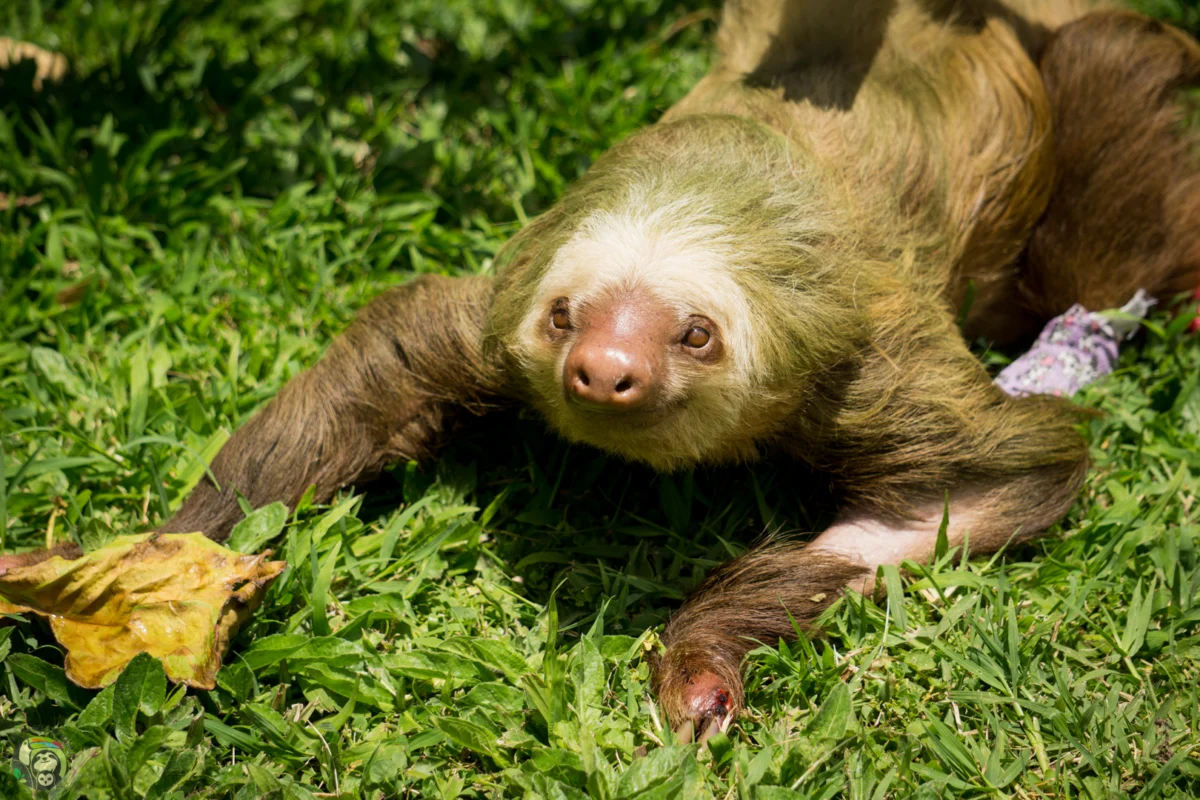
The intersection of veterinary science and conservation biology has reached a critical juncture in Central America, as the Toucan Rescue Ranch (TRR) continues to expand its sophisticated medical protocols for the treatment of Costa Rica’s most vulnerable wildlife. Situated in the biodiverse corridor of San José and Heredia, the facility has evolved from its 2004 origins as a specialized avian sanctuary into a premier multi-species hospital and rehabilitation center. Today, TRR operates as a beacon of hope for injured, orphaned, and displaced animals, utilizing a methodology that blends compassionate care with state-of-the-art medical technology to address the complex challenges facing the region’s fauna.
A Strategic Response to Biodiversity Threats
Costa Rica, despite its small landmass, hosts approximately 6% of the world’s total biodiversity. However, this biological wealth faces increasing pressure from urbanization, infrastructure development, and the illegal wildlife trade. Toucan Rescue Ranch’s medical mission is built upon a response to these specific anthropogenic threats. The facility’s clinical approach is not merely reactive; it is a comprehensive system designed to mitigate the physical and psychological trauma suffered by animals ranging from the iconic Resplendent Quetzal and various toucan species to sloths, spider monkeys, and rare felids like the oncilla.
The organization’s dedication to wildlife medicine is a cornerstone of its broader mission: to ensure that every animal received has a viable path toward rehabilitation and, whenever possible, a successful release back into the wild. This objective requires a rigorous adherence to specialized veterinary standards that differ significantly from domestic animal medicine.
The Clinical Journey: From Admission to Assessment
The medical process at Toucan Rescue Ranch begins the moment a patient arrives. Whether brought in by the Ministry of Environment and Energy (MINAE), local police, or concerned citizens, every animal undergoes a comprehensive health assessment. This initial phase is critical, as wildlife often masks symptoms of illness or injury as a natural defense mechanism against predation.
Skilled veterinary teams perform detailed physical examinations that include diagnostic imaging, such as digital radiography and ultrasonography, alongside hematology and biochemistry panels. These tests allow the staff to identify internal fractures, parasitic loads, infections, or organ dysfunction that may not be visible to the naked eye. For many residents, such as the turtles often treated for shell damage or the raptors suffering from wing fractures, this diagnostic stage determines the feasibility of a full recovery.
The development of a species-specific treatment plan follows the assessment. Because the metabolism and physiological responses of a three-toed sloth differ fundamentally from those of a keel-billed toucan, the TRR medical team must maintain an exhaustive database of exotic animal medicine. This specialized knowledge ensures that anesthesia, medication dosages, and surgical techniques are tailored to the unique needs of each resident.
Advanced Surgical Interventions and Specialized Treatments
The TRR clinic is equipped with modern medical technology to provide treatments that were once unavailable to wildlife in the region. One of the more complex areas of their work involves orthopedic surgeries, such as the repair of turtle shells. Using advanced resins and stabilization techniques, the veterinary team can reconstruct damaged carapaces, protecting the animal’s internal organs while the bone heals.
Surgical intervention also extends to the "silent victims" of Costa Rica’s power grid: animals suffering from high-voltage electrocutions. These cases, frequently involving sloths and monkeys, require intricate debridement of burnt tissue, specialized wound management, and sometimes limb salvage procedures. TRR’s veterinarians are trained in avian and exotic medicine, allowing them to perform delicate surgeries on small-bodied patients like the oncilla, a small wild cat that requires precise care to ensure its predatory instincts and physical capabilities remain intact post-recovery.
Beyond surgery, specialized treatments include laser therapy for wound healing and rigorous physical therapy regimens. For avian patients, this might involve "flight school" to rebuild muscle mass after wing repairs, while for primates, it involves cognitive and physical stimulation to ensure they retain the skills necessary for forest survival.
The Rehabilitation Bridge: Simulating Natural Habitats
Rehabilitation is the vital bridge between medical stabilization and wild release. Once an animal is cleared from the acute care of the clinic, it is moved to recovery enclosures designed to simulate its natural habitat. This stage of the process is as much about psychological well-being as it is about physical healing.
For social species like spider monkeys or capuchins, rehabilitation often involves integration into peer groups to prevent the loss of social cues. For solitary animals, the focus is on providing a low-stress environment that encourages natural foraging behaviors. The TRR team monitors these residents through a combination of direct observation and remote cameras, minimizing human contact to prevent habituation. Habituation—the loss of a wild animal’s natural fear of humans—is one of the greatest obstacles to successful release, and TRR implements strict protocols to ensure that animals remain "wild at heart."
Preventative Medicine and Nutritional Science
The long-term health of the sanctuary’s residents depends heavily on preventative medicine and optimized nutrition. In the tropical climate of Costa Rica, parasite control and disease prevention are constant challenges. TRR’s preventative protocols include routine health screenings, vaccinations where appropriate, and rigorous hygiene standards within the enclosures.
Nutrition is treated with the same scientific rigor as medical surgery. The facility employs nutritionists who work alongside the veterinary team to formulate diets that replicate the diversity of food sources found in the wild. For example, the dietary needs of a toucan, which requires a low-iron diet to prevent hemochromatosis (iron storage disease), are drastically different from the high-fiber, low-energy requirements of a sloth. By providing species-specific diets, TRR ensures that recovering animals have the energy reserves needed for the grueling process of tissue repair and growth.
Education, Training, and Global Knowledge Sharing
Toucan Rescue Ranch recognizes that the future of wildlife conservation depends on the dissemination of knowledge. The facility serves as an educational hub, offering internships and training sessions for veterinary students and conservationists from around the world. These programs focus on the latest developments in wildlife medicine, from innovative wound care to the ethics of rehabilitation.
By training the next generation of wildlife veterinarians, TRR extends its impact far beyond the borders of Costa Rica. The data collected during the treatment of various species contributes to a global understanding of wildlife health, helping to identify emerging diseases and informing conservation strategies on an international scale.
Chronology of Care and Institutional Growth
The evolution of TRR’s medical capabilities can be traced through several key milestones:
- 2004: Founding of TRR by Leslie Howle, initially focusing on the rescue and hand-rearing of toucans.
- 2007: Expansion to include sloths and other mammals, necessitating the first dedicated medical space.
- 2017: The establishment of the Release Site in Sarapiquí, allowing for a "soft release" process where animals are monitored in a semi-wild environment before full reintegration.
- 2020-2024: Significant upgrades to the on-site clinic, including the acquisition of advanced diagnostic imaging and the expansion of the veterinary staff to include specialists in avian and exotic pathology.
This timeline reflects a transition from a rescue-based model to a sophisticated medical and research institution that plays a pivotal role in Costa Rica’s national conservation framework.
Analysis of Implications for Regional Conservation
The work performed at Toucan Rescue Ranch has profound implications for the preservation of Central American biodiversity. Every successful release of a keystone species, such as a spider monkey or a large raptor, helps maintain the ecological balance of the rainforest. These animals play vital roles in seed dispersal and predator-prey dynamics.
Furthermore, TRR’s medical data provides a "canary in the coal mine" effect for environmental health. Patterns in the injuries or illnesses seen at the ranch can signal broader environmental issues, such as the presence of toxins in the food chain or the increasing dangers of specific infrastructure projects. By collaborating with MINAE, TRR ensures that its clinical findings can lead to policy recommendations, such as the insulation of power lines in high-wildlife areas or the construction of wildlife bridges over highways.
A Collaborative Future for Wildlife
At the core of Toucan Rescue Ranch is the belief that the survival of wildlife is a collective responsibility. The high standard of medical attention provided to each resident is made possible through a combination of scientific expertise, dedicated staff, and the support of a global community.
As TRR looks toward the future, the integration of more advanced medical technologies and the expansion of its release programs remain top priorities. By refining the art and science of wildlife medicine, the ranch not only saves individual lives but also strengthens the resilience of the ecosystems that define Costa Rica. Through meticulous diagnostics, tailored treatments, and an unwavering commitment to rehabilitation, Toucan Rescue Ranch continues to prove that with the right intervention, a brighter and healthier future for wildlife is not only possible but achievable. Together, through the support of conservation efforts and the advancement of veterinary science, the global community can ensure that the vibrant species of the tropics continue to thrive for generations to come.
