
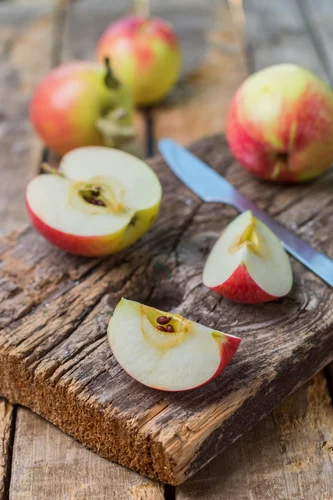
The practice of supplementing commercial poultry feed with fresh produce has seen a significant rise in popularity among backyard chicken keepers, yet the inclusion of common fruits like apples necessitates a nuanced understanding of both nutritional benefits and potential toxicological risks. While apples are widely recognized as a powerhouse of vitamins and fiber, they harbor a hidden danger within their seeds: a compound that can release hydrogen cyanide upon digestion. For the modern poultry enthusiast, the challenge lies in balancing the enrichment of a flock’s diet with the rigorous safety protocols required to prevent accidental poisoning.
The Nutritional Architecture of Apples for Poultry
Apples (Malus domestica) are frequently cited by avian nutritionists as a beneficial supplement for domestic fowl when administered correctly. From a nutritional standpoint, the fruit provides a diverse array of phytochemicals and essential nutrients that support the metabolic functions of a laying hen or a growing broiler. The primary benefit of apples lies in their high concentration of dietary fiber, specifically pectin. Pectin is a soluble fiber that aids in gut health by slowing digestion, which allows for better nutrient absorption, and by acting as a prebiotic that supports beneficial microflora in the chicken’s digestive tract.
Beyond fiber, apples are a significant source of Vitamin C (ascorbic acid) and various antioxidants, including quercetin, catechin, and chlorogenic acid. While chickens can synthesize their own Vitamin C, supplemental intake is particularly beneficial during periods of heat stress or illness, as it aids in immune response and reduces oxidative damage. Quercetin, in particular, has been studied for its anti-inflammatory properties in avian species, potentially helping to manage the systemic inflammation that can occur in high-producing laying hens.

The water content of apples, which averages around 86 percent, also serves as a valuable source of hydration during the summer months. When chickens consume apples, they are not only receiving caloric energy through natural sugars like fructose and glucose but are also engaging in natural foraging behaviors that are vital for their psychological well-being.
The Chemical Mechanism of Amygdalin and Cyanide Risk
Despite the clear benefits of the fruit’s flesh and skin, the seeds—often referred to as pips—present a distinct biological hazard. Apple seeds contain a cyanogenic glycoside known as amygdalin. When the seeds are crushed or chewed, amygdalin comes into contact with digestive enzymes, triggering a chemical reaction that releases hydrogen cyanide (HCN). This is a defense mechanism evolved by the plant to discourage seed predation.
In the context of poultry, the risk is magnified by the bird’s relatively small body mass and rapid metabolic rate. Hydrogen cyanide is a potent respiratory toxin that interferes with the cellular use of oxygen. Specifically, it binds to the iron atom in cytochrome c oxidase, an enzyme in the mitochondria of cells. By inhibiting this enzyme, cyanide prevents the cells from utilizing oxygen, effectively causing cellular asphyxiation even if the bird is breathing normally.
While a single apple seed is unlikely to contain enough amygdalin to be lethal to a healthy adult hen, the cumulative effect or the ingestion of multiple seeds by a smaller or immunocompromised bird can be catastrophic. Younger chicks, senior hens, and birds already suffering from respiratory or cardiovascular issues are at the highest risk. The threshold for toxicity varies, but the consensus among veterinary toxicologists is that there is no "safe" amount of cyanide for a domestic animal, making the removal of seeds a critical safety standard.

Clinical Symptoms of Cyanide Poisoning in Avian Species
Identifying the signs of cyanide poisoning in a flock is difficult because the onset is often rapid and the symptoms can mimic other common poultry ailments. However, keepers should remain vigilant for a specific progression of clinical signs. One of the most telling indicators in chickens is a change in the color of the comb and wattles. Due to the lack of oxygen at the cellular level, these fleshy appendages may turn a dark, bluish-purple hue—a condition known as cyanosis.
Other symptoms include:
- Respiratory Distress: Chickens may gasp for air, exhibit open-mouth breathing, or show signs of labored chest movements.
- Neurological Impairment: This can manifest as tremors, loss of coordination (ataxia), or a sudden loss of consciousness.
- Cardiovascular Collapse: A rapid heart rate followed by a sudden drop in blood pressure often precedes cardiac arrest.
- Digestive Upset: In some cases of sub-lethal dosing, birds may show signs of lethargy and a lack of appetite.
Because there is no easily accessible "at-home" antidote for cyanide poisoning in poultry, prevention through careful food preparation remains the only viable strategy for backyard keepers.
Comparative Risks of Other Stone Fruits
The presence of amygdalin is not exclusive to apples; it is a common trait among many members of the Rosaceae family. This includes the pits of peaches, plums, apricots, and cherries. While the hard exterior of a peach or plum pit is often too tough for a chicken to crack, the "kernel" inside contains high concentrations of the toxin.

If a pit is damaged or if a bird manages to break it open, the risk of poisoning is significantly higher than that of apple seeds due to the larger volume of the kernel. Therefore, the same safety protocols applied to apples—coring and removing seeds—must be extended to all stone fruits. Poultry owners are advised to slice these fruits and manually remove the pits before offering them to their birds.
Best Practices for Safe Feeding and Enrichment
To maximize the benefits of apples while eliminating the risks, agricultural experts recommend a structured approach to feeding. The most effective method is to core the apple using a dedicated tool or a knife, ensuring all seeds are discarded in a secure trash bin where the birds cannot forage for them.
Once cored, apples can be served in various ways to provide mental stimulation:
- Slicing and Dicing: Small pieces can be scattered to encourage natural scratching and foraging behavior.
- The "Tetherball" Method: Hanging a whole, cored apple from a string at the birds’ eye level creates an interactive game. This prevents the fruit from getting soiled on the coop floor and provides exercise as the birds peck at the moving target.
- Mash Integration: Grated apple can be mixed into a warm mash during winter months to provide a boost of energy and moisture.
Regardless of the delivery method, it is essential to wash all fruit thoroughly. Commercial apples are often treated with pesticides and wax coatings that can be harmful to poultry. Using organic produce or ensuring a thorough scrub under cold water is recommended to remove chemical residues.

The Ten Percent Rule: Maintaining Dietary Balance
A critical aspect of poultry management is ensuring that treats, including healthy options like apples, do not displace the essential nutrients found in balanced commercial feeds. Most modern poultry feeds are scientifically formulated to provide the exact ratio of protein, calcium, and minerals required for egg production and bone health.
The "Ten Percent Rule" is a standard guideline in the industry, stating that treats and kitchen scraps should never exceed 10 percent of a chicken’s total daily caloric intake. For an average hen, this equates to roughly one to two tablespoons of supplemental food per day. Overfeeding fruit can lead to an imbalance in the gut pH and a dilution of protein intake, which may result in decreased egg production, poor feather quality, and obesity-related health issues like Fatty Liver Hemorrhagic Syndrome.
Broader Implications for the Backyard Poultry Movement
The discussion surrounding apple seeds and cyanide is part of a larger movement toward professionalizing backyard poultry care. As more households transition to keeping chickens for eggs and companionship, the demand for high-quality, science-based information has grown. This shift highlights the importance of moving away from the "scrap bucket" mentality—where all kitchen waste is thrown into the coop—toward a more intentional, nutritionally sound approach.
Expert voices in the field, such as Lisa Steele, a fifth-generation chicken keeper and author, emphasize that while chickens are omnivores capable of processing a wide range of foods, their status as livestock requires a higher standard of care. The "old-timer" methods of feeding are being updated with modern toxicological data to ensure the longevity and productivity of backyard flocks.

Chronology of Nutritional Standards in Poultry Care
The evolution of how we feed domestic chickens has changed significantly over the last century:
- Early 20th Century: Chickens were largely left to free-range, supplementing their diet with insects and whatever farm waste was available. Nutritional deficiencies were common.
- Mid-20th Century: The rise of industrial poultry farming led to the development of fortified "crumbles" and "pellets," prioritizing growth and egg yield above all else.
- 1990s – 2000s: The resurgence of backyard chicken keeping began, initially relying on anecdotal evidence and traditional farming practices.
- Present Day: A sophisticated intersection of veterinary science and hobbyist passion has emerged. Research into avian gut health and the specific effects of phytochemicals has led to the current guidelines regarding toxic seeds and the 10 percent treat limit.
Conclusion and Final Analysis
Apples represent an excellent resource for poultry enrichment, offering hydration, fiber, and vital antioxidants. However, the presence of amygdalin in the seeds serves as a reminder that not all natural foods are inherently safe. The responsibility of the poultry keeper is to act as a filter, providing the benefits of fresh produce while meticulously removing the hazards.
By adhering to the core-and-seed-removal protocol and maintaining the 10 percent dietary threshold, flock owners can ensure their birds lead healthy, stimulated lives. As the backyard poultry industry continues to mature, the integration of such safety standards will be paramount in protecting animal welfare and ensuring the sustainability of home egg production. The proactive management of a flock’s diet is not merely a matter of nutrition, but a fundamental component of avian preventative medicine.
