
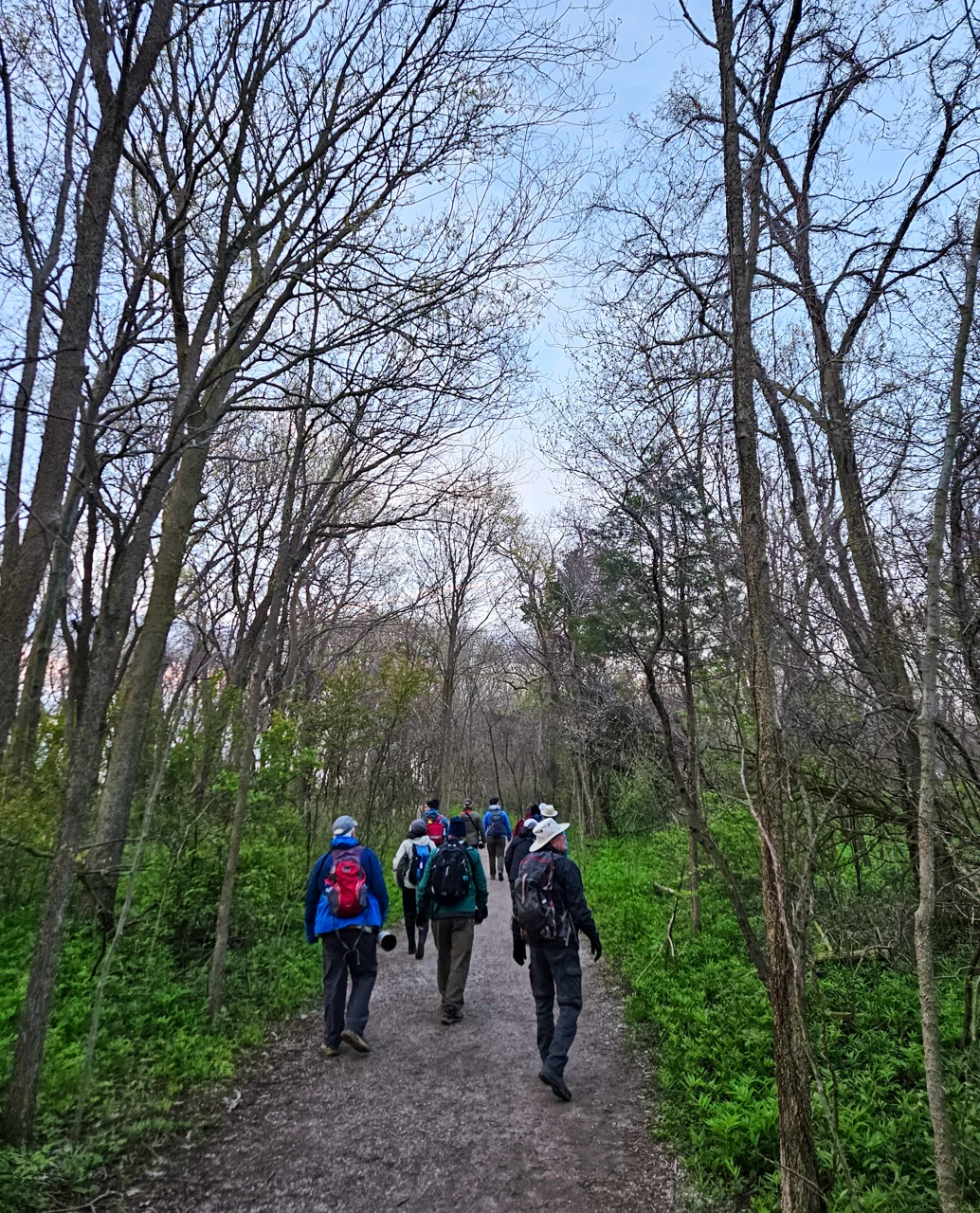
The 2026 Lake Erie Spring Migration tour concluded this week, marking a significant milestone for avian enthusiasts and conservationists alike. Over a nine-day expedition spanning the most critical migratory corridors in Southern Ontario, participants documented a total of 156 bird species, including several rare vagrants and species at risk. The tour, which traversed the internationally recognized hotspots of Point Pelee National Park, Rondeau Provincial Park, and the Long Point Biosphere Region, provided not only a high-volume birding experience but also a deep dive into the ecological health of the Great Lakes basin.
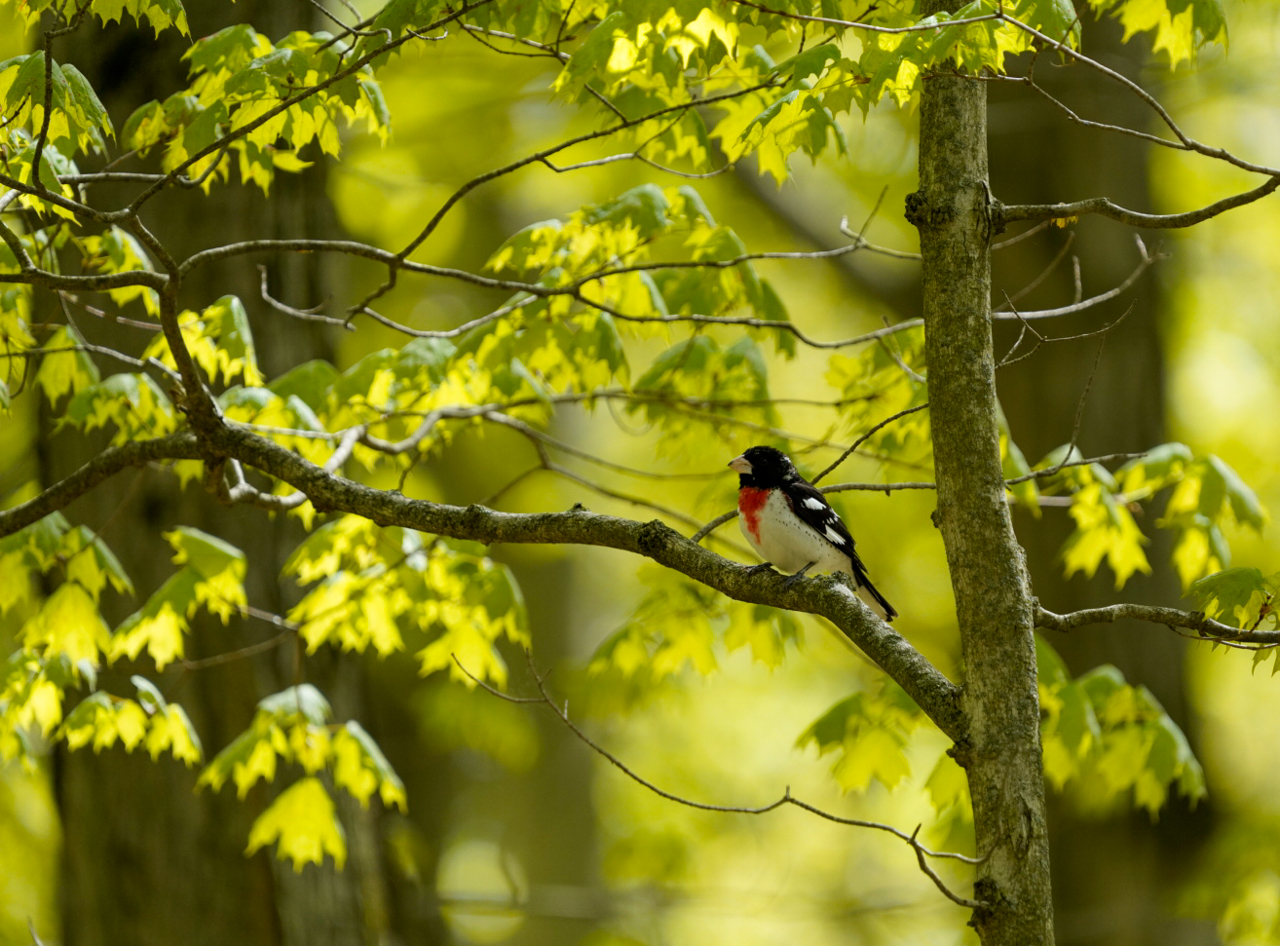
Southern Ontario serves as a geographical funnel for billions of migratory birds moving north from Central and South America. As these birds reach the northern shores of Lake Erie, they encounter a vital stopover point—the Carolinian forest zone. This region, characterized by its unique climate and diverse flora, offers the first available forage and shelter after the birds’ arduous crossing of the lake. The 2026 tour was timed to coincide with the peak "neotropical" movement, where warblers, tanagers, and flycatchers arrive in a vibrant display of color and song.
The Toronto Launch and Urban Ecology
The expedition commenced in Toronto, a city that, despite its urban density, serves as an essential corridor for early-season migrants. The initial stages of the tour focused on the lakefront ecology of Colonel Samuel Smith Park. This location is renowned for its artificial wetlands and protected bays, which provide sanctuary for waterfowl and shorebirds.
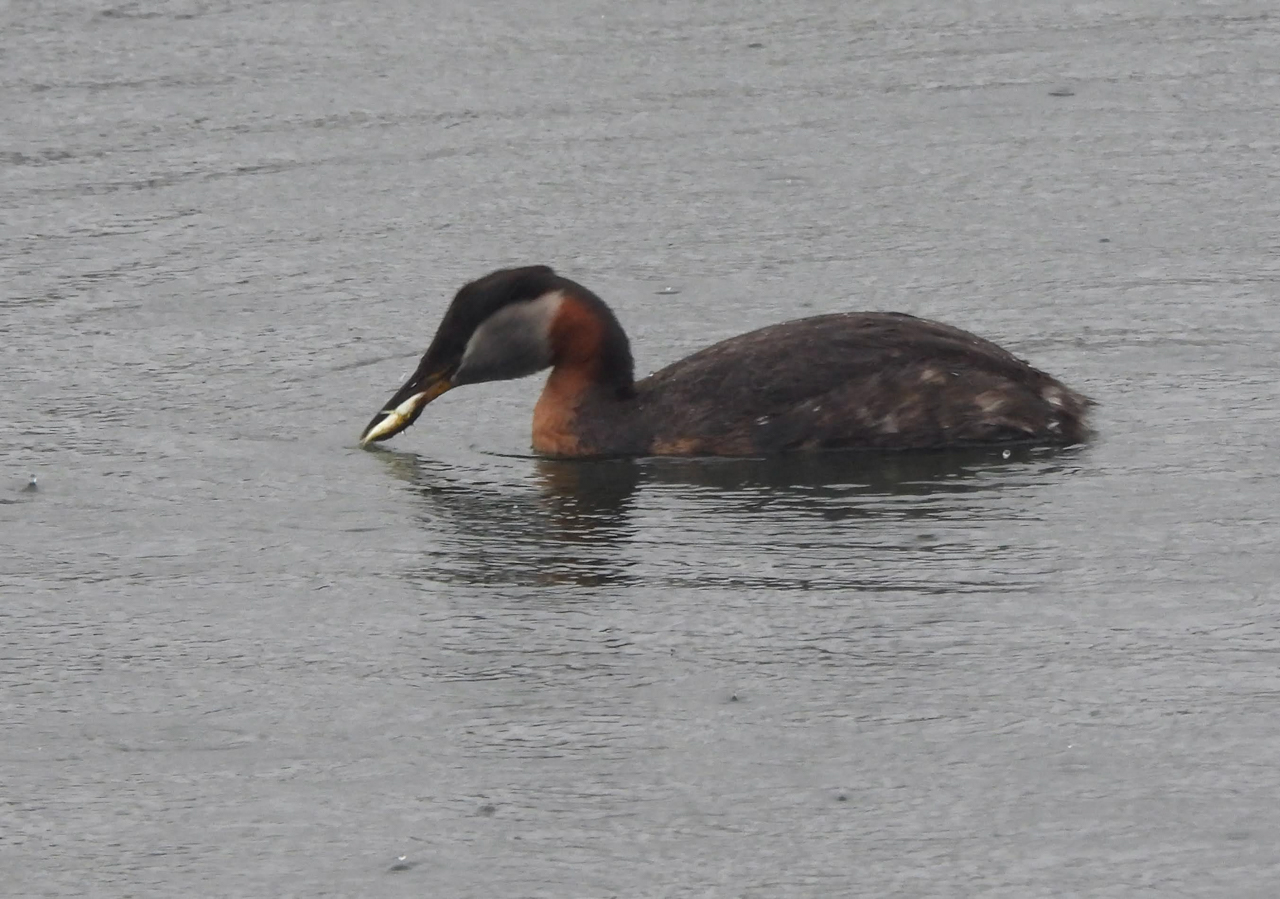
During the first field day, the group observed Red-necked Grebes in high vocal activity, a behavior indicative of the transition toward breeding grounds. The park’s managed Tree Swallow nest box grid provided an opportunity for participants to observe the competitive nesting behaviors of aerial insectivores. Observations were bolstered by the presence of Black-crowned Night-Herons and a significant lingering population of Long-tailed Ducks. The latter, seen in various stages of plumage transition, highlighted the complexities of avian molting cycles.
As weather patterns shifted, the first wave of wood-warblers appeared, including Palm, Magnolia, and Black-throated Green Warblers. These sightings served as a precursor to the higher densities expected further south. The day concluded with a transition to Leamington, the gateway to Point Pelee, where an evening visit to Hillman Marsh produced a flock of 15 American Avocets—a striking shorebird species often considered a rarity in the region.
Point Pelee National Park: The Southern Extremity
Point Pelee National Park, often referred to as the "Warbler Capital of North America," was the focus of Days 3 and 4. The park’s unique geography—a sharp peninsula extending into Lake Erie—makes it a primary landing site for birds exhausted by their trans-lake flight.
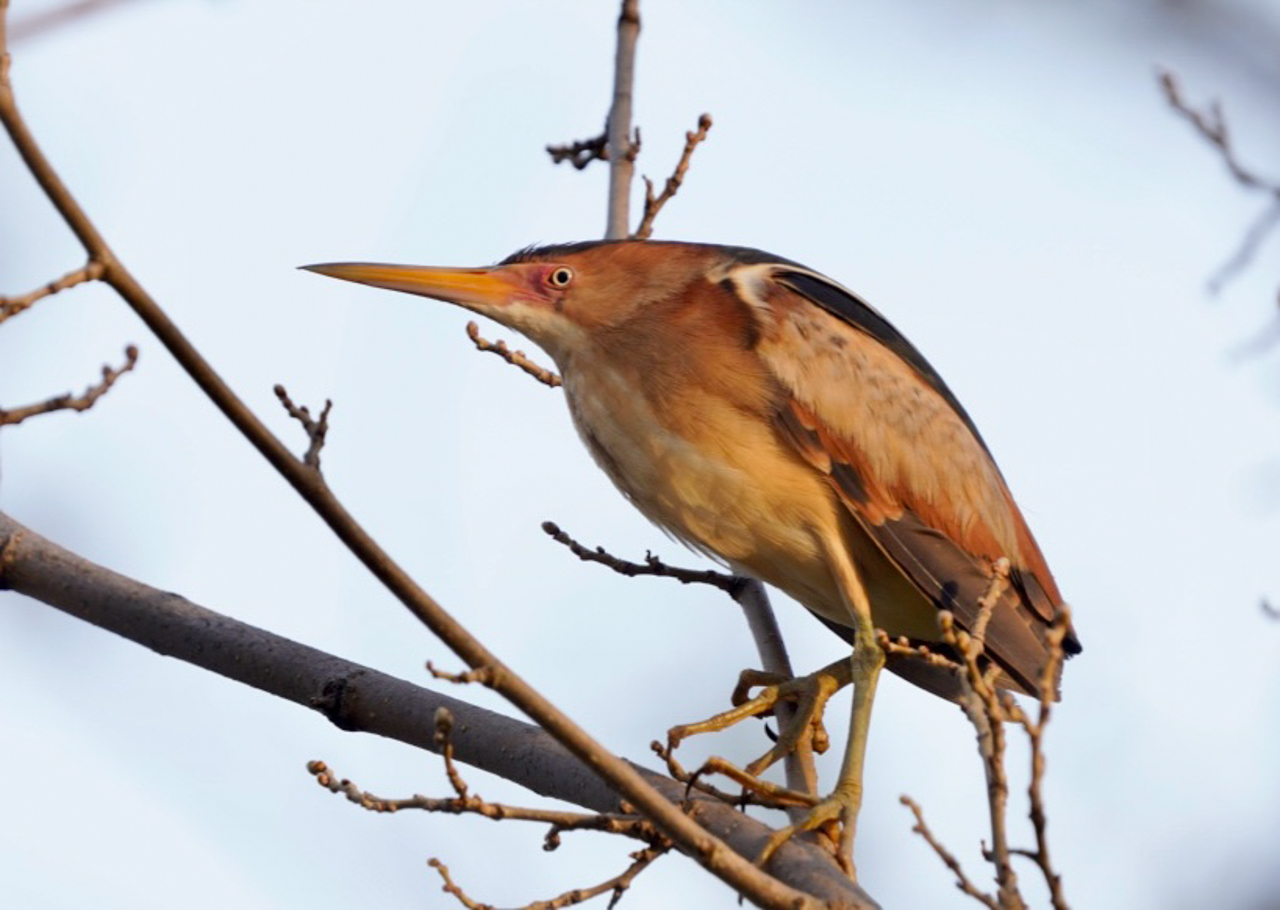
The group’s arrival at the "Tip" at dawn coincided with a spectacular sunrise, a meteorological event that often precedes significant bird "fallouts." Observations at the Tip included a flyby of an American White Pelican and a steady passage of Common Terns and Bald Eagles. However, the most notable event was the sighting of a Least Bittern. Typically a secretive marsh dweller, this individual was found perched in an uncharacteristically open location in the trees just above the beach, offering unprecedented views of a species usually obscured by dense cattails.
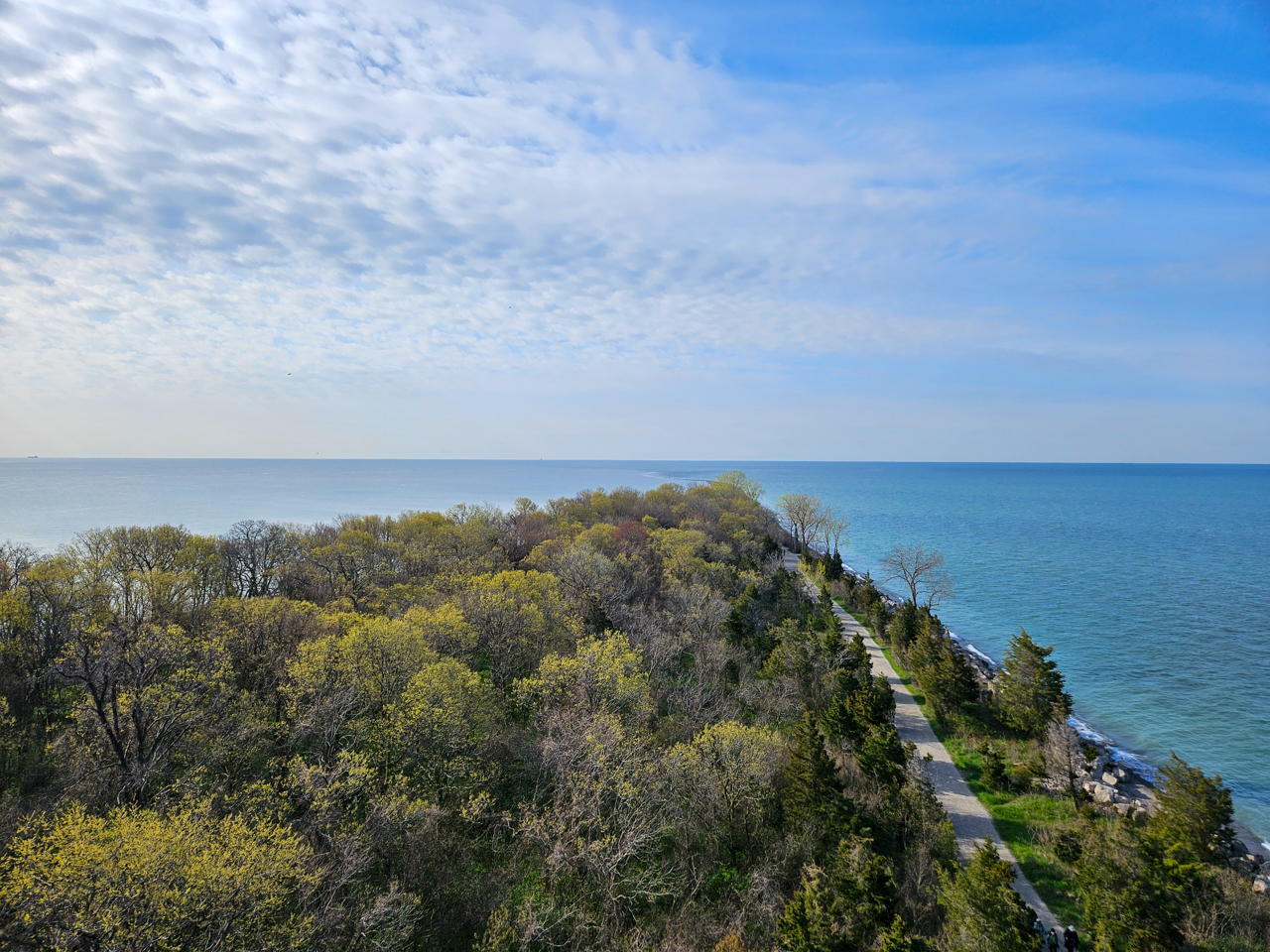
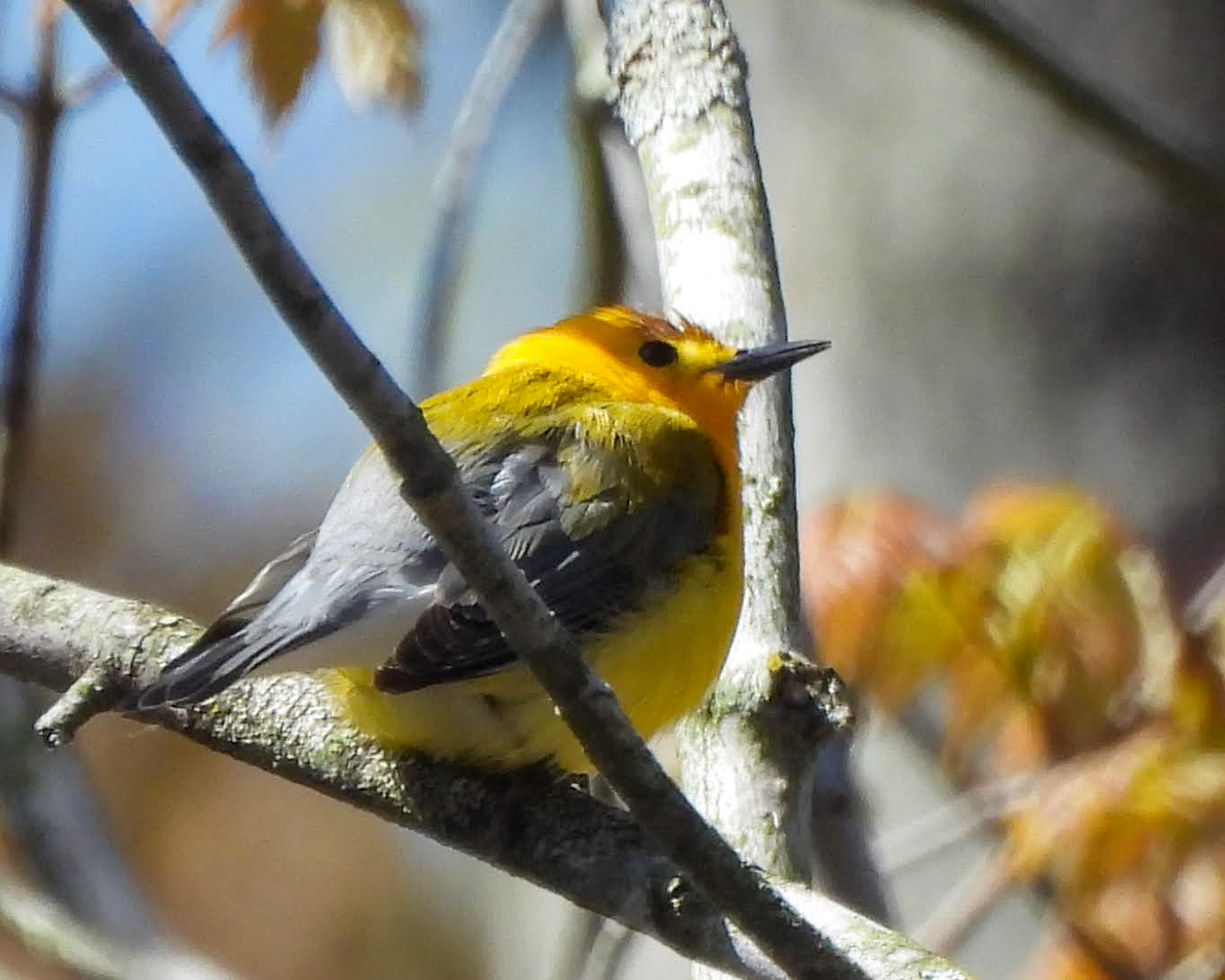
The architectural vantage point of the 80-foot Tip Observation Tower allowed the group to witness "reverse migration," where birds reaching the tip of the peninsula fly back inland to find suitable foraging habitat. A Red-headed Woodpecker was observed performing this exact maneuver. Further inland, the Woodland Trail provided sightings of the Prothonotary Warbler, a species listed as Endangered in Canada. The presence of this "golden swamp warbler" is a testament to the specialized habitat management within the park’s sloughs.
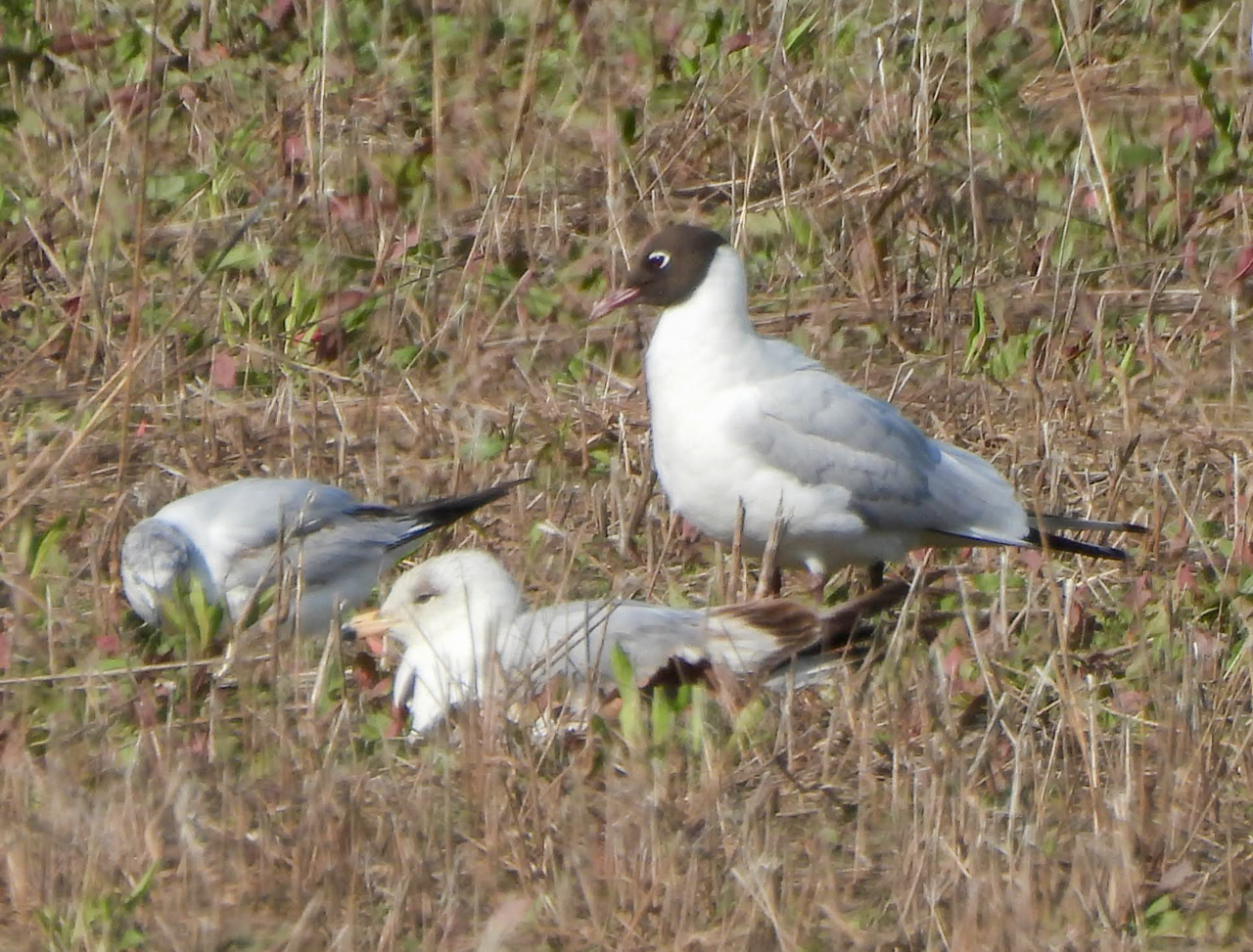
The afternoon at Hillman Marsh added a Black-headed Gull to the trip list. As a European vagrant that typically winters on the Atlantic coast, its presence in Southwestern Ontario drew over 100 local birders, underscoring the tour’s contribution to community-based citizen science.
The Central Corridor: Rondeau Provincial Park
Moving eastward on Day 5, the tour focused on Rondeau Provincial Park. Rondeau is unique for its "ridge and swale" topography, which creates a series of parallel wetlands and forested uplands. This structure provides a high density of edge habitat, which is preferred by many migratory songbirds.
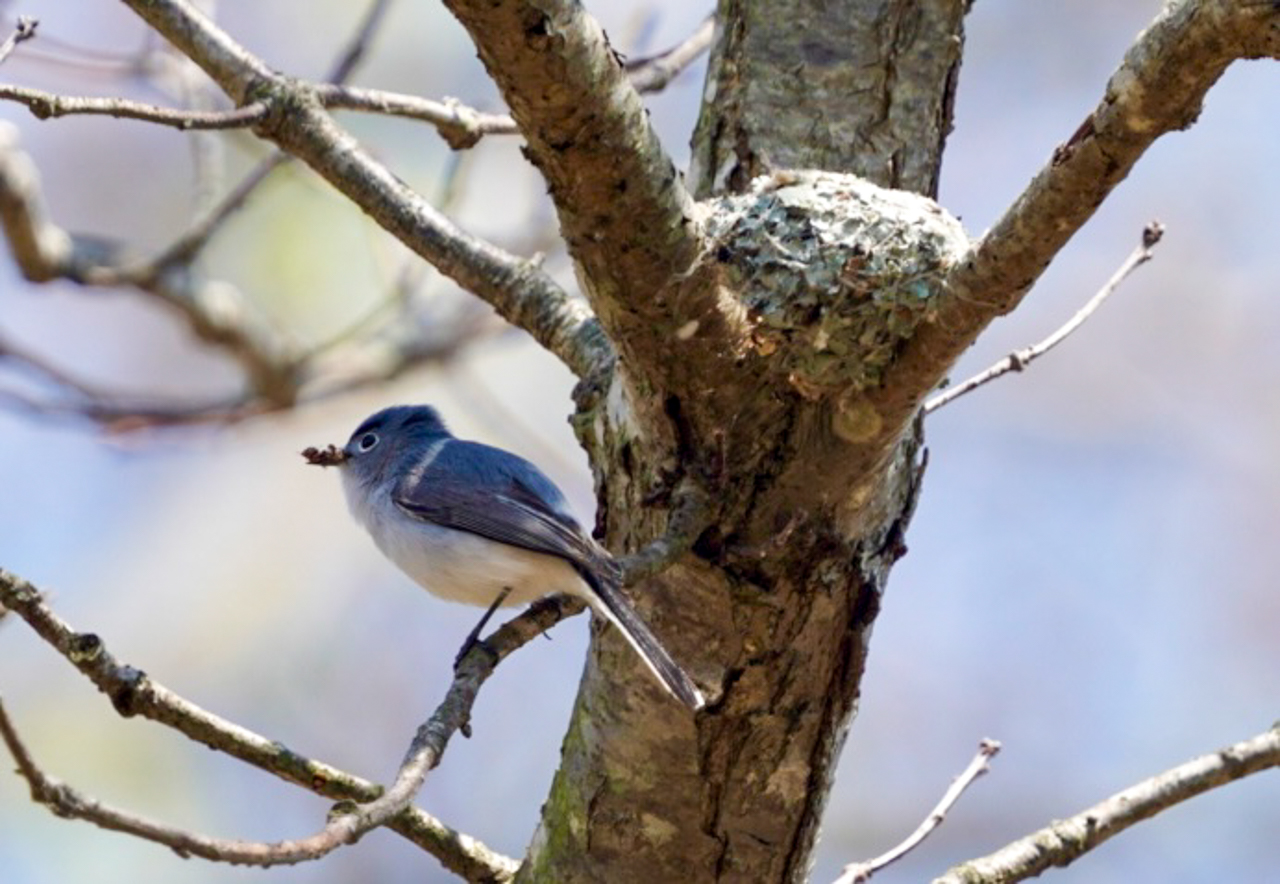
Upon arrival, the group immediately encountered a Yellow-throated Vireo, followed by the melodic songs of Wood Thrushes. The park’s old-growth forest provided sightings of Pileated Woodpeckers, the largest woodpeckers in North America, whose rectangular excavations in deadwood are a key indicator of forest health. A highlight of the Rondeau visit was the observation of Blue-gray Gnatcatchers constructing nests using spiderwebs and lichen, a delicate process that demonstrates the intricate resourcefulness of small passerines.
The rare Yellow-throated Warbler was also documented at Bennet Avenue, providing "walk-away" views for all participants. As rain moved through the area, it triggered a "mini-fallout," bringing Blackburnian and Cerulean Warblers down from the high canopy into lower, more visible branches. The Cerulean Warbler, in particular, is a species of high conservation concern due to habitat loss in both its breeding and wintering ranges.
Long Point: A Hub of Scientific Research
The final third of the tour was dedicated to the Long Point region, a UNESCO World Biosphere Reserve and home to the Long Point Bird Observatory (LPBO), the oldest bird observatory in the Western Hemisphere. Days 6 through 8 were characterized by an integration of birding and biological research.
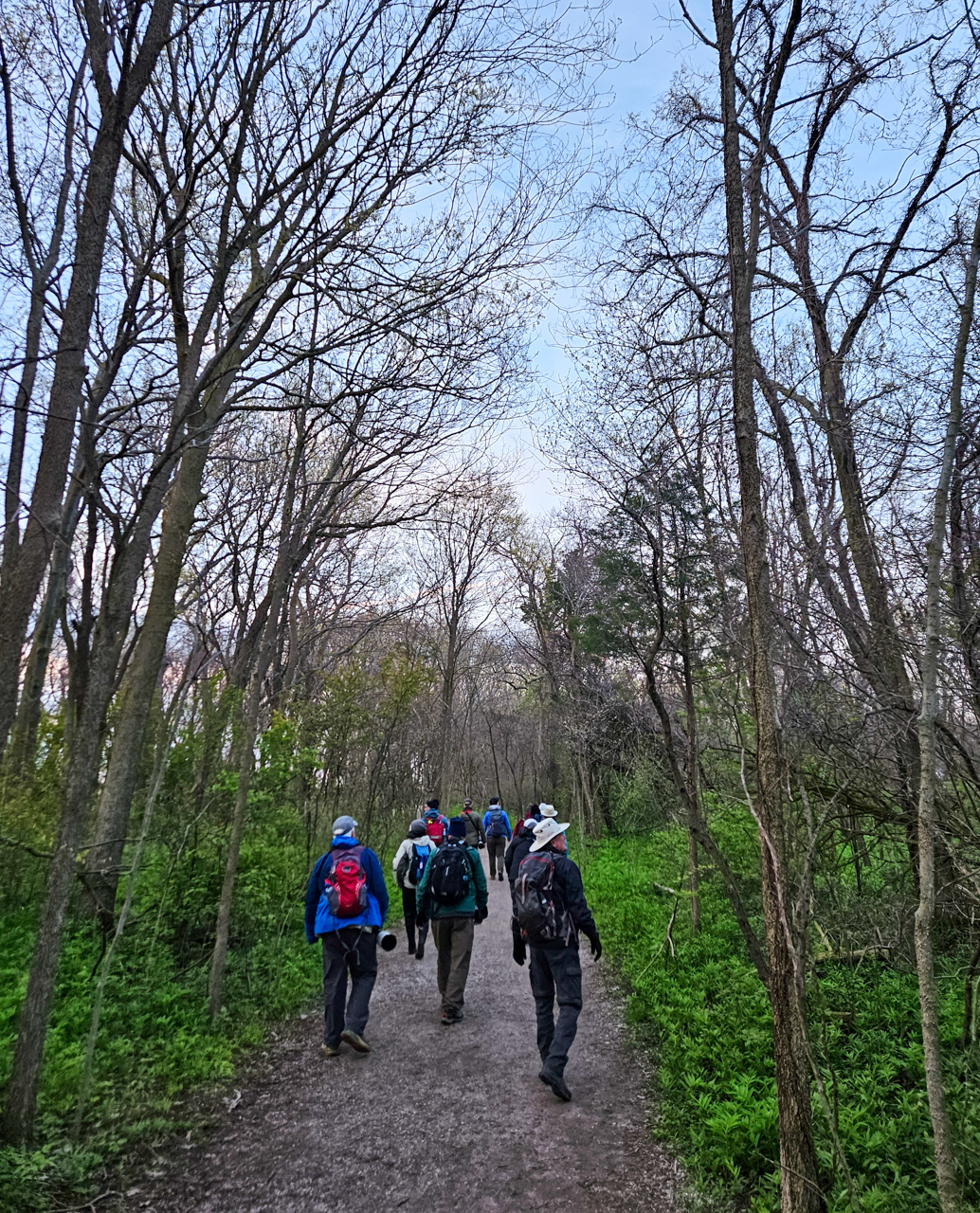
At the Old Cut research station, participants observed the bird banding process. Guided by licensed professionals, the group learned how biometrics—such as wing chord length, fat deposits, and molt limits—are used to track the health and demographics of avian populations. These demonstrations provided close-up views of Blue Jays, Least Flycatchers, and Nashville Warblers, allowing for a detailed discussion on the physiological stresses of migration.
The tour’s evening excursion focused on aerial insectivores, a guild of birds experiencing significant population declines across North America. In collaboration with Birds Canada, the group witnessed the banding of a young male Eastern Whip-poor-will. This nocturnal species is rarely seen, and the opportunity to observe its cryptic plumage and specialized "rictal bristles" (whiskers) provided a profound understanding of its evolutionary adaptations.
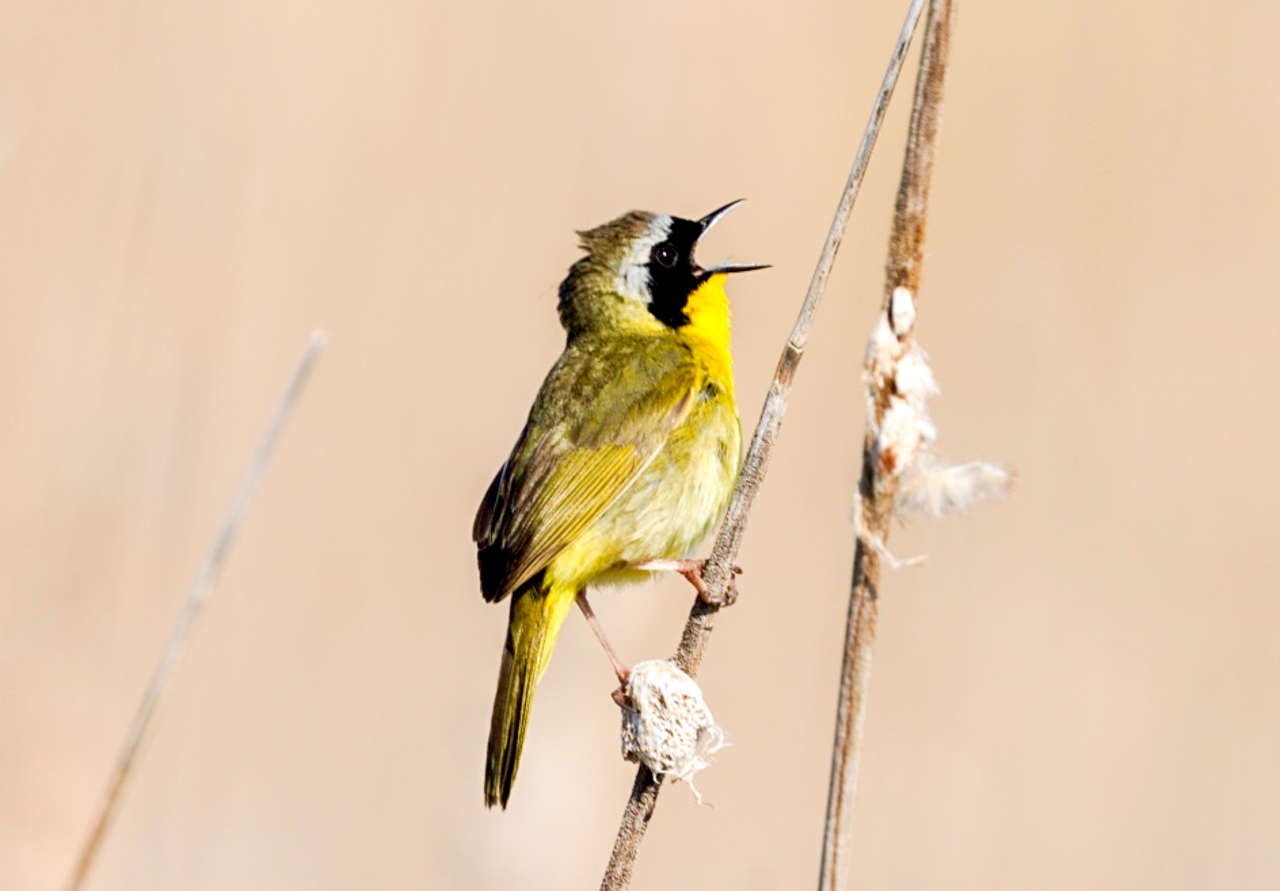
The expedition reached its climax with a boat trip to the remote Tip of Long Point. This area is inaccessible to the general public and represents one of the most pristine coastal ecosystems on the Great Lakes. The landscape, dominated by shifting sands and resilient vegetation, hosted Northern Mockingbirds, White-winged Scoters, and another Red-headed Woodpecker. The trip concluded at Old Cut with a final rarity: a roosting Long-eared Owl, perched silently in a pine canopy.
Conservation Implications and Regional Impact
The documentation of 156 species over nine days is more than a recreational achievement; it serves as a vital data point for regional conservation. The presence of species such as the Prothonotary Warbler, Cerulean Warbler, and Least Bittern highlights the importance of maintaining large, contiguous blocks of habitat in the Carolinian zone.
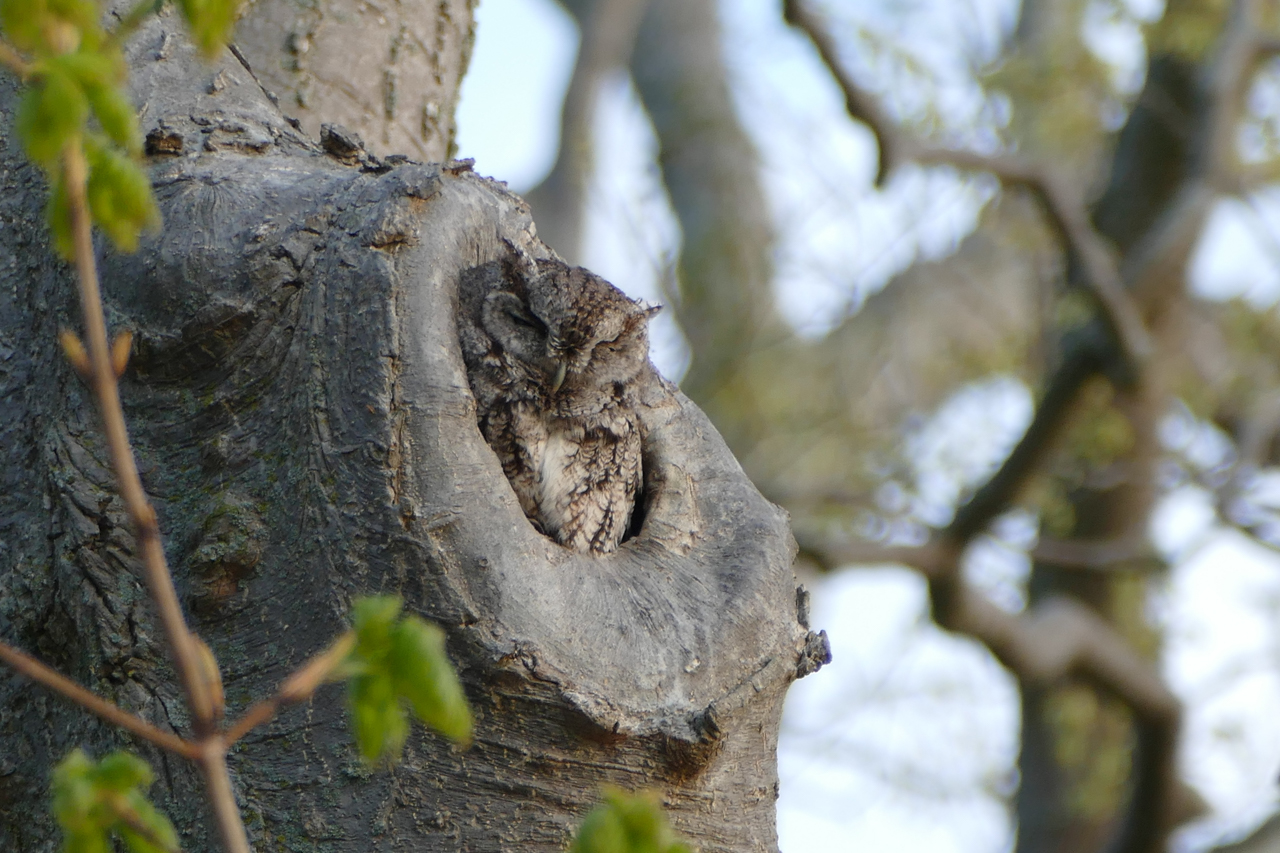
Table 1: Key Species Observed and Conservation Status (COSEWIC)
| Species | Conservation Status | Location Observed |
|---|---|---|
| Prothonotary Warbler | Endangered | Point Pelee |
| Cerulean Warbler | Endangered | Rondeau |
| Least Bittern | Threatened | Point Pelee |
| Red-headed Woodpecker | Endangered | Long Point / Pelee |
| Eastern Whip-poor-will | Threatened | Long Point |
The tour also emphasized the economic impact of "avitourism" in Southern Ontario. Communities like Leamington and Port Rowan see a significant influx of revenue during the month of May, as thousands of birders from around the world visit the region. This economic incentive plays a crucial role in garnering local support for environmental protection measures.
Expert Analysis: The State of Migration 2026
Ornithologists observing this year’s migration noted that while species diversity remains high, the timing of migration is increasingly influenced by fluctuating climate patterns. The "abating rain" and "golden hour" conditions described during the tour are more than aesthetic highlights; they are weather events that dictate the movement and survival of these birds.
The success of the 2026 Lake Erie Spring Migration tour underscores the resilience of North American bird populations when provided with high-quality stopover habitat. As the group returned to Toronto for a final farewell dinner, the consensus among participants and guides was clear: the protection of the Great Lakes’ coastal ecosystems remains a paramount priority for the future of avian biodiversity in North America. The tour concluded on Day 9, leaving behind a comprehensive record of a successful season and a renewed commitment to the study and preservation of the natural world.
