
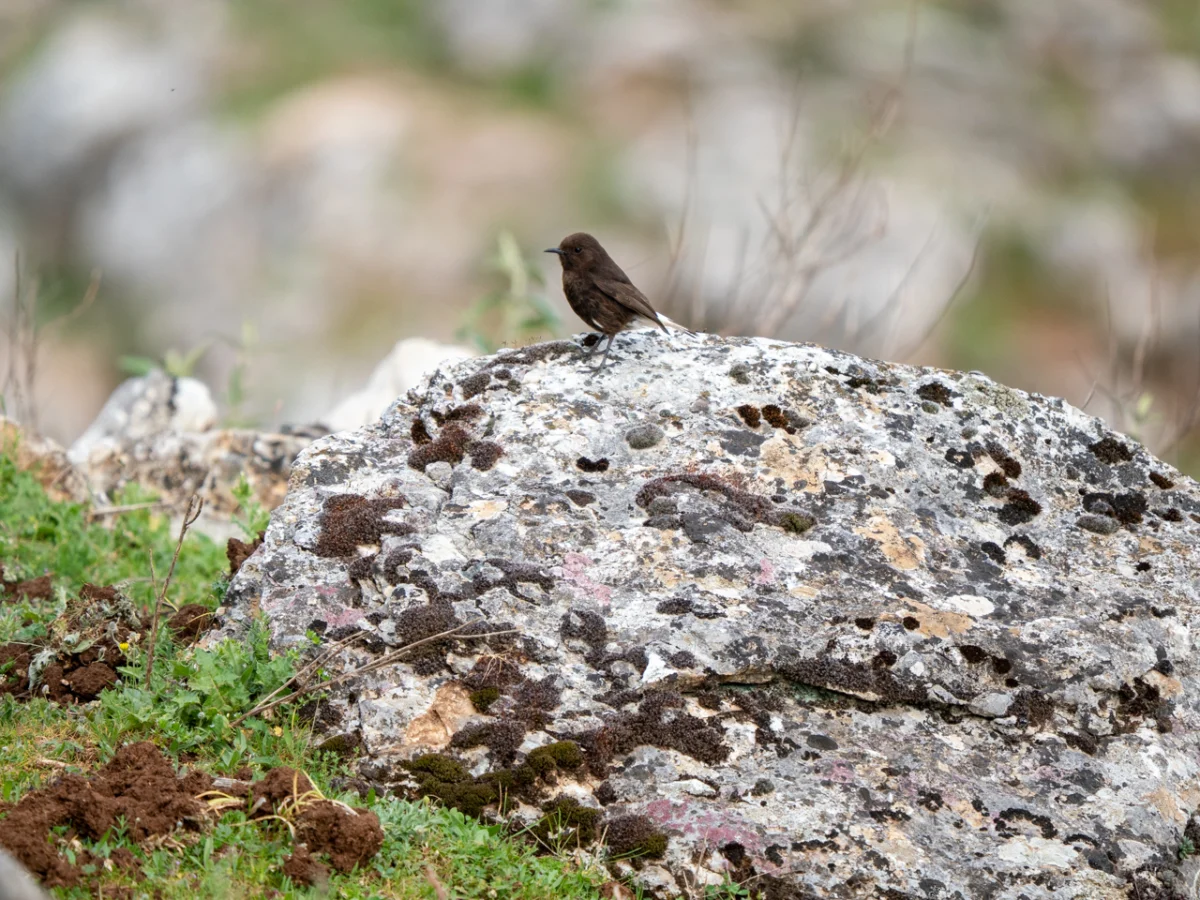
The conclusion of a specialized 14-day wildlife and cultural expedition across central and southern Spain has provided a significant snapshot of the region’s current biodiversity health and the increasing global appeal of Iberian ecotourism. Led by senior biological guide Pablo Perez and co-leader Sören Salvatore, the survey successfully identified 188 bird species, five marine mammals, and nine terrestrial mammals, including the critically managed Iberian lynx. The group, consisting of ten international participants from the United States, Canada, Ireland, and—for the first time in the program’s history—Singapore and Malaysia, traversed a diverse range of ecosystems, from the coastal wetlands of Andalusia to the high-altitude pine forests of the Sierra de Gredos and the ancient dehesas of Toledo.
Coastal Wetlands and the Gateway to Migration
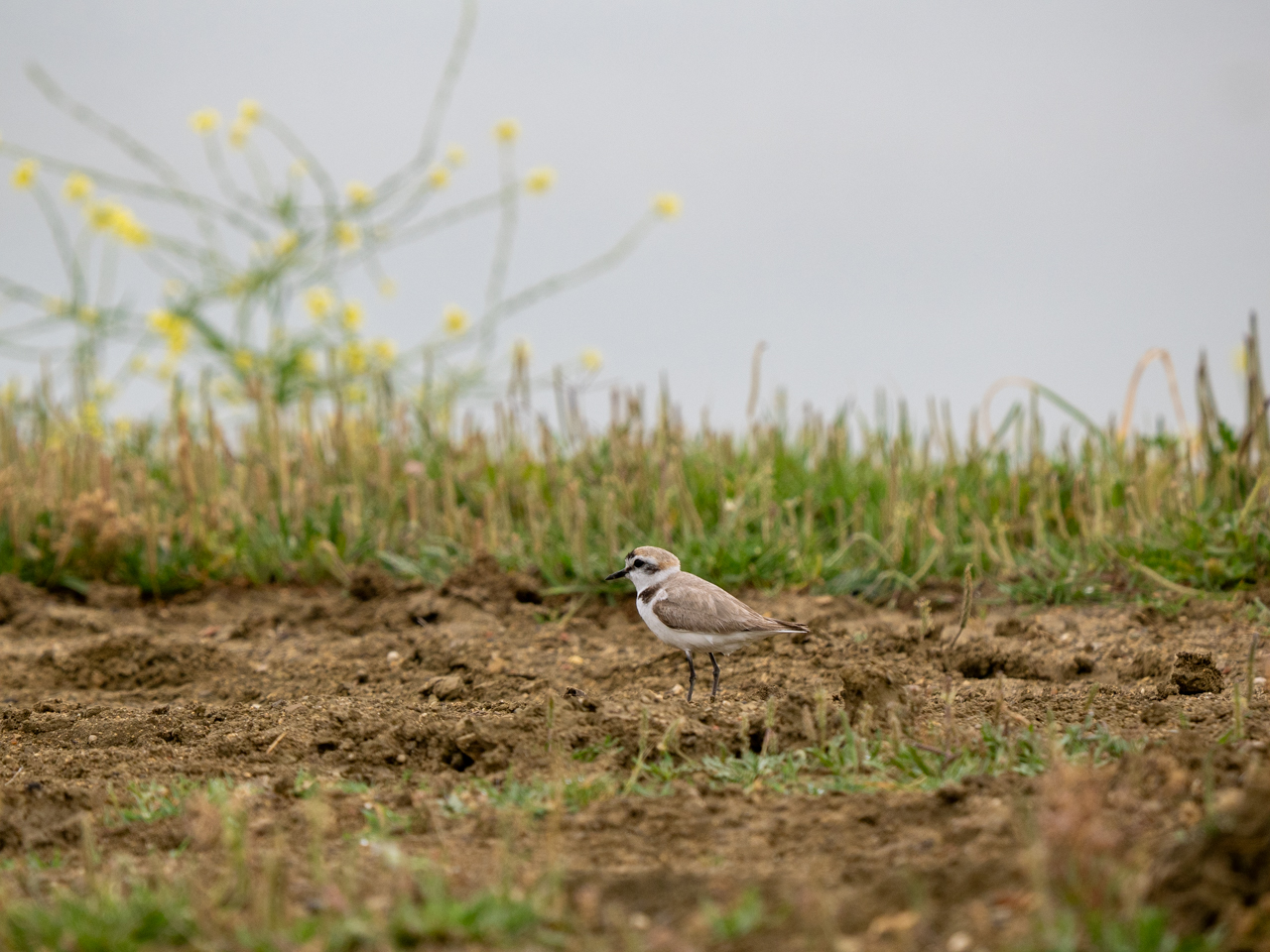
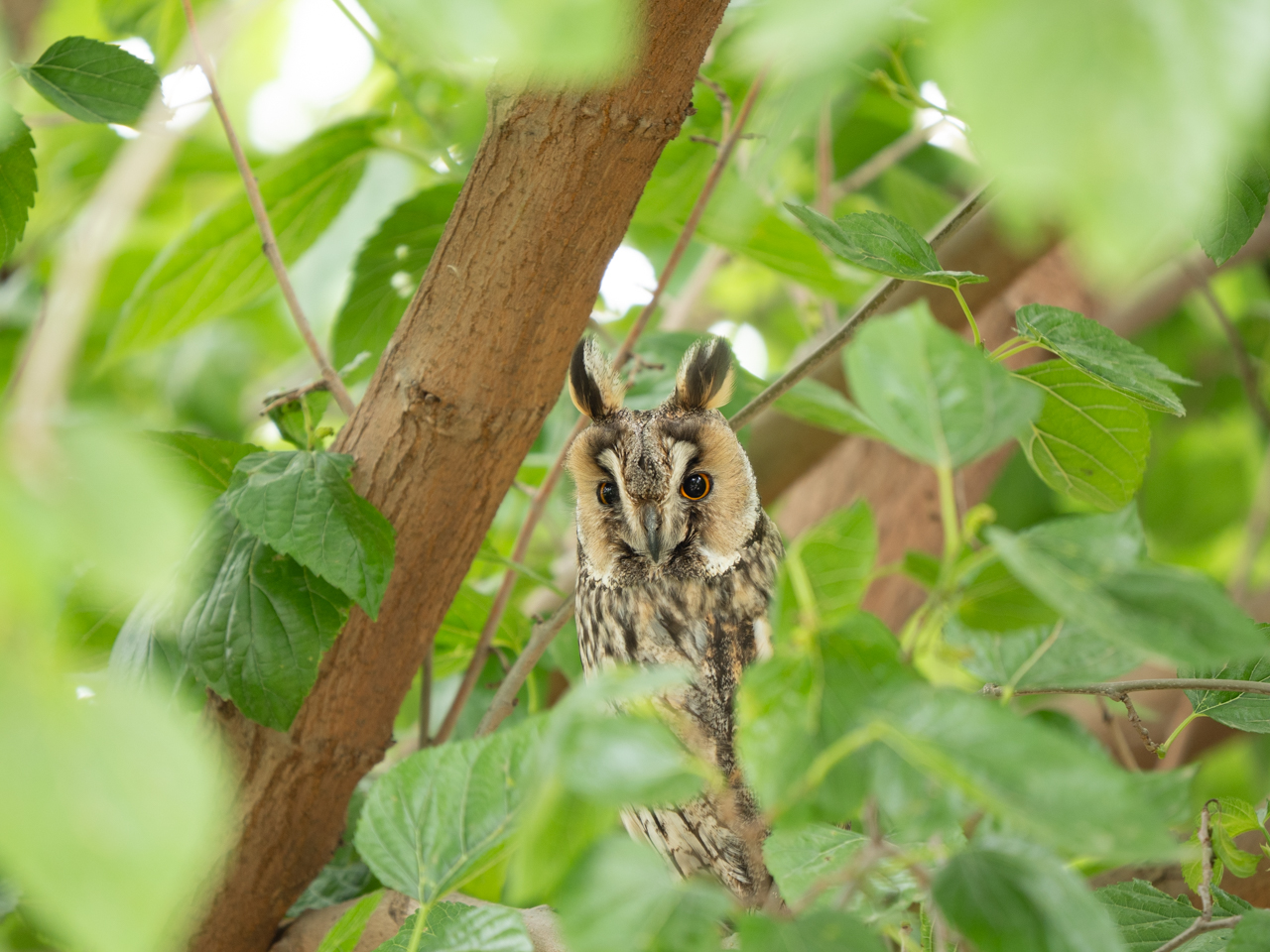
The expedition commenced in Málaga, a region that serves as a vital ecological corridor for avian species migrating between Europe and Africa. The initial survey of the Guadalhorce River mouth, located at a critical intersection of urban development and natural habitat, yielded high-quality observations of the Kentish Plover and the migratory Garganey. A significant highlight occurred during the pre-dawn hours of the second day, where participants witnessed scientific bird banding operations. The observation of a Western Barn Owl prior to its release provided the group with a direct look at the conservation efforts being conducted in the region.

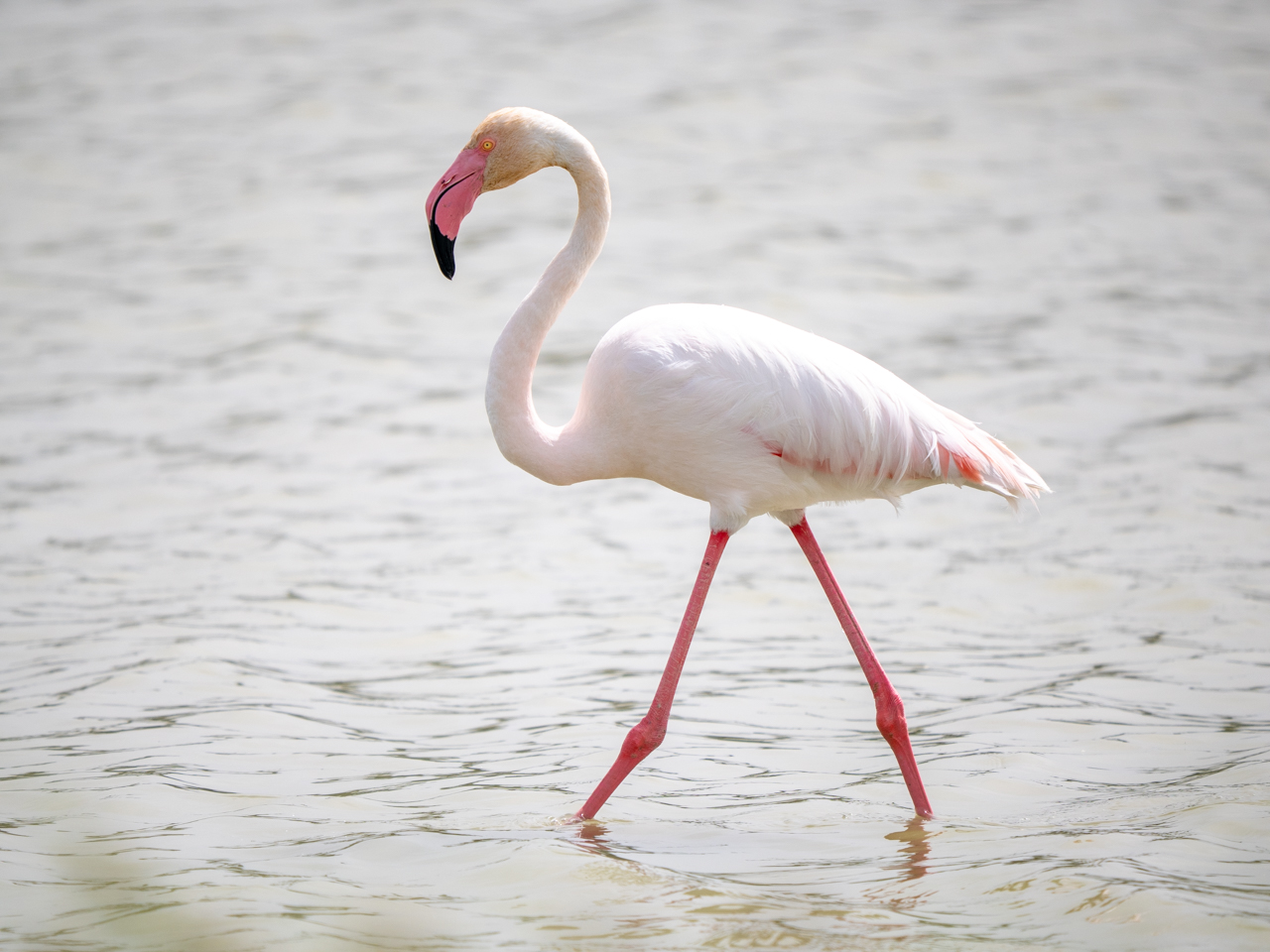
The survey then moved inland toward the Fuente de Piedra Lagoon. This endorheic lake is famous for hosting one of the largest colonies of Greater Flamingos in Europe. Beyond the spectacle of the flamingos—whose rhythmic leg movements during feeding are often cited as a natural precursor to the traditional Spanish Flamenco dance—the team recorded sightings of the White-headed Duck and the Marbled Teal. Both species are classified as globally threatened, and their presence in these wetlands underscores the importance of the Spanish Mediterranean basin as a refuge for Western Palearctic waterfowl.

The Strait of Gibraltar: A Maritime and Avian Bottleneck
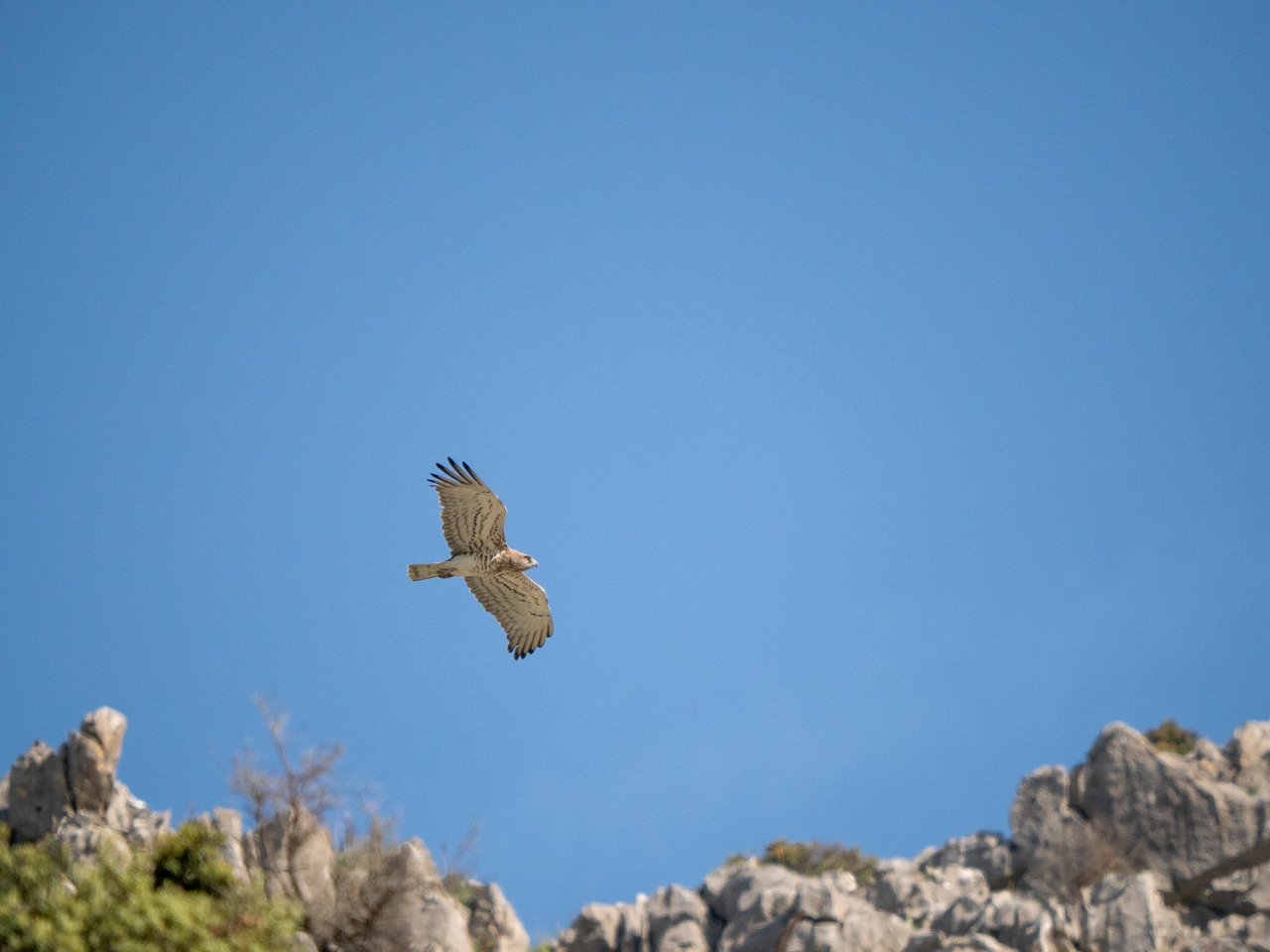
As the expedition moved toward Tarifa, the focus shifted to the Strait of Gibraltar, a 14-kilometer-wide passage that represents one of the world’s most significant migratory bottlenecks. At the Mirador del Estrecho, the group observed the initial stages of raptor migration, recording Griffon Vultures and Booted Eagles. However, the maritime survey of the Strait proved exceptionally productive.
Due to unusually calm waters and favorable winds, the team identified three species of dolphins, Pilot Whales, and a Fin Whale—the first recorded sighting of the season. The Strait’s unique bathymetry, with depths reaching several hundred meters, creates upwellings of nutrients that support a high density of marine life. For the international participants, particularly those from Southeast Asia, the proximity to the African coastline while observing European biodiversity provided a unique geographical perspective on the interconnectedness of global ecosystems.
Conservation Success in Barbate and Doñana
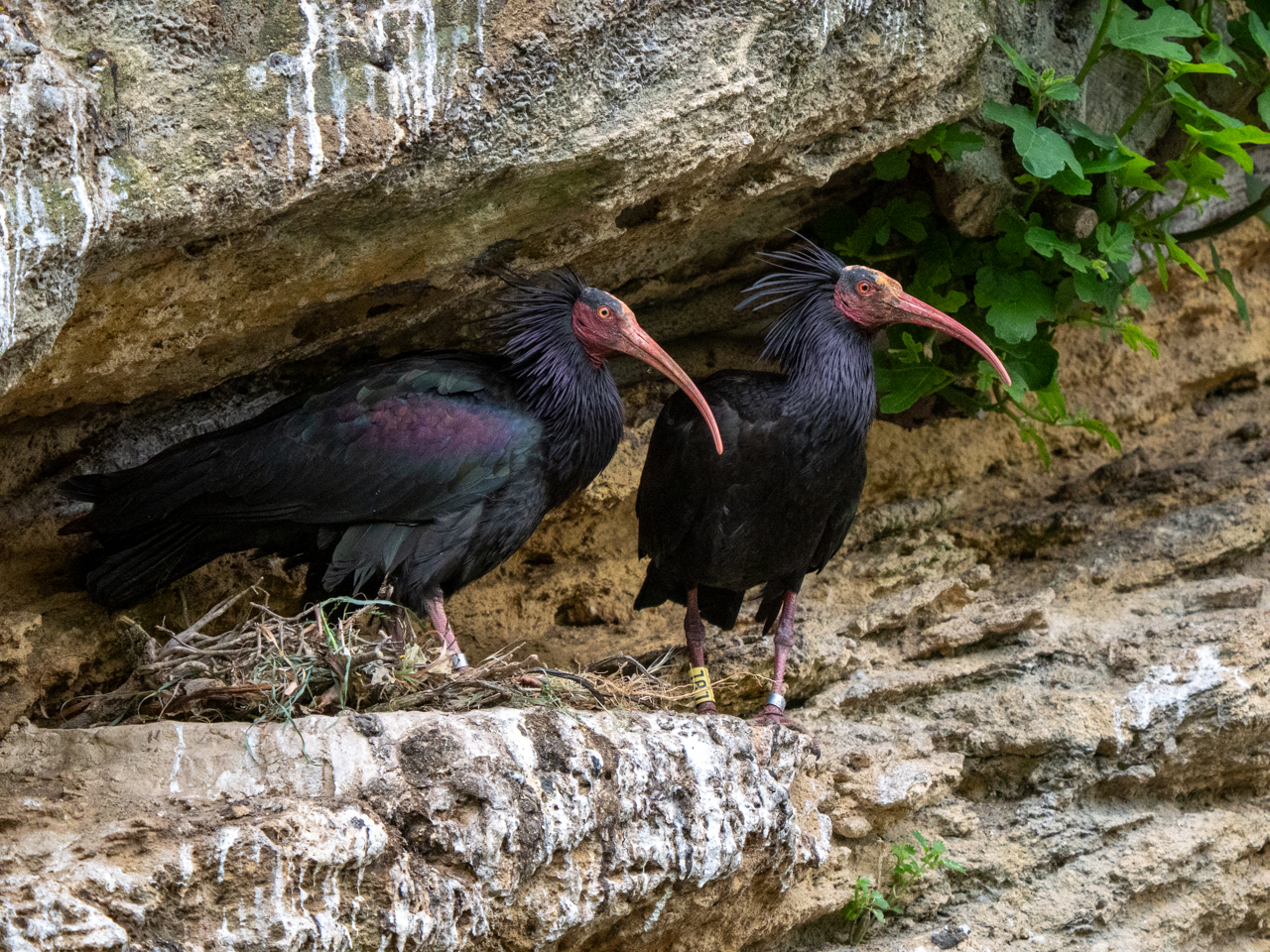
The middle segment of the journey focused on the Atlantic coast and the Guadalquivir estuary. In Barbate, the group visited the breeding colony of the Northern Bald Ibis at La Barca de Vejer. Once extinct in the wild in Europe, the species has been the subject of intensive reintroduction programs (Proyecto Eremita). The expedition noted complex social behaviors within the colony, including inter-nest aggression and the presence of Jackdaws, providing valuable anecdotal data on the social dynamics of these reintroduced populations.

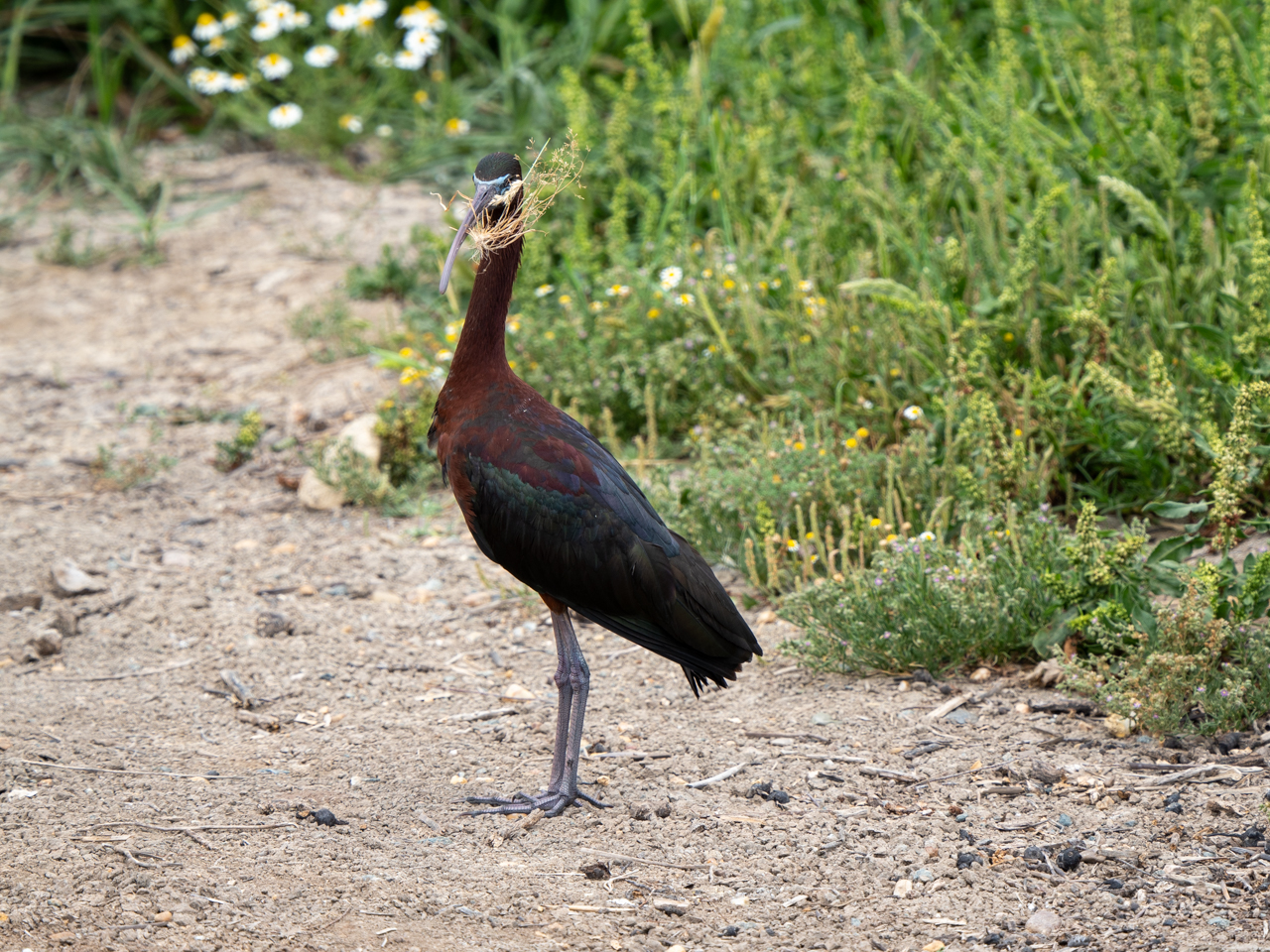
The survey of Doñana National Park, a UNESCO World Heritage site, occurred during a period of high biological activity following significant winter rains. The marshes (marismas) were described as "teeming with life," with successful breeding noted for Eurasian Spoonbills, Glossy Ibises, and White Storks. The team also secured sightings of the Red-knobbed Coot, a species that remains one of the rarest rails in Europe. The presence of these birds, alongside the courtship displays of Ruffs in full breeding plumage, confirms that the hydrological recovery of Doñana is currently supporting robust reproductive cycles for diverse wetland species.
The Steppes of Extremadura and the Raptors of Monfragüe
Transitioning into the arid interior of Extremadura, the expedition focused on steppe-land specialist species. In the Llanos de Cáceres and Los Cerralbos, the group observed the spectacular courtship displays of both Great and Little Bustards. These birds are sensitive indicators of habitat quality in cereal-plain ecosystems, which are increasingly threatened by intensive agriculture and land-use changes across the European Union.

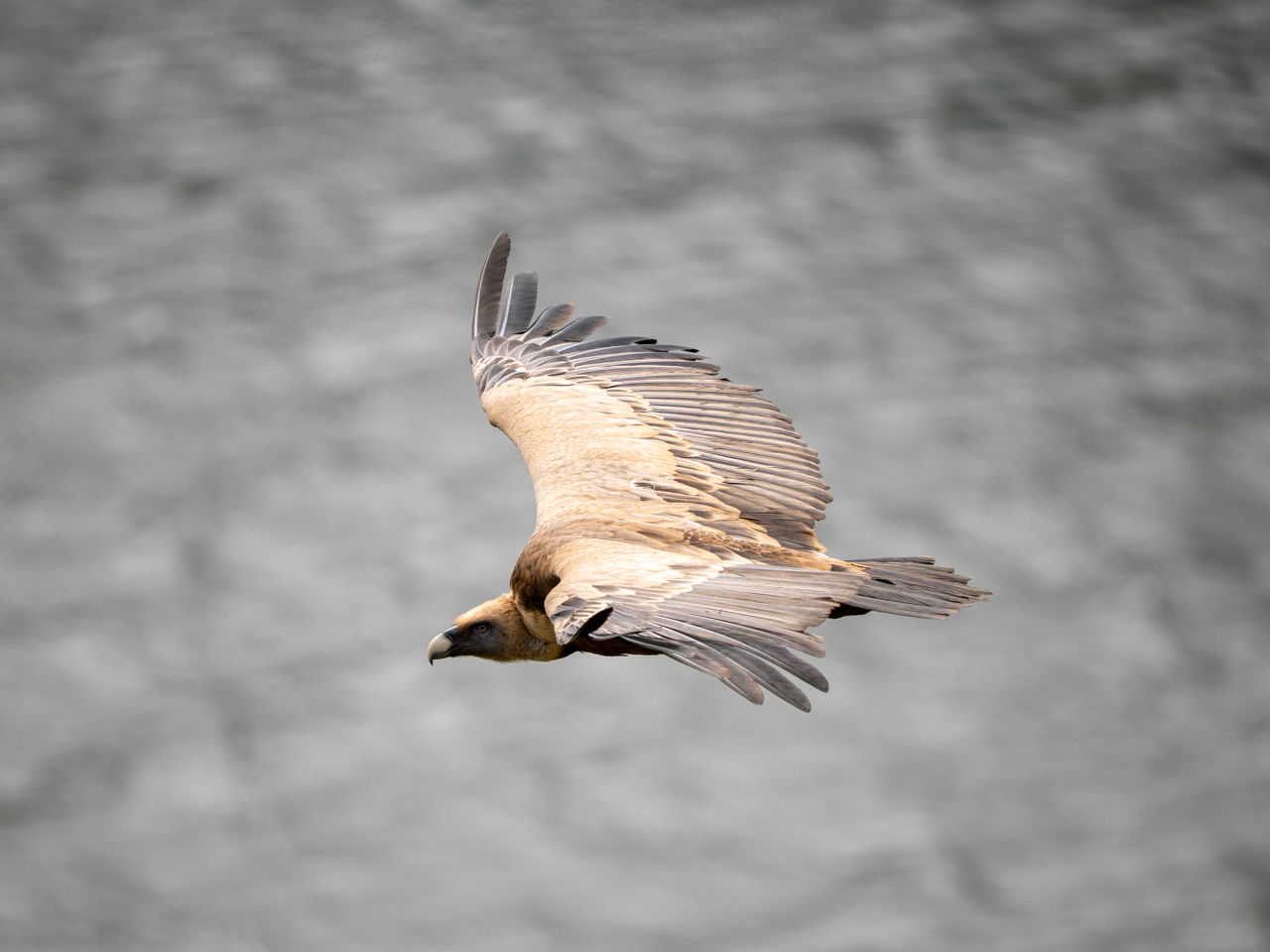
In Monfragüe National Park, the survey highlighted the region’s status as a premier destination for raptor enthusiasts. At the iconic "Salto del Gitano," the team observed hundreds of Griffon Vultures, alongside Black Storks and Egyptian Vultures. The Egyptian Vulture is of particular interest to conservationists, as it is the only long-distance migrant among Europe’s vultures and has faced significant population declines in recent decades. The observation of an incubating individual suggests continued stability within the Monfragüe population.
High-Altitude Biodiversity in the Sierra de Gredos
The expedition’s eleventh and twelfth days were spent in the Sierra de Gredos, a granite mountain range in central Spain. This transition to an alpine environment allowed for the observation of species adapted to high-altitude scrub and pine forests. The team recorded the Bluethroat, specifically the subspecies Luscinia svecica cyanecula, which lacks the white spot on the breast common in more northern populations.

Other notable sightings included the Spanish Ibex (Capra pyrenaica victoriae), an endemic wild goat that has become a symbol of Spanish mountain conservation. In the native pine forests of Navarredonda de Gredos, the group identified the Crested Tit and the Firecrest, Europe’s smallest bird. A private hide on the hotel grounds provided rare views of the Iberian Green Woodpecker, an endemic species that has diverged significantly from its European relative, the European Green Woodpecker.

The Apex Predators of Toledo: The Iberian Lynx and Spanish Imperial Eagle
The final phase of the survey took place on a historic private estate in the province of Toledo. This region represents the classic Iberian "dehesa"—a multifunctional agrosilvopastoral system of holm and cork oaks. The dehesa is essential for the survival of the Iberian Lynx (Lynx pardinus), which was once the most endangered feline species in the world.
The expedition was remarkably successful in its mammalian survey, recording three separate sightings of the Iberian lynx, including a pair of two-year-old siblings. The recovery of the lynx, which has moved from "Critically Endangered" to "Vulnerable" on the IUCN Red List, is largely attributed to the management of rabbit populations and the preservation of large, private estates like the one visited in Toledo. Furthermore, the group observed the Spanish Imperial Eagle, another Iberian endemic that relies on these undisturbed Mediterranean forests.
Cultural Integration and Economic Implications of Ecotourism
Throughout the 14-day journey, the leaders emphasized the intrinsic link between Spanish culture and its natural environment. From the culinary traditions involving local goat cheeses in Extremadura to the live Flamenco performances in Ronda, the tour demonstrated how wildlife tourism supports the preservation of traditional rural life. Lead guide Pablo Perez noted that the presence of international visitors from diverse backgrounds like Singapore and Malaysia indicates a growing global market for specialized nature tourism in Spain.

The economic impact of such tours is significant for "España Vaciada" (the "Empty Spain"), where rural depopulation is a major socio-economic challenge. By utilizing local guides, staying in family-owned historic estates, and frequenting traditional restaurants, the expedition funnels international capital directly into rural economies, providing an economic incentive for local communities to protect their natural heritage.
Conclusion and Scientific Summary
The expedition concluded in Madrid after a final review of the recorded data. The 188 bird species identified represent a significant portion of the avian diversity found in the Iberian Peninsula during the spring season. The high count of both marine and terrestrial mammals further establishes central and southern Spain as a leading destination for European megafauna observation.
The success of the 6th edition of this survey reinforces the importance of consistent monitoring and the role of ecotourism in supporting conservation. As climate change and habitat fragmentation continue to pose threats to Mediterranean ecosystems, the data gathered and the awareness raised by such international expeditions remain vital components of the broader effort to safeguard Spain’s unique biological heritage. The participants departed with a comprehensive understanding of the delicate balance between Spain’s ancient traditions and its modern conservation imperatives.
