
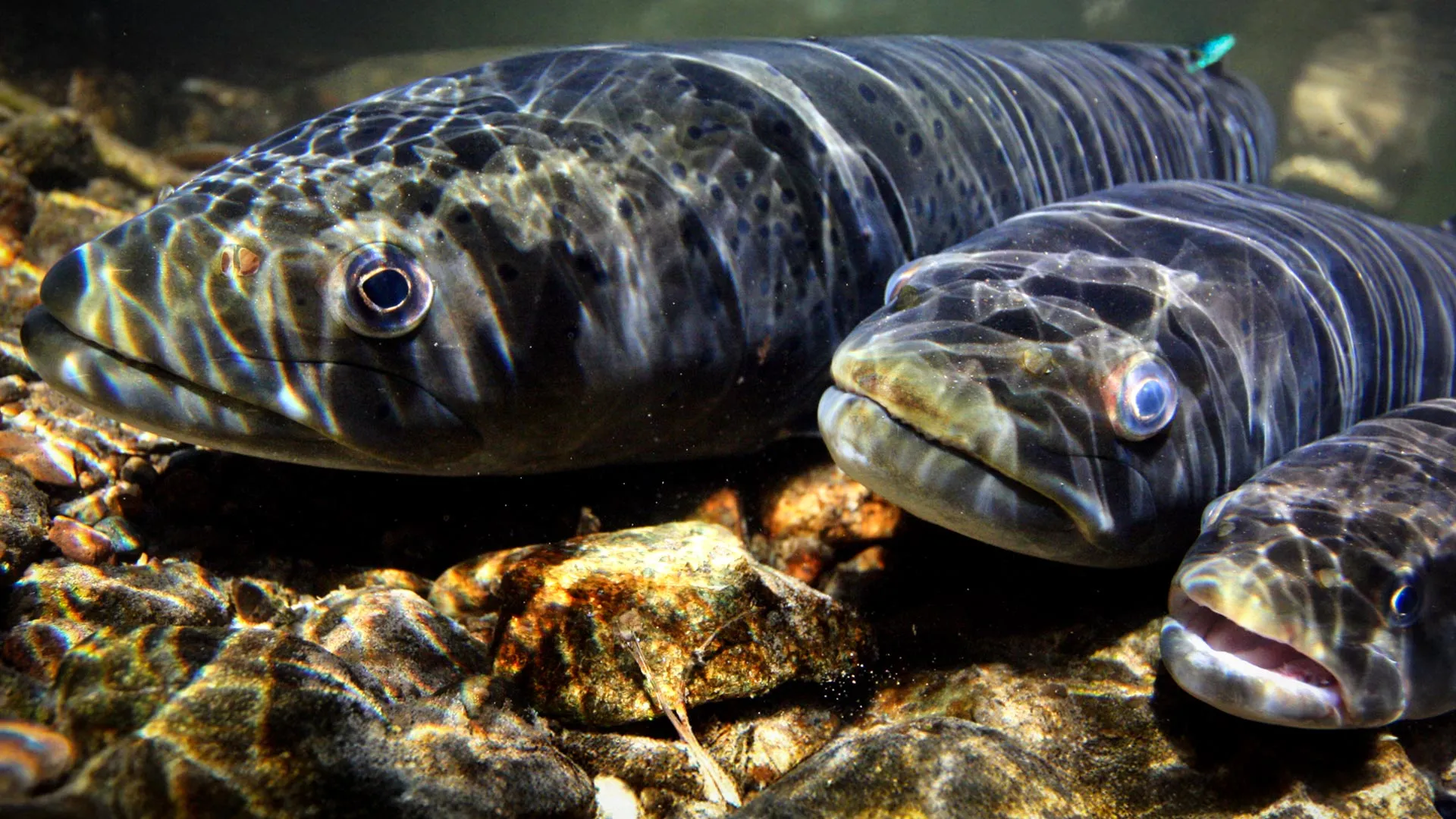
Beneath the seemingly tranquil surfaces of the world’s rivers, some of Earth’s most vital and extensive animal migrations are rapidly breaking down, posing an unprecedented threat to global biodiversity and human livelihoods. A stark new report from the Convention on the Conservation of Migratory Species of Wild Animals (CMS), a United Nations environmental treaty, has issued a dire warning: the intricate life cycles of migratory freshwater fish are in peril, with profound ecological and socio-economic implications.
The comprehensive "Global Assessment of Migratory Freshwater Fishes," unveiled at the CMS 15th Meeting of the Conference of the Parties (COP15) in Brazil, unequivocally states that these crucial species are among the most threatened globally. Their decline signifies more than just a loss of aquatic life; it signals a fundamental disruption to healthy river ecosystems, jeopardizes major inland fisheries, and imperils the food security and livelihoods of hundreds of millions of people who depend on these resources. The report serves as a wake-up call, highlighting a largely overlooked biodiversity crisis unfolding within the world’s freshwater systems.
The Unseen Crisis Beneath the Surface
For decades, conservation efforts have predominantly focused on terrestrial and marine ecosystems, often leaving freshwater environments in a precarious state of neglect. Yet, animals inhabiting freshwater habitats are experiencing decline rates far steeper than their counterparts on land or in the oceans. Migratory freshwater fish, in particular, face unique vulnerabilities. Their survival hinges on extensive, uninterrupted river pathways that connect distant spawning grounds, vital feeding areas, and protective floodplain nurseries, often traversing multiple national borders. When these crucial connections are severed or degraded by human activities, populations plummet with alarming speed.
The assessment paints a grim picture: migratory freshwater fish populations have plummeted by an estimated 81% worldwide since 1970. This staggering figure underscores the urgency of the situation. Furthermore, nearly all—a shocking 97%—of the 58 migratory fish species currently listed under CMS (which includes both freshwater and saltwater species) are now classified as threatened with extinction. This rapid, widespread collapse represents a fundamental unraveling of natural processes that have sustained riverine life for millennia.
Key Drivers of Decline: A Multifaceted Threat
The report meticulously identifies the primary anthropogenic pressures driving this catastrophic decline. These threats, often interconnected, create a cumulative impact that overwhelms the resilience of migratory fish populations:
- Dam Construction and Habitat Fragmentation: Dams are perhaps the most significant single threat, acting as insurmountable barriers to fish migration. They dissect once-continuous river systems into isolated segments, preventing fish from reaching critical breeding grounds or feeding areas. Beyond direct obstruction, dams alter natural flow regimes, water temperatures, and sediment transport, fundamentally changing the very habitats these species rely on.
- Pollution: Rivers worldwide are increasingly burdened by industrial effluents, agricultural runoff laden with pesticides and fertilizers, and untreated sewage. This pollution degrades water quality, directly poisoning fish, disrupting their reproductive cycles, and destroying their food sources. The cumulative effect of various pollutants creates toxic environments unsuitable for sensitive migratory species.
- Overfishing: The economic importance of migratory fish often leads to intense fishing pressure. Unsustainable fishing practices, particularly during vulnerable migration periods or at spawning sites, can decimate populations before they have a chance to reproduce. The lack of adequate management and enforcement in many regions exacerbates this issue.
- Climate-Related Ecosystem Changes: The escalating climate crisis introduces a new layer of complexity. Changes in precipitation patterns lead to altered river flows—more frequent droughts or intense floods—disrupting migration cues and habitat availability. Rising water temperatures can stress fish, reduce oxygen levels, and alter the timing of key life cycle events, impacting survival and reproductive success.
These pressures highlight a critical disconnect: while rivers are naturally integrated, human management often treats them as fragmented, national resources, ignoring the transboundary nature of migratory species.
A Call for Coordinated International Action
The CMS assessment is not merely a catalogue of decline; it is a powerful plea for collective global action. It identifies 325 migratory freshwater fish species as immediate candidates for international conservation efforts. These are species that require protection beyond the 24 already listed under the Convention’s Appendices I (species requiring strict protection) and II (species needing international cooperation). This substantial number points to a truly expansive, yet largely overlooked, biodiversity crisis across shared river systems.
The report emphasizes that effective conservation demands managing rivers as integrated, connected systems rather than isolated national waterways. Key river systems identified as global priorities due to their biodiversity and the severity of threats include South America’s Amazon and La Plata-Paraná, Europe’s Danube, Asia’s Mekong, Africa’s Nile, and the Indian sub-continent’s Ganges-Brahmaputra. These vast river basins, often flowing through multiple countries, underscore the absolute necessity of transboundary cooperation.
Based on extensive global datasets and IUCN assessments of nearly 15,000 freshwater fish species, the report provides the most comprehensive overview to date of the conservation challenges confronting migratory freshwater fish. It also outlines practical, immediate steps governments can take, including implementing stronger environmental impact assessments for river infrastructure, investing in dam removal and fish passage solutions, controlling pollution at its source, and establishing transboundary protected areas.
COP15 in Brazil: A Platform for Urgent Conservation
The release of the assessment at the CMS 15th Meeting of the Conference of the Parties (COP15) in Samara, Brazil, provided a crucial platform for discussing and proposing concrete conservation measures. As the host nation, Brazil played a pivotal role, spotlighting the urgent needs of South America’s largest river systems: the Amazon and La Plata-Paraná.
The Amazon Basin, a global biodiversity hotspot, remains one of the last major strongholds for migratory freshwater fish. However, this status is increasingly jeopardized by escalating development pressures, including hydroelectric projects, mining, and agricultural expansion. A dedicated case study, released alongside the global assessment, identified 20 migratory fish species within the Amazon that meet the criteria for potential CMS Appendix II listing. These long-distance migratory species are not just ecologically significant; they are central to regional fisheries, constituting approximately 93% of total landings and underpinning an industry valued at an estimated US$436 million annually. The economic stability of countless communities in the Amazon depends directly on the health of these fish populations.
Among these remarkable species is the dorado (gilded) catfish (Brachyplatystoma rousseauxii), a bottom-dwelling species characterized by its metallic gold/silver coloring and impressive size, growing up to 2 meters (6.5 ft) in length. This species undertakes the longest known freshwater migration of any fish, an epic journey of 11,000 kilometers from its Andean headwaters to coastal nursery areas in the Amazon estuary and back. Such incredible feats of nature highlight the intricate connectivity required for their survival and the devastating impact of any disruption along their migratory pathways.
In response to this urgency, Brazil and other regional countries are proposing a Multi-species Action Plan for Amazonian Migratory Catfish (2026-2036), developed through extensive regional cooperation. This initiative aims to provide a coordinated framework for conservation across the vast Amazon basin. Furthermore, Brazil has proposed adding the spotted sorubim catfish (Pseudoplatystoma corruscans) to CMS Appendix II, emphasizing the need for similar coordinated action in the La Plata Basin, where these fish face severe threats from dams, altered water flows, and intense fishing pressure. These initiatives represent some of the most ambitious international efforts to protect migratory freshwater fish, reinforcing the central principle of CMS: conservation solutions must span the full geographic range of migratory species and rely fundamentally on cooperation between nations.
Historical Context and the Evolution of Freshwater Conservation
For a long time, freshwater conservation lagged behind terrestrial and marine efforts. While iconic species like whales, elephants, and tigers garnered global attention, the plight of freshwater fish often remained submerged. However, in recent decades, organizations like WWF and the IUCN have increasingly highlighted the alarming rates of freshwater biodiversity loss, with reports like the Living Planet Index consistently showing the steepest declines in freshwater populations. The CMS, established in 1979, has historically focused on a broad spectrum of migratory animals. This latest assessment marks a significant intensification of focus on the often-overlooked freshwater realm, signaling a crucial shift in global conservation priorities. It acknowledges that the health of rivers is inextricably linked to the health of the planet and its people.
Expert Voices and Urgent Appeals
Leading experts involved in the assessment and its dissemination have voiced urgent calls for action. Dr. Zeb Hogan, lead author of the report and a renowned freshwater fish expert, underscored the global significance of these migrations: "Many of the world’s great wildlife migrations take place underwater. This assessment shows that migratory freshwater fish are in serious trouble, and that protecting them will require countries to work together to keep rivers connected, productive, and full of life." His statement highlights the intrinsic link between healthy rivers and the survival of these species.
Amy Fraenkel, CMS Executive Secretary, emphasized the strategic importance of the report: "This new assessment highlights a major priority for the conservation of migratory species and their habitats, that has not had adequate focus to date. By aligning science, policy and international cooperation, governments can safeguard the world’s remaining great freshwater fish migrations and the communities and ecosystems that depend on them." Her remarks stress the need for a cohesive approach that integrates scientific understanding with robust policy and collaborative international frameworks.
Michele Thieme, Vice President and Deputy Lead of Freshwater at World Wildlife Fund-US, reiterated the fundamental challenge of transboundary management: "Rivers don’t recognize borders – and neither do the fish that depend on them. The crisis unfolding beneath our waterways is far more severe than most people realize, and we are running out of time. Rivers need to be managed as connected systems, with coordination across borders, and investments in basin-wide solutions now before these migrations are lost forever." Thieme’s urgent appeal underscores the rapidly closing window of opportunity to reverse these trends.
Broader Implications and Future Outlook
The implications of this crisis extend far beyond the fish themselves. Ecologically, the loss of migratory fish can disrupt entire riverine food webs, impacting predators, prey, and the overall nutrient cycling that maintains river health. Many migratory fish are keystone species, their movements and life cycles influencing the structure and function of their ecosystems.
Socio-economically, the collapse threatens the food security and livelihoods of millions of people, particularly in developing nations where inland fisheries are a primary source of protein and income. Indigenous communities, in particular, often have deep cultural and economic ties to these fish, making their decline a matter of both environmental and social justice.
The report’s findings demand a paradigm shift in river management and conservation policy. This includes:
- Integrated River Basin Management: Moving away from fragmented national approaches to holistic, basin-wide strategies that consider the entire river system.
- Strengthening Environmental Governance: Implementing and enforcing robust environmental impact assessments for all infrastructure projects, particularly dams, to ensure they do not irreversibly harm migratory pathways.
- Investing in Green Infrastructure: Prioritizing dam removal where feasible, or installing effective fish passages (ladders, elevators) to mitigate the barrier effect of existing dams.
- Pollution Control: Implementing stricter regulations on industrial and agricultural discharges and investing in wastewater treatment infrastructure.
- Sustainable Fisheries Management: Developing and enforcing quotas, seasonal closures, and gear restrictions that allow fish populations to recover and thrive.
- Climate Change Adaptation: Incorporating climate resilience into river management plans to help species adapt to changing conditions.
- Increased Funding and Research: Dedicating more resources to understanding, monitoring, and protecting migratory freshwater fish and their habitats.
The crisis of migratory freshwater fish is a stark reminder of humanity’s profound impact on the natural world and the interconnectedness of all life. The solutions require unprecedented international cooperation, political will, and a fundamental re-evaluation of how societies interact with their freshwater resources. The time to act is now, before these silent, vital migrations are lost forever.
