
While Nebraska’s Rowe Sanctuary is globally celebrated for hosting the awe-inspiring Sandhill Crane migration, a phenomenon that draws hundreds of thousands of visitors annually to witness one of nature’s grandest spectacles, the sprawling landscape of its 3,000 acres along the Platte River supports a remarkably diverse and dynamic ecosystem far beyond what is visible during daylight hours. Long after the last tour groups depart and the visitor trails close from dawn until dusk, an intricate network of wildlife awakens, transforming the wetlands, prairies, and wooded corridors into a bustling nocturnal world. This hidden realm, teeming with activity, is now being systematically explored and documented through the strategic deployment of advanced monitoring technologies, offering unprecedented insights into the lives of the sanctuary’s unseen residents.
The human-centric schedule of the sanctuary’s trails belies the constant, unyielding rhythm of nature. Deer, for instance, navigate familiar paths, forage for sustenance, and find rest within the sanctuary’s protective boundaries on a timetable entirely their own. North American river otters, with their playful antics, often prefer the quiet solitude of 1:00 a.m. for their aquatic games, seemingly indifferent to any human notion of operating hours. Even for the most dedicated birdwatchers, spotting a vibrant Rose-breasted Grosbeak, hearing the distinctive call of a Northern Flicker, or observing a Belted Kingfisher along the river provides an unforgettable daytime experience. Yet, these memorable encounters represent only a fraction of the life thriving within Rowe Sanctuary, which remains vibrantly alive 24 hours a day, 7 days a week, 364 days a year. When most humans are settling into their beds, the sanctuary is just beginning its nocturnal shift.
The Platte River Corridor: A Vital Ecosystem
Rowe Sanctuary’s critical location on the Platte River in central Nebraska positions it within one of North America’s most vital migratory flyways and a significant ecological corridor. The Platte River, a braided river system characterized by its wide, shallow channels and shifting sandbars, provides indispensable habitat for millions of migratory birds, most notably the Sandhill Cranes. An estimated 80% of the world’s Sandhill Crane population, numbering close to half a million individuals, relies on the Platte River during their spring migration. Beyond the cranes, the river and its adjacent habitats support a rich tapestry of biodiversity, including numerous other bird species, mammals, reptiles, amphibians, and invertebrates. This ecosystem is a testament to the delicate balance between water flow, habitat availability, and the needs of its diverse inhabitants, a balance increasingly threatened by human development, agricultural demands, and climate change. Understanding the full scope of life within this corridor, particularly the less visible nocturnal activities, is paramount to effective conservation strategies.
During the peak crane season, much of the nighttime focus naturally centers on the river itself. The sanctuary’s Crane Cam offers a glimpse of this spectacle to a global audience, allowing virtual visitors to witness a fraction of the nocturnal drama. However, the camera’s lens captures only a limited perspective of the ceaseless movement and sounds that fill the darkness until dawn. Cranes communicate through an intricate chorus of calls, creating an ethereal backdrop that resonates for miles across the vast prairie. Eventually, as spring progresses, the migration shifts northward, and the constant flow of human visitors to the sanctuary gradually recedes. The landscape then settles back into its familiar rhythm, and the wildlife that maintained a cautious distance during the busiest weeks of the year begins to reclaim areas closer to the trails, buildings, and river access points, initiating a new phase of activity ready for observation.
Evolution of Wildlife Monitoring: From Tracks to Thermal Imaging
The journey of wildlife monitoring at Rowe Sanctuary, much like in conservation efforts worldwide, has evolved significantly. Historically, understanding nocturnal wildlife relied heavily on indirect observation: identifying tracks left in muddy banks and sandy channels, interpreting scat, or discovering remnants of meals. Well-worn game trails through wooded areas provided clues about common routes. Tracks from Great Blue Herons, wild turkeys, raccoons, and coyotes could be found by diligent observers, offering tangible evidence of unseen nocturnal journeys. While these traditional methods remain valuable, providing fundamental baseline data and fostering a direct connection to the landscape, their limitations in providing continuous, detailed behavioral insights were clear.
In recent years, the sanctuary has embraced technological advancements, integrating sophisticated tools like motion-activated trail cameras and thermal imaging equipment. This shift represents a significant leap forward, enabling staff and volunteers to penetrate the veil of night and gather data with unprecedented detail and consistency. This evolution is crucial for developing a holistic understanding of the ecosystem, especially for species that are elusive or primarily active after dark.
Decoding Nocturnal Movements: Trail Cameras in Action
Trail cameras have emerged as indispensable tools for monitoring wildlife activity at Rowe Sanctuary, particularly when direct human observation is impractical or disruptive. These robust, motion-activated devices are strategically placed in diverse habitats—wetlands, prairies, and wooded margins—to document which species move through specific areas and their peak activity times. Equipped with infrared capabilities, these cameras can capture clear images and videos in complete darkness without the need for visible light, minimizing disturbance to sensitive nocturnal animals.
The data harvested from these cameras is rich and varied. They capture repeated behavioral patterns over days, weeks, or even months, revealing established travel routes, preferred feeding grounds, and seasonal shifts in movement. For instance, cameras have documented raccoons and deer as among the most common nighttime visitors around trails and wetlands. These curious and adaptable creatures frequently investigate anything novel or interesting, including the cameras themselves. Opossums also make regular appearances after dark, meticulously navigating brush and fallen logs in their search for insects, ticks, and other food sources. The continuous capture of such activity provides a detailed temporal and spatial map of wildlife presence, offering insights into habitat utilization that would be impossible to obtain through intermittent human presence alone.
Thermal Vision: Unlocking the Darkness
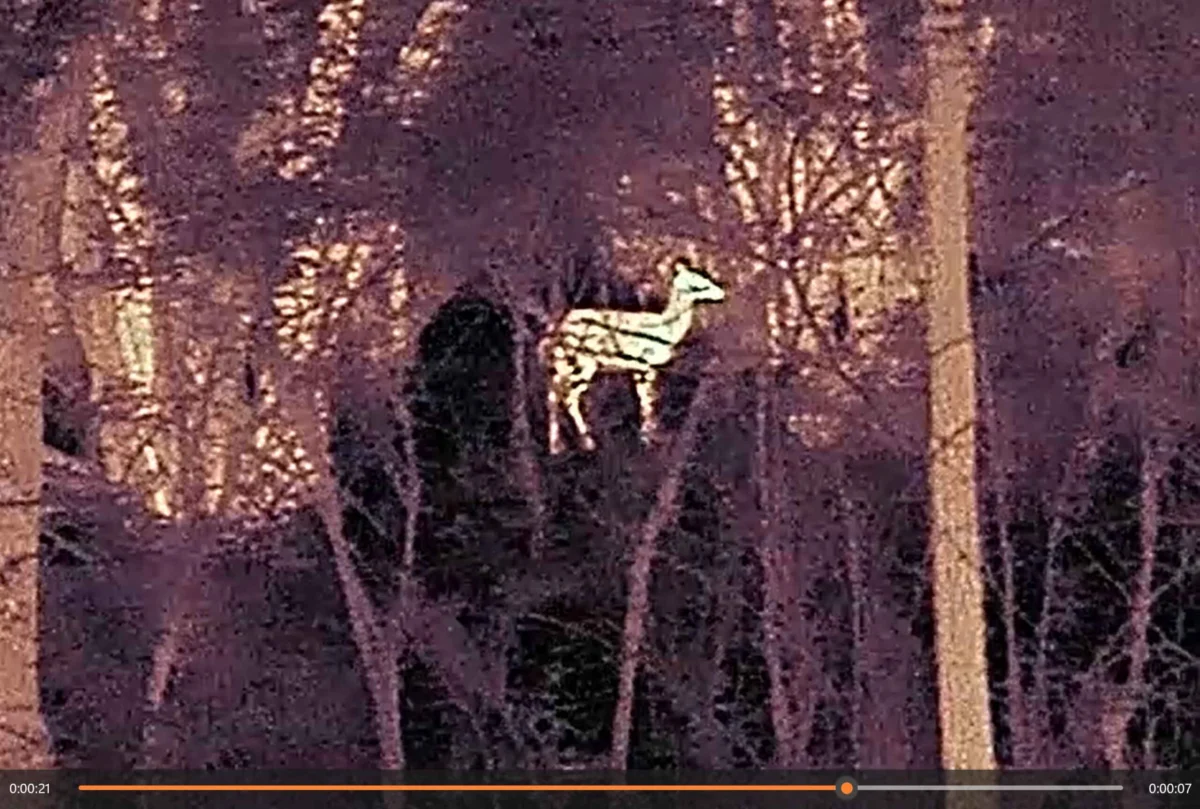
Adding another sophisticated layer to the sanctuary’s monitoring efforts are thermal imaging devices. Unlike traditional cameras that rely on visible light, thermal imagers detect heat signatures emitted by living organisms. This capability allows staff and volunteers to locate animals in absolute darkness, through dense foliage like tall grass, or along the river, without resorting to disruptive spotlights. The discreet nature of thermal observation reduces the risk of altering natural animal behaviors, providing a more accurate snapshot of their movements.
Thermal equipment is particularly effective for detecting movement over long distances, with some devices capable of identifying heat signatures up to a mile away. This range is invaluable for surveying large, open areas like prairies or extensive wetland complexes. While thermal imaging may not always provide precise species identification on its own – often showing a heat blob rather than distinct features – it is highly effective for differentiating between larger mammals based on their body size, posture, and movement patterns. For example, the distinctive gait of a coyote can be distinguished from the lumbering pace of a deer. Coupled with trail camera data, thermal imaging significantly enhances the ability to document nocturnal activity, track animal trajectories, and understand when and how wildlife traverse the sanctuary’s varied terrain.
The Cast of Nighttime Characters
The nocturnal world of Rowe Sanctuary is populated by a fascinating array of creatures, each playing a vital role in the ecosystem. Many of the mammals that call the sanctuary home cover extensive territories. North American river otters, known for their playful nature and semi-aquatic lifestyle, may travel between 3 and 15 miles through interconnected waterways in a single night. Coyotes, adaptable and widespread predators, patrol territories that can span several square miles across prairie and agricultural lands. These large ranges underscore the importance of continuous monitoring across the entire sanctuary to understand animal movement patterns, habitat connectivity, and how they adapt to human-modified landscapes.
The information from dated trail camera images and thermal observations provides invaluable data points about these movements, including habitat preferences, seasonal activity shifts, and the frequency with which wildlife returns to specific areas. This data is critical for assessing the effectiveness of conservation interventions and identifying areas needing further protection or restoration.
Predator, Prey, and the Circle of Life
Beyond the charming sight of deer and raccoons, the cameras often capture the raw, unvarnished reality of nature’s constant balance. Nighttime activity at the sanctuary is not merely a collection of quiet, peaceful moments; it is a dynamic stage for the intricate dance between predator and prey. On one memorable occasion, monitoring equipment captured footage of a male bobcat successfully hunting a muskrat in the wetlands. Such life-and-death encounters, while difficult for some to witness, are a natural and necessary component of a functioning ecosystem. They highlight the survival pressures, competition, and hunting behaviors that continue unabated throughout the night, often unseen by daytime visitors who primarily experience the sanctuary’s tranquil façade.
These observations also extend to scavenging behaviors. A trail camera once recorded a raccoon appropriating a rabbit carcass, most likely previously cached by a bobcat or coyote. Such incidents build a richer understanding of interspecies relationships and the complex food web within the sanctuary. This vital information contributes significantly to the natural history record, documenting behaviors that staff and volunteers might otherwise never observe.
Human Footprints and Wildlife Responses
Even deep into the night, the lingering human scent and the residual activity from the day can subtly permeate the landscape. Nocturnal wildlife, possessing keen olfactory senses, are highly attuned to these subtle cues. This lingering human presence can influence how animals move through the ecosystem. Species like deer and coyotes may temporarily avoid areas with recent human activity, gradually returning only once disturbance levels decrease. This behavioral adaptation underscores the delicate balance the sanctuary strives to maintain between providing public access for education and enjoyment, and rigorously protecting the integrity of the ecosystem. Just as precautions are taken during crane season to minimize disturbance, similar considerations guide the broader management of human presence throughout the year. The data gathered from monitoring helps quantify these impacts, allowing managers to make informed decisions about trail design, access points, and activity scheduling to mitigate human-wildlife conflict.
Solving Mysteries, One Image at a Time
Sometimes, the cameras raise as many questions as they answer, adding an element of ongoing scientific mystery to the monitoring efforts. Over several consecutive nights, multiple cameras captured images of a large canine moving through the sanctuary. Subsequent discovery of large tracks in muddy and sandy areas corroborated the camera evidence, suggesting the animal was repeatedly utilizing the same portion of the property. The question then arose: Was this a dispersing wolf searching for new territory, a wolf-dog hybrid, or simply a domestic dog far from its home? The latter explanation seemed less likely, as no nearby farms were known to house a husky-like dog matching its appearance. In such cases, the cameras provide invaluable evidence, but not always definitive answers, serving as a powerful reminder of how much remains to be learned about the intricate web of wildlife inhabiting the Platte River corridor. These intriguing observations fuel further research and highlight the dynamic nature of wildlife populations.
Beyond these fascinating mysteries, the information gathered through trail cameras and thermal imaging also helps address larger ecological questions about how wildlife responds to changing conditions. Staff and volunteers can compare activity levels before and after significant events such as large school programs, periods of heavy visitor traffic, prescribed burns (a vital habitat management tool), flooding events, or seasonal habitat transformations. Does wildlife activity decrease in a wetland area after a large school group visit? Do prescribed burns alter how animals move through a specific section of prairie? Over time, documenting these patterns builds a comprehensive understanding of how different species interact with both the natural environment and human activities within the sanctuary, providing critical data for adaptive management.
Informing Conservation: Data-Driven Decisions
The detailed insights gleaned from these monitoring technologies are directly applicable to the sanctuary’s core mission: protecting the Platte River ecosystem for the benefit of both humanity and the Earth’s biological diversity. This means caring for the habitats that support not only the iconic Sandhill Cranes but also the diverse array of deer, otters, reptiles, pollinators, and countless other species that define this unique landscape.
The ability to remotely observe the day-to-day and night-to-night activities of the wetlands and hidden trails throughout the sanctuary adds vital information to the natural history of the area. This data directly informs habitat restoration projects, land acquisition priorities, and the development of educational programs. By understanding precise movement patterns, sanctuary managers can identify crucial wildlife corridors that need protection or areas where habitat connectivity needs to be enhanced. It also aids in assessing the impact of various land management practices, ensuring that interventions are beneficial and sustainable.
The Broader Implications for Platte River Conservation
The work at Rowe Sanctuary extends beyond its immediate boundaries, offering a model for conservation efforts across the broader Platte River corridor. The insights gained here about nocturnal ecology, human-wildlife interactions, and the effectiveness of monitoring technologies can be extrapolated and applied to other conservation lands and initiatives along the river. As the Platte River ecosystem faces increasing pressures from agricultural expansion, water diversion, and climate change, a comprehensive understanding of its biodiversity, particularly its elusive nocturnal components, becomes even more critical.
The data gathered contributes to larger scientific databases, informing regional and national conservation strategies. It underscores the importance of protecting not just specific species, but entire functional ecosystems, recognizing that every creature, from the smallest insect to the largest mammal, plays a role in maintaining ecological health. The "unseen" lives revealed by these cameras remind us that conservation is a continuous, 24/7 endeavor, demanding vigilance, scientific rigor, and a deep respect for the natural world.
Rowe Sanctuary after dark is not a different sanctuary; it is the same living landscape, simply changing shifts. The daytime belongs to photographers, birders, and school groups, drawn by the visible wonders. The nighttime, however, belongs to the glowing eyes at the edge of the trail, the hidden movements in the reeds, and the countless lives most visitors never have the privilege to see directly. Through the dedicated efforts of staff and volunteers, utilizing cutting-edge technology, these hidden narratives are brought to light, enriching our understanding and reinforcing the profound necessity of protecting this invaluable natural heritage.
