
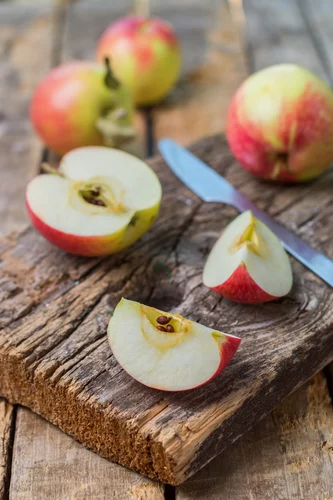
The practice of supplementing commercial poultry feed with fresh produce has become a cornerstone of modern backyard chicken keeping, yet it requires a nuanced understanding of avian biology and plant chemistry to ensure flock safety. Apples, widely regarded as one of the most accessible and nutrient-dense fruits for livestock, offer significant health benefits for Gallus gallus domesticus, including high concentrations of dietary fiber, essential vitamins, and potent antioxidants. However, these benefits are inextricably linked to a specific biological hazard found within the fruit’s core: the presence of amygdalin in apple seeds. This cyanogenic glycoside, while harmless when intact, undergoes a chemical transformation into hydrogen cyanide upon being crushed or digested, presenting a potential, albeit preventable, risk of toxicity. As the popularity of sustainable, small-scale poultry farming continues to rise globally, agricultural experts and avian nutritionists emphasize the importance of proper preparation techniques, such as coring and pitting, to harness the nutritional value of fruits while eliminating the threat of accidental poisoning.
The Nutritional Profile and Health Benefits of Apples for Poultry
Apples serve as more than just a palatable treat for chickens; they are a functional food that supports various physiological systems. From a nutritional standpoint, apples are rich in Vitamin C, Vitamin A, and Vitamin B6, all of which play critical roles in immune function and feather quality. Furthermore, the skin of the apple contains high levels of quercetin, a flavonoid with anti-inflammatory properties that can assist in reducing oxidative stress within the flock.

The dietary fiber found in apples, particularly pectin, acts as a prebiotic, fostering a healthy microbiome within the chicken’s digestive tract. A robust gut flora is essential for maximizing nutrient absorption and preventing the overgrowth of pathogenic bacteria like Salmonella or E. coli. Additionally, the high water content of apples provides a supplemental source of hydration during summer months, while the physical act of pecking at the fruit provides valuable environmental enrichment. Behaviorists often recommend "apple tetherball"—a method where a whole, cored apple is suspended by a string—as a way to reduce boredom-induced aggression and feather pecking among confined birds.
The Chemistry of Danger: Understanding Amygdalin and Hydrogen Cyanide
The primary concern regarding apples involves the seeds, which contain amygdalin. When the seeds are masticated or broken down by the mechanical action of a chicken’s gizzard, the amygdalin comes into contact with enzymes that trigger the release of hydrogen cyanide. This toxin is a potent mitochondrial poison that interferes with the body’s ability to utilize oxygen. Specifically, cyanide binds to the cytochrome c oxidase enzyme, effectively halting the electron transport chain and preventing cells from producing ATP (adenosine triphosphate).
In the context of avian physiology, the impact of cyanide is particularly acute. Because chickens have a high metabolic rate and relatively small body mass, even small amounts of toxins can have disproportionate effects. While a single apple seed is unlikely to be fatal to a healthy adult hen, the cumulative effect of consuming multiple seeds, or the ingestion of seeds by younger, immunocompromised, or elderly birds, can lead to clinical toxicity. Symptoms of cyanide poisoning in poultry are rapid and severe, often including a noticeable blue tint to the comb and wattles (cyanosis), labored breathing, tremors, and sudden cardiac arrest.

Chronology of Avian Dietary Standards and the Shift Toward Natural Supplementation
The historical context of poultry nutrition has seen a dramatic shift over the last century. In the early 20th century, most farm chickens were "scavenger" birds, relying on a diverse diet of insects, seeds, and kitchen scraps. Following the industrialization of agriculture in the 1950s, the focus shifted toward highly standardized, nutritionally complete pellets designed to maximize egg and meat production in controlled environments.
However, the late 20th and early 21st centuries have seen a resurgence in backyard poultry keeping, driven by a desire for organic food sources and sustainable living. This "return to the land" movement brought with it a renewed interest in feeding "real food" to chickens. By the 2010s, experts like Lisa Steele, a prominent author and founder of Fresh Eggs Daily, began advocating for a return to natural, old-timer methods, albeit updated with modern scientific understanding. This era marked a critical turning point where the benefits of fruit supplementation were championed, but with specific caveats regarding the toxicity of certain plant parts, such as apple seeds and the pits of stone fruits like peaches and plums.
Supporting Data: The "10 Percent Rule" and Caloric Balance
Data from poultry science indicates that while treats like apples are beneficial, they must be managed within a strict caloric framework to prevent nutritional imbalances. The "10 Percent Rule" is a widely accepted standard among avian veterinarians and nutritionists. It dictates that supplemental treats should comprise no more than 10% of a chicken’s total daily caloric intake. For the average laying hen, this equates to approximately one to two tablespoons of supplemental food per day.

Exceeding this threshold can lead to several metabolic issues:
- Protein Dilution: Commercial feeds are precisely formulated to contain 16% to 18% protein. Excessive fruit consumption lowers the overall protein percentage of the diet, which can result in decreased egg production and poor muscle development.
- Obesity and Fatty Liver Hemorrhagic Syndrome (FLHS): Apples contain natural sugars (fructose). While healthy in moderation, an overabundance of sugar can lead to internal fat deposits, particularly around the liver, increasing the risk of FLHS, a leading cause of death in backyard flocks.
- Calcium Interference: Proper eggshell formation requires a specific calcium-to-phosphorus ratio. Over-supplementing with non-fortified foods can disrupt this balance, leading to soft-shelled eggs or skeletal issues in the birds.
Comparative Risks: Apples Versus Stone Fruits
The risk associated with apple seeds extends to other members of the Rosaceae family. Stone fruits—including peaches, plums, apricots, and cherries—contain similar cyanogenic compounds within their pits (endocarps). While the flesh of these fruits is highly nutritious and safe for poultry consumption, the internal kernels are hazardous.
Analysis suggests that while a chicken is physically unlikely to crack the hard outer shell of a peach or plum pit, the smaller seeds of cherries and apples are easily crushed in the gizzard. Therefore, the protocol for safe feeding remains consistent across these varieties: all pits and seeds should be removed before the fruit is offered to the flock. This proactive approach eliminates the variable of individual bird strength or accidental ingestion of broken pit fragments.

Expert Reactions and Best Practices for Flock Management
Professional poultry keepers and agricultural extensions have responded to the "apple debate" with clear, actionable guidelines. The consensus among experts is that the risk of cyanide poisoning, while statistically low for an individual bird consuming a stray seed, is entirely avoidable through proper preparation.
"The goal is to provide a diverse diet that mimics natural foraging while removing known stressors," states the general sentiment of the backyard farming community. The recommended preparation method involves:
- Slicing and Coring: Using a dedicated apple corer ensures all seeds are removed in one motion.
- Visual Inspection: Ensuring that no stray seeds remain in the flesh of the fruit.
- Moderation: Distributing the fruit evenly among the flock to ensure no single bird overconsumes.
- Alternative Treats: Rotating apples with other safe options, such as leafy greens, blueberries, and mealworms, to provide a broad spectrum of nutrients.
Broader Implications for Sustainable Egg Production and Flock Longevity
The careful integration of apples into poultry diets has broader implications for the sustainability of small-scale agriculture. By utilizing "ugly" or overripe fruit that might otherwise be discarded, poultry keepers participate in a circular food economy, reducing waste and lowering feed costs. However, this practice must be balanced with the responsibility of maintaining flock health.

The health of the chicken directly impacts the quality of the egg. A hen that is stressed by sub-lethal levels of toxins or suffering from a nutritional imbalance will produce eggs with thinner shells and less nutrient-dense yolks. Consequently, the meticulous removal of apple seeds is not merely a matter of preventing acute death; it is a component of a holistic management strategy designed to ensure the long-term productivity and welfare of the birds.
In conclusion, while apples are an excellent and highly recommended treat for chickens, they serve as a reminder of the complexities inherent in avian nutrition. The presence of amygdalin in seeds necessitates a disciplined approach to food preparation. By adhering to the 10% rule and ensuring all fruit is cored and pitted, backyard farmers can safely provide their flocks with the myriad benefits of fresh produce, fostering an environment where poultry can thrive both physically and behaviorally. As the community of backyard keepers grows, the dissemination of these evidence-based practices remains vital for the continued success and safety of the hobby.
