
Helena, Mont. (June 16, 2026) – In a significant stride for both agricultural sustainability and wildlife conservation, four partner cattle ranches operating under the Old Salt Co-op umbrella – J Bar L Ranch, LF Ranch, Mannix Ranch, and Sieben Live Stock Company – have been officially granted the National Audubon Society’s esteemed Bird-Friendly Land Certification. This recognition, secured through the rigorous Audubon Conservation Ranching program, underscores a commitment by these producers to manage their vast acreage in ways that actively support not only robust bird populations and broader biodiversity but also the enduring viability of working landscapes crucial to Montana’s heritage and economy.
The certification marks a pivotal moment for the Helena-based Old Salt Co-op, founded in 2021, which has rapidly emerged as a pioneering model for vertically integrated, regenerative agriculture. The co-op’s unique structure sees its beef producers (along with one hog ranch) holding partial ownership in the meat brand, processing operations, associated restaurants, and even major events like the upcoming Audubon-sponsored Old Salt Festival, scheduled for June 19 to 21 near Helmville. This integrated approach allows Old Salt to reinvest earnings directly back into the land, its ecosystems, and the communities that sustain them, creating a closed-loop system designed for long-term resilience.
The Urgent Need for Grassland Conservation
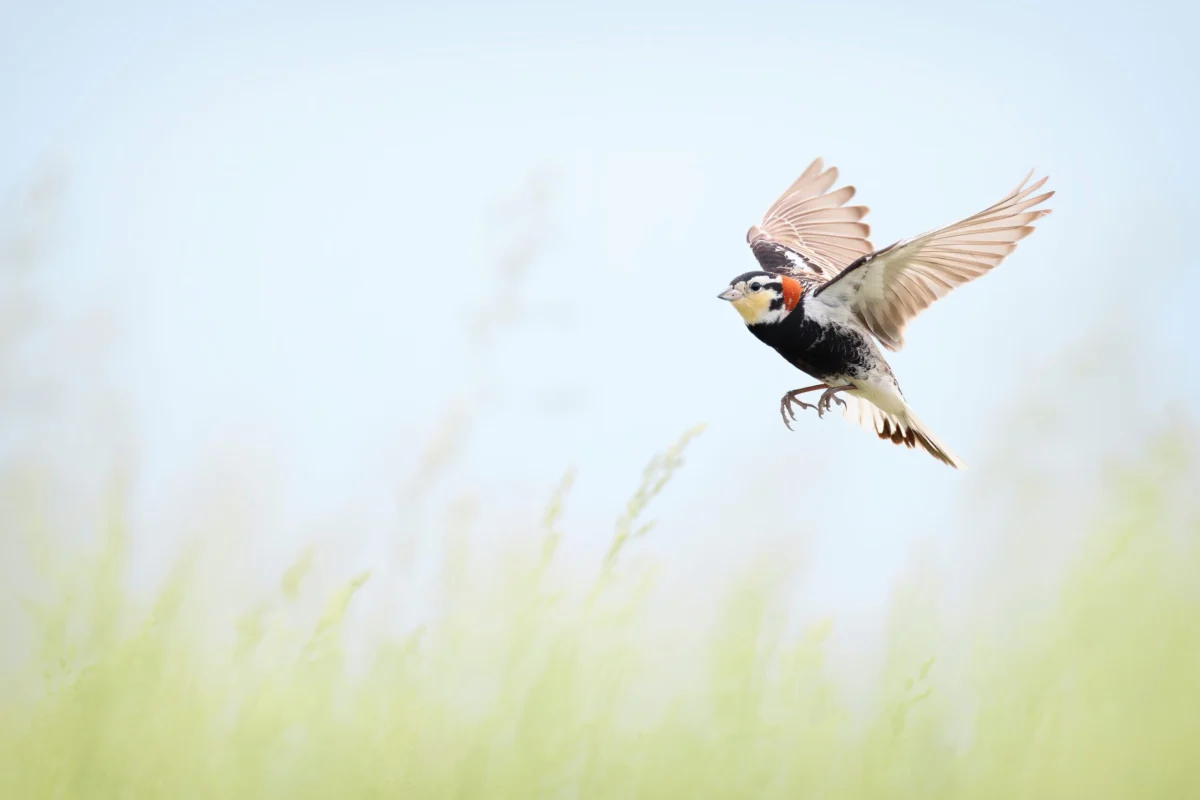
The Audubon Conservation Ranching program is a science-based certification initiative developed to protect vital bird habitat while simultaneously fostering profitable and resilient ranching operations. The urgency of this program is underscored by alarming ecological data: since 1970, grassland bird species have suffered the steepest population declines among all terrestrial biomes, with North America losing nearly three billion birds in total, a disproportionate number of which are grassland specialists. Species like the Grasshopper Sparrow, Chestnut-collared Longspur, Bobolink, Mountain Plover, and Lark Bunting – all priority species benefiting from bird-friendly management – have seen their numbers plummet due to habitat loss, fragmentation, and degradation driven by agricultural intensification, urban sprawl, and altered fire regimes. The program directly addresses this crisis by incentivizing management practices that restore and enhance the very ecosystems these birds depend upon.
Today, the Audubon Conservation Ranching program proudly encompasses nearly 4.5 million acres across more than 150 ranches, extending its influence across key grassland ecosystems. The distinctive certification seal, prominently displayed on promotional materials and product packaging, has reached over 2,000 retail locations nationwide, effectively translating the complex story of conservation directly to consumers at the point of purchase. In Montana alone, the state now boasts 516,980 acres spread across 28 ranches holding the Audubon Certified Bird-Friendly Land designation, with Old Salt’s partners contributing significantly to this growing footprint.
A Philosophy of Abundance: "More Heartbeats Per Acre"
Cole Mannix, President and Co-founder of Old Salt, articulated the co-op’s overarching philosophy, stating, "More heartbeats per acre is our goal. We care about all the wildlife that call a place home. To be able to work with Audubon—an organization that understands birds and their habitats to a level that we don’t—will only help us get better over time." This sentiment reflects a deeper understanding that healthy ecosystems are not merely an add-on but a fundamental component of sustainable ranching. The collaboration with Audubon provides invaluable scientific expertise, guiding ranchers toward practices that yield measurable ecological benefits.
To earn this rigorous certification, the Old Salt partner ranches underwent a comprehensive evaluation, demonstrating adherence to strict standards encompassing habitat management, environmental sustainability, and animal welfare. Compliance is not a one-time event but is verified through regular, independent third-party audits, ensuring ongoing commitment and accountability. Core to bird-friendly management methods are techniques such as strategic pasture rest and rotation, which are critical for enriching grassland habitat. These practices create a mosaic of varying grass heights and densities, providing essential foraging grounds, nesting sites, and cover for a diverse array of bird species, as well as other wildlife. By allowing pastures to recover fully, these methods also improve soil health, increase water infiltration, and enhance the overall resilience of the rangeland.
Christian Meny, Director of Conservation for Montana Audubon, lauded Old Salt’s achievement, remarking, "Old Salt ranches meet all of the standards for bird-friendly certification. But what makes them truly unique is that they build lasting relationships with the land, cattle, and wildlife; a multi-generational ranching community; and their local and regional customers." This highlights the holistic nature of Old Salt’s model, which extends beyond environmental stewardship to embrace social and economic sustainability.
Deep Roots in Responsible Land Stewardship: Profiles of the Partner Ranches
The partner ranches bringing this certification to Old Salt each possess a rich history and a demonstrated commitment to responsible land management.
Mannix Ranch, established in 1882 and nestled in the scenic Blackfoot Valley, exemplifies multi-generational dedication to conservation. Logan Mannix, a fifth-generation member of the family-run operation, emphasized, "Our ranch cares deeply about conservation—that the land stays intact and can support wildlife and a healthy ecosystem. Audubon’s certification is a good fit for us because it focuses more broadly on ecosystem health and wildlife habitat rather than specific inputs." The ranch implements short-duration, intensive grazing, typically three days or less in any given pasture, followed by extended rest periods. This method mimics historical grazing patterns of large bison herds, allowing plants ample time to recover and regrow. The result is a diverse pasture environment featuring a healthy mix of short grass for ground-nesting birds, tall cover for protection, and a variety of forbs crucial for insect populations, which in turn serve as a vital food source for young birds.
LF Ranch, situated near Augusta, places a high priority on maintaining robust ground cover, promoting species diversity within its pastures, and fostering vigorous grass growth. Recently, the ranch strategically introduced more yearling cattle into its herds. This decision was made, in part, to enhance grass utilization efficiency and contribute to the long-term health and productivity of the range. Andrew Bardwell, General Manager of LF Ranch, succinctly summarized their philosophy: "Bird-friendly ranching follows sound ecological practices. If we get our grazing right, cow performance follows, and everything else on the ranch thrives: plants, animals, and birds." This statement encapsulates the interconnectedness of their operations, where environmental health directly translates to agricultural success.
Sieben Live Stock Company, founded in 1868 and headquartered in Adel, has a similarly long legacy of land stewardship. Spanning extensive pastures across Cascade County, the company strategically employs rest periods during the crucial growing season. Cooper Hibbard, Sieben Live Stock’s President and COO, recounts an early career experience bunking with Audubon biologists at a ranch in Mexico, where he gained profound insights into how bird surveys could serve as powerful indicators of overall ecosystem and habitat health. "I’ve been a believer ever since," Hibbard affirmed. "A healthy, thriving bird population is indicative that we are achieving our mission of creating as much life as possible through our grazing management and overall approach to stewardship." This perspective highlights the role of birds as bio-indicators, their presence and diversity signaling a thriving, well-managed landscape.
J Bar L Ranch, located near Melville and established in 2000, also adheres to bird-friendly management practices, including high-impact, short-duration grazing followed by essential rest periods for more fragile pastures. The ranch’s participation in Old Salt Co-op aligns with its broader mission to nourish all stakeholders in the meat production process, from the dedicated land stewards to the skilled food workers in the marketplace. Andrew Anderson, Ranch Co-Manager for J Bar L, articulated their foundational principle: "We take an earth-first approach to managing our land, the livestock, and the business. We’re trying to promote a set of conditions that are resilient, both ecologically and financially, to protect the landscape and keep more dollars within the agricultural sector and our communities in Montana." This statement underscores the dual objectives of ecological and economic resilience that define the Old Salt model.
The Old Salt Festival: A Celebration of Shared Values
Each year, this integrated approach to land stewardship and community engagement is celebrated at the Old Salt Festival, a vibrant event hosted at Mannix Ranch. Sponsored by a coalition of groups including Audubon, the festival serves as a powerful testament to the many shared values between Audubon and Old Salt: the critical importance of healthy grasslands, the enduring commitment to responsible land stewardship, and the necessity of viable ranching operations for future generations. The festival brings together ranchers, conservationists, chefs, musicians, and the public, fostering dialogue and connection around the future of food and land.
Chris Wilson, Director of Audubon Conservation Ranching, offered a broader perspective on Old Salt’s significance: "We’ve all grown to accept an extractive system in which agriculture is where we grow food at the expense of all other living things. Old Salt is a model for how we can move toward a truly regenerative system that builds ecological integrity by continually reinvesting in land and local communities." This statement positions Old Salt not just as a successful business but as a paradigm shifter, offering a tangible example of how agricultural practices can evolve from being resource-depleting to resource-enhancing.
Broader Implications: A Blueprint for the Future of Food and Conservation
The certification of Old Salt Co-op’s ranches carries profound implications for the broader agricultural landscape, environmental conservation, and consumer choices.
For the Meat Industry: As consumer demand for sustainably and ethically produced food grows, Old Salt’s model demonstrates a viable pathway for meat producers to meet these expectations. The Audubon certification offers a clear, third-party verified assurance of ecological stewardship, differentiating their products in a competitive market. This could inspire other ranchers to adopt similar practices, leading to a wider transformation within the industry towards regenerative models. The integration of processing and direct-to-consumer sales also allows for greater transparency and economic stability for producers, addressing common challenges faced by ranchers in traditional supply chains.
For Conservation Efforts: The partnership between Audubon and Old Salt exemplifies a successful collaborative model between environmental organizations and private landowners. A significant portion of critical wildlife habitat in the United States resides on private lands, making landowner engagement indispensable for conservation success. Programs like Audubon Conservation Ranching bridge the historical divide between agriculture and environmentalism, proving that economic viability and ecological health are not mutually exclusive but deeply interdependent. This collaboration fosters a sense of shared responsibility for the landscape, leading to more effective and durable conservation outcomes.
For Rural Economies in Montana and Beyond: Old Salt’s commitment to reinvesting earnings locally and strengthening its multi-generational ranching community offers a powerful antidote to the economic pressures often faced by rural areas. By creating a more resilient and integrated local food system, the co-op helps retain wealth within the agricultural sector and local communities, supporting jobs and fostering local pride. This model demonstrates how sustainable practices can contribute directly to economic vitality, ensuring that ranching remains a viable and attractive livelihood for future generations.
The Regenerative Agriculture Movement: Old Salt Co-op is at the forefront of the burgeoning regenerative agriculture movement, which seeks to restore degraded ecosystems, improve soil health, enhance biodiversity, and sequester carbon through farming and ranching practices. Their success with the Audubon certification provides compelling evidence that these principles are not only ecologically beneficial but also economically sound. As global concerns about climate change and biodiversity loss intensify, models like Old Salt’s offer practical, scalable solutions that contribute to a more sustainable food system.
In conclusion, the Audubon Bird-Friendly Land Certification awarded to Old Salt Co-op’s partner ranches is more than just an accolade; it is a testament to a forward-thinking vision for agriculture. It underscores the potential for ranchers to be leading conservationists, for businesses to drive ecological restoration, and for consumers to become active participants in building a healthier planet. As the Old Salt Festival prepares to celebrate these achievements, it serves as a beacon of hope, demonstrating that a future where thriving wildlife, healthy landscapes, and prosperous communities coexist is not just an aspiration, but an achievable reality.
About Audubon Conservation Ranching
Audubon Conservation Ranching partners with ranchers to sustain healthy grasslands, abundant birdlife, and resilient rural communities. Through its bird-friendly land certification and science-based approach, the program empowers land stewards to enhance habitat, improve soil health and water quality, and strengthen the crucial connection between conservation and ranching. By purchasing products from Audubon Certified Bird-Friendly Land, consumers become conservationists, directly contributing to the protection of America’s vital grasslands and the diverse birds, wildlife, and people that depend on them. For more information, please visit www.audubon.org/ranching.
