
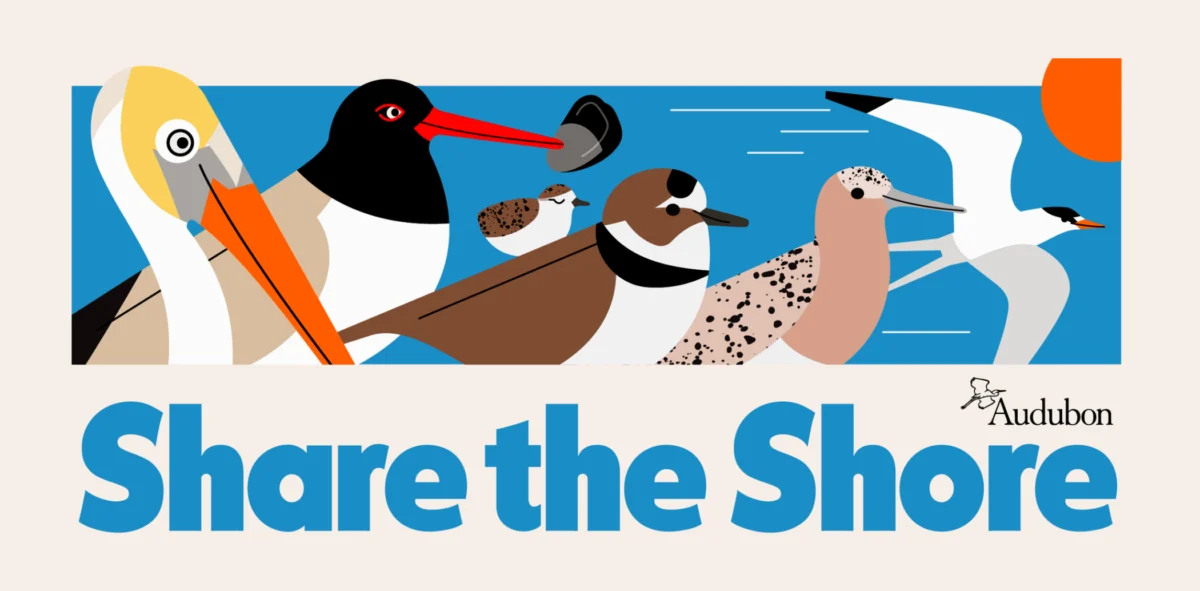
As the nation prepares for Independence Day celebrations, a critical warning has been issued regarding the severe threat that celebratory fireworks pose to Florida’s vulnerable coastal bird populations. Species such as Least Terns, Black Skimmers, Wilson’s Plovers, Snowy Plovers, and American Oystercatchers, which choose the state’s expansive coastlines as their vital nesting grounds, are particularly susceptible to the chaos and disruption caused by pyrotechnic displays. Audubon Florida, a leading conservation organization, is at the forefront of a statewide effort to mitigate these dangers, deploying dedicated bird stewards and advocating for responsible holiday observances to ensure these fragile ecosystems can endure the annual festivities without devastating losses.
The Peril of Pyrotechnics: A Direct Threat to Fragile Nests
The seemingly innocuous bursts of color and sound that characterize Fourth of July fireworks can have catastrophic consequences for Florida’s beach-nesting birds. Unlike the human perception of entertainment, for birds, each explosion triggers a primal panic response. Adult birds, startled by the sudden, intense noise and bright flashes, will instinctively flush from their nests, abandoning their eggs or newly hatched chicks in a desperate attempt to flee perceived danger. This abrupt departure leaves nests exposed to a multitude of threats.
Chicks, often too young to fly or properly regulate their body temperature, become scattered and vulnerable. Without the protective canopy of their parents’ wings, they are exposed to the scorching Florida sun, leading to rapid overheating and dehydration, which can quickly prove fatal. Furthermore, the absence of adult birds leaves the defenseless young exposed to opportunistic predators such as gulls, raccoons, coyotes, and even domestic animals that might be roaming the beaches. The disorienting experience can also cause chicks to become separated from their parents, making reunion difficult or impossible, leading to starvation.
For many of these species, the summer months, coinciding directly with the Fourth of July holiday, represent a critical window for nesting. Least Terns, known for their small size and ground nests, often form colonies on open sandy beaches. Black Skimmers, with their distinctive lower mandibles, also nest in scrapes on the sand, often near tern colonies. Wilson’s Plovers and Snowy Plovers, both small and well-camouflaged, rely on undisturbed beaches for their nests. American Oystercatchers, with their striking red-orange bills, create shallow depressions in the sand or shell hash. All these species invest significant energy into raising their young, and a single night of widespread disturbance can undo weeks of effort, often representing their final opportunity to successfully fledge offspring for the entire season. The re-nesting efforts many birds undertake after initial failures mean that during this period, their biological imperative to reproduce is at its peak, making disturbances even more detrimental.
Florida’s Coastal Ecosystem: A Critical Habitat Under Pressure
Florida’s extensive coastline, stretching over 1,350 miles, is an ecological treasure trove, providing vital habitats for a diverse array of wildlife, including numerous species of beach-nesting birds. These sandy shores, barrier islands, and coastal dunes are not merely recreational spaces for humans but serve as indispensable nurseries and feeding grounds. The state’s unique geography, characterized by warm waters and abundant prey, attracts both resident and migratory bird populations, making its conservation efforts nationally and globally significant.
However, these critical habitats are under relentless pressure. Rapid coastal development has led to significant habitat loss and fragmentation, reducing the available undisturbed nesting areas. Human encroachment, in the form of increased beach traffic, recreational activities, and the presence of pets, further exacerbates the challenges faced by these ground-nesting birds. Beyond the immediate threat of fireworks, vehicular traffic on beaches, kites flown too close to nesting sites, off-leash dogs, and simply people inadvertently stepping on camouflaged nests or chicks are constant stressors. These chronic disturbances cumulatively contribute to reduced nesting success, lower chick survival rates, and, ultimately, a decline in overall population numbers.
"Florida’s beaches are shared spaces, but we must remember that for many species, they are home," explains Dr. Marianne Johnson, Director of Coastal Conservation for Audubon Florida (inferred statement). "The cumulative impact of human activity, especially during peak holiday periods, places immense strain on these birds. Fireworks are a stark, acute example of how our celebrations can inadvertently become their tragedies."
The Annual Cycle of Vulnerability: Nesting Season Meets Holiday Celebrations
The timing of Independence Day is particularly unfortunate for Florida’s coastal birds. The months of May through August represent the peak nesting season for most of these species. During this period, eggs are incubating, and vulnerable chicks are hatching and developing. This means that by early July, many nests contain either late-stage eggs or very young, flightless chicks, making them exceptionally susceptible to disturbance.
Audubon Florida and other conservation groups begin their preparatory efforts well in advance of the holiday weekend. Their annual campaign involves extensive public outreach, educational signage, and the strategic placement of roped-off "posted areas" to protect active nesting sites. This chronology of conservation effort aims to create a buffer zone around nests, alerting beachgoers to the presence of fragile wildlife. Despite these proactive measures, the sheer volume of visitors during the Fourth of July weekend, combined with the widespread use of personal fireworks, presents an annual challenge that often overwhelms these safeguards. The period leading up to and immediately following July 4th sees a surge in beach activity, directly coinciding with the birds’ most vulnerable life stage. This collision of human recreation and wildlife biology creates an annual conservation crisis that requires heightened vigilance and public cooperation.
Beyond the Boom: The Scourge of Fireworks Debris
The environmental impact of celebratory fireworks extends far beyond the immediate auditory and visual disturbance. The debris left behind on beaches and in near-shore waters poses a significant, often overlooked, threat to marine and coastal ecosystems. Fireworks contain various chemicals, plastics, and paper components that, after detonation, fall back to earth as litter.
This refuse can be easily mistaken for food by various marine animals. Sea turtles, for instance, are known to ingest plastic bags and other floating debris, mistaking them for jellyfish or other prey, leading to internal injuries, blockages, and starvation. Similarly, fish and other marine organisms can ingest smaller particles, introducing harmful substances into the food chain. For hungry bird chicks, especially those whose parents have been flushed from the nest, any small, brightly colored object on the sand might be investigated as a potential food source. This can lead to the ingestion of plastic fragments, chemicals, and other non-biodegradable materials, causing internal damage, poisoning, or blockages in their delicate digestive systems.
Cleanup efforts after holiday weekends are extensive but rarely comprehensive, leaving countless fragments to persist in the environment for years, continuously posing a threat. "Our beaches are not landfills," states a representative from the Florida Fish and Wildlife Conservation Commission (FWC), speaking generally about beach pollution (inferred statement). "Every piece of trash, especially chemical-laden fireworks debris, has the potential to harm wildlife, from the smallest chick to the largest sea turtle. Choosing municipal shows over personal fireworks is not just about bird disturbance; it’s about protecting the entire coastal ecosystem from pollution."
Audubon Florida’s Proactive Stewardship: A Frontline Defense
In response to these pervasive threats, Audubon Florida mobilizes a dedicated network of bird stewards, volunteers, and staff members. Over the critical Fourth of July weekend, these "ambassadors for nature" are deployed in full force at numerous locations across the state where people and beach-nesting birds are known to comingle. These stewards are vital to the conservation effort, serving as the frontline of defense for fragile nesting sites.
Their primary role is educational. Stewards engage with beach visitors, explaining the presence of nesting birds, the importance of posted areas, and the specific dangers posed by fireworks, off-leash dogs, and other disturbances. They help coastal visitors understand the delicate balance of the ecosystem and the direct consequences of human actions on bird survival. By fostering a greater understanding and appreciation for these species, stewards aim to cultivate a sense of shared responsibility among the public. They provide crucial information, distribute educational materials, and monitor nesting sites, documenting any disturbances or violations. This data is invaluable for ongoing conservation strategies and enforcement efforts.
"Our bird stewards are truly the unsung heroes of coastal conservation," remarks Johnson. "They spend countless hours in the sun, educating the public and standing guard for these vulnerable birds. Their presence alone can often deter accidental disturbances and their gentle approach helps turn potential conflicts into teachable moments, fostering a deeper connection between people and nature."
A Call for Coexistence: Recommendations for Public Action
Audubon Florida urges Floridians and visitors alike to adopt responsible practices to ensure the safety and tranquility of beach-nesting birds. The core message is simple: "Let the birds nest in peace."
To make Florida’s beaches safer for birds, several key actions are recommended:
- Attend Municipal Fireworks Shows: Opt for professionally organized fireworks displays, which are typically concentrated in specific areas, allowing other vast stretches of coastline to remain undisturbed. These shows are often held over water or designated public spaces, away from critical nesting sites.
- Avoid Personal Fireworks on Beaches: Refrain from deploying store-bought fireworks on beaches or near coastal areas. The unpredictable nature and widespread distribution of personal fireworks make them far more damaging than concentrated municipal displays.
- Respect Posted Areas: Heed all signage and roped-off areas indicating nesting sites. These boundaries are established for the protection of eggs and chicks and should never be crossed.
- Keep Dogs on Leash: Always keep dogs on a leash when visiting beaches. Even well-behaved dogs can instinctively chase birds, causing severe disturbance to nesting adults and scattering chicks.
- Dispose of Trash Properly: Pack out all trash, including any fireworks debris. Leaving no trace is paramount to protecting marine life from ingestion and entanglement.
- Be Alert and Observe Bird Behavior: If a bird dive-bombs you, squawks loudly, or exhibits agitated behavior, it is a clear sign that you have gotten too close to a nest or chicks. Immediately and calmly back away from the area.
- Support Conservation Efforts: Contribute to organizations like Audubon Florida that work tirelessly to protect these species and their habitats.
Broader Conservation Landscape: State and Local Responses
The challenges posed by Fourth of July celebrations are not unique to Florida and highlight the ongoing tension between human recreation and wildlife conservation across many coastal states. In Florida, the FWC plays a crucial role in regulating wildlife protection and enforcing environmental laws. While state statutes prohibit harassment of wildlife, the enforcement of these laws, particularly regarding widespread fireworks use on beaches, can be challenging given the sheer volume of activity.
Local governments, including county and municipal parks and recreation departments, also bear responsibility. Many localities have ordinances restricting fireworks on beaches, but awareness and enforcement vary. There is a growing consensus among conservationists that stronger, more uniform regulations, coupled with increased public education campaigns, are necessary to adequately protect vulnerable species. Some local governments have explored alternatives, such as drone light shows or laser displays, which offer visual spectacle without the noise and debris, though these are not yet widespread. The long-term implication is a need for a collaborative approach involving state agencies, local authorities, conservation groups, and the public to find sustainable solutions that allow for both celebration and conservation.
Long-Term Implications and the Future of Florida’s Coastal Birds
The annual Independence Day fireworks issue is a microcosm of the broader challenges facing Florida’s coastal ecosystems. The cumulative impact of habitat loss, climate change, pollution, and chronic human disturbance places many of these beach-nesting bird species at significant risk. While some, like the Least Tern, are relatively stable, others, like the Snowy Plover, are listed as threatened in Florida, making every successful nesting season critical for their long-term survival.
The implications of continued disturbance extend beyond individual birds. A decline in these species can disrupt the delicate ecological balance of coastal environments, impacting food webs and biodiversity. Economically, Florida’s natural beauty and wildlife are significant drivers of its eco-tourism industry. Protecting these iconic species ensures the continued allure of the state’s natural heritage. The ongoing educational efforts by organizations like Audubon Florida are not just about saving birds; they are about fostering a conservation ethic within the public, promoting a deeper respect for nature, and ensuring that future generations can also enjoy the rich biodiversity that makes Florida unique. The future of Florida’s coastal birds depends on a shared commitment to responsible stewardship, where celebrations are harmonized with the needs of the natural world.
Audubon Florida, a nonprofit conservation organization since 1900, protects birds and the places they need, today and tomorrow. Through science, advocacy, education, and on-the-ground conservation, Audubon works throughout the Americas, connecting millions of people each year to inform, inspire, and unite diverse communities in conservation action, striving for a world in which people and wildlife thrive. The urgency of this Independence Day weekend underscores their enduring mission.
