
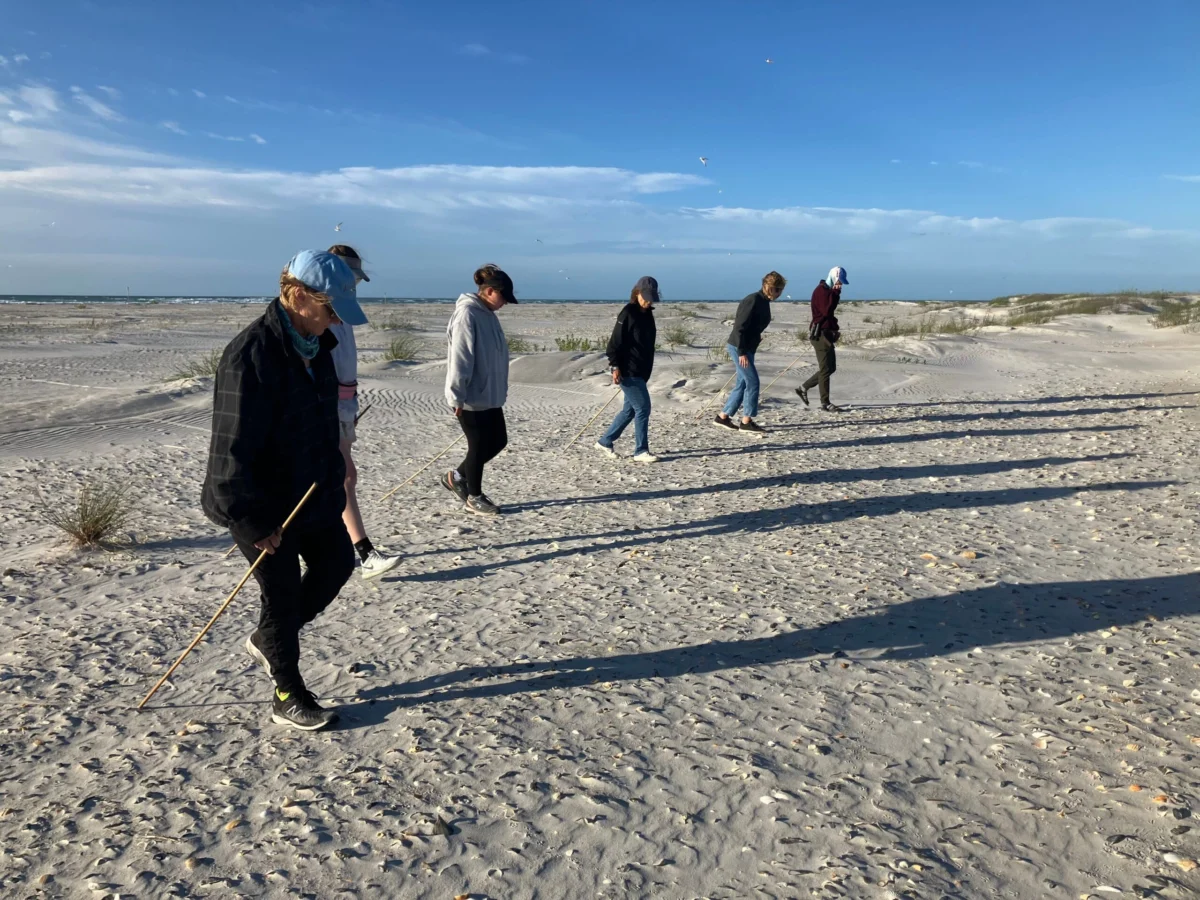
North Carolina’s vital coastal nesting season is in full swing, with Audubon staff diligently engaged in a comprehensive suite of conservation activities, from meticulously counting colonial waterbirds and establishing critical sanctuary postings to continuous nest monitoring across the state’s fragile coastal ecosystems. This annual period, stretching from early spring through mid-September, marks a crucial time for the state’s diverse avian populations as thousands of birds return to their ancestral breeding grounds to court mates, construct nests, and raise their vulnerable young. The mild temperatures experienced in early spring this year appear to have provided an auspicious start, prompting some species to commence nesting activities slightly ahead of their typical schedule, underscoring the delicate interplay between climatic conditions and avian life cycles.
Audubon North Carolina, a leading voice in bird conservation, manages an intricate network of 15 coastal islands and sanctuary sites. These protected areas are indispensable, safeguarding approximately 40 percent of the state’s nesting waterbird population. The organization’s efforts are pivotal in ensuring the survival of numerous species, many of which face increasing threats from habitat loss, climate change, and human disturbance. As spring transitions into summer, these sanctuaries teem with activity, covered by vigilant parent birds tending to their long-legged, fluffy, or often both, offspring. The early reports from the field are encouraging, with record numbers of Least Terns observed on Lea-Hutaff Island, a robust count of 95 pairs of American Oystercatchers populating the Lower Cape Fear River, and the delightful presence of a Piping Plover pair overseeing their tiny chicks on the southern reaches of Hutaff Island. These observations highlight both the success of ongoing conservation initiatives and the persistent vulnerabilities these birds face.
A Critical Period for Avian Reproduction
The coastal nesting season, which officially runs from March 1 to September 15, is a period of intense activity and heightened vulnerability for shorebirds and colonial waterbirds. During these months, adult birds engage in a demanding cycle of reproduction, including courtship displays, nest construction—often simple scrapes in the sand or elevated platforms in vegetation—egg-laying, incubation, and chick-rearing. Many of these species, particularly ground-nesters like Least Terns, Piping Plovers, and American Oystercatchers, are acutely susceptible to disturbance. The presence of humans, unleashed pets, or even routine coastal activities can lead to nest abandonment, exposure of eggs and chicks to predators or extreme weather, and ultimately, reproductive failure.
To mitigate these risks, Audubon staff and dedicated volunteers deploy over 700 informational and protective signs across the sanctuary network each year. These postings delineate critical nesting areas, creating buffer zones between human activity and bird breeding grounds. This proactive management strategy is crucial; without consistent year-round monitoring and seasonal management, many of these imperiled species would struggle to find suitable, undisturbed locations to nest, rest, and refuel along North Carolina’s rapidly developing coastline. The conservation work extends beyond physical barriers, encompassing public education campaigns aimed at fostering a culture of shared responsibility for coastal ecosystems.
Record Least Tern Numbers at Lea-Hutaff Island
Lea-Hutaff Island, a dynamic barrier island known for its shifting sands and rich biodiversity, has once again emerged as a vital stronghold for Least Terns. This year’s census recorded an impressive 1,146 nesting pairs on the island, a figure that represents approximately one-third of the state’s entire Least Tern population and establishes a new high count for the island. This surpasses the previous record of 1,104 nests observed in 2019, underscoring the island’s critical role in the species’ regional conservation.
The current stage of nesting sees the terns with eggs and newly hatched chicks on the ground, rendering them exceptionally vulnerable. This makes adherence to posted sanctuary boundaries paramount for boaters and beachgoers visiting the island. These designated areas not only encircle active nests and chicks but also provide essential buffer distances. When parent birds are flushed from their nests due to human proximity, their young are left exposed and unprotected from predators, the scorching sun, and other environmental threats. Coastal Biologist Lindsay Addison emphasized the significance of these colonies, particularly given recurring challenges such as predation by coyotes and human disturbance. "These are very impressive colonies for the Least Terns," Addison stated, "as predation by coyotes and human disturbance are a recurring challenge for these birds. This year we’ve been very fortunate so far that coyotes haven’t had a large impact, and though we did have one very serious violation of the Hutaff postings, we’re very grateful to the vast majority of boaters who have been respectful of the posted areas." The vast majority of Least Terns on Lea-Hutaff, specifically 924 pairs, are concentrated on the Hutaff side of the island, a tract thoughtfully owned and protected by the Coastal Land Trust, a key partner in this conservation endeavor.
Beyond the Least Terns, Lea-Hutaff Island also supports a rich tapestry of other nesting species, including Willets, Wilson’s Plovers, Common Nighthawks, Green Herons, Black Skimmers, American Oystercatchers, and the aforementioned Piping Plover pair, all diligently raising their offspring amidst the island’s dynamic environment.
The Triennial Colonial Waterbird Census: A Data-Driven Approach
Every three years, Audubon North Carolina collaborates with state agencies and other conservation partners in a monumental statewide effort to conduct the Colonial Waterbird Census. This comprehensive survey aims to count colonial-nesting species such as Least Terns, Black Skimmers, Brown Pelicans, and numerous others across North Carolina’s diverse coastal habitats. The data collected from this census provides invaluable insights into population trends, reproductive success, and the overall health of these avian communities.
The most recent triennial census in 2023 painted a mixed picture. While some species showed stability or slight increases, others, notably the Black Skimmer, exhibited concerning declines. The 2023 census revealed a steep 47 percent decline in nesting pairs of Black Skimmers compared to the species’ 15-year average. Plagued by challenges such as habitat loss, increased flooding events exacerbated by climate change, and predation, Black Skimmers have become a high-priority species for Audubon and other site managers. In 2023, partners from across the state meticulously counted 49,043 nests belonging to 21 distinct species from April to May. This year, the census was conducted again, building upon the foundational data to provide a continuous, accurate picture of these species’ overall populations and inform adaptive management strategies.
"This is the best way we can get an accurate picture of the birds that call our state home," remarked Coastal Biologist Lindsay Addison, highlighting the collaborative nature and scientific rigor of the census. "It’s a remarkable effort by partners all across the state and it’s a data set we’re lucky to have." The data collected through this extensive effort is then compiled by the North Carolina Wildlife Resources Commission (NCWRC) into a comprehensive report. This report serves as a critical resource, informing future monitoring programs, guiding management decisions, and shaping research priorities for the state’s imperiled waterbirds. The results from this year’s count are eagerly anticipated by the conservation community.
Unlocking Migration Secrets: Terns Get Tracking Backpacks
In a groundbreaking partnership aimed at understanding the full annual life cycle of Royal and Sandwich Terns, Audubon North Carolina continues its collaboration with Dr. Kate Goodenough, lead ecologist at Larid Research and Conservation. This project utilizes advanced tracking technology to monitor the migratory patterns, foraging habits, and wintering grounds of these majestic birds.
The initiative began with initial deployments, and in 2025, the project significantly expanded with the deployment of trackers on eight Royal Terns and eight Sandwich Terns. This year, building on previous successes, an additional 18 trackers were deployed, with all but two fitted to Sandwich Terns. The data gathered from these tiny "backpacks" is currently undergoing rigorous analysis, particularly focusing on the movements and behaviors of Sandwich Terns from the 2025 deployment. This detailed information is crucial for identifying critical stopover sites and wintering areas outside of North Carolina, enabling a more holistic, international approach to their conservation. Understanding these migratory corridors and key non-breeding habitats is essential for developing effective, transboundary conservation strategies for species that traverse vast distances.
Colony Resilience: A Move After Coyote Scare
The dynamics of coastal ecosystems are constantly shifting, and wildlife, including nesting birds, must adapt. Ferry Slip and South Pelican Islands, both created from dredged material on the Cape Fear River, represent two of only four or five total Royal and Sandwich Tern nesting sites in North Carolina. For six consecutive years, these colonial nesters had chosen South Pelican Island as their breeding ground. However, this year witnessed a significant relocation to Ferry Slip Island. The impetus for this move was a concerning incident involving a coyote, which was observed swimming to and exploring South Pelican Island just prior to the terns laying their eggs.
This event highlights the increasing challenge of mammalian predators in coastal environments. "We have never documented a coyote on any of the river islands before this year," Addison confirmed, describing the unsettling discovery. "We caught it on a trail camera and found its tracks, as well as depredated eggshells." The incident underscores the vulnerability of ground-nesting colonial birds to new threats as predator ranges expand. Royal and Sandwich Terns almost exclusively nest on these dredged-material islands, making suitable habitat a scarce and valuable resource. Fortunately, Audubon proactively manages Ferry Slip Island, ensuring it provides the same open, bare sand habitat essential for these species. This foresight allowed the colony to successfully relocate, demonstrating the importance of maintaining multiple viable nesting sites.
The Lower Cape Fear River also hosts other significant bird populations, including large groupings of Brown Pelicans, White Ibis, Great Egrets, Snowy Egrets, and Little Blue Herons, which typically nest in trees and dense grasses on islands like Battery Island. Furthermore, a network of just under 100 pairs of American Oystercatchers is closely monitored on the river annually. Approximately 60 of these pairs are under intense observation to identify factors influencing their reproductive success or failure. Trail cameras are frequently employed to confirm individual bird bands or to discreetly observe hatching events without disturbing the nests, often yielding captivating glimpses into the daily lives of American Oystercatchers.
The Unsung Heroes: Beach Bird Stewards of Wrightsville Beach
At one of North Carolina’s most visible and popular sanctuaries, the South End of Wrightsville Beach, a dedicated team of beach bird stewards plays an indispensable role. These volunteers are the frontline defenders of nesting birds, tirelessly walking the posted boundaries, engaging with beachgoers, and educating the public about the extraordinary avian spectacle unfolding right before their eyes each year.
This season, the steward program boasts 75 volunteers, including 15 enthusiastic first-timers. Their unwavering commitment is crucial for the success of Least Terns, Black Skimmers, Common Terns, and American Oystercatchers that rely on this valuable stretch of beach for nesting. Without the hard work and constant vigilance of these stewards, the intense human activity on Wrightsville Beach would likely render it unsuitable for these sensitive species.
The nesting season at Wrightsville Beach has presented its own unique challenges. As has become routine, Ruddy Turnstones, opportunistic foragers, have delayed the onset of Black Skimmer nesting at the site by pecking open eggs as they are laid. "We’re seeing fewer turnstones now that we’re well into June so we’re hoping that nests being initiated now will stick," Addison explained. This phenomenon highlights a less obvious form of disturbance: if skimmers are repeatedly flushed off their nests by human activity, even without direct contact, their eggs become vulnerable to opportunistic predators like turnstones. This intricate ecological dynamic underscores that human actions, even seemingly minor ones, can have cascading negative effects on nesting success.
Share the Shore: A Call to Action for Coastal Stewardship
With thousands of birds nesting and raising chicks along the North Carolina coast, the message to "Share the Shore" has never been more critical. Public participation and adherence to conservation guidelines are paramount for the survival of these iconic and often imperiled species. Individuals can make a significant difference by consistently respecting posted nesting sanctuaries, which are clearly marked to protect vulnerable areas. Cleaning up trash, a pervasive threat to wildlife, is another simple yet impactful action. Keeping dogs leashed and maintaining a considerable distance from nesting birds are essential practices, as even well-behaved pets can inadvertently disturb nests or stress parent birds. Engaging with and listening to the valuable insights provided by bird stewards encountered on beaches can further enhance public understanding and commitment to conservation.
For those eager to gain a deeper appreciation for North Carolina’s nesting birds in the company of experts, Audubon North Carolina offers free, guided bird walks. These educational excursions commence in May and occur every Monday morning at 9:00 AM, continuing until August 15 on the south end of Wrightsville Beach. These walks provide an invaluable opportunity for the public to connect with nature, learn about the challenges faced by coastal birds, and understand how their actions contribute to the broader conservation effort. The success of North Carolina’s nesting season ultimately hinges on a collective commitment to protecting these vital coastal habitats and the incredible avian life they support.
