
The discipline of pigeon racing, often referred to as the "marathon of the skies," has evolved from a traditional hobby into a sophisticated field of avian sports science. At the heart of this evolution is a deepening understanding of metabolism and the nutritional requirements of high-performance birds. Recent observations and historical data suggest that the traditional reliance on carbohydrate-heavy diets may not be sufficient for the grueling demands of long-distance racing. Instead, the strategic integration of high-fat supplements, particularly peanuts, is emerging as a critical factor in maintaining bird health and securing competitive victories.
The Metabolic Engine: Carbohydrates Versus Fats
The fundamental dietary intake for most racing pigeons consists of carbohydrates, primarily sourced from maize, wheat, and peas. From a physiological standpoint, a pigeon’s digestive system processes these carbohydrates and converts them into animal proteins and glycogen. This glycogen is subsequently stored in the liver and muscle tissues. During a race, this stored glycogen serves as the primary fuel source, functioning much like gasoline in a combustion engine.
However, the energy density of glycogen is relatively low. The combustion of one gram of glycogen provides approximately 4.1 calories of energy. In the context of a short-distance sprint, this is often sufficient. The danger arises during marathon races or under adverse weather conditions. When a bird’s "glycogen tank" runs dry before it reaches the loft, its metabolism undergoes a catabolic shift. The bird begins to burn its own body proteins—essentially consuming its own muscle mass—to sustain flight. Because protein also yields only 4.1 calories per gram, the bird loses weight rapidly. In extreme cases of metabolic exhaustion, pigeons return to their lofts in a state of physical devastation, described by fanciers as being "nothing but feathers and bones."
To prevent this physiological decline, experts advocate for a shift toward lipid-based energy sources. Fat offers a significantly higher energy yield, providing 9.3 calories per gram. This represents 2.33 times the energy density of carbohydrates or proteins. By offering a "high-octane" fuel source, fanciers can ensure that their birds have a deeper energy reserve, allowing them to complete long-distance flights without sacrificing muscle integrity.
Nutritional Composition and the Role of Oilseeds
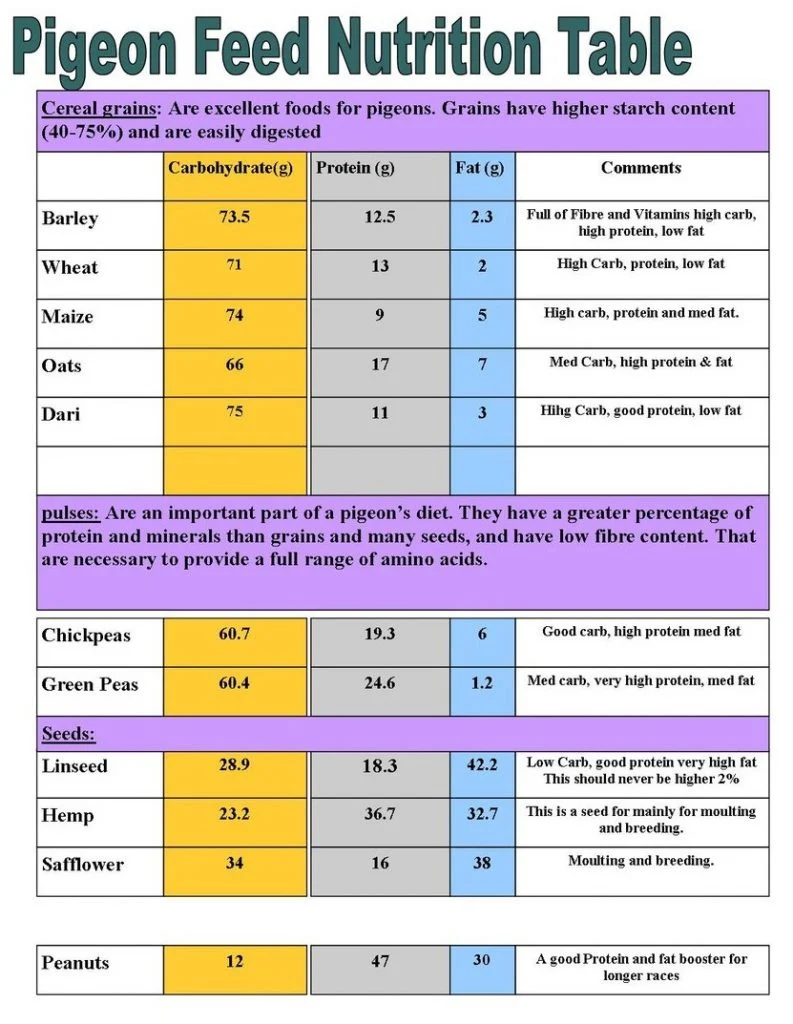
To bolster the fat content of a pigeon’s diet, many fanciers have historically turned to specific grains and seeds. Standard maize contains roughly 4% fat, while rolled oats offer about 7%. While these are improvements over basic mixtures, they do not provide the concentrated energy required for the most difficult races.
As the racing season progresses and the distances increase, seasoned fanciers often introduce seeds with high oil content. The nutritional profiles of these seeds are substantial:

- Sunflower Seeds: 28% fat
- Hempseed: 32% fat
- Linseed: 34% fat
- Rapeseed: 42% fat
Research conducted in the United Kingdom has further validated the benefits of lipid supplementation. Studies have demonstrated that performance improves significantly when standard feed is enriched with a 5% concentration of corn oil. These oil-rich seeds are no longer viewed merely as treats; they are essential components of a high-performance regimen that helps birds maintain their "form" and body weight under extreme conditions.
The Peanut: A First-Class Fuel Source
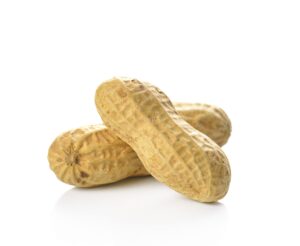
Among the various fat sources available, the peanut stands out as a premier fuel for the racing pigeon’s engine. Characterized by its oblong shape and thin brown skin, the peanut is exceptionally nutrient-dense. Beyond its high fat content, it contains approximately 30% protein, surpassed only by the soybean in the legume family. This combination of high protein and high fat makes the peanut’s nutritional profile remarkably similar to "crop milk," the substance parent pigeons produce to nourish their young.
The history of peanut feeding in the sport includes notable success stories. Dr. Meyer, a prominent figure in the field, recalls the experience of Eduard Pape of Hamburg. In the post-war era, Pape, a laborer at the Hamburg port, had access to surplus peanuts from oil mills. By feeding his pigeons a diet primarily consisting of peanuts—while carefully managing portions to avoid overfeeding—Pape achieved extraordinary racing results, particularly in difficult, long-distance events.
Practical Application and Introduction Strategies
Despite their benefits, peanuts require a strategic approach to feeding. Because they are not a natural part of a pigeon’s diet in the wild, birds must be introduced to them gradually. Experts recommend starting this process during the winter months. Once pigeons grow accustomed to the taste, they often begin to prefer peanuts over all other feed, a behavior that fanciers can use to their advantage.
Dr. Meyer suggests a meticulous approach to distribution. Rather than feeding whole peanuts, he recommends using a kitchen machine to break them into three or four smaller pieces. This prevents the more aggressive birds from consuming the lion’s share of the treats before the less assertive birds—who are often the superior racers—can get their portion.
Furthermore, the "peanut method" serves a dual purpose: nutrition and domestication. Carrying a handful of peanuts in a coat pocket allows a fancier to feed birds individually. This fosters a bond of trust, making the birds calmer and more "tame." This psychological edge is invaluable; a bird that is comfortable with its handler is easier to manage and more motivated to return to the loft.
Integration into Breeding and Young Bird Management
The utility of peanuts extends into the breeding loft. During the critical period between the 6th and 12th day of a chick’s life—when the diet transitions from mush to rough feed—supplementing the parents’ diet with 5 to 10 grams of peanut pieces can be highly beneficial. This ensures the developing youngsters receive concentrated energy and protein during their most rapid growth phase.
For young birds, peanuts are an essential tool for "trapping" (entering the loft). By using peanuts as a reward for responding to a call, fanciers can instill a disciplined routine. Pigeons trained this way are significantly less likely to hesitate on the loft roof after a race, a common issue that can cost a fancier a win by mere seconds.
The Widowhood System and Motivational Tactics
In the competitive "widowhood" system—where male and female pigeons are kept separate to increase their motivation to return home—peanuts serve as a powerful psychological tool. For the widower (the male), the prospect of finding peanut pieces in his nesting box becomes a primary motivator. This "box love" ensures the bird is eager to return and defend his territory.
For the widowhood hens, the management of peanut intake is even more nuanced. Hens are typically fed fewer peanuts than the males to maintain their racing weight. However, increasing their portion on the evening before and the day of basketing (being placed in the race crates) ensures they have the necessary energy for the flight. Dr. Meyer notes that this high-energy, controlled-protein approach helps prevent "lesbian activity" (hens pairing with each other) and premature egg-laying, both of which can ruin a hen’s racing season.
Strategic Adjustments Based on Weather and Distance
A sophisticated fancier does not feed blindly; they adjust the diet based on the "race theater." Weather forecasts play a decisive role in the feeding schedule:
- Headwinds: If strong headwinds are predicted, the flight will be strenuous and time-consuming. In these instances, all participants are given extra portions of peanuts to maximize their fat reserves.
- Tailwinds: If a fast race with tailwinds is expected, peanuts are fed sparingly to prevent the birds from becoming too heavy or "over-fueled" for a shorter duration flight.
- Extended Basket Time: For races where pigeons spend two nights in the transport basket, a specific protocol is followed. Birds are given high-carbohydrate grains in the morning, followed by a large portion of peanuts in the afternoon. This allows them to "load" energy equivalent to two days of standard feeding, while also ensuring they have time to drink water before the journey.
Broader Implications for the Sport
The shift toward high-fat, peanut-enriched diets represents a broader trend toward professionalization in pigeon racing. By treating the birds as elite athletes and understanding the biochemical requirements of avian flight, fanciers can achieve higher return rates and better animal welfare.
While peanuts are more expensive than traditional grain mixtures, the efficiency they provide—where 5.7 grams of peanuts equals the energy of 10 grams of a standard mixture—makes them a cost-effective investment for those seeking the winner’s circle. As researchers continue to explore the limits of avian endurance, the humble peanut remains at the forefront of performance nutrition, proving that the margin between victory and defeat often lies in the quality of the fuel.
