
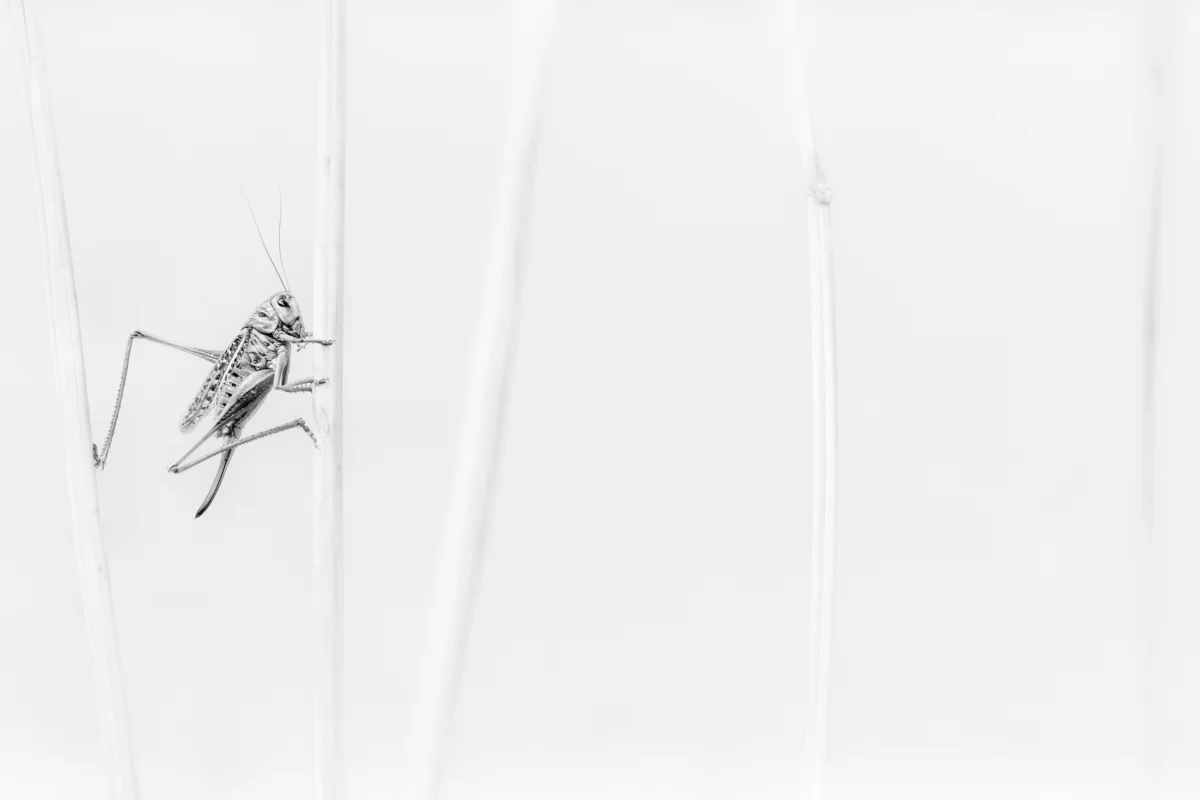
Nature photographer Elisa Confortini has cultivated a profound passion for documenting the minute marvels of the natural world, particularly arthropods, through the specialized art of macro photography. What began as a practical choice—arthropods being readily accessible subjects, even in urban environments—evolved into a sophisticated artistic pursuit, driven by a fascination with their complex behaviors and unique characteristics. Confortini’s work transcends mere documentation; it seeks to portray these often-overlooked creatures in a manner that is both captivating and instructive, aiming to reveal their essence and habits to an appreciative audience. Her dedication involves annual quests for familiar subjects and the discovery of new ones, allowing for the long-term observation necessary to capture the subtle behaviors that typically escape casual human attention.

The Macro Lens: A Gateway to the Miniature World
Macro photography, by its very nature, invites viewers into a realm invisible to the naked eye, offering unprecedented detail and perspective. For Confortini, this genre became the ideal medium to explore the fascinating world of insects and other arthropods. These creatures, ranging from the delicate butterfly to the formidable scorpion, have long held a complex position in human culture, inspiring sentiments from admiration and veneration to fear and even revulsion. Across history, their diversity and intricate life cycles have served as inexhaustible muses for artists, scientists, and philosophers alike. From ancient Egyptian scarab beetles symbolizing rebirth to the intricate insect motifs in Art Nouveau, their representation in art consistently mirrors humanity’s evolving relationship with the natural world, a relationship that continues to be a profound source of wonder. In a contemporary context, as biodiversity faces increasing threats, macro photography like Confortini’s plays a crucial role in fostering appreciation and understanding of these vital components of ecosystems, highlighting their beauty and complexity.
The Enduring Allure of Black and White
In an era saturated with vibrant digital imagery and accessible color manipulation tools, black and white photography stands as a testament to timeless aesthetic principles. It remains a powerful and enduring medium, chosen today not out of technological limitation but as a deliberate artistic and stylistic expression. Confortini’s decision to frequently employ monochrome in her macro work underscores this deliberate choice, leveraging its unique capabilities to evoke emotion and convey meaning.

The rationale behind opting for black and white is multifaceted and deeply rooted in photographic theory. Firstly, color, while often appealing, can inadvertently distract from the primary subject. In the intricate and sometimes chaotic environments inhabited by arthropods, a riot of greens, browns, and other hues can pull the viewer’s eye away from the creature itself. By stripping away color, black and white photography allows for an undiluted focus on the subject’s form, texture, and contours.
Secondly, the absence of color amplifies other visual elements: textures, contrasts, and shapes. The chitinous exoskeleton of an insect, the delicate venation of a butterfly wing, or the intricate patterns on a beetle’s carapace gain an almost sculptural quality when rendered in monochrome. These details, which might be overshadowed by color in a vibrant image, become paramount, revealing the inherent beauty and complexity of the arthropod’s anatomy. This heightened emphasis on form and contrast also allows for a more direct conveyance of emotion, perhaps evoking drama or mystery that a full-color image might not achieve. The stark interplay of light and shadow, the subtle gradations of gray, can imbue an image with a mood that transcends literal representation.

Furthermore, monochrome photography inherently encourages a greater focus on fundamental compositional elements. Light, shadow, and contrast—the very building blocks of a compelling photograph—become the primary language. Without the crutch of color to differentiate elements, the photographer is compelled to think more critically about how these elements interact to create a balanced, engaging, and impactful image. This process forces both the photographer and the viewer to look beyond the superficial appeal of color and delve into the true essence and structure of the scene.
Lastly, the digital age has paradoxically enhanced the artistic possibilities of black and white. During post-processing, monochrome images offer unparalleled control over tonal nuances, allowing photographers to meticulously adjust light and shadow in ways that would be far more complex or less effective in color. This precise control enables the artist to craft a specific mood, accentuate details, or create a visual narrative with remarkable fidelity.

Mastering the Monochrome Vision: Techniques and Choices
For photographers venturing into black and white, there are generally two distinct approaches. The first is a flexible method: photographing subjects as usual, in color, while maintaining an awareness of scenes or compositions that might also translate effectively into monochrome. This approach allows for versatility, keeping the option of a color rendition open while recognizing potential for a grayscale interpretation.
The second approach involves a more deliberate commitment: deciding to work exclusively in black and white from the outset. In this scenario, setting the camera to monochrome mode can be a highly effective training tool. By immediately visualizing the world in shades of gray, photographers can cultivate a new visual sensitivity, learning to perceive and think in terms of tones, contrasts, and shapes rather than colors. This practice sharpens the eye for light and shadow dynamics, improving the ability to create impactful monochrome images directly in the field. However, this demands a significant cognitive shift, as seeing the vibrant natural world—particularly among colorful grasses, flowers, and insects—reduced to a continuous scale of grays is not intuitive. It requires time and practice to train the brain to translate colors into their corresponding grayscale values. Experimenting by photographing brightly colored subjects and then reviewing their monochrome transformations can be an invaluable exercise in this learning process.

Confortini, however, prefers a hybrid approach, opting to convert images to black and white during post-processing. This method offers several advantages. Firstly, it provides maximum control over tonal nuances and fine details, allowing for precise adjustments that might be difficult to achieve in-camera. Secondly, and crucially for a photographer who doesn’t exclusively shoot monochrome, it offers the flexibility to calmly assess which images truly benefit from color and which are profoundly enhanced by the black and white treatment. Some images, Confortini notes, immediately present themselves as monochrome visions, while others require careful conversion and extensive work before their full grayscale potential becomes evident.
Strategic Applications: When Black and White Excels in Macro
The utility of monochrome extends beyond mere aesthetic preference; it serves as a strategic tool in specific photographic situations, particularly within the demanding realm of macro photography. Confortini identifies several key scenarios where black and white significantly elevates the final image:

- Reducing Distraction and Emphasizing the Subject: Arthropod environments are often visually chaotic. By eliminating color, black and white effectively reduces clutter and allows the viewer’s eye to focus exclusively on the subject. This chromatic isolation helps to emphasize the intricate details and unique form of the arthropod, making it stand out against its often busy backdrop.
- Harnessing Harsh Light and Shadow: Conditions with strong, harsh light and deep shadows can be challenging for color photography, often leading to blown-out highlights or impenetrable shadows. Monochrome, however, thrives in such conditions. It accentuates the dramatic interplay of light and shadow, allowing for more effective use of negative space and creating powerful, graphic compositions.
- Transforming Noise into Atmosphere: High-ISO images, often necessary in low-light macro situations, can suffer from significant chromatic noise. Instead of trying to eliminate this noise, which can degrade image quality, monochrome can ingeniously convert it into an atmospheric element, akin to film grain, adding character and mood to the photograph.
- Correcting Unwanted Color Casts: Environmental factors, such as the color of water in certain ponds or unusual lighting conditions, can introduce distracting color casts that are difficult to correct satisfactorily in a color image. Black and white offers a clean slate, removing these unwanted hues and allowing the underlying composition and subject to shine.
- Enhancing Experimental Techniques: When employing creative techniques like double exposures or intentional camera movement (ICM), color can sometimes appear unnatural or distracting, detracting from the abstract or impressionistic quality of the image. Monochrome, in these instances, can unify the composition, allowing the focus to remain on the interplay of shapes, lines, and motion.
It might be tempting to view monochrome as a "rescue" tool for technically imperfect images, but Confortini’s experience suggests the opposite. She asserts that only a select few images—those already possessing inherent strength, graphic clarity, or expressive potential beyond their colors—are ultimately converted. This discernment ensures that the monochrome treatment genuinely enhances, rather than merely masks, the image’s qualities.
Minimalism and Abstraction: Redefining Arthropod Art
In macro photography, black and white is an exceptional medium for exploring minimalism. By deliberately reducing clutter, complexity, and visual distractions, it compels the photographer to focus on simple, yet powerful, compositions. The silhouette of an arthropod, for instance, becomes an almost intuitive use of black and white, where the creature’s distinct outline against a contrasting background creates a striking and memorable image. However, the possibilities extend far beyond mere silhouettes.

Monochrome excels at exploring shapes and forms to create compelling compositions. Geometric forms within an arthropod’s structure or its environment can offer a sense of order and structure, while irregular shapes introduce dynamism and unpredictability. Without the interference of color, the subtle differences in light and shadow become more pronounced, allowing contrasts to emerge with exceptional clarity and defining the subject’s contours.
Composition, even in the extreme close-up world of macro photography, remains a paramount key to creativity. Confortini emphasizes that the subject does not always need to fill the frame. In close-up work, abstraction emerges as a powerful tool. By focusing on fragments, patterns, or textures, monochrome can transform a literal depiction into an evocative, almost painterly, abstract piece.

The creative use of a limited depth of field further enhances this artistic potential. By isolating a single sharp element—perhaps an intricate eye or a textured leg—everything else dissolves into an elegant blur. This selective focus guides the viewer’s eye precisely where the artist intends, offering unexpected perspectives and drawing attention to the often-overlooked details that define the arthropod’s character.
Finally, the artistic application of grain can profoundly influence the emotional response evoked by a black and white image. In macro photography, grain can enhance the atmosphere and mood, particularly when the environment and overall feeling take precedence over razor-sharp detail. While grain can result from underexposure or high ISO settings, Confortini prefers to maintain clean images during capture and carefully introduce and experiment with grain intensity during post-editing, ensuring it serves an intentional artistic purpose rather than being a technical artifact.

Beyond Color: A Deeper Connection to Nature
Ultimately, Confortini’s journey into black and white macro photography highlights that this is a sophisticated creative choice, often emerging later in a photographer’s development, once a personal visual language has already begun to take shape. While black and white photography is sometimes suggested as a useful learning tool for beginners, its application in macro work, as demonstrated by Confortini, is a deliberate exploration of deeper artistic interpretation.
For her, color, in certain situations, can impose limitations, distracting from the very atmosphere, emotion, and sensations experienced during the act of photographing. While vibrant, detailed close-ups of insects undoubtedly hold their own appeal, the monochrome approach offers an alternative pathway to express their beauty, allowing for a more interpretive portrayal of their environment, behavior, or intrinsic character.

This personal creative choice ultimately serves to reveal a small yet immense universe—a world of arthropods that is rich, often unfamiliar, endlessly fascinating, and sometimes unsettling. Seen through the lens of black and white, this miniature world is presented from a fresh, profound perspective, inviting viewers to engage with nature in a new and deeply contemplative way. Confortini’s work underscores the timeless power of photography to not just capture what is seen, but to articulate what is felt, fostering a deeper connection to the intricate tapestry of life that surrounds us.
