
The Toucan Rescue Ranch, situated in the lush highlands of Heredia, Costa Rica, has emerged as a global leader in the specialized field of wildlife medicine and rehabilitation, providing a critical lifeline for the nation’s extraordinary biodiversity. As human encroachment, climate change, and infrastructure development continue to pose significant threats to tropical fauna, the facility has transitioned from a modest rescue center into a sophisticated veterinary hospital and sanctuary. The organization’s multi-disciplinary approach integrates advanced medical diagnostics, specialized surgical interventions, and long-term behavioral rehabilitation to ensure that injured, orphaned, and displaced animals have the best possible chance of returning to the wild. This commitment to clinical excellence is not merely a matter of animal welfare but a vital component of Costa Rica’s broader strategy to preserve its natural heritage, which accounts for approximately 6% of the world’s known biodiversity.
The Clinical Foundation of Wildlife Rescue
The core of the Toucan Rescue Ranch (TRR) mission is its state-of-the-art veterinary clinic, designed specifically to meet the unique physiological needs of avian and exotic species. Unlike domestic veterinary medicine, which focuses on a narrow range of species, the practitioners at TRR must be experts in a vast array of biological systems, ranging from the delicate respiratory tracts of toucans to the slow metabolism of two-toed and three-toed sloths. The facility is equipped with modern diagnostic tools, including digital radiography, ultrasonography, and on-site hematology labs. These tools allow the medical team to move beyond symptomatic treatment to evidence-based medicine, identifying internal fractures, parasitic loads, and systemic infections that might otherwise go undetected in wild patients that instinctively mask signs of illness or injury.
Every animal admitted to the ranch undergoes a rigorous comprehensive health assessment. This protocol is the first stage of a structured medical timeline. Upon arrival, a patient is stabilized—often receiving fluid therapy and pain management—before undergoing a physical examination that assesses body condition, neurological function, and physical trauma. For species like the oncilla, a small and endangered wild cat found in Costa Rica, these assessments are critical. Oncillas often arrive as victims of the illegal pet trade or vehicle strikes, requiring a combination of orthopedic surgery and psychological stabilization. By establishing a baseline of health through blood work and imaging, the veterinary team can tailor treatment plans that address the immediate crisis while accounting for the long-term nutritional and environmental needs of the individual.
Specialized Surgical Interventions and Innovative Care
The complexity of wildlife medicine at TRR is perhaps most visible in its surgical suite. The organization has gained international recognition for its work with avian species, particularly in beak reconstruction and fracture repair. Toucans, the ranch’s namesake, are frequent patients due to territorial disputes or human-inflicted injuries. Because a toucan’s beak is essential for thermoregulation and feeding, prosthetic interventions and advanced grafting techniques are sometimes employed to restore functionality.
Beyond avian care, the clinic manages diverse cases such as shell repair for injured turtles. When turtles suffer fractures due to boat strikes or predator attacks, the veterinary team utilizes specialized resins and stabilization hardware to bridge the gaps in the carapace, allowing the bone to knit over several months. These procedures require a deep understanding of reptilian anesthesia and wound healing, which differs significantly from mammalian processes. The integration of specialized technology ensures that even the most complex injuries, which would have been fatal a decade ago, are now treatable, reflecting a significant shift in the capabilities of tropical wildlife medicine.
The Rehabilitation Continuum: From Clinic to Canopy
Medical success at the Toucan Rescue Ranch is not defined by the closing of a surgical wound but by the successful reintegration of the animal into its natural habitat. The rehabilitation phase is a meticulously managed process that simulates the wild environment to prevent habituation to humans. After the acute medical phase, animals are moved to outdoor recovery enclosures. These spaces are designed with species-specific enrichment, including natural foliage, varied perching heights, and "wild-food" challenges that encourage natural foraging behaviors.
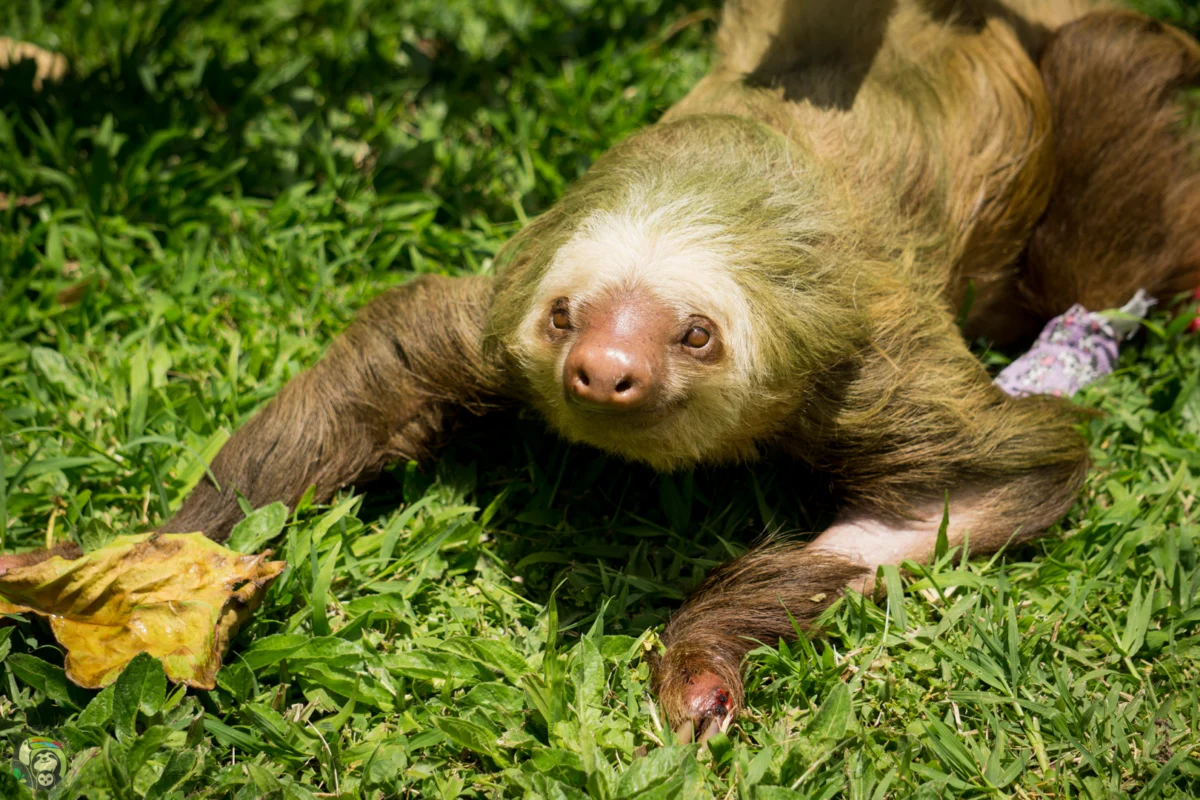
For sloths, one of the most iconic residents of the ranch, the rehabilitation process is particularly intensive. Many sloths arrive as orphans after their mothers are killed by power lines or dogs. These infants require a "sloth preschool" environment where they learn to climb, identify edible leaves, and develop the muscle tone necessary for survival in the canopy. The ranch employs a "soft release" strategy, where animals are monitored in a semi-wild environment before being fully released. This transition is supported by data-driven monitoring; in many cases, released animals are fitted with tracking devices to provide researchers with vital information on post-release survival rates and movement patterns.
Preventative Protocols and Nutritional Science
Maintaining the health of a sanctuary population requires a proactive approach to preventative medicine. TRR implements strict biosecurity measures to prevent the spread of zoonotic diseases—illnesses that can jump between animals and humans. Regular health checks, deworming protocols, and vaccinations are standard for permanent residents and those in long-term care. This preventative framework is essential not only for the welfare of the animals but for the protection of the wild populations they will eventually join. Introducing a domestic pathogen into a pristine rainforest could have catastrophic ecological consequences.
Complementing the medical and preventative care is a sophisticated nutritional program. Nutrition is often the "hidden medicine" of wildlife rehabilitation. The ranch employs specialists to formulate diets that replicate the complex nutritional profiles of the wild. For example, the diet of a rescued emerald toucanet must balance specific iron levels to prevent hemochromatosis (iron storage disease), a common ailment in captive soft-billed birds. By providing species-specific, nutrient-dense diets, the ranch accelerates the healing process, improves immune function, and ensures that growing orphans develop the bone density and plumage quality required for life in the wild.
Educational Outreach and Global Knowledge Sharing
The Toucan Rescue Ranch recognizes that medical intervention is a reactive solution to a proactive problem. To address the root causes of wildlife displacement, the organization has invested heavily in education and professional training. TRR serves as a training ground for veterinary students, biologists, and conservationists from around the world. Through internships and residency programs, the ranch disseminates the specialized knowledge its team has acquired, creating a global network of practitioners skilled in tropical wildlife medicine.
Furthermore, the ranch’s educational programs for the local community and international visitors focus on the "why" behind the rescues. By sharing the stories of residents—such as sloths injured by uninsulated power lines or parrots rescued from the pet trade—the organization fosters a culture of conservation. This advocacy has tangible policy implications. Data collected by TRR and similar organizations in Costa Rica have been used to lobby for "wildlife-friendly" infrastructure, such as bridges for arboreal mammals and the insulation of electrical transformers, which are leading causes of sloth and monkey mortality in the Central Valley.
Environmental Context and Broader Implications
The work of the Toucan Rescue Ranch must be viewed through the lens of Costa Rica’s evolving environmental landscape. While the country is a global leader in reforestation and green energy, the rapid urbanization of areas like San José and Heredia has created "biological islands." As habitats are fragmented by highways and residential developments, wildlife is forced into closer contact with humans, leading to a spike in conflict-related injuries.
The ranch’s role as a "wildlife hospital" is a necessary response to this urbanization. Statistics from the Ministry of Environment and Energy (MINAE) indicate that thousands of animals are rescued annually across the country, but only a fraction receive the level of specialized care available at TRR. The success of the ranch provides a blueprint for other tropical nations looking to balance economic development with the preservation of natural capital. By proving that high-success-rate rehabilitation is possible, TRR challenges the notion that injured wildlife is a "lost cause," instead positioning every rescued individual as a valuable contributor to the gene pool of their species.
A Collaborative Future for Wildlife Conservation
The future of wildlife medicine at Toucan Rescue Ranch is one of expansion and technological integration. Plans for enhanced diagnostic suites and larger flight enclosures for raptors and larger birds are underway. However, the organization emphasizes that its work is a collaborative effort. The ranch operates in close coordination with the National System of Conservation Areas (SINAC) and relies on a global community of donors and volunteers to sustain its operations.
In conclusion, the Toucan Rescue Ranch represents the pinnacle of modern wildlife rehabilitation. Its holistic approach—combining cutting-edge surgery, rigorous rehabilitation, nutritional science, and public education—addresses the immediate needs of Costa Rica’s fauna while tackling the systemic threats to their survival. As the ranch continues to refine its medical protocols and share its expertise, it ensures that the vibrant "Pura Vida" spirit of Costa Rica’s wildlife remains a reality for generations to come. The facility stands as a testament to the idea that with the right combination of compassion and science, even the most vulnerable members of the natural world can be given a second chance at life in the wild.
