
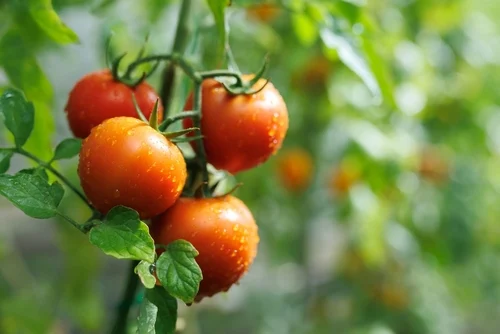
The practice of supplementally feeding backyard poultry with garden produce has become a cornerstone of modern homesteading, yet it requires a nuanced understanding of plant biology and avian physiology to ensure flock safety. Among the most debated garden staples is the tomato (Solanum lycopersicum), a member of the Solanaceae or nightshade family. While ripe tomatoes offer a concentrated source of essential vitamins and antioxidants, the plant itself contains potent glycoalkaloids—specifically solanine and tomatine—that can be hazardous or even fatal to chickens if ingested in improper forms or quantities. For poultry keepers, the distinction between a healthy treat and a toxic hazard lies in the ripeness of the fruit and the exclusion of the plant’s vegetative structures.
The Chemical Composition of the Nightshade Family
To understand the risks associated with tomatoes, one must examine the chemical defenses inherent to the Solanaceae family, which includes potatoes, peppers, and eggplants. These plants produce glycoalkaloids as a natural evolutionary defense against pests, fungi, and herbivores. The two primary toxins of concern in the tomato plant are solanine and tomatine. Solanine is a bitter-tasting steroidal alkaloid that acts as a cholinesterase inhibitor. When ingested, it disrupts the nervous system by preventing the breakdown of acetylcholine, leading to a range of neurological and digestive symptoms.

Tomatine, while similar in structure, is specifically found in tomato plants. It is most concentrated in the stems, leaves, and green, unripe fruit. As a tomato ripens, the plant undergoes a metabolic shift; the concentration of tomatine decreases significantly, eventually reaching levels that are generally considered safe for consumption by healthy adult animals. However, the presence of these toxins in the green parts of the plant remains a constant threat throughout the growing season, necessitating strict management of poultry access to garden beds.
Identifying the Stages of Toxicity and Toxin Degradation
The toxicity of the tomato plant is not static; it fluctuates based on the lifecycle of the fruit. Understanding this chronology is vital for flock management. In the early stages of growth, the entire plant—from the seedling to the developing green fruit—is saturated with glycoalkaloids. During this phase, the plant is at its most dangerous. If a chicken were to forage on the leaves or consume a fallen green tomato, the concentrated solanine could quickly overwhelm its system.
As the fruit enters the ripening stage, chlorophyll breaks down and is replaced by carotenoids such as lycopene. Simultaneously, the enzymatic breakdown of tomatine occurs. By the time a tomato reaches a deep red or vibrant yellow hue (depending on the variety), the toxin levels have plummeted. It is only at this "table-ripe" stage that the fruit becomes a viable treat for poultry. Despite this reduction, the stems and leaves never lose their toxicity. Even a withered, brown tomato vine at the end of the season contains enough residual solanine to pose a risk to curious birds.

Clinical Symptoms of Solanine and Tomatine Poisoning
When a chicken consumes toxic portions of a nightshade plant, the onset of symptoms can be rapid or gradual depending on the volume ingested. Veterinary experts categorize the symptoms into two primary groups: neurological and gastrointestinal.
Solanine poisoning typically manifests through neurological distress. Observations in affected birds often include a significantly slowed heart rate (bradycardia) and a drop in body temperature. In more severe cases, the bird may exhibit lethargy, paralysis, or a lack of coordination known as ataxia. Gastrointestinal distress is also common, characterized by severe diarrhea, abdominal pain, and occasionally vomiting, though the latter is less common in avian species than in mammals.
Tomatine poisoning, while often less lethal than solanine in small doses, primarily targets the digestive tract. Owners may notice their chickens experiencing nausea—often signaled by beak wiping or head shaking—alongside abdominal cramps and watery droppings. For young chicks or elderly birds with compromised immune systems, these symptoms can lead to rapid dehydration and secondary infections, making the ingestion of even small amounts of green tomato material a critical medical emergency.

Nutritional Profile and Health Benefits of Ripe Tomatoes
When managed correctly, ripe tomatoes can serve as a potent nutritional supplement for a laying flock. They are a rich source of Vitamin A, which is essential for respiratory health and the maintenance of epithelial tissues. Furthermore, the high Vitamin C content supports the immune system, particularly during periods of heat stress or molting.
One of the most significant benefits of tomatoes is their high concentration of antioxidants, including lycopene and various carotenoids. These compounds help neutralize free radicals in the bird’s body, potentially reducing inflammation and supporting long-term organ health. Tomatoes also provide potassium and Vitamin K, which are vital for bone density and proper blood clotting. For the poultry keeper, an added benefit of feeding ripe tomatoes is the impact on egg quality; the pigments in the fruit can contribute to a deeper, more vibrant orange yolk, which is often a hallmark of a healthy, pasture-raised diet.
The 10 Percent Rule and Dietary Management
Despite the nutritional advantages, tomatoes should never constitute the primary portion of a chicken’s diet. The poultry industry and avian nutritionists generally adhere to the "10 Percent Rule," which dictates that treats and kitchen scraps should not exceed 10 percent of a bird’s total daily caloric intake. For an average adult chicken, this equates to approximately one to two tablespoons of supplemental food per day.

The primary reason for this restriction is the need for nutritional balance. Commercial poultry feeds are scientifically formulated to provide the exact ratio of protein, calcium, and minerals required for egg production and feather growth. Over-feeding tomatoes, which are high in water and sugar but low in protein and calcium, can lead to nutritional deficiencies. Furthermore, the acidic nature of tomatoes can disrupt the pH balance of the chicken’s crop and gizzard if fed in excess, potentially leading to digestive upsets or a condition known as "sour crop."
Vulnerable Populations: Chicks and Compromised Birds
A critical distinction in poultry management is the age and health status of the bird. Professional guidelines strongly advise against feeding any part of the tomato plant, including ripe fruit, to baby chicks. The digestive systems of chicks are highly sensitive and still developing; their smaller body mass means that even trace amounts of glycoalkaloids can be fatal. Moreover, chicks require a very high protein-to-energy ratio for rapid growth, and filling their crops with watery vegetables can lead to "starve-out" or stunted development.
Similarly, elderly hens or birds recovering from illness should be kept away from nightshades. These individuals have less physiological resilience to process toxins. For a healthy adult bird, a small amount of solanine might cause mild lethargy, but for a compromised bird, it could result in systemic organ failure.

Broader Impact on Backyard Poultry Trends and Safety
The rise in backyard chicken keeping has led to an increase in "garden-to-coop" feeding practices. While this promotes sustainability and reduces food waste, it has also led to an uptick in accidental poisonings. The trend toward allowing chickens to "free-range" in vegetable gardens is particularly risky during the summer months when tomato plants are at their peak.
Analysis of poultry health data suggests that the most effective way to prevent nightshade toxicity is through physical barriers. Fencing off garden plots or using raised beds that are inaccessible to the flock ensures that birds do not have the opportunity to sample toxic leaves or unripe fallen fruit. Additionally, the practice of "toss-feeding" kitchen scraps should be done with caution; keepers must ensure that no green "shoulders" of the tomato or attached vine pieces are included in the scrap bucket.
Conclusion and Best Practices for Poultry Keepers
The relationship between chickens and tomatoes is one of managed risk. As an occasional treat, a fully ripe, red tomato provides a refreshing burst of hydration and vitamins that can enhance a flock’s well-being. However, the inherent toxicity of the Solanaceae family cannot be ignored.

To maintain a healthy flock, keepers should observe the following protocol:
- Verify Ripeness: Only feed tomatoes that are soft and fully colored. Avoid any fruit with green patches or "sunscald" that may indicate high alkaloid levels.
- Remove All Greenery: Ensure that no stems, leaves, or vines are attached to the fruit before feeding.
- Practice Moderation: Adhere to the 10 percent treat limit to avoid diluting the bird’s essential nutrient intake.
- Exclude Vulnerable Birds: Keep chicks and sickly birds on a strict diet of starter or layer crumbles, avoiding treats entirely until they are robust and healthy.
- Secure the Garden: Implement fencing to prevent chickens from foraging on live tomato plants, where they are most likely to ingest toxic materials.
By treating the tomato plant with the respect its chemical makeup demands, poultry owners can safely integrate this garden favorite into their flock’s seasonal diet, reaping the nutritional rewards while eliminating the threat of nightshade poisoning.
