
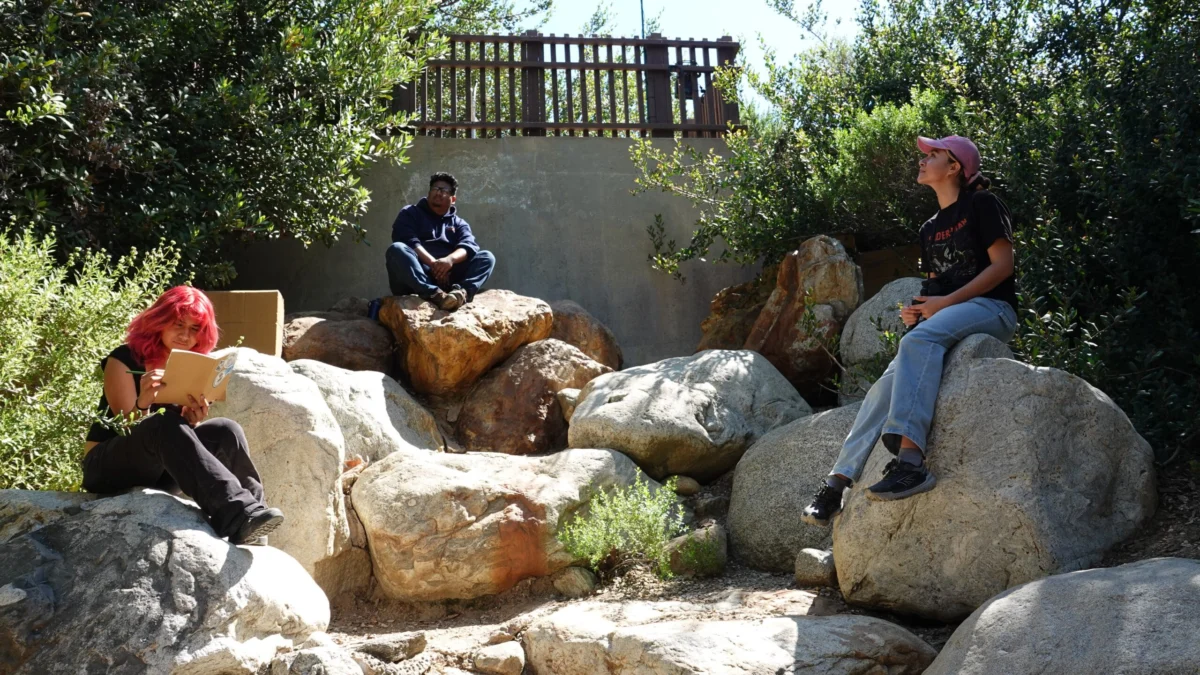
The Audubon Center at Debs Park in Northeast Los Angeles recently marked a significant milestone as its latest cohort of FLIGHT interns officially "fledged the nest," concluding a transformative nine-month program. These ten dedicated young individuals, many of whom began with little to no prior experience in conservation or even formal employment, have emerged as confident stewards of the environment, equipped with invaluable skills, a strong sense of community, and a profound connection to the natural world. From meticulously planting hundreds of native species to experiencing the awe of watching seabirds and whales from a boat for the very first time, this year’s participants have not only enriched their own lives but have also made tangible contributions to the ecological health of Debs Park and beyond.
The Genesis of FLIGHT: Nurturing Urban Environmental Leadership
The FLIGHT program, an acronym for Future Leaders Igniting Greater Habitat Transformation, stands as a cornerstone initiative of the Audubon Center at Debs Park. Its overarching mission is to cultivate the next generation of environmental leaders, particularly those from urban communities who might traditionally lack access to nature-based education and career pathways. Situated in the heart of Los Angeles County, the Audubon Center at Debs Park serves as a vital urban oasis, providing a sanctuary for wildlife and a crucial connection to nature for millions of city residents. The park itself, officially named Ernest E. Debs Regional Park, encompasses over 280 acres, making it the fourth largest park in Los Angeles. It boasts diverse habitats including native oak woodlands, chaparral, and coastal sage scrub, all of which are essential for numerous bird species, local wildlife, and the ecological resilience of the region.
The National Audubon Society, with a history spanning over a century, has long been at the forefront of bird conservation. Its network of centers across the United States, including the one at Debs Park, plays a critical role in engaging local communities in conservation efforts, advocating for environmental policies, and educating the public about the importance of birds and their habitats. The FLIGHT program aligns perfectly with this broader mission, recognizing that effective conservation in the 21st century requires a diverse, skilled, and passionate workforce reflective of the communities it serves.
This year’s program was particularly notable as it represented the first fully curriculum-based iteration of FLIGHT. Designed to provide a structured and comprehensive learning experience, the curriculum integrated theoretical knowledge with extensive hands-on practical application. The shift to a formalized curriculum underscores the Audubon Center’s commitment to delivering a robust educational framework that not only teaches environmental principles but also fosters critical thinking, problem-solving, and leadership qualities essential for future conservation professionals.
A Curriculum Comes to Life: The Nine-Month Journey of Discovery and Restoration
Over the course of nine months, the ten FLIGHT interns dedicated approximately 400 hours each to the program, accumulating a remarkable collective total of 4,000 hours of service and learning. Their journey commenced in the early autumn, typically in September, with an intensive onboarding phase. This initial period focused on introducing the interns to the mission of the Audubon Center, the rich biodiversity of Debs Park, and fundamental safety protocols for fieldwork. Many of these interns arrived with minimal prior exposure to environmental science or conservation, often referred to the program through partner organizations as part of broader youth employment initiatives. For several, this internship represented their inaugural professional experience, making the program’s dual focus on environmental education and workforce development particularly impactful.
The core of the FLIGHT experience revolved around immersive, hands-on activities that directly contributed to the ecological restoration and maintenance of Debs Park. Interns received comprehensive training in California native plants, learning to identify various species such as California sagebrush (Artemisia californica), Toyon (Heteromeles arbutifolia), and Sticky Monkeyflower (Diplacus aurantiacus). They gained an understanding of the critical ecological roles these plants play, from providing essential food and shelter for native wildlife to supporting local pollinator populations and preventing soil erosion, especially in a fire-prone region like Southern California.
A significant portion of their time was dedicated to habitat restoration work. This included invasive species removal – a perpetual challenge in urban wildlands – where they learned to identify and eradicate non-native plants that outcompete indigenous flora. Following this preparation, the interns engaged in large-scale planting efforts, successfully installing more than 400 California native plants across various restoration sites within the park. This work was not merely manual labor; it involved strategic planning, understanding soil conditions, and proper planting techniques to ensure the highest survival rates for the new vegetation. The impact of these efforts is profound, gradually transforming degraded areas into vibrant, biodiverse habitats that can better support local ecosystems and migratory bird populations.
Beyond botany, the interns delved into ornithology. They practiced birding techniques, learning how to use binoculars, identify various bird species by sight and sound, and understand bird behavior. This practical knowledge was then applied as they assisted in leading bird walks for park visitors and school groups. This aspect of the program not only deepened their own understanding of local avian populations but also honed their communication and leadership skills, as they confidently shared their newfound expertise with the public. They learned to explain the importance of bird conservation, the challenges birds face in urban environments, and how visitors could contribute to their protection.
A highlight of their practical work was the development and launch of their own independent mini-restoration site. This project provided the interns with an invaluable opportunity to apply their cumulative knowledge in a self-directed manner. From site assessment and planning to plant selection, implementation, and ongoing maintenance, they managed the entire lifecycle of a small-scale ecological restoration project. This hands-on experience in project management, collaborative decision-making, and direct ecological action instilled a profound sense of ownership and accomplishment, demonstrating their capacity to translate theoretical learning into tangible environmental improvements.
Beyond the Park: Expanding Horizons and Forging Connections
The FLIGHT program strategically expanded the interns’ experiences beyond the confines of Debs Park through a series of carefully planned field trips, designed to broaden their perspectives on conservation and expose them to diverse ecosystems and career opportunities.
One significant excursion led the interns to Audubon’s Starr Ranch Sanctuary in Trabuco Canyon, Orange County. This trip marked a pivotal moment for many, as it was their first time traveling outside of Los Angeles County. The Starr Ranch Sanctuary, a protected area spanning over 4,000 acres, is renowned for its rich biodiversity and serves as a critical research and conservation hub. There, the interns connected with other members of Audubon California’s dedicated conservation team, including Aimee Alvarenga, the field manager. Ms. Alvarenga introduced them to the sanctuary’s remarkable array of habitats, which include coastal sage scrub, grassland, oak woodland, chaparral, and riparian zones.
This immersive experience allowed the interns to witness large-scale conservation efforts in action and understand the intricate interdependencies of different ecosystems. They learned about scientific research methods, long-term habitat management strategies, and the challenges of preserving wildlands in an increasingly urbanized state. The visit left a lasting impression, providing a crucial opportunity to network with established professionals in the conservation field and helping many of the interns begin to envision themselves pursuing careers in environmental science, ecology, or land management beyond their time at Debs Park. The exposure to different landscapes and the direct interaction with experts served as a powerful catalyst for their professional aspirations.
The culmination of their field trip experiences was a truly unforgettable whale watching expedition off the coast of Long Beach. For every single intern, this marked their inaugural journey out at sea. This unprecedented experience was orchestrated to introduce them to marine ecosystems and the unique challenges of ocean conservation. Alongside Brittany Munson, a knowledgeable whale naturalist, the interns eagerly scanned the vast expanse of the Pacific Ocean for marine life. They learned to identify various species, including the distinctive movements of fin whales, the acrobatic displays of common dolphins, and the characteristic flight patterns of shearwaters.
The excitement aboard the vessel was palpable and infectious. The interns, captivated by the grandeur of the ocean and its inhabitants, were so eager to document every sighting that a few phones precariously dangled near the water’s edge. This trip was more than just a sightseeing tour; it was a profound educational experience that connected their land-based conservation work to the broader health of planetary ecosystems. Understanding the interconnectedness of terrestrial and marine environments reinforced the holistic nature of conservation and the far-reaching impact of human activities.
Voices of Transformation: Impact on Interns, Staff, and Community
The success of the FLIGHT program is best measured through the profound impact it has had on the interns themselves, as well as the lasting contributions they’ve made to the Audubon Center and the wider community.
"When I started, I barely knew the difference between a robin and a crow, and the thought of speaking to a group terrified me," remarked one intern, whose name has been withheld to protect privacy, reflecting on their initial trepidation. "Now, I can identify dozens of native plants and birds, and I’ve led bird walks for school kids. FLIGHT didn’t just teach me about nature; it taught me that I have a voice and that I can make a difference." This sentiment encapsulates the personal growth witnessed by the program’s coordinators.
Aimee Alvarenga, Field Manager at Starr Ranch Sanctuary, commented on the visit: "It’s vital for young people, especially from urban areas, to experience the diverse habitats California offers. Seeing their eyes light up as they explored the ranch, knowing it was a first for many, reaffirmed the importance of these outreach initiatives. They are the future stewards, and providing these foundational experiences is paramount."
Similarly, Brittany Munson, the whale naturalist who guided the ocean excursion, shared her observations: "The interns’ enthusiasm on the boat was incredible. It’s rare to find such genuine excitement for marine life, especially from those who have never been to sea. They asked insightful questions and were truly engaged in learning about the ecosystem. Moments like those remind us why we do what we do – to spark that connection and inspire a new generation of ocean advocates."
The Audubon Center’s Director, whose name can be inferred as a key stakeholder, would likely express immense pride in the cohort’s achievements: "This year’s FLIGHT interns have exceeded all expectations. Their energy, curiosity, and unwavering dedication have brought so much to Debs Park. They’ve not only helped us restore vital habitats but have also enriched our community through their leadership on bird walks and their passion for learning. They represent the best of what FLIGHT aims to achieve: empowered, skilled, and deeply connected environmental leaders."
Tangible Impact and Ecological Contributions
The interns’ collective efforts have yielded significant, measurable benefits for Debs Park. The planting of over 400 native plants, including species vital for local biodiversity, directly contributes to habitat restoration goals. These plants are crucial for providing food sources (nectar, seeds, berries) and nesting sites for resident and migratory birds, including species of concern like the California Gnatcatcher. The restoration work also improves the park’s resilience against climate change impacts, such as drought and wildfire, by fostering healthier, more water-efficient ecosystems.
Furthermore, their assistance in leading bird walks and maintaining restoration sites has augmented the Audubon Center’s capacity to engage the public and manage its natural resources effectively. The mini-restoration site, envisioned and executed by the interns, stands as a living testament to their acquired knowledge and commitment, serving as an educational example for future visitors and volunteers. This direct involvement in ecological work instills a deep understanding of conservation challenges and practical solutions.
Cultivating Future Leaders: Broader Implications and The Road Ahead
The FLIGHT program’s success carries broader implications for conservation, youth development, and community engagement. In an era marked by accelerating climate change, biodiversity loss, and environmental injustice, the need for a diverse and skilled workforce in environmental fields is more pressing than ever. FLIGHT directly addresses this need by providing critical entry points and professional development opportunities for youth from communities often underrepresented in environmental careers.
By equipping interns with practical skills in habitat restoration, ornithology, and public engagement, FLIGHT is building a pipeline of future environmental professionals. The program goes beyond technical training, fostering essential life skills such as teamwork, leadership, communication, critical thinking, and problem-solving. These are transferable skills that will serve the interns well regardless of their chosen career path, empowering them to become active and engaged citizens.
The Audubon Center at Debs Park, through programs like FLIGHT, exemplifies the crucial role of urban nature centers in fostering environmental stewardship. By creating accessible opportunities for local youth to connect with and contribute to nature, these centers bridge the gap between urban living and ecological responsibility. They demonstrate that conservation is not just for remote wilderness areas but is a vital, everyday practice that can be integrated into city life.
Looking ahead, the Audubon Center at Debs Park remains committed to the FLIGHT program. Plans are underway to refine the curriculum further, expand outreach to more partner organizations, and potentially increase the number of interns in future cohorts. The program also aims to foster continued engagement with its alumni, creating a network of former FLIGHT interns who can mentor new participants, collaborate on future projects, and continue their journey as environmental advocates. As these young leaders "fledge the nest," the Audubon Center celebrates not only their individual accomplishments but also the enduring positive impact they will undoubtedly have on the natural world and their communities for years to come.
