
Rowe Sanctuary, renowned globally for the majestic spring migration of Sandhill Cranes that draws hundreds of thousands of visitors to the Platte River, harbors a vibrant and largely unseen world that thrives long after the last daylight programs conclude. While the dawn-to-dusk human access hours create a perception of quietude, the 3,000 acres of wetlands, prairies, and wooded corridors along the central Platte River are alive with a complex tapestry of nocturnal wildlife. This hidden ecosystem, bustling with activity, is now being systematically documented and understood through the strategic deployment of advanced monitoring technologies, offering unprecedented insights into the sanctuary’s biodiversity and ecological health.
Beyond Daylight Hours: The Unseen Ecosystem of Rowe Sanctuary
For many, the allure of Rowe Sanctuary lies in the spectacle of over half a million Sandhill Cranes congregating on the Platte River’s shallow braided channels each spring. Birdwatchers eagerly seek out species like the Rose-breasted Grosbeak, Northern Flicker, and Belted Kingfisher during the day, making a visit memorable. However, these daytime observations represent only a fraction of the life sustained by this critical habitat. The sanctuary’s landscape, encompassing crucial riparian zones, wet meadows, and upland prairies, functions as a dynamic habitat 24 hours a day, 365 days a year.
As the sun dips below the horizon and human visitors depart, a different shift begins. Deer, which travel, feed, and rest across the sanctuary, adhere to their own ancient timetables. North American river otters, playful and elusive, often engage in their social antics and foraging at hours when most humans are asleep, demonstrating a disregard for conventional operating schedules. This nocturnal realm, rich in activity and ecological interactions, has historically remained largely a mystery, with only fleeting glimpses or indirect evidence hinting at its complexity.
During the peak crane migration season, the Platte River itself becomes a central stage for nocturnal drama. The constant calls of cranes echo across the darkness, a sonic backdrop that carries for miles, a testament to the sheer numbers of birds roosting on the river’s sandbars. While the sanctuary’s "Crane Cam" provides a glimpse of this phenomenon to a global audience, it captures only a fragment of the movements and sounds that permeate the night. The river pulses with life, a continuous flow of sound and motion until the first rays of dawn reclaim the sandbars.
The Sanctuary’s Post-Migration Rhythm: Wildlife Reclaims its Space
Once the Sandhill Cranes complete their northward journey, the intense flow of human visitors to Rowe Sanctuary gradually subsides. This period marks a return to a more familiar rhythm for the sanctuary’s resident wildlife. Species that maintained a respectful distance during the busiest weeks of the year, likely due to increased human presence and activity, begin to filter back into areas closer to trails, buildings, and river access points. This ebb and flow of human and animal activity highlights the delicate balance between public engagement and wildlife protection.
Direct observation of many nocturnal animals is inherently challenging due to their elusive nature and sensory adaptations to darkness. However, the diligent eyes of sanctuary staff and volunteers can often uncover compelling evidence of their nighttime endeavors. Tracks left in the muddy banks of the river or on the sandy patches along well-worn game trails provide a rich narrative of the previous night’s movements. Footprints from Great Blue Herons, wild turkeys, raccoons, and coyotes offer a tangible record of who passed through and where, inviting closer inspection and deeper understanding.
Among the most frequent nocturnal visitors around the trails, wetlands, and buildings are raccoons and deer. Raccoons, known for their curiosity and remarkable adaptability, are often observed investigating anything that emits an interesting scent or appears out of place, including the very trail cameras set up to monitor them. Opossums also make regular appearances after dark, methodically traversing brush and fallen logs in their search for ticks, insects, and other food sources, playing a vital role in local ecosystems.
Technological Advancements in Wildlife Monitoring
The subtle lingering of human scent and the residual effects of daytime activity can influence how nocturnal wildlife navigate the ecosystem. Species like deer and coyotes, possessing highly sensitive olfactory capabilities, may temporarily avoid areas with recent human disturbance before gradually returning as the perceived threat diminishes. This dynamic underscores the importance of balancing public access and educational initiatives with the paramount need to minimize ecological disruption.
To gain a comprehensive understanding of the sanctuary’s nocturnal inhabitants without imposing significant human presence, Rowe Sanctuary has embraced innovative monitoring technologies. Motion-activated trail cameras and thermal imaging equipment have proven invaluable in documenting wildlife activity, particularly during hours when direct observation is impractical or impossible.
Trail Cameras: Capturing Fleeting Moments
Trail cameras, strategically placed in high-activity locations across wetlands, prairies, and wooded margins, serve as silent sentinels. These devices are designed to capture images or video clips when triggered by movement or heat, providing a continuous, unbiased record of which species are present and when they are most active. Over days or weeks, these cameras document repeated behavioral patterns, including preferred travel routes, feeding activities, and seasonal shifts in movement. They are particularly effective for observing species that are naturally wary of humans during daylight hours, offering a window into their secretive lives. The data gathered from these cameras contributes significantly to the sanctuary’s natural history record, providing quantitative evidence of species presence and behavioral patterns that would otherwise go unrecorded.
Thermal Imaging: Unveiling the Invisible
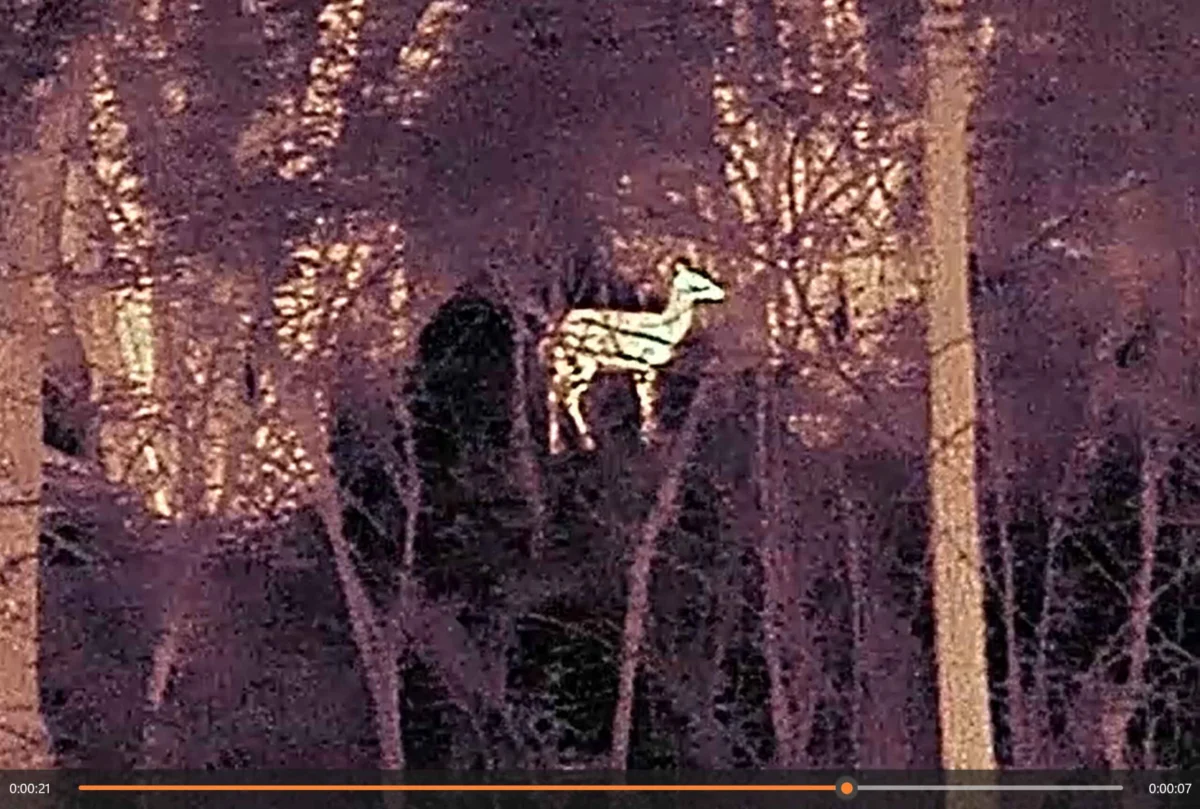
Complementing trail cameras, thermal imaging devices add another critical layer of observation. Unlike traditional cameras that rely on visible light, thermal imagers detect heat signatures, allowing staff and volunteers to locate animals in complete darkness, dense vegetation, or across open river channels without the need for disruptive spotlights. This technology minimizes disturbance to wildlife, enabling more natural observations.
Thermal equipment is particularly effective for detecting movement over long distances, often up to a mile away, and can help differentiate between larger mammals based on body size, posture, and movement patterns. While precise species identification might not always be possible with thermal imaging alone, it is an exceptionally valuable tool for documenting the presence and movement of wildlife during the night, providing crucial data on activity peaks and habitat utilization. The ability to "see" in the dark has revolutionized the study of nocturnal ecology at Rowe Sanctuary, revealing an extent of activity previously only surmised.
Mapping Movement: Understanding Animal Ranges and Habitat Use
Many of the mammals that frequent Rowe Sanctuary exhibit extensive home ranges. North American river otters, for instance, are known to travel between 3 and 15 miles through connected waterways, utilizing vast networks of aquatic habitats. Coyotes, adaptable and widespread predators, patrol territories spanning several miles across prairie and agricultural landscapes, their movements influenced by prey availability and territorial boundaries. While wolves are not currently a regular presence in the central Platte River corridor, in areas where they exist, their territories can encompass dozens or even hundreds of square miles, highlighting the scale of movement for large carnivores.
The consistent data streams from dated trail camera images and thermal observations provide invaluable information about these large-ranging species. They illuminate movement patterns, preferred habitat use, seasonal activity shifts, and the frequency with which wildlife returns to specific areas of the sanctuary. This cumulative data helps researchers understand not just what animals are present, but how they utilize the diverse landscape of the Platte River ecosystem, offering critical insights into their ecological needs.
Responding to Change: Ecological Insights and Management Strategies
The information gleaned from these advanced monitoring techniques extends beyond simple species identification; it forms a critical basis for understanding how wildlife responds to changing environmental conditions and human activities within the sanctuary. Staff and volunteers can analyze activity levels before and after significant events such as large school programs, periods of heavy visitor traffic, prescribed burns designed for habitat management, natural flooding events, or seasonal shifts in habitat availability.
For example, data can reveal whether wildlife activity decreases in an area following a large group visit to the wetland, prompting adjustments to access policies or educational programming. Similarly, observing how animals move through a section of prairie before and after a prescribed burn can inform future fire management strategies to optimize ecological benefits while minimizing disruption. Over time, documenting these patterns helps build a robust understanding of how different species interact with both their environment and human activity, enabling more adaptive and effective conservation management. This empirical approach to conservation is vital for sustaining biodiversity in a changing world.
Individual Stories: Recognizing Familiar Faces and Unraveling Mysteries
Not every animal captured on camera remains an anonymous data point. Some individuals become recognizable figures, offering unique insights into individual animal behavior and longevity. A lanky raccoon, affectionately nicknamed "Stiltz" by sanctuary staff, is often identifiable by a distinctive banding pattern on its tail and its notably long legs. Repeated sightings of Stiltz in different parts of the sanctuary allow researchers to track its movements, understand its preferred foraging areas, and estimate its range. These individual narratives add a rich, personalized layer to the sanctuary’s natural history record, helping to understand how specific animals utilize the property and how far they are willing to travel.
Yet, the cameras also pose intriguing questions, reminding researchers of the mysteries that persist in the natural world. Over several nights, multiple cameras captured images of a large canine moving through a specific area of the sanctuary. Large tracks discovered in nearby muddy and sandy channels appeared consistent with the animal seen on camera, suggesting it was repeatedly utilizing the same portion of the sanctuary. Was it a dispersing wolf seeking new territory, a wolf-dog hybrid, or simply a domestic dog far from home? The latter explanation seemed less likely, as no nearby farms were known to possess a husky-like dog matching its appearance. In such cases, the cameras provide valuable evidence but not always definitive answers, underscoring the ongoing learning process inherent in wildlife research within the dynamic Platte River corridor.
The Raw Reality: Predator-Prey Dynamics and Ecosystem Balance
While the cameras often capture heartwarming moments of deer, raccoons, herons, and cranes coexisting peacefully, they also reveal the unvarnished realities of life in the wild. Nighttime activity at the sanctuary is not limited to the serene moments visitors might imagine; it is often characterized by the constant, vital balance between predator and prey that underpins a functioning ecosystem. On one memorable occasion, sanctuary staff witnessed a male bobcat successfully hunting a muskrat in the wetland. Such life-and-death encounters, while difficult to observe, are a natural and necessary component of the environment. Most visitors experience only the peaceful, picturesque side of the sanctuary during daylight hours, rarely witnessing the survival pressures, inter-species competition, and hunting behaviors that continue ceaselessly throughout the night.
Beyond individual encounters, the cumulative information gathered by these cameras significantly contributes to the growing natural history record of Rowe Sanctuary. Observing behaviors like a raccoon stealing a cached rabbit carcass (most likely left by a bobcat) helps build a more comprehensive understanding of the species inhabiting the property, their relationships with the diverse habitats found there, and behaviors that staff and volunteers might otherwise never witness. This empirical data enhances the scientific understanding of the sanctuary’s ecological processes.
Broader Conservation Implications and the Future of Rowe Sanctuary
At its core, Rowe Sanctuary’s mission is to protect the Platte River ecosystem for the benefit of both humanity and the Earth’s biological diversity. This mandate extends far beyond the iconic Sandhill Cranes to encompass the intricate web of life that includes deer, otters, reptiles, amphibians, pollinators, and countless other species that define this unique landscape. While the demands of daily operations can often consume staff time and energy, the ability to remotely observe the day-to-day and night-to-night activities of the wetlands and hidden trails throughout the sanctuary provides invaluable information. This not only enriches the natural history of the area but also serves as a crucial reminder of the broader mission: to save and learn more about the critical habitats that have diminished along the Platte River corridor.
Rowe after dark is not a fundamentally different sanctuary; it is the same living landscape, simply operating on a different shift. The daytime belongs to photographers, birders, and educational groups, whose experiences connect them to the natural world. The nighttime, however, belongs to the glowing eyes at the edge of the trail, the unseen movements in the dense reeds, and the myriad lives that most visitors never have the privilege to witness directly. Through dedicated observation and technological innovation, Rowe Sanctuary continues to peel back the layers of its hidden world, fostering a deeper appreciation and more informed approach to the conservation of this vital ecosystem. This ongoing research, largely driven by volunteers and staff like Meggan Sommerville, whose work is rooted in observation, patience, and a deep curiosity for the natural world, is indispensable for ensuring the long-term health and biodiversity of the Platte River.
