
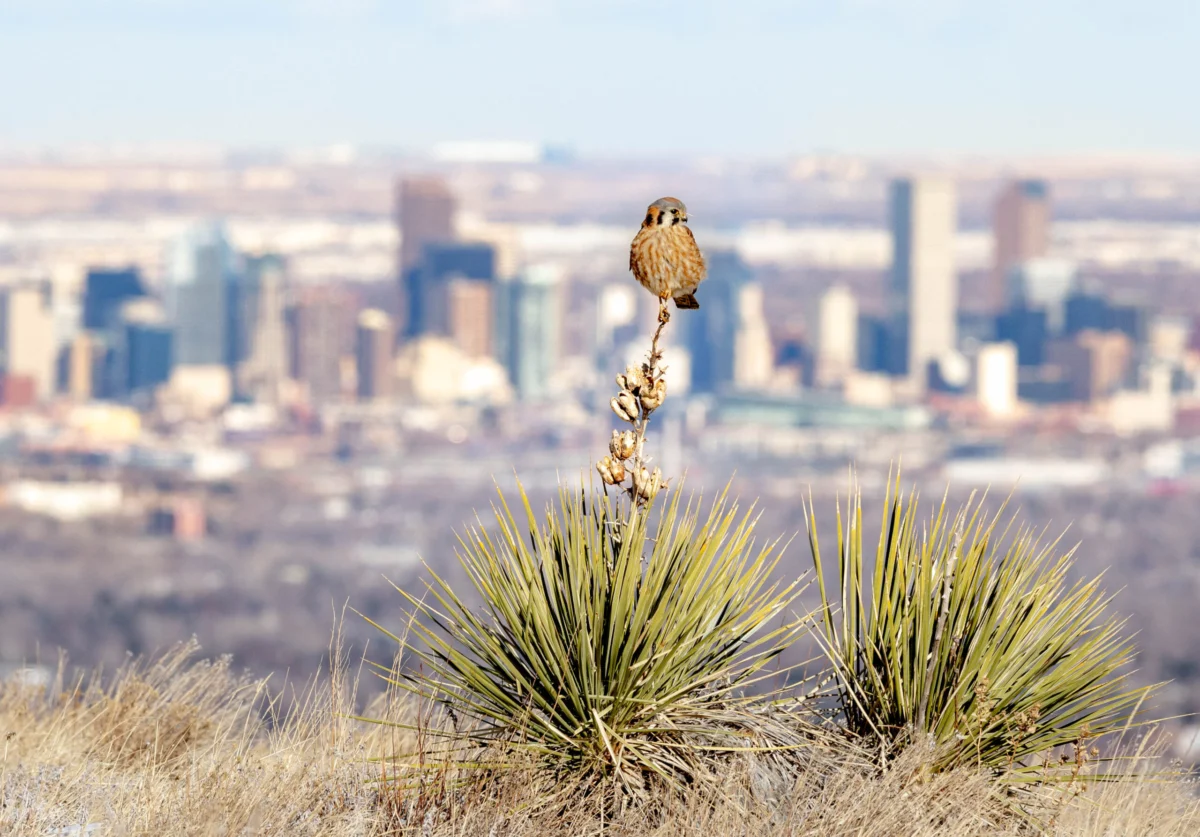
The House Natural Resources Committee, on Wednesday, June 11, 2026, officially approved H.R. 3276, known as the Local Communities and Bird Habitat Stewardship Act, marking a significant step forward for bipartisan legislation aimed at bolstering conservation efforts across the United States. This bill, championed by Representatives Debbie Dingell (D-MI) and Ben Cline (R-VA), is designed to establish a dedicated funding mechanism for community-based conservation projects that directly benefit avian populations and the human communities they inhabit. The initiative seeks to provide essential resources for local conservation endeavors, extending its reach from the smallest towns and suburban landscapes to the bustling centers of major metropolitan areas, addressing a critical need for expanded bird-friendly habitats where investments are most urgently required.
Bipartisan Initiative for Ecological Resilience
The collaborative spirit behind H.R. 3276 underscores a growing recognition in Congress of the profound ecological and societal value of bird populations and the imperative to protect them. Representative Dingell, a long-standing advocate for environmental protection, and Representative Cline, emphasizing local autonomy and fiscal accountability, have forged a crucial alliance to push this legislation forward. Their joint effort highlights a shared understanding that bird conservation transcends political divides, impacting everything from ecosystem health to the quality of life in human settlements. The bill’s passage through committee demonstrates a consensus on the need to empower local entities with the tools and funding necessary to implement effective, on-the-ground conservation strategies.
The Urgent Crisis Facing Avian Populations
The introduction and advancement of the Local Communities and Bird Habitat Stewardship Act come at a critical juncture for North America’s bird populations. Scientific studies and comprehensive reports have painted a stark picture of decline over recent decades. As Representative Dingell noted, North American bird populations have plummeted by nearly a third since 1970, with billions of individual birds lost across various species and habitats. This alarming trend, often highlighted by seminal reports such as the "3 Billion Birds Lost" study published in the journal Science in 2019 by researchers from the Cornell Lab of Ornithology and partners, signifies a profound ecological crisis. The primary drivers of this decline are multifaceted, including widespread habitat loss and degradation, the pervasive use of pesticides, increased predation by domestic cats, collisions with human-made structures like windows and communication towers, and the accelerating impacts of climate change, which disrupt migratory patterns and food availability.
Birds are not merely aesthetic components of our natural world; they perform indispensable ecological services that underpin healthy ecosystems and human well-being. They act as natural pest controllers, consuming vast quantities of insects that could otherwise damage crops and forests. Many species are vital pollinators, contributing to the reproduction of plants, including those critical for agriculture. Birds also play a crucial role in seed dispersal, aiding in forest regeneration and the spread of plant life across diverse landscapes. Their presence is an indicator of environmental health, signaling the vitality of ecosystems. Beyond their ecological functions, birds hold significant cultural and economic value, supporting a thriving birdwatching industry that generates billions of dollars annually and contributes to local economies, particularly in rural areas.
A New Chapter in Conservation Strategy: From Wilderness to Neighborhoods
Historically, much of the focus in federal conservation efforts has been on protecting vast wilderness areas, national parks, and designated wildlife refuges. While these efforts remain crucial, the Local Communities and Bird Habitat Stewardship Act signifies a strategic evolution, recognizing that conservation must also occur in the places where people live, work, and recreate. Urban and suburban areas, despite their human footprint, can serve as vital habitats, migratory stopovers, and breeding grounds for numerous bird species. However, these environments also present unique challenges, including fragmented green spaces, light pollution, window collisions, and the presence of invasive species.
The bill directly addresses these urban and suburban conservation needs by proposing funding for a range of activities. These include the restoration of urban green spaces and wetlands, which can provide critical foraging, nesting, and resting sites. It also emphasizes the promotion of environmental education and community science initiatives, empowering residents to become active participants in conservation through citizen science projects like bird counts and habitat monitoring. Furthermore, the legislation aims to reduce bird hazards in cities, such as implementing bird-friendly building designs, reducing light pollution during migratory periods, and managing populations of invasive species that prey on native birds.
Voices of Advocacy and Leadership
Felice Stadler, Vice President of Government Affairs at the National Audubon Society, articulated the organization’s strong support for the bill. "Birds rely on healthy habitat not only in natural areas, but in the places where people live, work, and recreate," Stadler stated, emphasizing the interconnectedness of human and avian environments. She expressed gratitude for the partnership with Representatives Dingell and Cline, highlighting their commitment to this vital effort. "Communities need more tools to conserve and restore the habitat birds depend on throughout their annual journeys. The Local Communities & Bird Habitat Stewardship Act would help meet that need while creating healthier, more resilient neighborhoods," Stadler added, underscoring the dual benefits of the legislation.
Representative Dingell reiterated the urgency of the situation and the bill’s practical solutions. "Birds are an essential part of our ecosystems and our everyday lives, and every community has a role to play in protecting them," she remarked. "Today’s passage of the Local Communities and Bird Habitat Stewardship Act by the House Natural Resources Committee is an important step toward giving cities, towns, and local partners the tools they need to restore habitat, reduce hazards to birds, and engage more people in conservation. I am grateful to Audubon for its partnership as we work to get this bill passed into law." Her comments highlighted the community empowerment aspect and the broad scope of conservation activities the bill would support.
Representative Cline, representing a more fiscally conservative viewpoint, stressed the importance of local leadership and accountability. "Birds play an important role in maintaining healthy ecosystems, and responsible conservation efforts can help protect migratory pathways while reducing the risk of avian diseases," he affirmed. Cline emphasized that "These initiatives are most effective when led by local communities and municipal leaders who understand the unique needs of their regions." While pleased with the bill’s advancement, he underscored a commitment to ensuring that "any federal support remains targeted, transparent, and accountable to the taxpayers who fund it," signaling a focus on efficient and effective use of public funds.
A Chronology of Progress and Future Path
The journey of H.R. 3276 began with its introduction earlier in the current legislative session by Representatives Dingell and Cline. Following its initial referral to the House Natural Resources Committee, the bill underwent a period of review, debate, and potentially amendments before Wednesday’s pivotal vote. The committee’s approval on June 11, 2026, represents a crucial procedural hurdle cleared, signifying that the legislation has garnered sufficient support within the committee to be considered by the full House of Representatives.
The next step for H.R. 3276 is consideration by the entire House. If it successfully passes a vote in the House, it would then move to the Senate, where it would again be referred to a relevant committee (likely the Senate Committee on Environment and Public Works or a similar body) for review and approval. Should it pass both chambers of Congress, the bill would then be sent to the President for signature, at which point it would officially become law. The bipartisan nature of the bill, coupled with the widespread recognition of bird conservation needs, bodes well for its prospects, though the legislative process always presents challenges and potential delays.
Broader Implications: Environmental, Economic, and Social
The successful implementation of the Local Communities and Bird Habitat Stewardship Act would have far-reaching positive implications. Environmentally, it would lead to a measurable increase in native plant cover and green infrastructure in urban and suburban areas, creating more resilient ecosystems capable of supporting a greater diversity of life. Improved habitat connectivity would benefit migratory birds, allowing them to complete their arduous journeys more safely. Reduced hazards, such as fewer window collisions and diminished light pollution, would directly save bird lives.
Economically, the bill’s funding could stimulate local economies by creating jobs in conservation, restoration, and environmental education sectors. Investments in green spaces have been shown to increase property values, enhance recreational opportunities, and potentially attract ecotourism, even at the local level. Healthier ecosystems also provide invaluable "ecosystem services," such as improved air and water quality, which can reduce healthcare costs and enhance overall public health.
Socially, the act would foster greater community engagement in environmental stewardship. Through educational programs and community science initiatives, residents of all ages would gain a deeper understanding of local ecosystems and the importance of conservation. This can lead to a stronger sense of community pride and collective responsibility for the natural world. Healthier, greener neighborhoods have also been linked to improved mental and physical well-being for residents, contributing to a higher quality of life.
Furthermore, the bill’s emphasis on local leadership aligns with broader trends in environmental governance, recognizing that effective conservation often requires tailored solutions developed by those closest to the issues. By providing direct funding to municipalities and community groups, the legislation empowers local actors to implement solutions that are most relevant and impactful for their specific regions, ensuring that federal support is responsive to unique local needs.
As H.R. 3276 moves from committee approval to the full House, it carries the hopes of countless conservationists, scientists, and communities dedicated to reversing the alarming decline of bird populations. Its potential to create healthier environments for both birds and people underscores its significance as a forward-thinking piece of legislation for the 21st century.
